
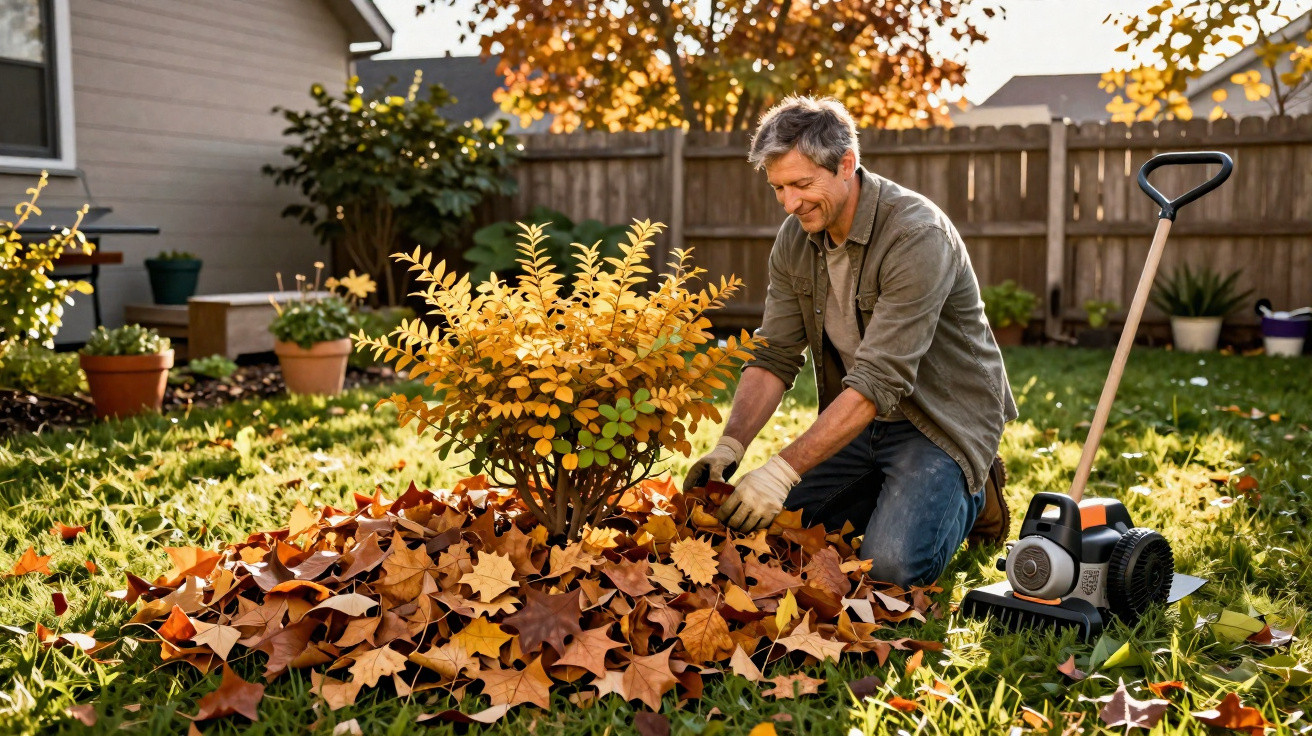
Heaps of fallen leaves line the path; children dive into them for a moment, and then the brown bin gulps the lot down. Everything looks neat. Polished. “All set for winter,” people say, closing the gate on a garden that’s been pared back to a tidy, bare finish.
The problem is that this postcard version of cleanliness is slowly damaging the soil below. And most gardeners don’t realise it.
Why clearing leaves “perfectly” is secretly hurting your garden
Spend a late-October afternoon on any street and the pattern repeats itself. One neighbour fires up a leaf blower. Another uses a battered metal rake, pulling every last leaf onto a blue tarp. Before long, the lawn has been scraped bare, borders sit exposed, and the garden waste bin is crammed with what seems like pointless debris.
From the outside, it passes as good maintenance. Like being diligent. We’ve been taught that a “proper” gardener doesn’t leave things lying about: no stray leaves, no moss, no untidy corners. Garden magazines rarely feature decomposing foliage or half-rotted leaves tucked under shrubs. So year after year people chase that look, stripping away the very layer that keeps the garden functioning.
Across many towns in the UK and US, councils collect thousands of tonnes of “green waste” every autumn, and a substantial share of it is bagged-up leaves. One US estimate puts it at over 8 million tonnes of leaves dumped into landfill annually, where they break down without oxygen and produce methane instead of returning nutrients to the soil. It’s hard to justify when those same leaves could stand in for fertiliser, mulch, and even a bit of winter protection for plants.
Speak to professional gardeners and you’ll often hear the same admission: clients demand “clean” lawns, even if it means thinner grass and more weeds later on. That keeps the loop going-smart-looking garden in November, stressed garden in May, extra products bought in June. We pay to get rid of free nutrients, and then pay again to buy them back in a bag.
Leaves aren’t garden rubbish; they’re the protective layer your garden relies on. Remove that layer too aggressively and the whole system takes a hit.
The right way to handle leaves: not lazy, just smarter
The solution isn’t to stop moving leaves-it’s to stop doing it without thinking. Aim for zones rather than flawless tidiness. On lawns, a heavy, wet blanket of leaves can smother grass and encourage fungal problems, so it does need shifting. But it doesn’t need to leave your garden. Pull leaves off the main lawn and relocate them beneath trees, around shrubs, and into empty borders where they can decompose undisturbed.
That one adjustment-relocating instead of removing-turns leaves from a “nuisance” into mulch, fertiliser and wildlife shelter. In beds, a light layer helps keep the soil warmer, reduces erosion, and feeds worms that draw fragments down into the ground. On paths, you can gather them into piles behind the shed or tip them into a simple wire-mesh corner to make leaf mould: that dark, crumbly treasure professional gardeners rave about.
This is where real life matters. On a cold Saturday, you’re unlikely to shred every leaf, layer it neatly in a pristine compost bay, and note the date like a science project. Let’s be honest: nobody truly does that every day. What actually sticks is a routine that works for tired, busy people-quickly raking the lawn clear into the borders, keeping one dedicated “leaf corner”, and doing a small tidy-up once a year rather than launching a weekly campaign against anything brown on the ground.
Handled like this, you still get a lawn you can walk across and paths you won’t slide on. You just stop running the garden like a showroom and start treating it as something alive.
Common mistakes with autumn leaves (and what to do instead)
A useful change is to decide ahead of time where your leaves will “live” through winter. Pick three areas: one for wildlife, one for mulch, and one for future leaf mould. Under hedges and thick shrubs, leave a thin layer largely undisturbed-ladybirds, beetles, frogs and countless small creatures use it to get through the colder months. In flower beds, add a loose layer about a hand’s depth around perennials and roses, keeping it slightly away from stems to reduce the risk of rot.
For leaf mould, you don’t need anything fancy-just a simple pen made from four stakes and some wire mesh. Add mostly leaves (especially oak, beech, hornbeam and fruit trees), moisten them if they’re very dry, and then leave them alone. After a year or two, you’ll find a soft, dark material with the smell of woodland floor. It’s ridiculously effective for sowing seed and reviving tired soil.
The biggest autumn slip-up is assuming all leaves behave the same. Thick, waxy sycamore or plane leaves can clump into dense mats, so they’re better broken up or shredded. Conifer needles rot slowly and, if piled too thickly, can make soil more acidic. Another common error is blowing or raking everything into plastic bags “to deal with later” and then ignoring them. What you get instead is slimy, smelly, anaerobic sludge.
Most of us have experienced the unpleasant surprise of a forgotten bag of leaves turning into a grey, mouldy horror behind the shed. Nobody shares that on Instagram.
“The leaves that fall in your garden are the exact nutrients your garden used to grow those leaves in the first place. Throwing them away is like emptying your fridge into the bin, then going shopping hungry.”
If you want leaf care to be almost idiot-proof, keep these priorities front of mind:
- Remove thick build-ups from lawns and paths, but keep leaves on beds and under shrubs.
- Set aside at least one quiet, “messy” corner where you don’t tidy at all.
- Convert surplus leaves into leaf mould rather than sending them to landfill.
- Break up or shred large, leathery leaves so they don’t form suffocating mats.
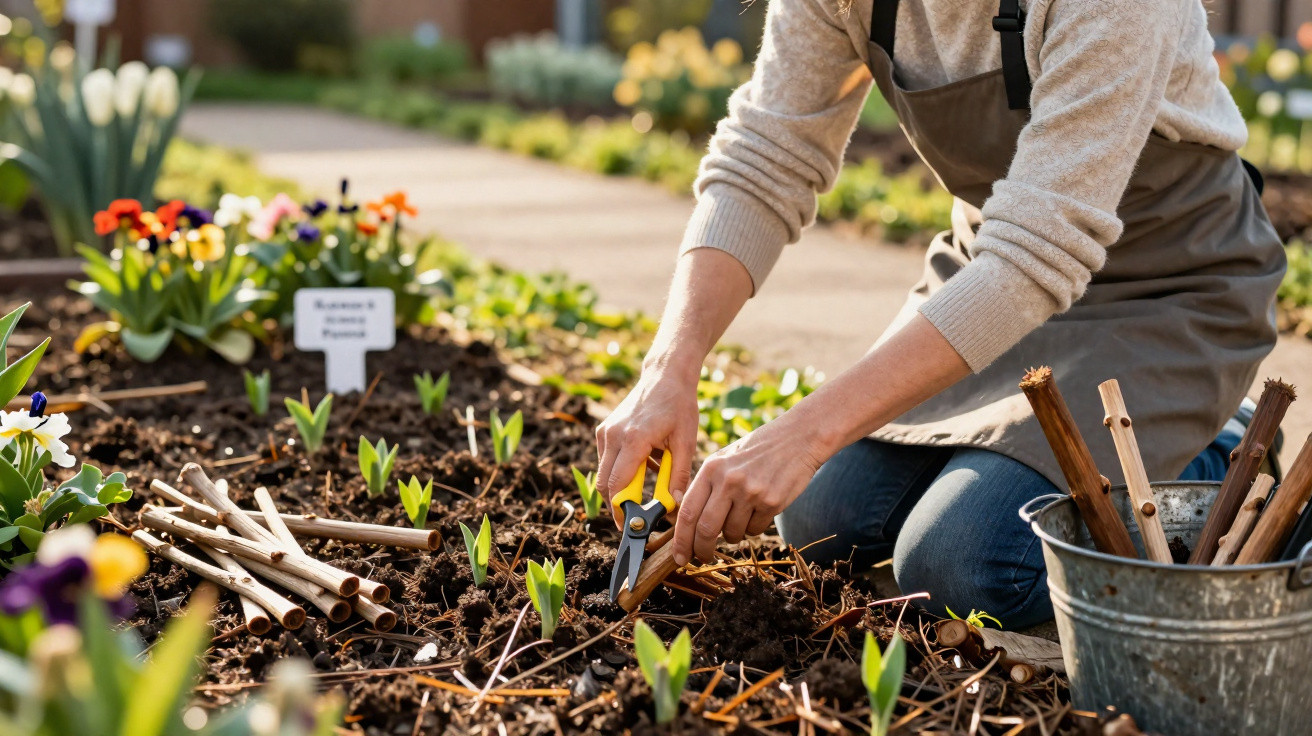
- Leave some hollow stems and rough edges for insects, even if you feel an urge to tidy.
Autumn leaves as a quiet act of care
There’s something mildly defiant about deliberately letting parts of the garden stay untidy. Friends may glance at leaf piles under your hedge with suspicion. A neighbour might boast about a “spotless” lawn while you’re still nudging leaves into borders in mid-November. Let them. You’re not gardening for someone else’s view; you’re gardening for roots, worms and the unseen life that rewards you in spring.
Gardeners often notice a change once they stop carting every leaf away: less bare soil, fewer weeds, better moisture retention during summer heat, and more birds flicking through borders in January looking for larvae in the leaf litter. They see they weren’t letting the garden down by relaxing the tidiness-they were letting it down by chasing perfection. That attitude can be difficult to shift, particularly if you were brought up being praised for “properly” cleaning everything.
Autumn might feel like a finish, but in a garden it’s more like a slow reshuffle. What looks like chaos underfoot is really order on a timescale our bins-and-bags mindset struggles with. The leaves that irritated you in October are the same ones that can soften soil, nourish roses, and create the cool, damp cradle where next year’s seedlings can root. The real choice isn’t tidy versus lazy-it’s surface neatness versus deeper health.
Once you start treating leaves as a resource, it’s difficult to return to old habits. You may still rake, still sweep, still fill the green waste bin now and then. But each time you pause and think, “Could this stay here? Could this feed something?” the garden shifts slightly-and so does how it feels to walk through it on a cold, bright autumn morning, hearing that gentle crunch and knowing you’re not tidying the life out of it.
| Key point | Detail | Benefit for the reader |
|---|---|---|
| Don’t aim for “total tidiness” | Avoid removing every leaf, especially in beds and under hedges | Less work, livelier soil, a more resilient garden |
| Move rather than bin | Rake leaves from sensitive areas to useful zones (beds, refuge corners) | Turn “waste” into a free resource (mulch, shelter, fertiliser) |
| Create a dedicated “leaf” corner | Set up a simple enclosure or wild patch to make leaf mould | Reduce waste, spend less on compost, improve soil long term |
FAQ:
- Should I ever remove all the leaves from my lawn? You can clear thick, wet layers that smother grass, but leaving a light sprinkle isn’t a disaster. The key is to move most of the leaves into beds and borders, not out of the garden altogether.
- Are some tree leaves bad for the garden? Very tough leaves (plane, sycamore, some evergreens) can form dense mats. Shred or break them up, or mix them with lighter leaves so they decompose better.
- How long does it take to make leaf mould? In a damp climate, shredded leaves can turn into usable leaf mould in 12–18 months. Whole leaves often take closer to two years, but the process is very low effort.
- Will leaving leaves attract pests like slugs? A thick, soggy carpet of leaves on beds can give slugs cover. A loose, airy layer that you monitor is usually fine, especially if you have birds and beetles hunting in it.
- Can I use leaves as mulch around all plants? They’re great around shrubs, trees and many perennials. Keep them slightly away from the crowns of plants and from soft-stemmed seedlings to avoid excess moisture right against the stems.

Comments
No comments yet. Be the first to comment!
Leave a Comment