
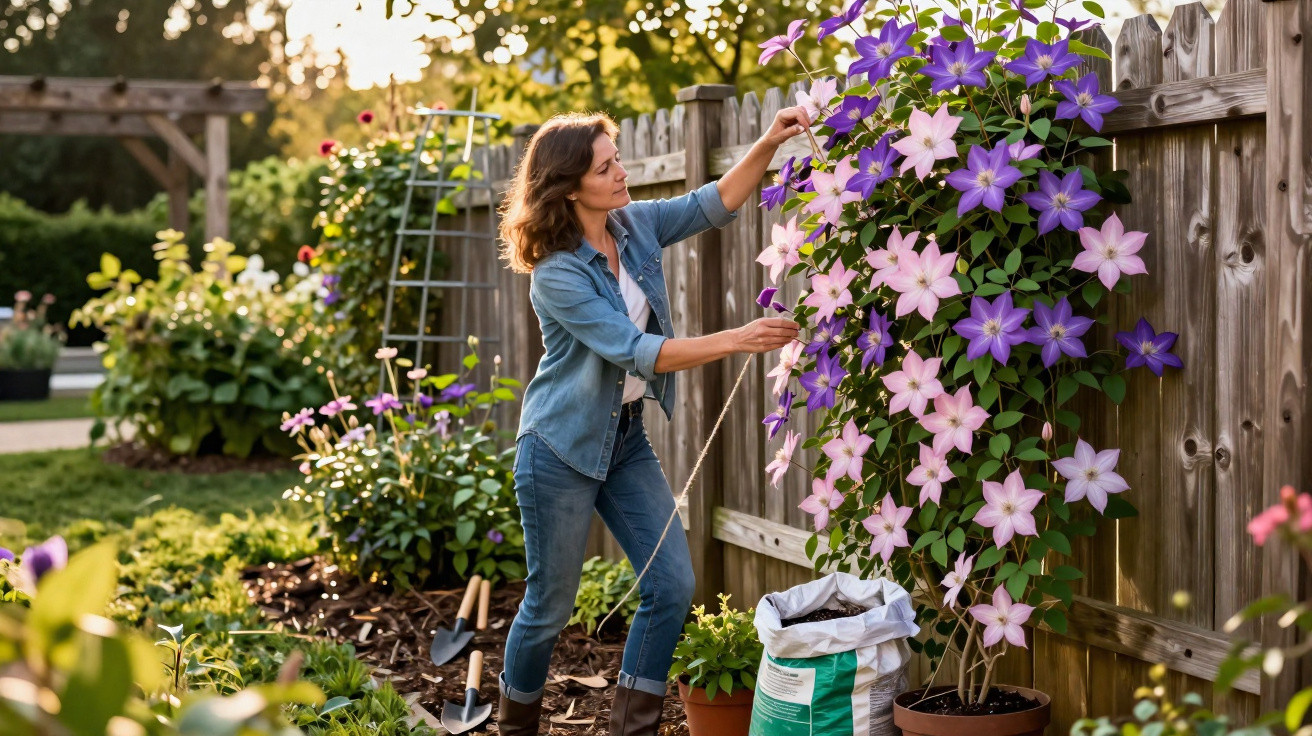
It grows quickly, produces huge blooms that often look almost exotic, and needs surprisingly little attention. That is exactly why many nurseries treat it as a insider recommendation for people short on time - or short on gardening experience. We are talking about clematis (also known in German as Klematis), a climbing specialist that can turn bare spaces into dense, colourful walls of flowers.
Why clematis wins over so many garden professionals
Clematis has not earned its nickname by accident: among professionals you often hear it called the “queen of climbing plants”. Anyone who has successfully established one in the garden soon understands why. These plants form long, flexible shoots that wind their way up trellises, wire fencing or tree trunks, reaching impressive heights in a short space of time.
“Depending on the variety, a clematis climbs two to twelve metres high, covering entire walls, pergolas or privacy fences with flowers.”
One major advantage is the sheer range available. There are varieties with:
- huge, flat flowers in white, pink, purple or blue
- double blooms that look almost like pom-poms
- delicate, bell-shaped flowers
- flowering periods from spring through to autumn - depending on the group
If you choose and combine varieties wisely, you can have a clematis in full bloom somewhere in the garden for many months on end. At the same time, plenty of types are considered remarkably tough. Many cope well with hard frost, making them suitable for exposed sites.
Position and soil: the well-known trick with foot and head
A rule of thumb appears in almost every clematis guide: “foot in the shade, head in the sun.” The idea behind it is straightforward. Clematis likes a sunny to partially shaded position and wants plenty of light on its foliage - but the root area should stay cool and shaded.
These basic rules apply to the soil:
- deep and loose
- free-draining, with no persistent waterlogging
- evenly moist, especially in summer
- rich in humus, improved with compost or well-rotted manure
If your soil is very sandy, work in mature compost and a little loam-based soil. With heavy soils, a drainage layer of gravel or coarse sand in the planting hole helps prevent the roots from sitting in water.
Planting clematis correctly: how to get the flower curtain going sooner
The best time to plant is either in spring or early autumn. Then the soil is still (or once again) warm while also being moist enough, which makes it much easier for the plant to take hold. Planting in midsummer can still work, but a young clematis will need noticeably more water and attention.
Step-by-step instructions for a border or fence
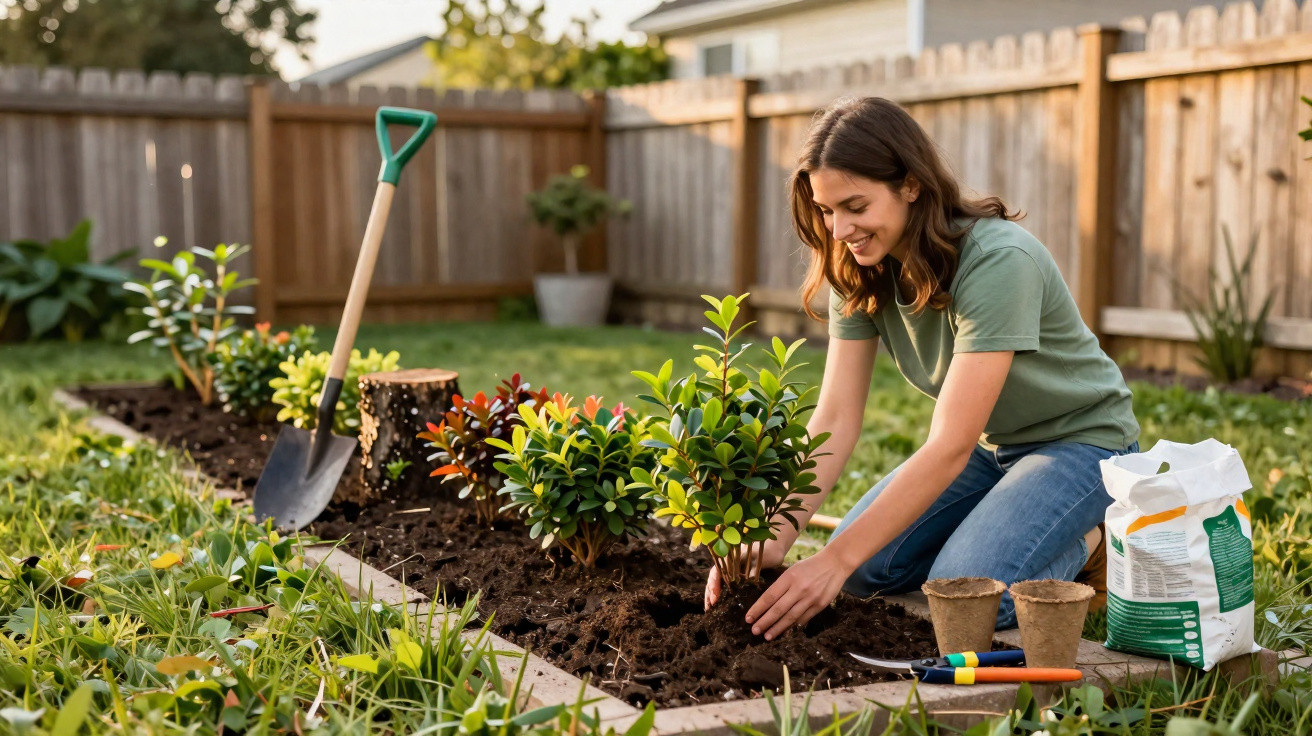
- Dig a planting hole about twice the size of the pot’s root ball.
- Mix the soil with compost and, if required, sand or gravel.
- Set the plant slightly at an angle towards the climbing support.
- Plant the root collar 5 to 20 centimetres deeper than it was in the pot.
- Water thoroughly and mulch the soil around the plant.
Planting the root collar deeper has an important benefit: if the growth above ground dies back or freezes, the clematis can reshoot from below the surface. That makes the plant longer-lived and helps it recover more quickly from setbacks.
Climbing supports and creative places to use them
For the “flower curtain” to form properly, clematis needs a sturdy support to climb. Suitable options include, among others:
- wire trellises fixed to house walls
Comments
No comments yet. Be the first to comment!
Leave a Comment