
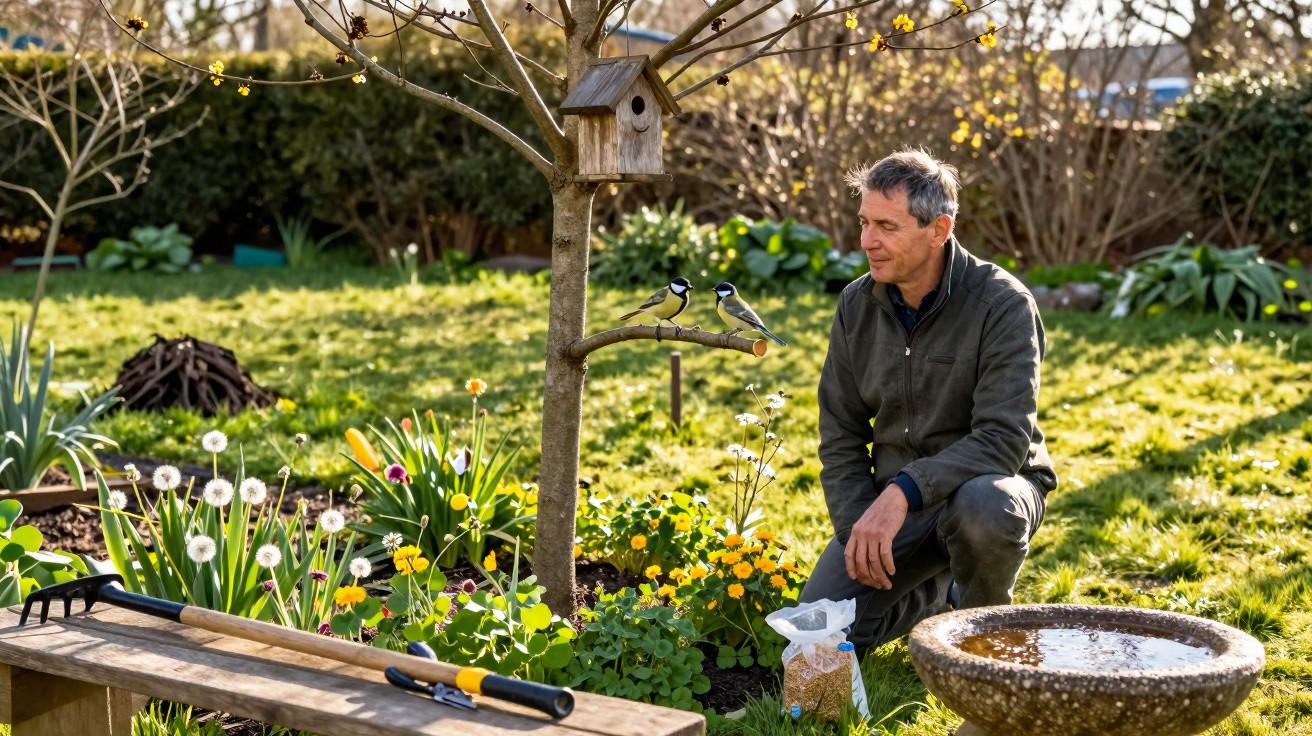
A lawn trimmed to perfection, hedges clipped into crisp lines, beds kept spotless: what looks like a show garden can feel like a desert to wildlife. Conservation groups are now sounding a clear warning: if you garden too intensely from spring through late summer, you remove exactly what birds and insects need to survive. The encouraging part is simple - the less you fuss, the more you help nature.
Five widespread myths that drive tits out of the garden
"The tidier the garden, the less life there is" - that line captures the heart of the problem with many modern front gardens.
1. Pruning and sawing in spring - being active at the wrong moment
Plenty of people charge into March full of energy: trimming hedges, thinning trees, and “shaping” shrubs. Yet that burst of work lands right in the middle of nesting and breeding season. From mid-March until the end of August, birds rely on sheltered twigs, dense canopies and cavities to build nests and raise their young.
If you set to work during this period with a chainsaw, hedge trimmer or loppers, you can wipe out:
- nests of tits, blackbirds or finches
- hiding places for fledglings and small mammals
- blossoms that would later draw in insects
Bird protection organisations are consistent on this point: do major cutting on trees and hedges before mid-March, or wait until September. Small safety trims can be done, but only after carefully checking the branches first - wildlife is often tucked away out of sight.
2. A golf-course lawn - why a “neat” surface causes trouble
A tightly clipped lawn is still treated as the gold standard. For wildlife, it is disastrous. When grass is kept extremely short all the time, you lose:
- patches of longer growth where insects can shelter
- wildflowers such as daisies or dandelions that provide food
- tiny soil-dwelling creatures that birds forage for
Tits, robins and starlings in particular like to pick through slightly taller growth for spiders, larvae and beetles. Where everything is shaved down, there is nothing to find. The result is predictable: they avoid the garden or only pass through briefly.
Allowing areas of longer grass, mowing only every few weeks, and leaving some sections untouched turns a lawn into a buffet for birds - while also creating a haven for butterflies and wild bees.
3. Removing “weeds” without mercy - a costly misunderstanding
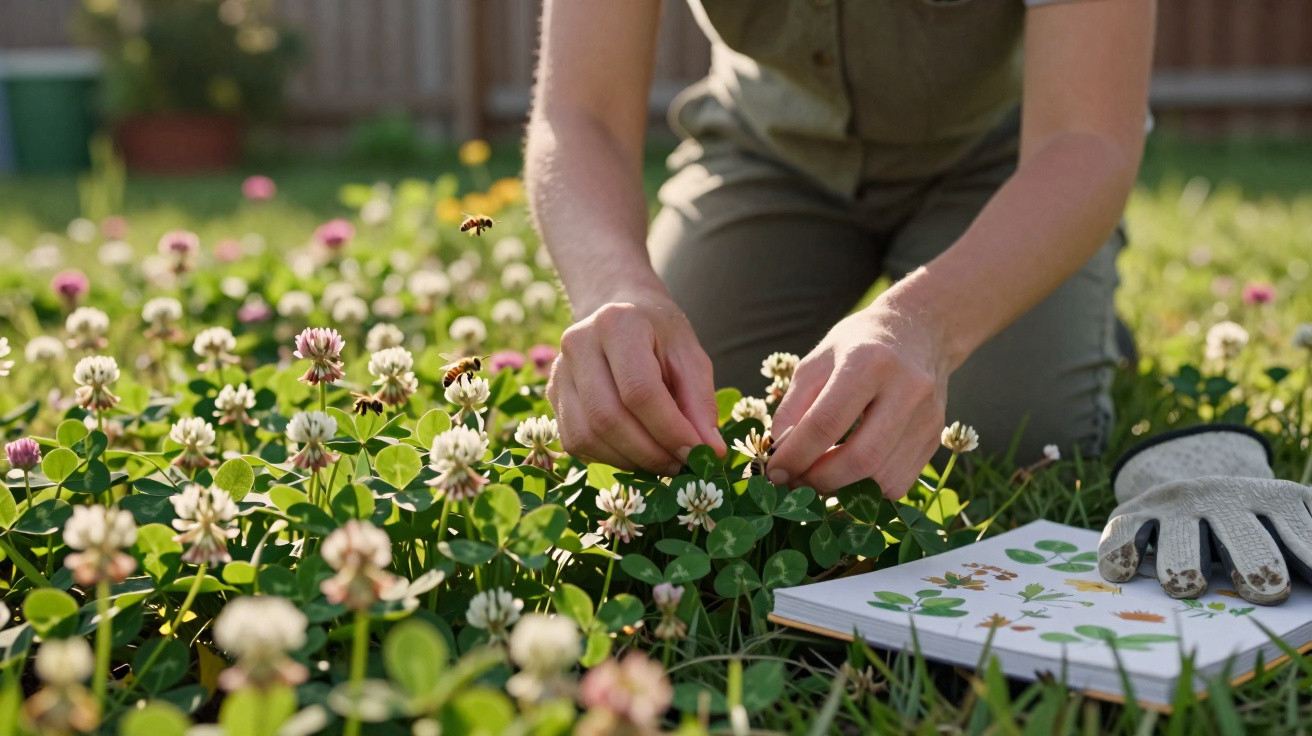
Many self-seeded plants are pulled up on autopilot. Nettles, plantain, clover, amaranth - often dismissed as unwanted “weeds”. For a wide range of birds and insects, however, they are essential.
What these supposed nuisances typically provide:
- seeds for finches, siskins and other seed-eaters
- food plants for the caterpillars of many butterfly species
- medicinal and wild vegetables for people, including plantain and nettle
If you strip out every plant that did not come from a garden centre, you remove refuelling stations and nurseries for small wildlife. A far better approach is to create tolerance zones. A strip along a boundary, a wilder corner by the compost, or a bed left a little untidy is often enough to offer insects and birds a great deal.
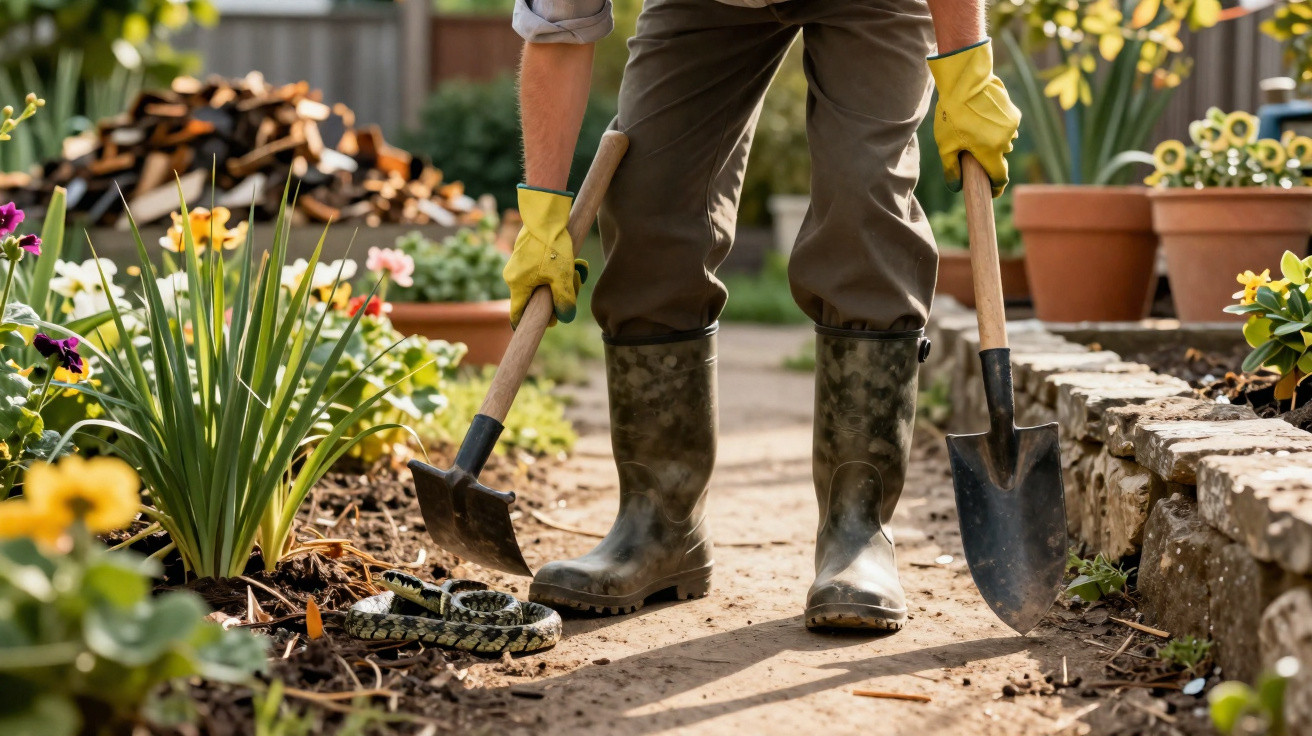
4. Constantly digging the soil - misguided from the very first spadeful
The top layers of soil are a delicate living system. Earthworms, woodlice, larvae, fungi and bacteria all work there, turning organic matter into fertile soil. Many garden birds search precisely in this zone for food.
When the ground is repeatedly dug over deeply, those layers are scrambled:
- habitats for small creatures are destroyed
- soil structure and moisture balance suffer
- beneficial organisms decline, while pests can spread more easily
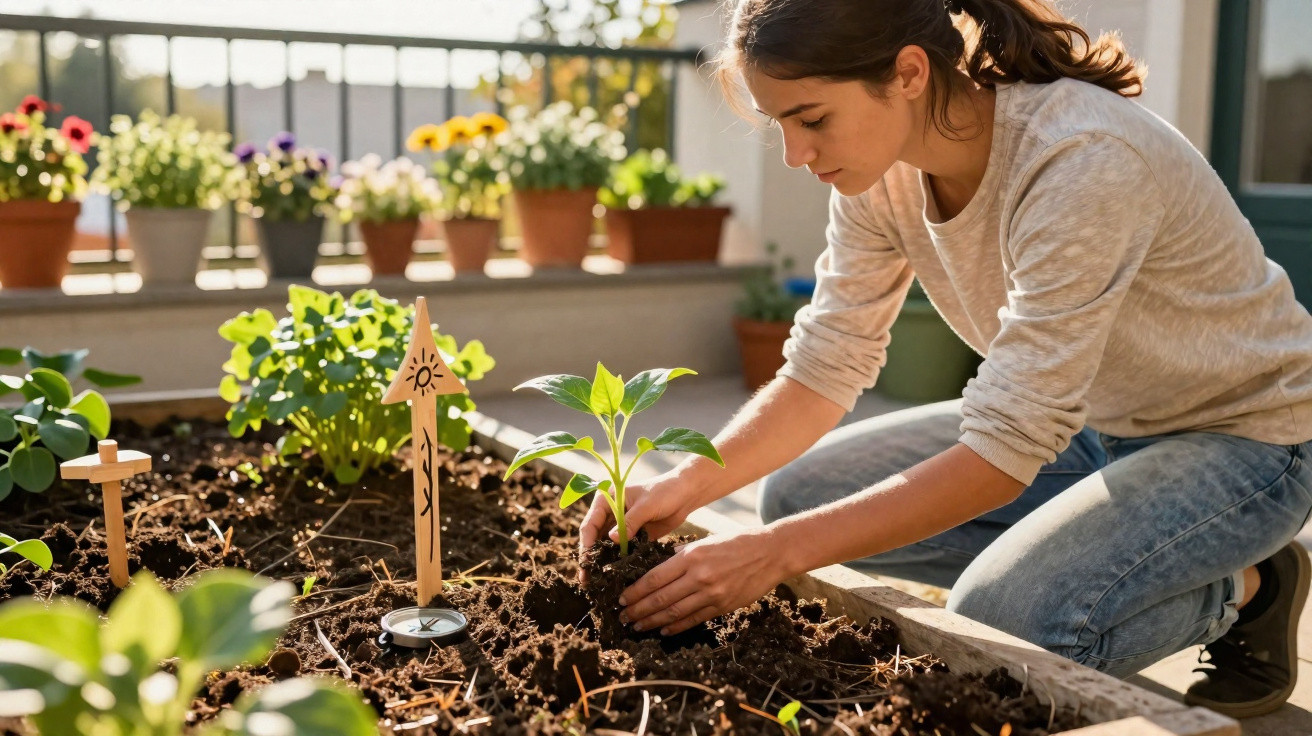
A gentler option is “moderate soil care”: loosen only where you genuinely need to, and use a garden fork or cultivator rather than turning everything over with a spade. Mulching with leaves or grass clippings protects the soil, keeps moisture in, and feeds soil life at the same time - a natural cycle that supports birds too.
5. Keeping feeders topped up in spring - well meant, but poorly timed
Many bird lovers want to provide seeds and fat balls all year round. In winter that can make sense; once spring arrives, the situation changes. As nesting begins, adult birds chiefly need protein - and that comes from insects, not sunflower hearts.
"If you encourage natural insect diversity in spring, you help young birds more than the biggest feeder ever could."
Rather than running the feeding station into summer, it pays to shift your attention:
- plant more native shrubs and perennials that attract insects
- create flowering strips that provide food throughout summer
- put out a shallow dish of water for drinking and bathing
In a varied, slightly “wilder” garden, tits and other birds can find what they need - without a permanent buffet from the shop.
The simple method: put the tools down and watch nature
The key advice from many conservation organisations can sound almost provocative: from mid-March to the end of August, intervene as little as possible. Avoid heavy pruning, don’t mow constantly, and resist the urge to clear away every leaf and dead stem.
If you allow that pause, several things happen at once:
- hedges, shrubs and trees provide undisturbed nesting sites
- wildflowers and herbs get the chance to bloom and set seed
- insects find pollen, nectar and shelter across the garden
- the garden stays cooler for longer and holds on to more moisture
To keep the space practical, “comfort islands” help: maintain paths, seating areas and play spaces neatly, while deliberately letting other zones become wilder. Visually, that contrast is often more interesting than a fully manicured plot.
What should you do if fledglings or hedgehogs appear in the garden?
When you make your garden more welcoming, animal visitors tend to follow - sometimes closer than you expect.
Young bird on the ground - step in or leave it alone?
In early summer, partly grown young birds often sit on the lawn or patio looking helpless. Many people want to rescue them immediately and pick them up. Most of the time, that is the wrong move.
- If the bird is upright, alert and moving, it is usually a fledgling.
- The parents are typically nearby and will continue feeding it, even if you don’t see them constantly.
- Only if there is immediate danger - a cat, a road, an open pond - should you move the bird a few metres, for example into a shrub.
If you intervene fully and take the bird away, you separate it from its parents and drastically reduce its chances of survival.
Hedgehogs in the garden - look, yes; handle, no
Hedgehogs use wildlife-friendly gardens as hunting ground and shelter. Seeing one out at night is completely normal. Concern is justified only if the animal is stumbling about in daylight, looks severely underweight, or is injured.
In that case, it needs expert support from a wildlife rescue centre. Misguided “help” - such as milk, bread or cat food - often does more harm than good. The best approach is to make the garden safe: leaf piles, sheltered corners, no poison baits, and no uncovered drainage or light wells.
Why every square metre of garden matters for biodiversity
Long-term monitoring by ornithologists shows a clear decline in many once-common species in towns and villages. Denser building, lifeless gravel gardens and hard surfaces remove places to shelter and feed. That makes every small green patch more valuable.
A garden designed with nature in mind contributes in several ways:
- refuge for wildlife: hedges, dead wood and untidy corners provide cover
- local climate support: more greenery cools the area and stores water
- building healthier soil: leaves and plant material add humus
If you stop treating your plot as an “outdoor living room” that must look perfect, and instead see it as a living habitat, you also help the wider neighbourhood: birds that nest in one garden forage in the next, insects move from flower to flower, and seeds spread across several streets.
Practical tips for a bird-friendly gardening routine
Many improvements are easy to make. Three straightforward strategies are enough to begin:
- Allow a wild corner: an area you intentionally don’t tidy - with leaves, dead wood and wild plants.
- Mow less often: instead of weekly, aim for every three weeks, and leave small flowering patches standing.
- Choose native plants: berry bushes, wild roses and native perennials - they offer food and shelter.
If you want to go further, you can add structure gradually: brushwood piles, small water features, sandy patches for wild bees, or flowering hedges made from native shrubs. Many measures reinforce each other - more plants bring more insects, and more insects attract more birds.
Approached this way, your garden rewards you with scenes you usually only watch in nature programmes: tits zigzagging through an apple tree, blackbirds rummaging for worms in leaf litter, butterflies circling above an untidy corner. Getting there often starts with one surprisingly simple step: doing less.

Comments
No comments yet. Be the first to comment!
Leave a Comment