
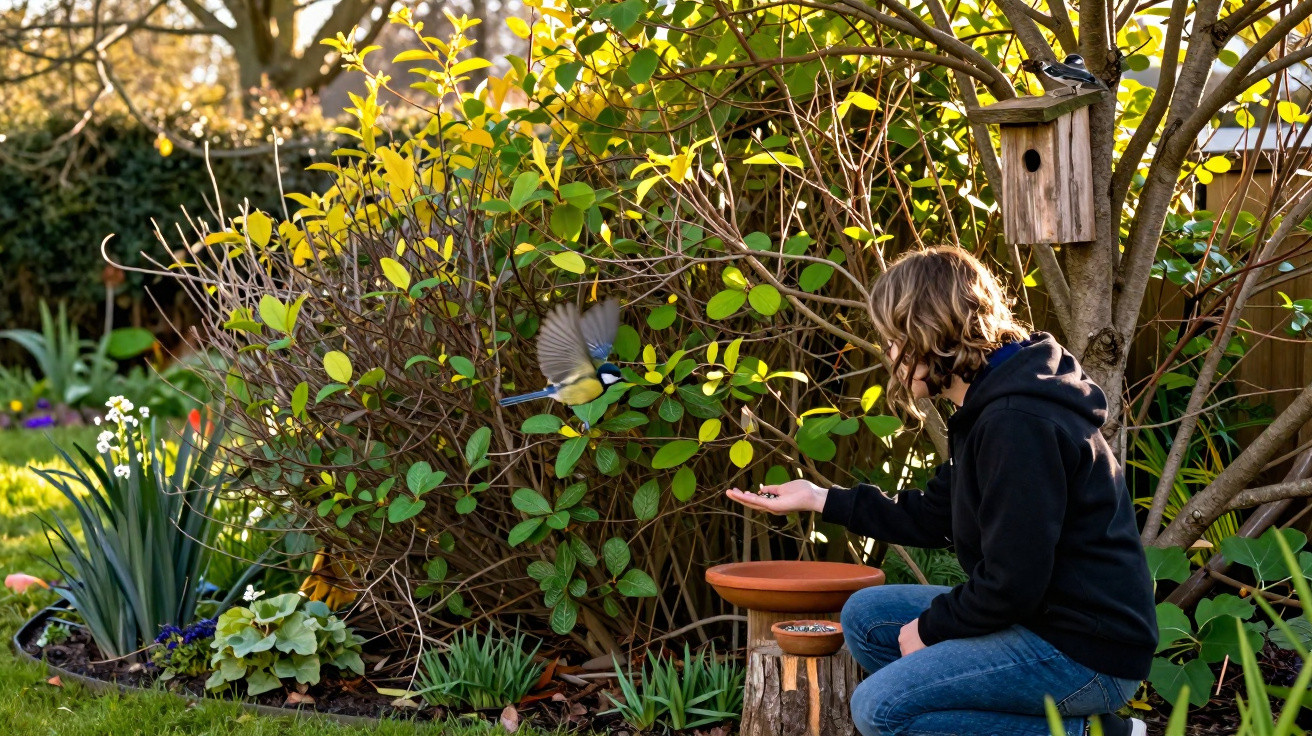
Anyone who has watched tits feeding their chicks knows how much activity just a couple of pairs can bring to a garden. But these birds are choosy about where they breed. A pretty bird box from the DIY shop often isn’t enough. What matters is whether the garden feels like a safe, well-stocked whole: shelter, food, nesting spots and peace and quiet.
Why tits urgently need suitable gardens right now
As spring arrives, great tits, blue tits and other species begin scouting for nesting sites. The first brood usually gets under way by April at the latest. In many residential areas, natural cavities are disappearing: old trees have been felled, façades renovated, and cracks in walls sealed up. For cavity nesters such as tits, space is getting tight.
This is exactly where a garden can become a mini refuge. By following a few straightforward principles, you can offer the birds more than just a roof over their heads-and you benefit too: fewer pests, better pollination, and more everyday wildlife right outside the patio doors.
"If you want to attract tits, you don’t need to spend much money-you need to think of the garden as a small ecosystem."
Nest boxes: useful, but often put up wrongly
Many amateur gardeners buy a nest box on impulse in spring and hang it on the first convenient tree. Sometimes that works, but often the box stays empty. The usual reason is simple: the location, the design and the surrounding habitat don’t fit.
What a suitable nest box for tits looks like
- Solid timber (avoid thin plywood models)
- Entrance hole roughly 28–32 mm (depending on the species)
- No perch beneath the hole (tits don’t need it, but predators do)
- Easy to open so it can be cleaned in autumn
- A roof that slopes slightly forwards to stop rain getting in
Ideally, hang the box 2–3 metres up, facing roughly east or south-east, sheltered from strong winds and not in full midday sun. If you put up more than one nest box, leave enough space between them so breeding pairs don’t end up competing and stressed.
"A plain wooden box in the right place is often more successful than a decorative but impractical designer birdhouse."
Natural nesting sites are even more valuable
Experts keep pointing out the same thing: natural holes and crevices are better than any artificial box. If you leave old fruit trees standing with woodpecker holes, or you don’t seal every last gap in a wall, you create valuable breeding spots for several species-from house sparrows to swallows and swifts.
If you’re renovating a façade or roof, it’s worth checking for existing nesting places first. Some niches can be deliberately retained, or replaced with special built-in bricks, without putting the structure of the building at risk.
Plants that genuinely help tits
Without food, even the best nest box is pointless. Tits feed their young mainly on insects. A “sterile” garden-filled with ornamental plants that offer no nectar and regularly sprayed-functions like a desert.
Why native plants matter so much
Many popular ornamental varieties have been bred to look good and produce little pollen or nectar. For insects they’re almost worthless. Native shrubs and perennials, on the other hand, support local insects-and those insects later end up in the bills of tit chicks.
Useful choices for a bird-friendly garden include:
- Native wild roses
- Hawthorn, blackthorn, privet
- Elder, rosehip shrubs
- Rowan, Cornelian cherry
- Wild perennials such as nettles in a tucked-away corner
These plants provide insects, berries and seeds-and often dense cover too. If you’re planting from scratch, choose regional, non-sterile varieties on purpose. Garden centres increasingly label native species, and nature conservation organisations often provide advice free of charge.
The often underestimated role of garden density
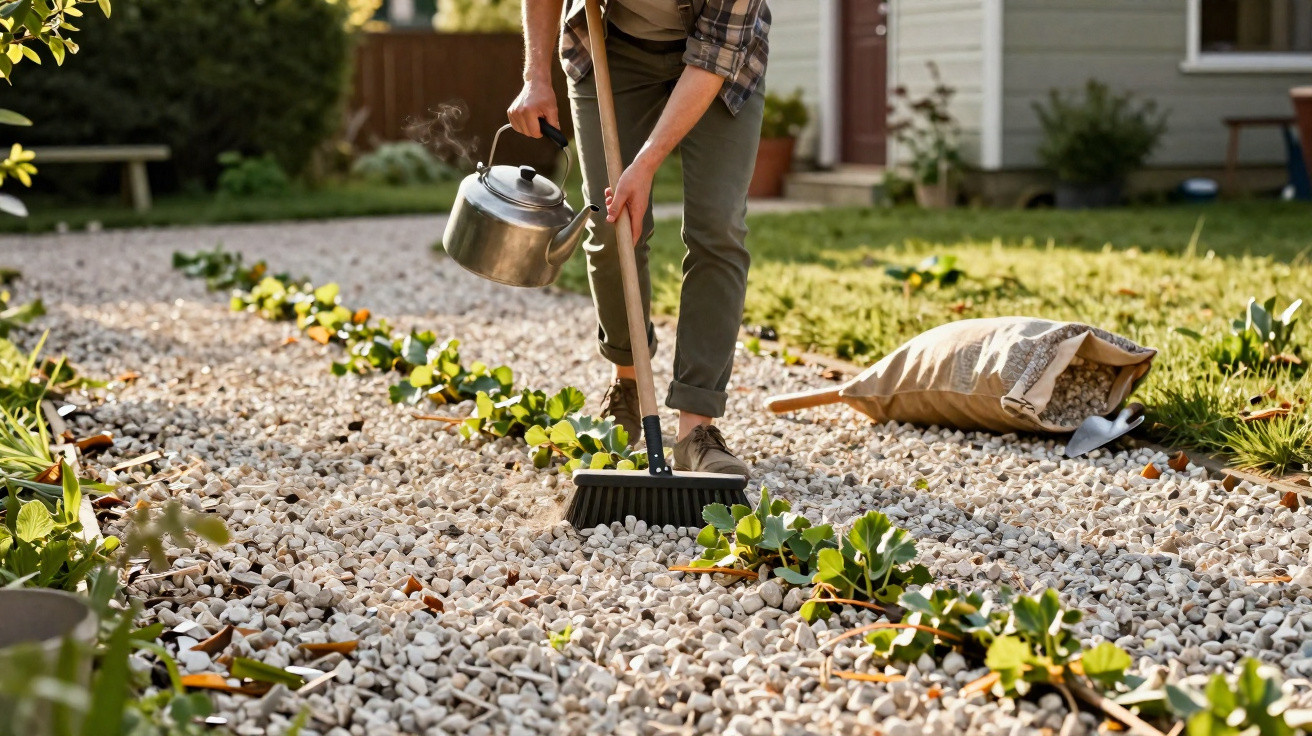
Many front gardens today are just lawn-or even gravel. For tits, areas like that are close to useless. They need structure: hedges, shrubs, trees and thick corners where they can hide.
"A dense, lively garden feels to tits like a small urban oasis-whereas a closely mown lawn feels like concrete."
Hedges as the garden’s lifeline
Hedges bring several benefits at once:
- Protection from cats and birds of prey
- Nesting opportunities in dense branches
- Plenty of insects thanks to flowers and foliage
- Berries as food and a source of moisture
Mixed hedges made up of several native species are especially worthwhile. They flower at different times, provide food for longer, and look more natural than monotonous lines of thuja. If you’re planting anyway, you can follow sample lists from local wildlife or conservation groups.
Dense shrubs as a sheltered space
Evergreen or semi-evergreen shrubs provide cover from rain, snow and predators throughout the year. Suitable options include:
- Yew (only where appropriate; its toxicity makes it unsuitable in some places)
- Holly
- Cherry laurel in moderation-native alternatives are preferable
- Field maple grown as a shrub
The exact species matters less than having a shrub that grows thickly and isn’t constantly “tidied up”. If you cut hedges hard during the breeding season, you can destroy potential nesting sites.
What makes gardens dangerous for tits
Beyond the lack of structure, there are a few common mistakes that can undo well-intentioned bird-friendly efforts.
| Problem | Impact on tits |
|---|---|
| Insecticide use in the garden | Less food, poisoned prey |
| Unmarked glass panes | High collision risk, serious injuries |
| Free-roaming cats near nest boxes | Predators right by the nest |
| Constant noise and frequent disturbance | Breeding abandoned, stress, deserted nests |
Small tweaks can make a big difference: avoid toxins, make windows visible with simple stickers, hang nest boxes where cats can’t easily reach them, and avoid major building work right next to nesting areas during the breeding season.
Feeding in spring: helpful or unnecessary?
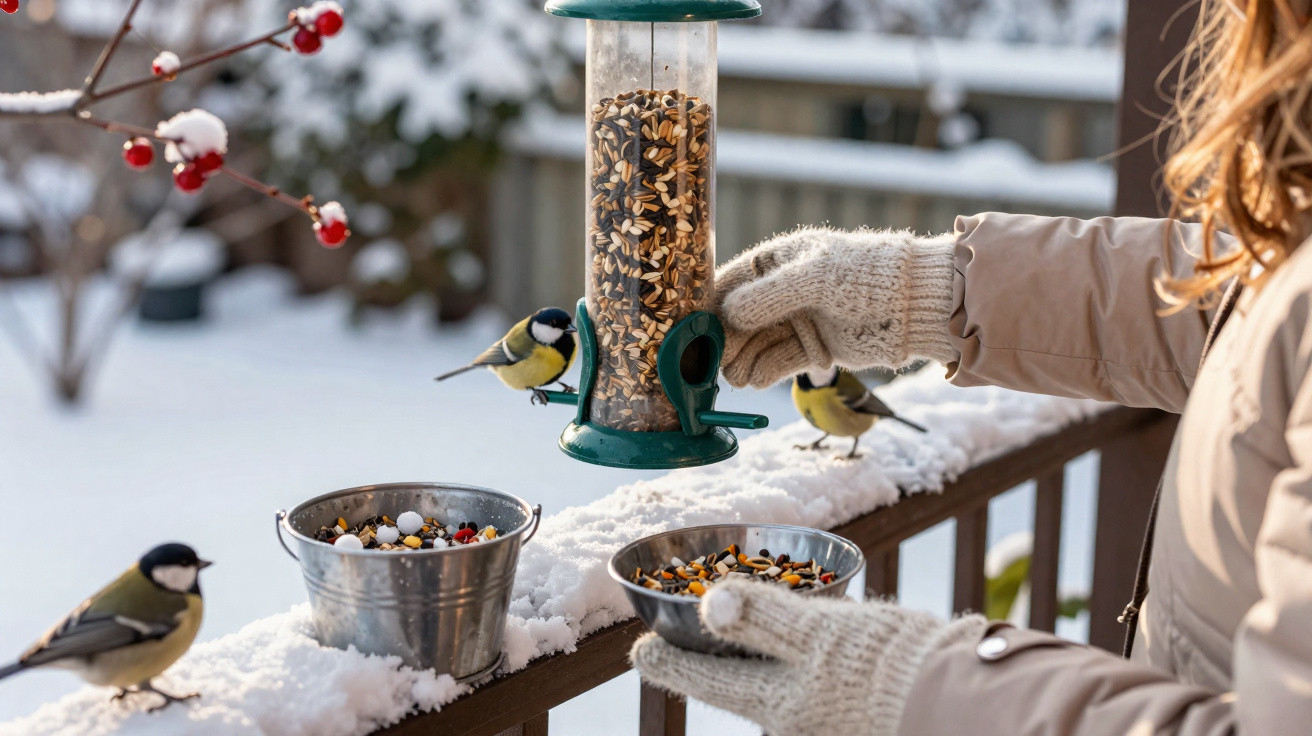
Many people aren’t sure whether they should keep feeding in spring. During breeding, tits primarily need insects. Seeds and fat balls are more of a side issue, but they can still give adult birds extra energy.
If you do feed, you should:
- Use hygienic feeders (silos rather than open trays)
- Replace food regularly and remove anything mouldy
- Avoid feeding right next to nest boxes, so you don’t create extra stress
In the long run, an insect-friendly garden with native planting makes a far bigger difference than a feeder on its own.
How to assess your own garden realistically
Many gardeners assume: “My garden is already very natural.” A more honest look helps. Are there truly dense corners, older features and a few untidy areas? Or is everything kept very clean, short and neat?
A quick test:
- Is there at least one dense hedge or a large shrub?
- Do native plants grow there, or mostly exotic ornamental species?
- Is at least one corner deliberately left a bit “wild”?
- Are nest boxes hung in quiet, sheltered spots?
- Do you avoid insecticides and excessive fertiliser?
If you answer “no” several times, there’s plenty of scope to improve-and with it the chance to attract many more bird species.
What a tit-friendly garden feels like day to day
A dense, well-structured garden isn’t the same as neglected chaos. Paths, patios and seating areas can stay tidy, while boundary zones and hedges are kept looser. Many garden owners say they experience the space differently afterwards: tits calling in the morning, then flitting through the shrubs in the evening.
If you have children, you can involve them on purpose: build nest boxes together, choose plants, keep observation sheets. It helps them understand connections-for example, that without insects, young birds would starve.
Practical tips to get started this season
If you want to make changes this spring, a weekend is often enough:
- Put up one or two suitable nest boxes
- Convert a section of lawn into a wildflower meadow
- Plant two or three native shrubs
- Remove toxins and harsh sprays from the garden
- Set aside a “wild corner” that won’t be perfectly tidied any more
If you’re unsure which plants and measures make sense where you live, contact local nature conservation groups. Many offer neighbourhood walks and can show you on site how a garden can become a tit paradise in just a few steps.

Comments
No comments yet. Be the first to comment!
Leave a Comment