
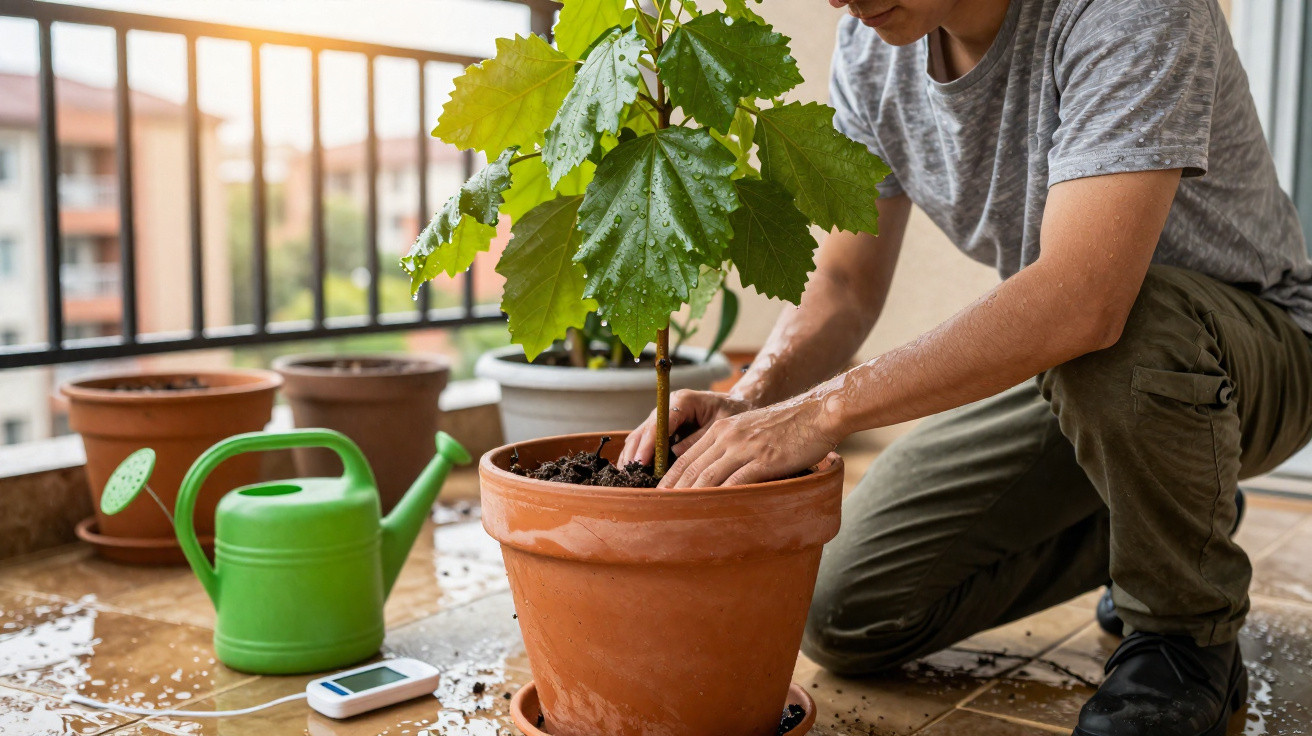
When you’re watching heavy showers hammering down outside the window, it’s tempting to park the watering can and call it a day. Fair enough: rain feels like a free irrigation system, especially in spring when everything is shooting up. The trouble is, that impression is often misleading. Behind wet paths and glossy leaves, the soil right where your favourite plants’ roots sit can still be dry and dusty.
Rain doesn’t automatically mean well-watered beds
How a heavy downpour can become a trap
The familiar scene goes like this: a dark sky, distant rumbles of thunder, a proper soaking - and the reassuring thought, “That’ll do for a few days.” That’s exactly where things start to go wrong. We judge by what’s visible, rather than what’s actually happening below ground.
In a hard downpour, water can hit relatively cool soil that may be compacted or slightly crusted over, bouncing off almost like tiny beads. Instead of soaking in gradually, a large share runs across the surface, pools in low spots, or disappears straight into a drain. The top few centimetres get damp, while the deeper root zone can remain unexpectedly dry.
“What matters isn’t how wet it looks, but how far down the moisture actually penetrates.”
A gentle, steady drizzle over several hours does far more for many plants than a brief storm. Slow, even input gives the soil time to absorb each small amount. Only then do roots in deeper layers get what they truly need: consistent, well-distributed moisture rather than a shallow layer of mud.
Wind: the quiet soil-dryer
Spring wind adds another complication. It can dry the surface quickly again - even after genuinely heavy showers. If you take wet paving joints or shiny patio slabs as your cue, you’ll underestimate how fast the top layer loses water. For gardeners who think in ecological terms, the rule is simple: check first, then water - not the other way round.
When leaves act like umbrellas: the “canopy effect”
Dense foliage blocks rain from reaching the soil
A thriving veg patch or a thick hedge looks wonderful in the rain. Big leaves sway in the breeze and droplets bead and roll off attractively. Unfortunately, many of those droplets don’t land where they’re needed.
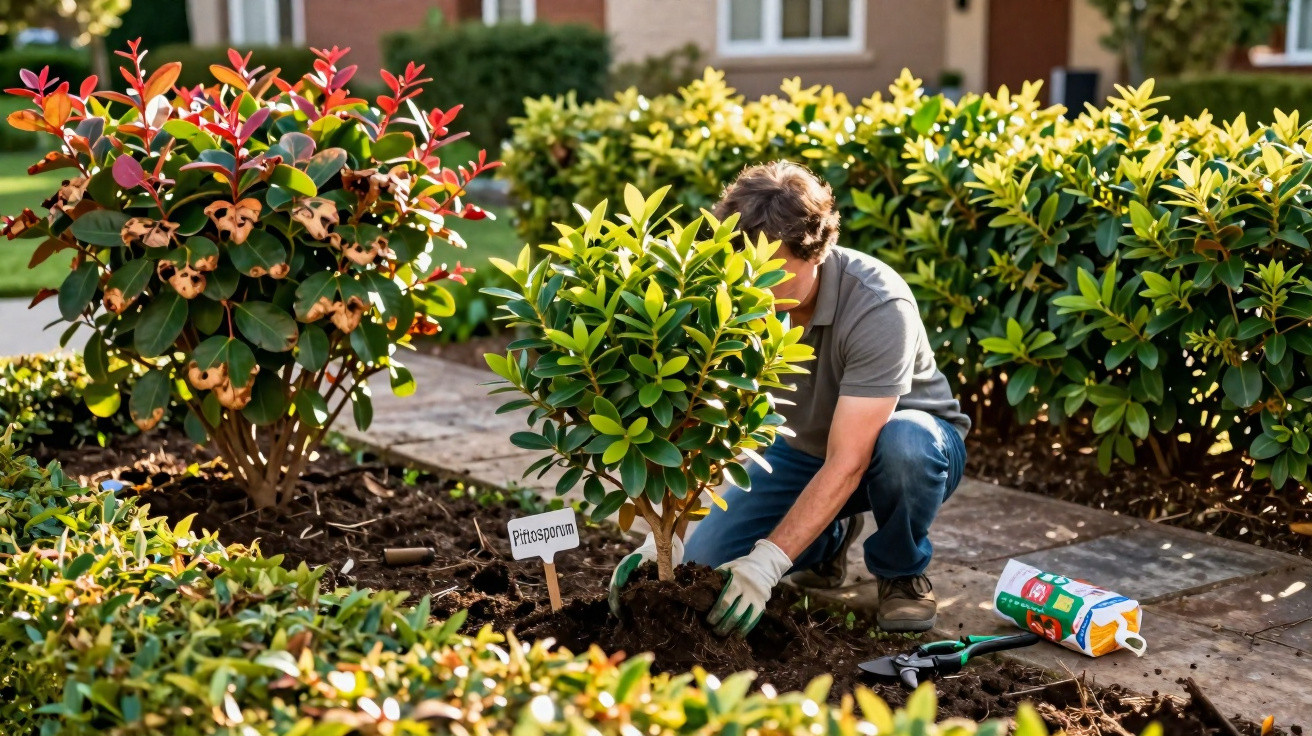
Large leaves on squash, cabbage, hostas, rhododendrons, or other broad-leaved perennials can form a natural roof. Water hits the foliage, runs outward, and drips down around the edge of the planting area. Right in the centre - at the stem or the plant’s base - the soil can stay surprisingly dry.
The bigger and denser the growth, the stronger this effect becomes. By late spring or summer, when plants are in full growth, the area beneath can turn into a genuinely dry inner courtyard.
Hidden dryness at the base of big plants
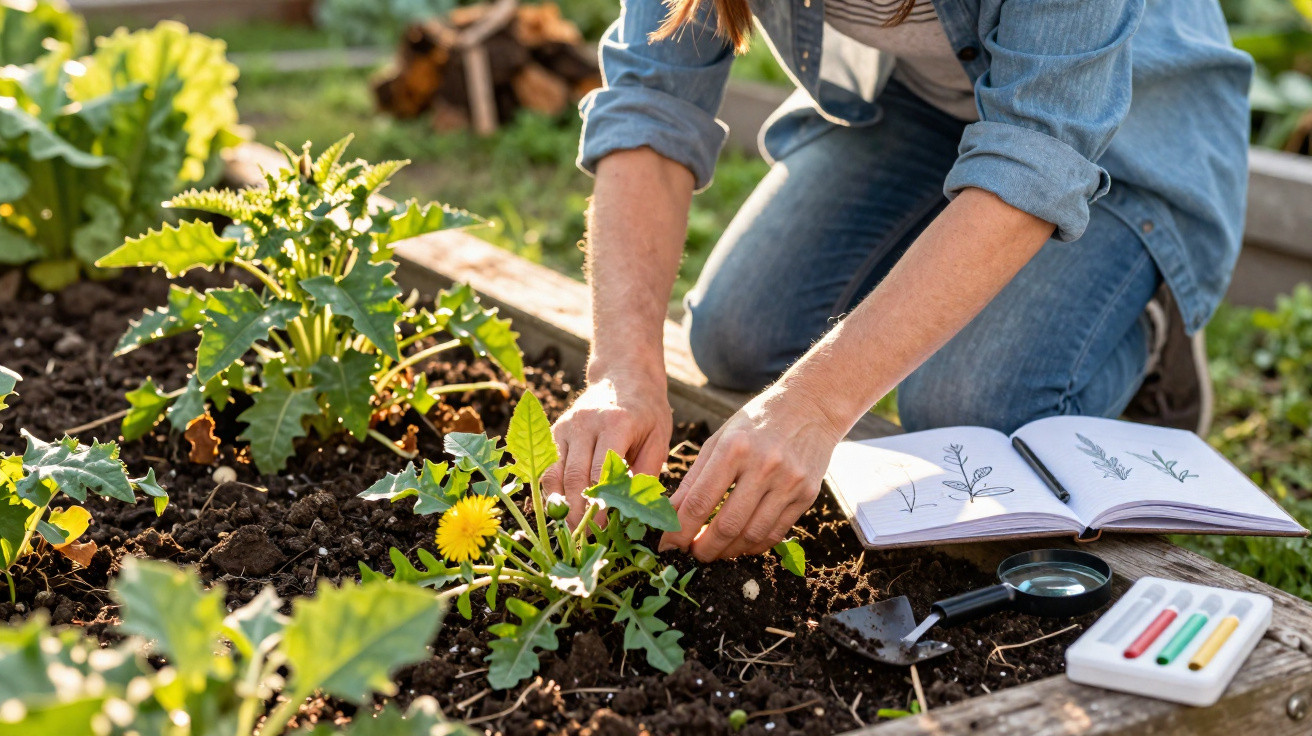
If you get curious after several days of rain and scrape the soil at the foot of a large shrub with your fingers, you’ll often get a surprise: beneath a thin, damp crust sits dusty, crumbly earth. The plant is standing in the rain - yet still suffering from a lack of water.
This is how even tough species that supposedly “can take anything” can slide quietly into stress. They droop less obviously, take on a slightly yellow tinge, or simply stop putting on growth. Because the rest of the garden looks fine, it’s easy to miss until late.
“Anyone who cares for their garden properly checks the ‘shadow zones’ under dense foliage - especially after heavy rain.”
Balcony, terrace, loggia: why potted plants can still be thirsty in the rain
Architecture as invisible rain cover
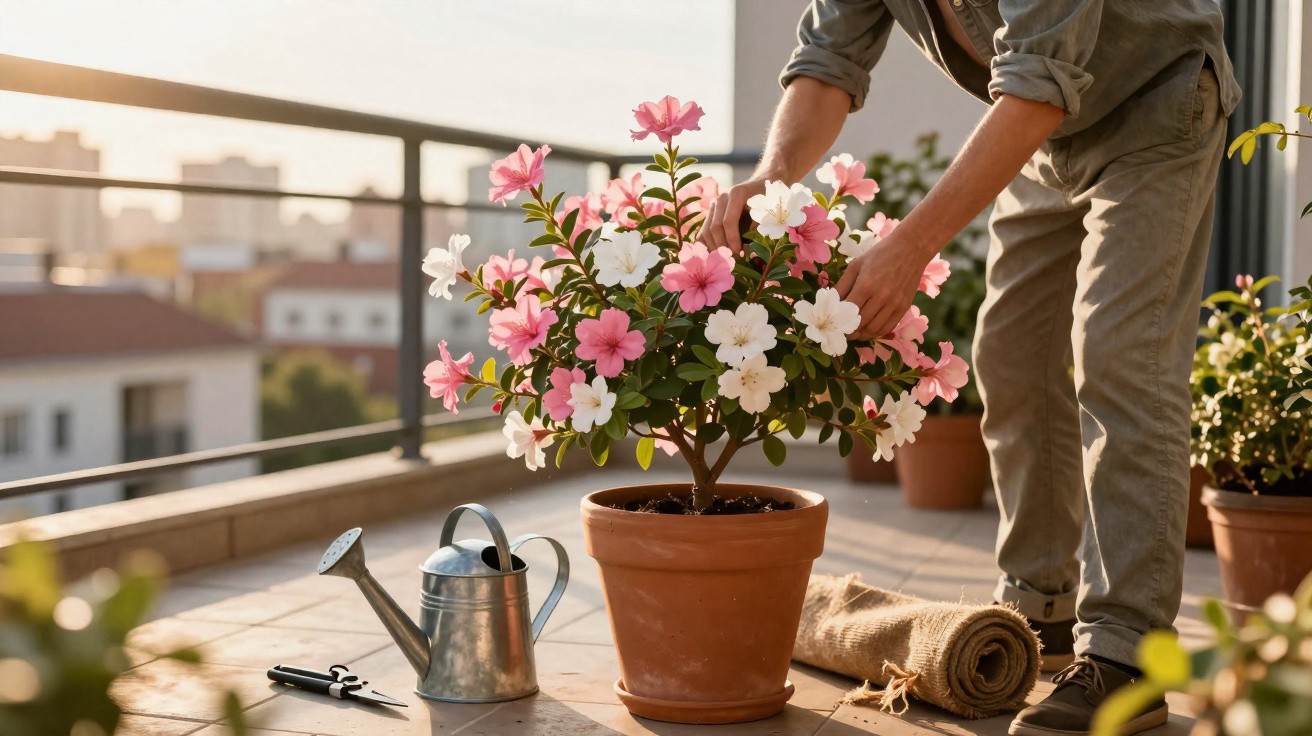
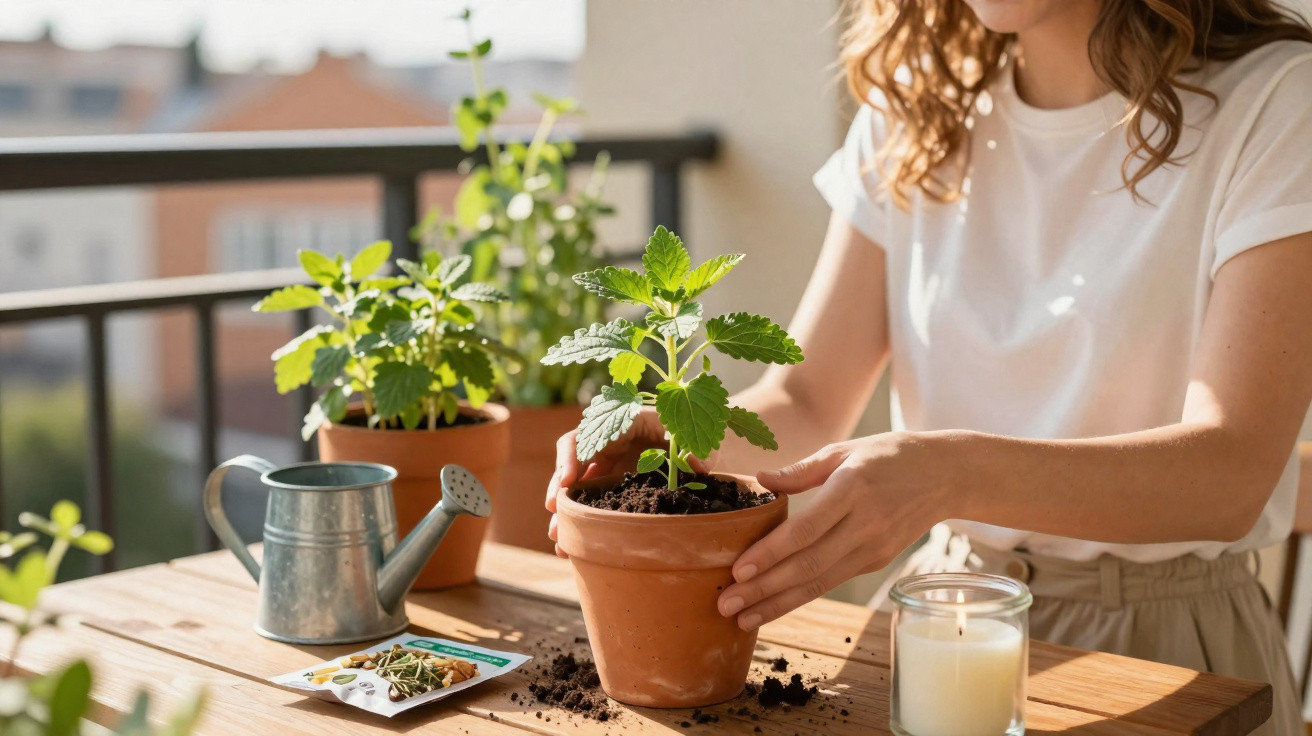
In towns and cities, this issue can be particularly stark. Many balcony owners assume that if it’s raining, the pots will be getting something. Yet overhangs, balconies above, gutters, wall projections and awnings block a large proportion of rainfall.
Rain also rarely falls straight down. Wind pushes it at an angle, carries it away, or drives it past the façade. Your pots may be neatly sheltered right against the wall - and precisely because of that, they receive virtually no water. You can see the rain; your plants can’t.
Why potting compost dries out so quickly
Unlike plants in open ground, container plants depend on a very limited volume. Often it’s only a few litres of compost, which warms up fast and dries rapidly in sun and wind. Roots can’t simply “escape” by growing down into cooler, moister layers.
Even when a light misty shower dampens the surface, it usually isn’t enough. Under a canopy or on a sheltered loggia, the top 1–2 centimetres may feel moist - but below that it can be dry. Wind strips water from the surface while the roots have been signalling distress for some time.
“Potted plants on a balcony or terrace need manual checks - and often targeted watering, even when it’s tipping down outside.”
The simplest method: fingers in the soil, not on your phone
Use the finger test to check what’s really happening
You don’t need a digital gadget. The most reliable check is free and takes seconds: push one or two fingers around 5 centimetres into the soil.
- If the soil feels cool and clearly moist, the plant can wait.
- If it feels warm, crumbly or dusty, it’s time for a proper watering.
- If soil visibly sticks to your fingers, there’s still enough water in there.
With this small habit, you’ll quickly learn which parts of your garden or balcony dry out fastest and which hold moisture for longer. Every plant “speaks” differently - and your fingers translate surprisingly well.
Lift the pot: the weight test for containers and window boxes
For smaller pots and balcony boxes, there’s another straightforward trick: simply lift the container. Do it regularly and you’ll recognise the difference between “fully soaked” and “bone dry” almost instantly.
If the pot feels noticeably lighter, it’s signalling a lack of water - regardless of how wet the balcony floor looks. This simple test not only helps prevent plants from drying out, it also guards against well-meaning overwatering, because too much water can harm roots just as much as too little.
Why watering in the rain can actually be worthwhile
Humid air helps stubborn compost re-wet
Many potting composts become water-repellent over time. They shrink back, develop cracks, and let fresh water rush down the sides instead of soaking in. That’s exactly when it can make sense to reach for the watering can - even though it’s already raining.
In wet weather, humidity is higher and evaporation is lower. Water stays where it’s meant to work for longer. If you water slowly with lukewarm, ideally low-limescale water, you help parched compost absorb moisture again. The water is less likely to race straight through and more likely to penetrate deeper.
Water precisely where rain never reaches
While much of the garden can be supplied from above, certain trouble spots deserve special attention: large perennials with dense foliage, shrubs tight against walls, and containers tucked under overhangs.
Aim the spout directly at the plant’s base. Go slowly, in two or three passes. That gives the soil a better chance to absorb the water without it running off to the sides. Your plants benefit from a kind of “emergency infusion”, even though everything around them looks drenched.
Practical tips for a rain-smart watering plan
- After every heavy shower, check the soil in a few places instead of trusting appearances.
- Pay particular attention beneath large leaves and inside dense shrubs.
- Treat balcony and terrace plants as a special case - shelter often equals dryness.
- Make the finger test and weight test part of your daily routine.
- On rainy days, water severely dried-out pots slowly, in several stages.
What’s behind terms like hydrophobic soil
Many composts contain bark fractions or peat alternatives that repel water when dry. This is referred to as “hydrophobic” soil: water beads up and runs off rather than soaking in. A common sign is watering that quickly streams around the edge of the pot and out of the bottom, while the centre stays dry.
In these situations, it helps to gently loosen the surface, apply water slowly in small portions, or briefly stand the pot in a bucket of water until bubbles stop rising. Rainy spells are particularly useful for this, because the humid air supports rehydration.
The risks of constant rain and persistent wetness
If you’re thinking, “In that case, I’ll just water more rather than less,” that’s not right either. Waterlogging encourages root rot and fungal disease. This is especially risky in heavy, clay-rich soils or in pots without good drainage, where roots can rot and plants can die back.
The ideal pattern is soil that’s thoroughly moistened but still airy, followed by short dry spells. That’s why it always pays to look into the soil - not just up at the sky. If you treat rain as broad background watering and then correct specific areas as needed, you’ll do far better than relying on pure “gut feeling” from the windowsill.


Comments
No comments yet. Be the first to comment!
Leave a Comment