
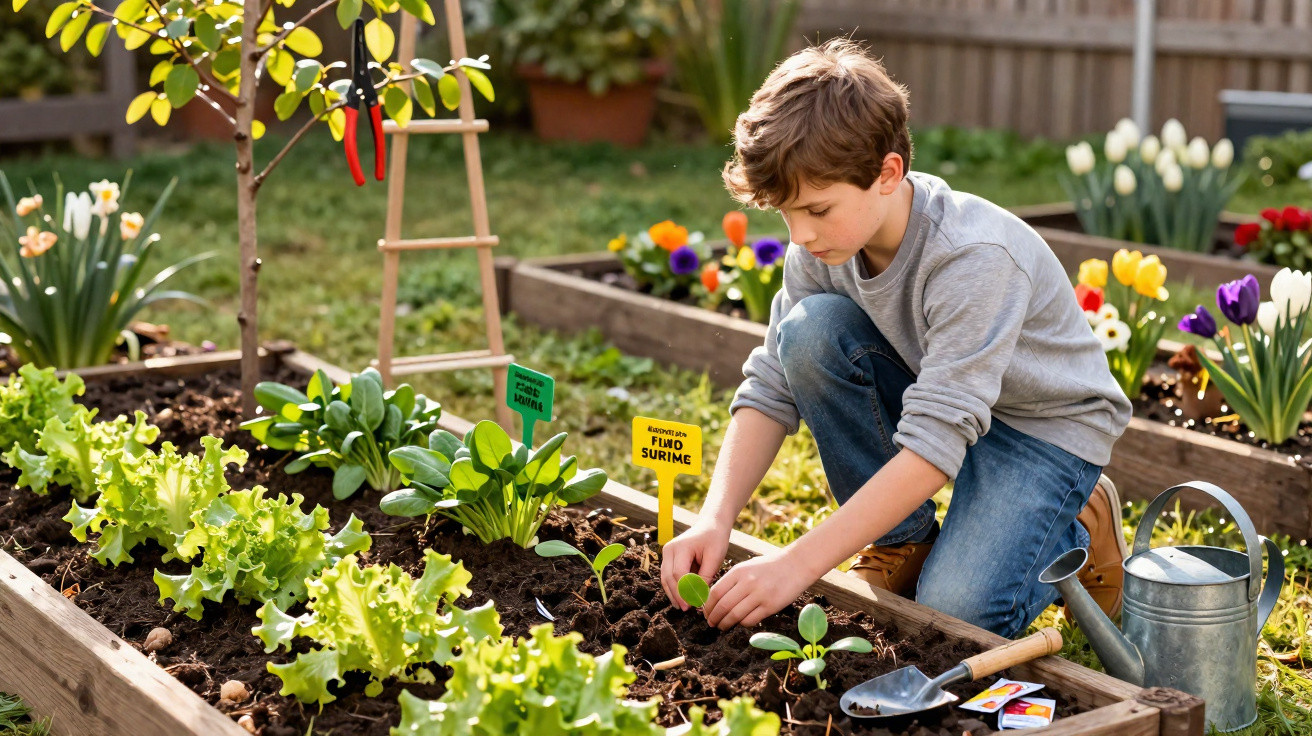
Getting started now gives flower borders, veg patches and fruit trees a real head start. The soil is warming up, the sun is showing itself more often, and the risk of hard frost is easing. This is the point in the year when home gardeners can make smart calls: what can go straight into the ground, what is better started in pots on a bright windowsill, and what is still best left for later.
Why March is the starting gun for the new gardening season
In March, the garden begins to stir. The ground starts to thaw, with rain and sunshine alternating. Many plants take advantage of this window to build strong roots before growth accelerates in late spring.
"If you plant and sow in March, you don’t push harvest and flowering back - you bring them forward."
At the same time, conditions are still fairly mild. That’s kinder to young plants and helps shrubs, perennials and root crops establish well. One key rule: the soil must be neither frozen nor completely waterlogged. A quick check is enough-squeeze a handful of soil; if it turns into a sticky lump, it’s better to wait a little longer.
Flowers for March: colour for the border and the vase
Early-sown cut flowers for summer
If you want to cut generous bouquets from your own garden in summer, March is when you begin. Depending on your local climate and soil, some classic cut flowers can be started under cover now or sown outdoors straight away.
Well-loved options include:
- Marigolds (Tagetes) - tough, long-flowering, and helpful at deterring pests
- Pansies and violas - bring instant colour, even in cool weather
- Cornflowers - great for insects and perfect for a cottage-garden feel
- Sweet pea young plants - ideal on supports and produce strongly scented blooms
In colder areas, it pays to raise more tender varieties first in pots or seed trays, then plant out after the last night frosts. In milder spots, hardier flowers can go directly into the bed.
Planting summer-flowering perennials and shrubs
As well as annuals, March is a good time to strengthen the garden’s framework with shrubs and perennials that get going from early summer onwards.
Popular choices you can plant now include:
- Weigela - a free-flowering ornamental shrub with pink or red blossoms
- Lilies (as bulbs or tubers) - elegant flowers, ideal for perennial borders
- Tuberous begonias - start in pots first, then move outside later
- California lilac (Ceanothus) - a blue haze of flowers, prefers a sunny position
- Hydrangeas - suited to part shade and thrive in humus-rich soil
- Rhododendron - prefers acidic ground; plant best in specialist compost
"These shrubs and perennials are especially happy in March when the soil is loose and moist, but not waterlogged."
Before planting, it’s worth doing a quick soil tidy-up: remove stones, roots and large clods, enrich with compost, and on heavy soils work in a little sand or grit. That way, roots can grow downwards freely and evenly.
Vegetables, fruit and salad: what can go into the ground in March
Sow root crops and brassicas directly
As soil temperatures begin to rise, the first vegetables can start outdoors. A useful rule of thumb: once weeds are visibly growing again, sowing conditions are usually good.
In March, you can sow the following, for example:
- Carrots - need loose, stone-free soil for straight roots
- Beetroot - reliable and versatile in the kitchen
- Parsnips - a long season, so it’s best to begin early
- Swedes or turnips - robust and store well
- White cabbage, red cabbage, savoy cabbage - depending on your area, start under horticultural fleece or in a cold frame
- Broccoli and cauliflower - either into a sheltered bed or into seed trays
- Kale - a long crop, but very tolerant of cold
For brassicas, starting plants in pots is often worthwhile, particularly in exposed or colder locations. If space is tight, you can slot young plants into gaps later instead of keeping whole rows empty.
Get legumes and alliums going
Peas and broad beans cope well with cool conditions and can be sown outside in March. Onions can be grown either from onion sets or from seed.
| Plant | Start in March | Note |
|---|---|---|
| Peas | Direct sow | Plan a support; don’t make the drill too deep |
| Broad beans | Direct sow or start under cover | Tolerate cold well, but dislike waterlogging |
| Onions | Plant onion sets | Pointed end up; don’t push in too deeply |
| Spring onions | Direct sow | Sow thickly, then thin out later |
Lettuce, spinach and more: fresh leaves from the cold frame
From mid- to late March, early lettuces and leafy greens can go into the soil. In mild areas this can be outdoors; elsewhere, use a polytunnel or a cold frame.
Good choices to start with include:
- Cos lettuce, loose-leaf lettuce, cut-and-come-again lettuce
- Spinach
- Mustard greens
- Lamb’s lettuce (still possible in cooler areas)
- Chillies and peppers (must be started indoors)
- Tomatoes (windowsill only, or in a heated greenhouse)
"Chillies and tomatoes started warm in March repay you with earlier flowering and a noticeably longer picking season."
For these warmth-loving plants: sow into small pots or plug trays, keep them as bright as possible, and maintain 18 to 22°C. Avoid waterlogging, but don’t let the compost dry out either.
Fruit gardens in March: finish pruning and get planting
If you have apple or pear trees, March acts as a kind of “deadline”: any final pruning should be completed by now, before the buds properly burst. Pruning lets more light into the centre of the crown and helps reduce disease.
It’s also a good moment to think about soft fruit:
- Container-grown redcurrants, gooseberries and raspberries are very easy to plant in March.
- They usually put on strong growth in the same year and often produce their first fruit.
- When planting, work in plenty of compost and water thoroughly.
Strawberries can be planted now as well. Hanging containers or raised beds are particularly handy because slugs have fewer opportunities. Extra deterrents such as sheep’s wool rings or copper tape can significantly reduce feeding damage.
Gardening in a changing climate: helping March cope with heat and heavy rain
Data shows that spring is warming faster than other seasons in many places. That can mean earlier growth, more late frosts with the potential to cause damage, and sharper swings between very wet and very dry spells.
"If you help your garden store water instead of letting it run off, you protect beds in both drought and heavy rain."
A few straightforward steps make a difference:
- Mulch layers of leaves, grass clippings or chipped material keep moisture in the soil for longer.
- Collect rainwater in water butts or a cistern to reduce mains use and provide low-limescale water for watering.
- Raised beds or slightly lifted beds improve drainage during downpours.
- Deep-rooted plants such as perennials and shrubs cope with dry periods better than areas dominated by lawn.
So, when planting new things, it’s worth thinking beyond colour and yield to how a plant handles heat, drought and heavy rain. Many classic garden plants are now available in more resilient varieties that deal better with variable conditions.
In March, plan ahead for April and the autumn harvest
Gardening runs on momentum. While the first seeds are going into the ground in March, you can also map out April. By then the soil will be warmer and the list of options widens: more herbs, more heat-loving crops and sunflowers.
A few ideas for what to do next:
- Prepare the herb garden - loosen beds in March, then plant basil, parsley, chives and more in April.
- Start pumpkins, courgettes and sunflowers in late March/early April so they crop in late summer and early autumn.
- Draw up planting plans to support companion planting and crop rotation, for example: beans after cabbages, lettuce between tomatoes.
Putting a bit of time into planning and early sowing this month means far less stress later-and noticeably more to harvest. March can look grey from the outside, but the most important work is already happening underground. Right now, you’re shaping how lively your garden will be in summer and autumn.

Comments
No comments yet. Be the first to comment!
Leave a Comment