
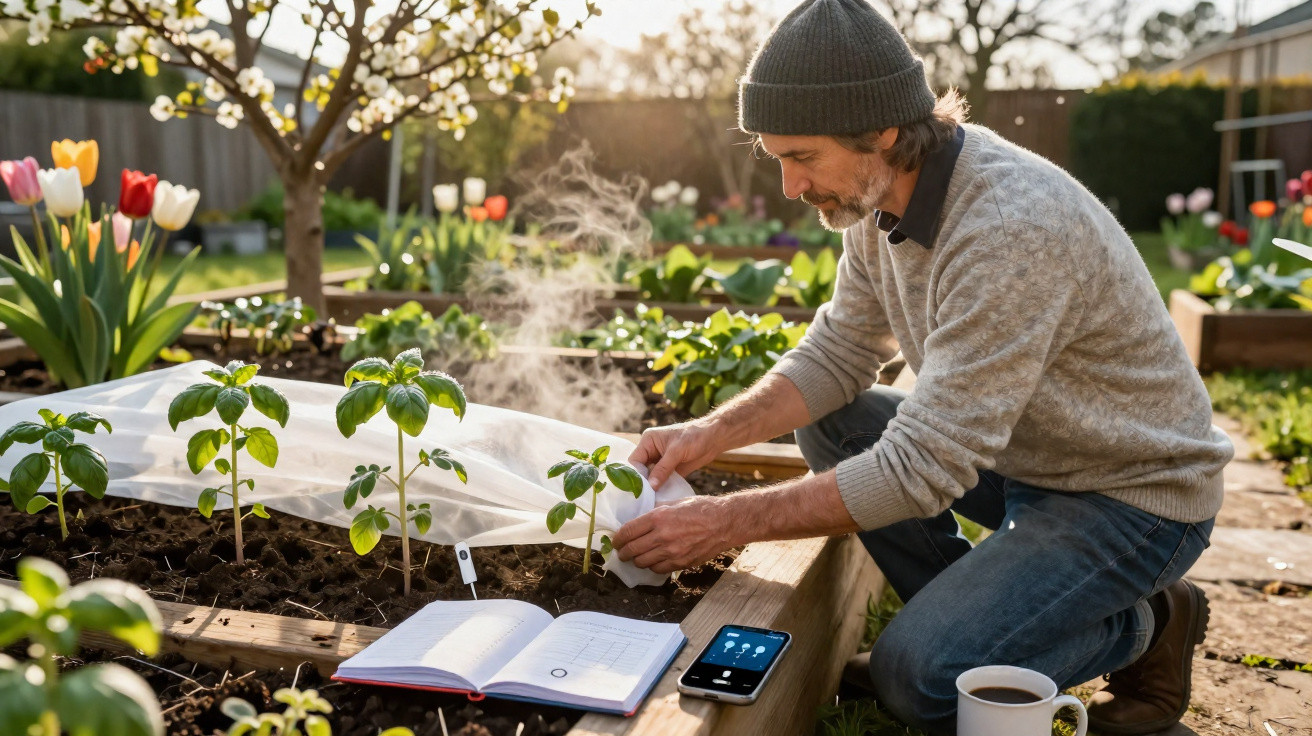
Spring is in full swing: garden centres are packed, and seedlings are jostling for space on windowsills. Yet one anxious question remains: when is it truly safe to move tender plants outdoors without a single frosty night undoing all your work? For many people, the so‑called “Ice Saints” offer a rule of thumb - but a look at the 2026 dates shows that anyone who follows them blindly could suffer painful losses in the beds.
What’s really behind the May “ice days”
For centuries, farmers across Central Europe have noted a distinct wobble in spring weather: after a run of mild weeks, a colder spell often arrives again in early to mid‑May. Out of that lived experience came named days in the calendar - known popularly as the “Ice Saints” - essentially an old farming method for managing risk.
The Church later tied the memory of these striking cold snaps to fixed feast days for particular saints. That created a recognised window when late night frosts were expected, and when sensitive plants were best protected or kept indoors. Over generations, sayings and rhymes helped these dates stick in rural memory.
“Many gardeners still use the ‘cold saints’ as their guide - but the climate has changed, and the calendar hasn’t.”
Modern weather records make it clear that the idea of a neat May “frost switch” is too simplistic. The feast days are better treated as a general warning band rather than a strict cut‑off. Keeping that in mind makes it far easier to plan your garden with fewer nasty surprises.
The 2026 dates: when the critical days fall in the calendar
The feast days themselves, of course, do not move. In 2026, the classic three cold saints fall on:
- Monday, 11 May: Mamertus
- Tuesday, 12 May: Pancras
- Wednesday, 13 May: Servatius
In many areas, additional names have become common over time, effectively extending the risky period later into May. Wine‑growing regions, in particular, pay close attention because a late frost can wipe out an entire vintage. Frequently mentioned additions include Boniface on 14 May, Sophia on 15 May, Ivo on 19 May and Urban on 25 May.
In day‑to‑day practice, that leaves many gardeners working with a “risk corridor” from roughly 11 to 25 May, watching forecasts far more closely during that stretch. Experience suggests that clear nights with cold air pushing down from the north can land in exactly this phase - but they do not have to.
Why checking the climate statistics is worth it
Weather services that analyse long measurement series paint a much more nuanced picture. In many lower‑lying areas, the last night with temperatures below 0°C has fallen after 13 May in roughly two out of three years over recent decades. Put another way: in most years, the final true frost arrived later than the best‑known three names would suggest.
Some towns have even recorded nights with ground frost right up to the end of May, and occasionally into early June. The apparent contradiction is this: climate change has, on average, brought milder winters and an earlier start to the growing season, but it has not made late cold snaps impossible or reliably rarer. Instead, they occur more irregularly - and can be more surprising when they do hit.
“If you’re planning your garden today, you should know the old calendar days - and cross‑check them with an app, an online forecast and local experience.”
How hobby gardeners can plan vegetable beds wisely in 2026
The key principle for 2026 is the same as every year: do not treat all plants alike. Some crops are tough enough to cope with cool nights, while real frost divas can sulk at temperatures only just above 0°C.
What can go into the ground relatively safely before mid‑May
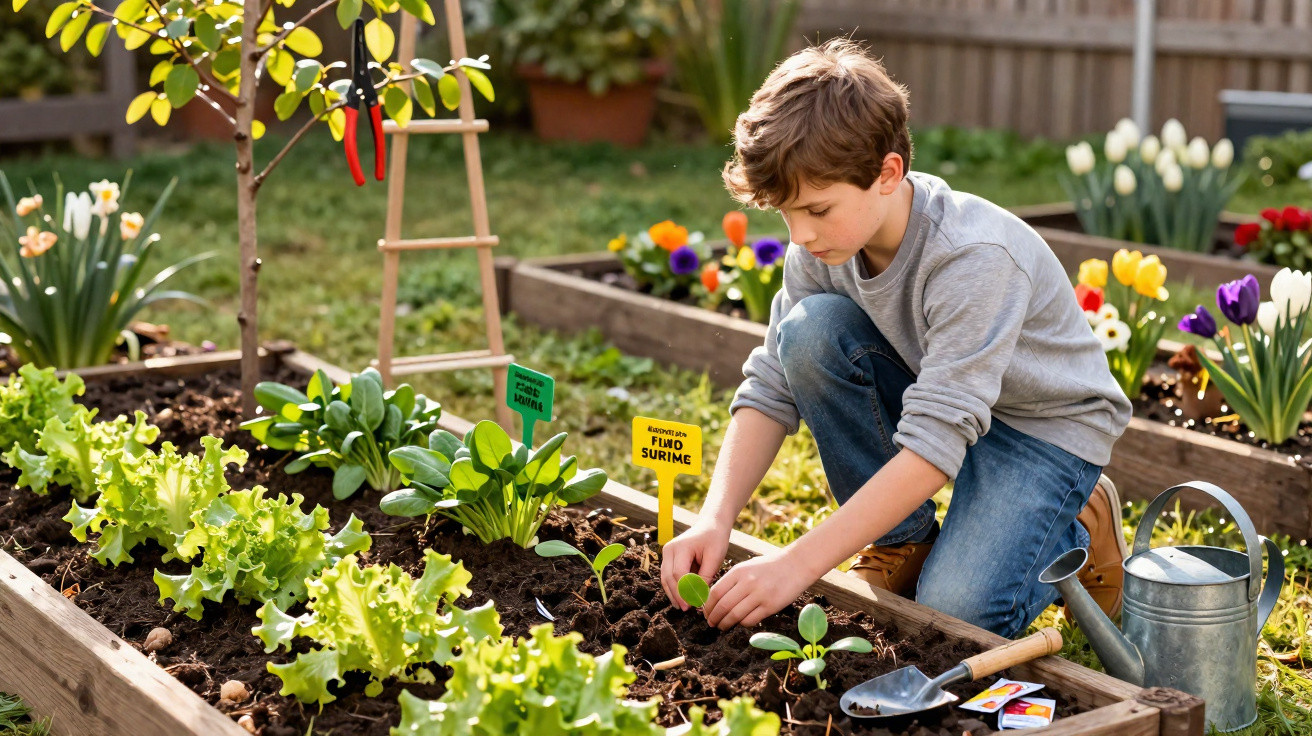
Even before 11 May 2026, plenty of hardy vegetables can be planted out or sown directly outdoors. These include, for example:
- carrots, parsnips, beetroot
- peas and mangetout
- radishes and mooli (white radish)
- onion sets and leeks
- leafy salads such as butterhead lettuce and cut‑and‑come‑again leaves
- spinach and chard
- potatoes (early and second‑early)
Many ornamentals for balconies and front gardens are also considered fairly unfussy. Typical examples include pansies, primroses, forget‑me‑nots and a wide range of perennials. Among herbs, parsley, chives, oregano, thyme and mint generally cope well with brisk nights.
“Hardy crops get the garden moving early - even if a cold night interrupts later on.”
These plants are better left until after the risky days
More sensitive vegetables can react to even small cold spells with stalled growth, leaf damage or, in the worst case, complete failure. To avoid frustration, it is best to wait until at least the second half of May and follow the forecast closely. This applies especially to:
- tomatoes
- courgettes and other squashes
- aubergines
- peppers and chillies
- cucumbers and melons
- basil and other heat‑loving herbs
Many home growers pot these up into larger containers first, putting them outside during the day but bringing them indoors at night - into the house, a hallway, or a sheltered greenhouse. That gradual hardening‑off helps them adapt, while still allowing you to whisk them to safety quickly if a cold snap suddenly appears.
Practical protection measures for frost‑prone nights
If you want to play it safe in 2026, a few simple tools go a long way. Small actions can determine the fate of an entire bed. Common options include:
- Horticultural fleece or plastic: a light covering over beds or containers holds a little warmth and helps protect against ground frost.
- Mini tunnels or cold‑frame tops: ideal for rows of lettuce or young plants that need a buffer against the cold.
- Keep containers movable: tender plants in pots can be shifted quickly to a house wall or into a garage when frost is forecast.
- Set out water containers: filled canisters absorb heat in the daytime and release it slowly overnight.
- Water later rather than earlier: moist soil retains warmth better than soil that has dried right out.
“If you keep fleece and plant pots within reach, you can soften even unexpected cold snaps - without starting from scratch every year.”
How gardeners combine old rules with new data
Over time, many experienced gardeners develop a sharp feel for their own microclimate. A hillside plot in upland country behaves differently from a small city garden surrounded by dense buildings. Frost pockets, exposed windy sites or sheltered courtyards - all of these change how harsh a cold night really becomes.
Rather than relying on calendar lore alone, it helps to keep a simple garden diary. Note the date of the last frost night, when tomatoes went out, the first harvest, and any standout weather events. After only a few years, you build a highly local picture that is more useful than any general saying.
Terms gardeners should know
Around the critical days in May, forecasts often use phrases that are easy to underestimate. Three are especially important:
| Term | What it means for the garden |
|---|---|
| Air frost | Temperature at two metres above ground below 0°C - clearly dangerous for unprotected plants. |
| Ground frost | Below 0°C only at ground level, while chest height often stays slightly above - seedlings and blossoms can still be damaged. |
| Late frost | Frost after spring growth has begun - particularly risky because plants are already actively growing. |
Ground frost, in particular, is often missed because a thermometer by the house still shows positive temperatures. Shallow beds and containers are then affected more directly than taller shrubs.
Why patience in May is often the best strategy
The urge to get tomatoes and similar crops outside as early as possible is understandable. Every year, the internet fills with photos of huge plants already thriving in May. But if you garden in a typical location without a heated greenhouse, restraint usually pays. A strong young plant set out in mid‑ or late May often catches up with - and frequently outperforms at harvest time - a weaker plant stressed by cold.
For 2026, it is therefore especially sensible to treat the classic cold saints as a reminder rather than a rigid boundary. If you use hardy crops to start early, prepare tender plants carefully, and protect them promptly when cold is likely, you will get far more from your garden than someone relying on luck and tradition alone.

Comments
No comments yet. Be the first to comment!
Leave a Comment