
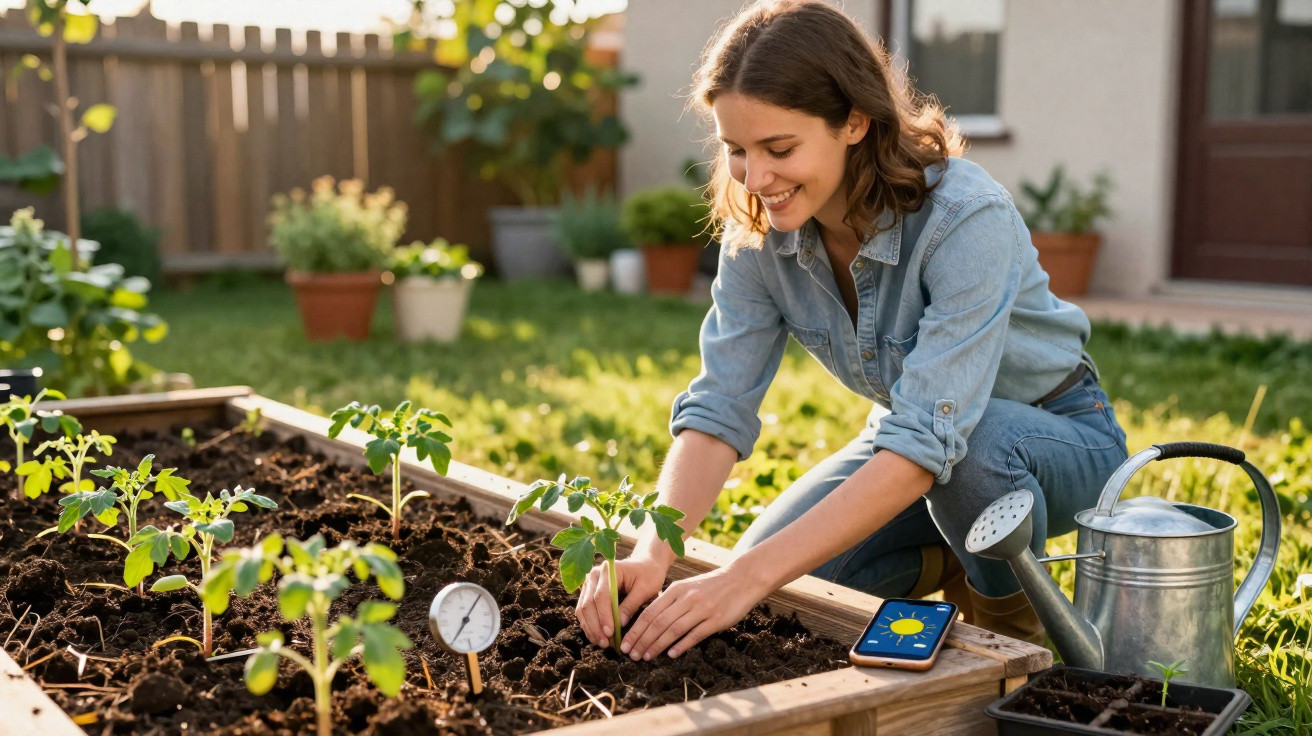
Chapo: A lot of garden lovers put their tomato plants into the ground far too early - and later wonder why they end up with weak growth or even a complete wipe-out.
Anyone who has ever eaten a sun-warmed tomato straight from their own garden knows the difference: compared with that fragrance and flavour, supermarket tomatoes can taste like cardboard. If you want to get to that point, one factor matters more than any variety or supposed “secret trick”: choosing the right moment to sow and to plant out.
Why the right date makes all the difference for tomatoes
Tomatoes come from warm climates and really do not tolerate frost. Even a slight dip below zero can ruin an entire planting. At the same time, they need many weeks of adequate warmth and light to set flowers and to ripen fruit properly.
Planted too early, tomatoes freeze. Planted too late, they don’t have time to ripen.
So if you follow the calendar without thinking, frustration is never far away. What matters is how three things line up: the last frost, overnight temperatures, and soil temperature. Only when these factors work together is it truly time.
The best time to sow indoors
Experienced growers recommend raising tomatoes indoors first. That gives you sturdy plants far earlier than sowing straight into a bed outside.
The 6–8 week rule
A straightforward rule of thumb makes planning easier: sow tomatoes indoors 6 to 8 weeks before the expected date of the last frost. That window is usually long enough for robust young plants with several leaves to form - without them becoming leggy (thin and overly tall).
- Last frost mid-May → sow from mid to late March
- Mild city spot in lowland areas → sowing is often possible as early as the beginning of March
- Cooler locations / higher ground → it’s better to wait until late March or early April
Important: seedlings need plenty of light, but they don’t need blazing midday sun through glass at first. A bright windowsill or a grow light set back a little is sufficient.
When tomatoes can go outside
This is where patience becomes the most important gardening virtue. A sunny weekend in April can easily distract from the risks still waiting overnight.
Night-time temperatures are the signal
Tomatoes should only go outside once nights remain reliably mild. Useful guidelines are:
- Night-time temperatures consistently above 10 °C
- Soil temperature between 12 and 16 °C
- No night frost forecast for at least 10 to 14 days
In many regions across the German-speaking world, a traditional date is central here: the Ice Saints in mid-May. After those days, the risk of frost in lowland areas is usually much lower.
If you only put tomatoes outdoors after the Ice Saints, you’re on the safe side in most places.
In wine-growing areas or very sheltered city spots you can begin a little earlier; in upland and Alpine regions, it’s generally wiser to wait longer.
The ideal spot: sun, warmth and shelter
Even the perfect timing won’t help much if the location is wrong. Tomatoes thrive in warm, protected places with plenty of sunshine.
At least six hours of sun per day
For truly flavoursome fruit, tomatoes need lots of light. A south or south-west aspect is ideal, for example:
- A house wall by a south-facing terrace
- A south-facing balcony
- An open bed with minimal shade from trees or walls
In areas with very hot summers, a light shade cloth can be helpful during intense midday heat, particularly for container plants. It prevents leaf scorch and helps the compost dry out less quickly.
Bed or container - where tomatoes prefer to grow
If your garden has heavy, cold clay soils, tomatoes can be difficult. In that situation, raised beds or large pots are often much easier to manage.
How much compost a tomato needs
Tomatoes are heavy feeders and develop strong roots. For decent yields, each plant needs a generous volume of growing medium:
| Option | Recommended volume per plant |
|---|---|
| Large container / builder’s mixing tub | 40–60 litres |
| Raised bed | Plan a similar volume per planting position |
| Open ground bed | Well-loosened, deep soil |
Large containers have a clear advantage: the compost warms up faster than open ground while still holding moisture for longer. That means the plant gets going earlier in the season and suffers less in heat and dry spells.
Spacing, varieties and supports
Tomatoes don’t all grow the same way: some stay compact, others climb upwards like vines. Depending on the growth habit, they need more or less room.
How much space tomatoes really need
- Bush and compact varieties: around 60 cm between plants
- Tall cordon tomatoes: at least 80–90 cm between plants
- If you plant very closely: pinch out the lower side shoots consistently
Nearly all tomatoes benefit from support. Canes, spiral stakes, or sturdy tomato cages keep stems upright and fruit off the soil. Outdoors, this also reduces the risk of fungal disease because leaves and fruit dry more quickly.
The right watering in summer
Tomatoes prefer steady moisture, but not waterlogging. Too much water encourages fungal problems; too little can lead to tough fruit that splits.
A simple finger test
You can tell whether watering is needed without any gadget:
- Push a finger 3–4 cm into the soil
- If it feels dry → water
- If it’s still clearly moist → wait
In high summer, a thick mulch layer of straw, grass clippings, or shredded material around the plant can help. It keeps moisture in the soil for longer and keeps roots pleasantly cool.
Rule: water less often, but thoroughly - ideally in the morning.
If you grow a lot of tomatoes, a simple drip line or an adjustable soaker hose can save a great deal of time. The water goes straight to the roots and the leaves stay dry.
Why weather apps are worth their weight in gold for tomato growers
In the past, gardeners relied on folk wisdom and intuition; today, weather apps with hourly forecasts are a helpful extra tool. Checking the upcoming nights closely can prevent plenty of damage.
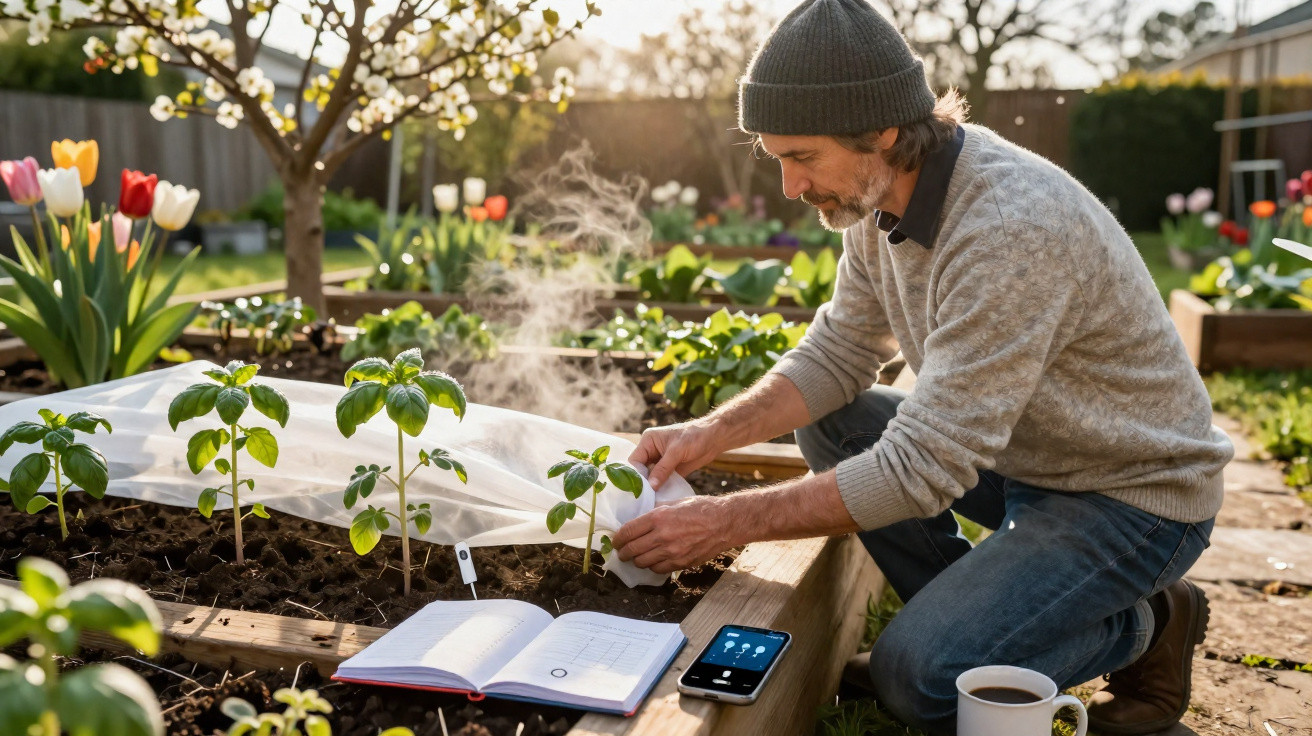
Sudden cold snaps in May or June hit tomatoes hard. If you spot a temperature drop in time, you can act: move pots indoors for a short period, cover beds with horticultural fleece, or close tomato shelters. Even simple steps can save the entire crop when it matters.
Pairing tomatoes cleverly with other crops
In beds, tomatoes do well with neighbours that like similar sun and watering conditions but don’t crowd them out. Good companions include:
- Lettuce, which shades the soil between tomato plants
- Basil, often said to enhance flavour
- Onions or garlic, which are less attractive to certain pests
Less suitable are other heavy feeders such as potatoes or aubergines right next door. They compete for nutrients, and diseases can spread more easily between them.
Why waiting really pays off with tomatoes
The biggest spring trap is impatience: a few warm days, garden centres packed with young plants - and suddenly the first tomato is in the bed by the end of April. All too often, that ends badly with the next frosty night.
If you plan your sowing well, keep an eye on the last-frost timing, and only move plants outside once night-time temperatures are reliably mild, you’re usually rewarded. Strong growth, early flowers, evenly coloured fruit with intense aroma - the difference compared with rushed, weakened plants is huge.
Ultimately, the ideal timing depends less on a fixed date and more on attentive observation, a few degrees Celsius, and the willingness to wait an extra week or two if needed. With tomatoes in particular, that small amount of patience often decides the flavour of the whole summer.

Comments
No comments yet. Be the first to comment!
Leave a Comment