
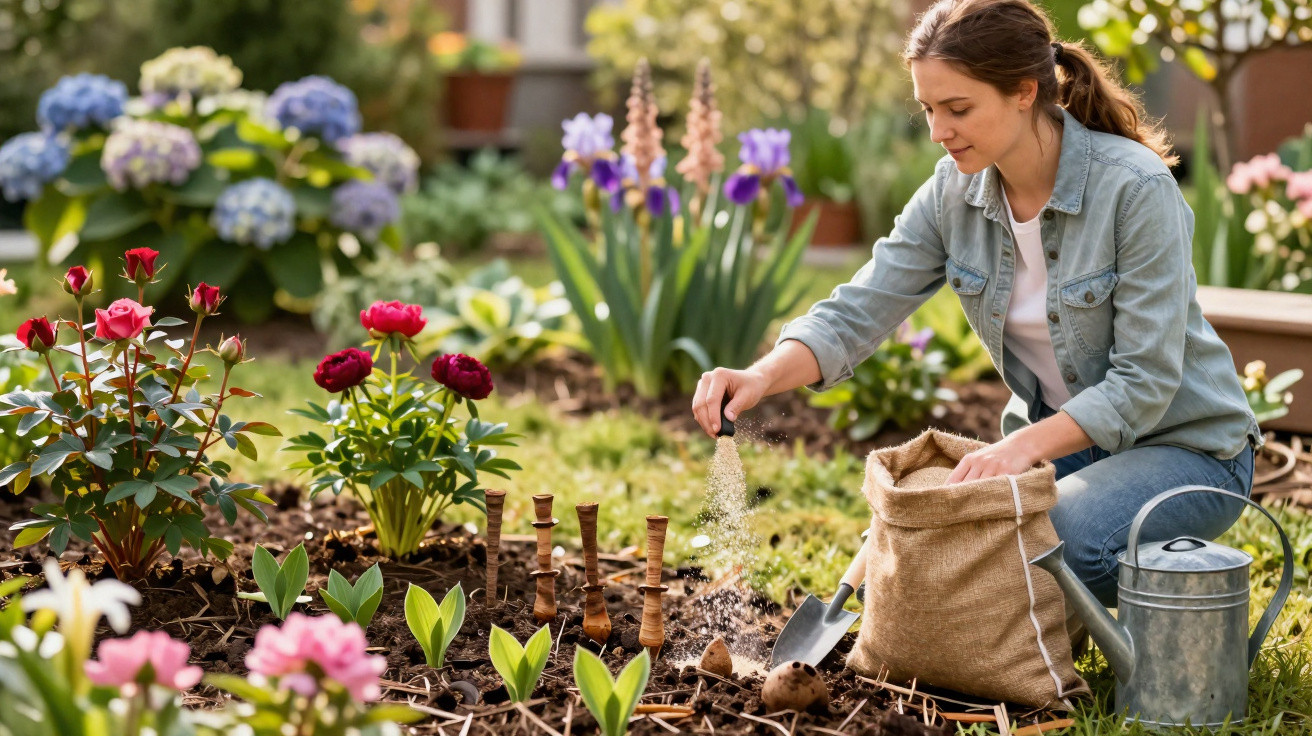
Many hobby gardeners find themselves in May staring at beds with only a few flowers and blaming the weather. In reality, the crucial moment was missed weeks earlier: using the right fertiliser at the right time. Perennials in particular need a targeted boost in March so they can build enough energy for buds, blooms and sturdy new growth.
Why March is the most strategic month for perennials
After winter, the ground begins to thaw, and the soil becomes looser and more free-draining again. That is exactly when perennial roots start actively hunting for food. In early spring they absorb nutrients far more efficiently than in high summer, when the soil is often dry, compacted and hard.
"If you apply an organic or slow-release fertiliser in March, you set things up for strong plants and abundant flowers – without constantly having to rely on liquid feed."
As soon as the soil is no longer frozen, gardeners can begin-depending on where you live, this is typically from late February to early April. The best conditions are when the ground is slightly damp but not waterlogged. That way, the fertiliser spreads through the root zone properly rather than being washed away.
The 11 perennials that absolutely need feeding in March
Most perennials benefit from a spring feed, of course. With these eleven, however, the difference is often especially noticeable-sometimes even within the same growing season.
1. Roses: a classic with a big appetite
Roses are consistently hungry plants. After pruning in late winter or early spring, feeding straight away is ideal. A balanced rose fertiliser at around 10-10-10 or 12-12-12 (N-P-K) supplies what they need for fresh shoots and flower buds.
- Sprinkle the fertiliser in a ring around the plant, not right up against the crown
- Lightly work it in, then water well
- Be particularly consistent with bed roses and hybrid teas, as they are expected to flower heavily
2. Peonies: little patience, but the right care
Peonies often stay in the same spot for decades. A small feed in March is repaid with larger, fuller blooms. A thin layer of compost plus a moderate organic all-purpose fertiliser is usually enough.
Important: do not dig it in too deeply, as the buds are easily damaged. If peonies are overfed year after year, you risk lots of leaves and fewer flowers.
3. Dahlias: flower power with a focus on tubers
Dahlias are sensitive to frost and in many gardens are planted later, but where tubers are already overwintering in the ground, an early application in March is worthwhile. They do best with a mix that is low in nitrogen and higher in phosphorus and potassium, such as 5-10-10.
"More phosphorus and potassium means: less lush, sappy foliage, more flowers and sturdier stems."
4. Delphinium: tall growth, high demand
Delphinium shoots up quickly. Without enough nutrients, stems are more likely to flop and the flower spikes can remain disappointing. A balanced flowering-plant fertiliser in March helps those delicate new shoots become real showstoppers.
5. Phlox: fragrance only comes with a nutrient base
Phlox paniculata is famous for scent and vibrant colour. It prefers rich soil and responds immediately to spring feeding. A fertiliser similar to what you would use for roses works well, plus a thin topping of well-rotted compost.
6. Tickseed (Coreopsis): long flowering, real expectations
Coreopsis does not produce carpets of yellow blooms by chance. The plants build their flowering strength in spring. A light all-purpose fertiliser in March is usually sufficient, and then they get going and flower for weeks.
7. Bearded iris: the diva prefers flowers to leaves
Bearded iris (Iris barbata) reacts badly to too much nitrogen. You get plenty of soft foliage but not many blooms. A better choice is a phosphorus- and potassium-leaning fertiliser (roughly 5-10-10), applied sparingly.
Rhizomes should sit exposed and sunny. So do not bury them under bark mulch or thick compost; instead, work a little fertiliser very lightly into the surrounding soil.
8. Hostas: shade stars with a steady hunger
Hostas may look tough, but their strength comes from humus-rich soil. A combination of compost and a slow-release fertiliser in March is often enough for the entire year. This supports large, healthy leaves, and robust plants are less attractive to slugs than weakened ones.
9. Daylilies (Hemerocallis): a new flower almost every day
Daylilies often open fresh blooms daily in summer. That performance takes energy. They appreciate a March feed with slightly more phosphorus and potassium, plus a second, very modest top-up in summer.
"If you only feed daylilies in spring, you avoid lush, sappy foliage and keep plants vigorous but stable."
10. Hydrangeas: blue varieties are the most demanding
Hydrangeas react strongly to soil pH and overall composition. Blue varieties in particular hold their colour better in slightly acidic conditions and with a fertiliser that is low in phosphorus (for example 12-4-8).
In March, scatter the fertiliser broadly under the canopy, lightly rake it in and water thoroughly. Never apply granules to bone-dry soil-there is a risk of scorching the roots.
11. Astilbes: plumes of flowers for shade
Astilbes are often considered real nutrient guzzlers. Without feeding, they stay shorter and flower poorly. The best approach is a balanced fertiliser in spring plus a second application in autumn. Combined with plenty of leaf mould or compost mulch, the soil and the plants stay in good condition long-term.
How to apply fertiliser correctly in March
For these 11 perennial types to truly benefit, the product matters-but so does the method. A few rules of thumb make a big difference:
- Loosen the soil slightly before feeding (with a hand hoe or cultivator)
- Never tip fertiliser directly onto the crown or the base of stems
- Distribute nutrients in a ring across the root zone
- Always water afterwards so the granules dissolve
- Do not fertilise when the soil is frozen or dust-dry
"Keep your hands off quick fixes: highly concentrated fertiliser on dry soil burns roots and only pushes soft, disease-prone growth."
Weeds in March: nuisance or free fertiliser?
In spring, it is not only perennials that start growing-so do weeds. In March their roots are still shallow, so many beds can be weeded by hand without much effort. That frees up space, light and nutrients for the plants you actually want.
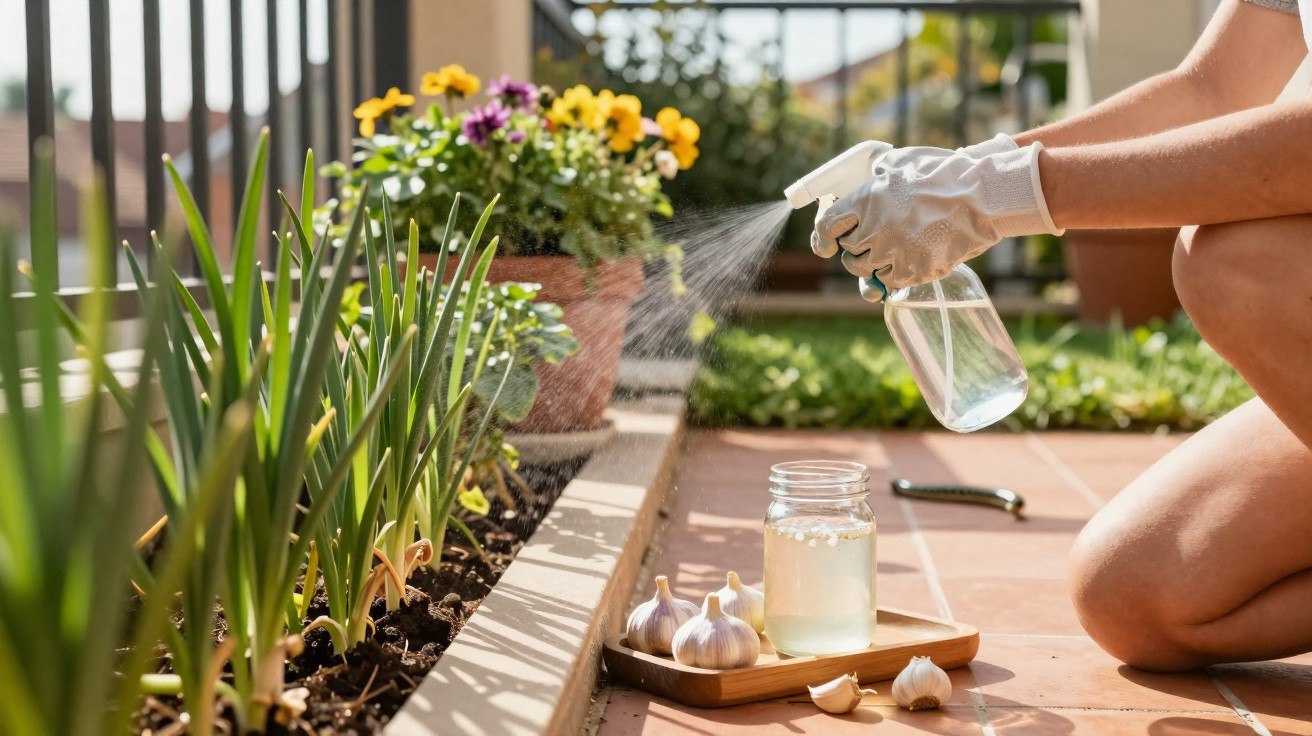
It gets interesting if you do not simply throw the weeds away, but use them. Young wild plants can be turned into a simple plant brew:
- Put freshly pulled weeds (without seed heads) into a bucket
- Top up with water and leave for several weeks until it smells strong
- Strain the liquid and dilute roughly 1 part brew to 10 parts water
- Apply around the root zone of perennials every two weeks
This brew does not replace a balanced fertiliser, but it can reinforce spring feeding and, above all, return trace elements to the soil.
Organic, mineral, slow-release: which fertiliser suits your perennials?
Standing in front of a garden-centre shelf can feel overwhelming. In practice, the main options fall into three simple categories:
| Fertiliser type | Advantages | Suitable for |
|---|---|---|
| Organic fertiliser (e.g. horn shavings, compost) | Slow release, improves soil structure | Roses, peonies, hostas, astilbes |
| Mineral all-purpose fertiliser | Fast-acting, precisely measurable | Delphinium, phlox, coreopsis, dahlias |
| Slow-release / controlled-release fertiliser | Works for months, less effort | Hostas, hydrangeas, large perennial borders |
A smart approach is to create a base in March with compost and an organic fertiliser, then add small mineral top-ups for especially hungry plants such as dahlias or astilbes.
Common spring-feeding mistakes – and how to avoid them
The same problems crop up in gardening groups every year. Three in particular are responsible for a lot of disappointment:
- Too much fertiliser in one go: plants respond with soft shoots that are more prone to disease
- Fertiliser applied right against the crown: scorching, rot and dead stems can follow
- Feeding during dry conditions: granules do not dissolve, so plants either get nothing or are damaged
Better: apply a slightly lighter dose and, if needed, add a little more in early summer rather than going in heavy-handed in March.
How a well-fed perennial border pays off in summer
If you feed purposefully in March, you will usually see several benefits in summer: perennials do not only flower more freely, they are also typically tougher against heat and disease. Strong roots can draw water from deeper layers, leaves are less likely to scorch, and fungal problems have a harder time taking hold.
Many gardeners say that once they stick to a proper March-feeding routine, they need far less intervention later on. Less liquid feed, fewer emergency rescues for yellowing leaves, less frustration with weak flowering-and more time to simply sit in the garden and enjoy what you have grown.
If you are new to perennials, you can begin with just a few: a clump of phlox, a handful of daylilies, a few hostas and a rose. When those four types are fed correctly in March, they show just how big the gap can be between “something will grow” and a genuinely well-planned perennial border.


Comments
No comments yet. Be the first to comment!
Leave a Comment