
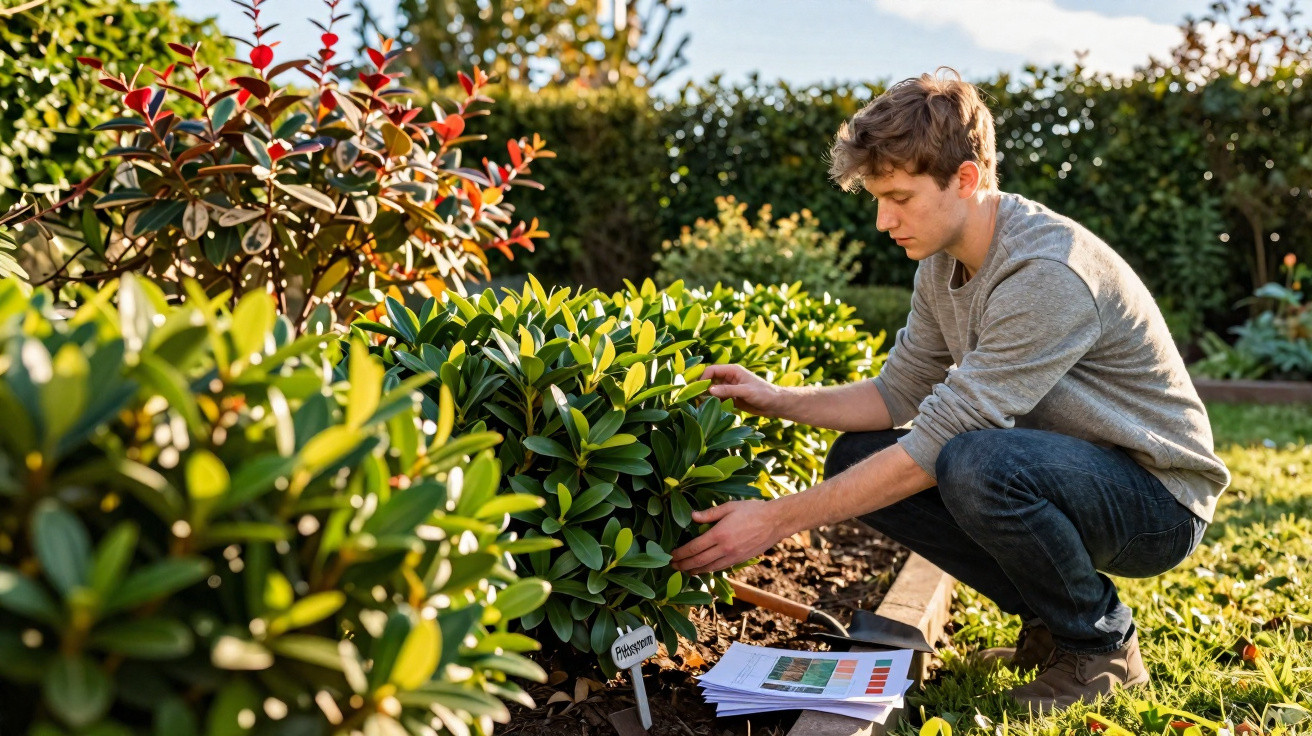
For years, many front gardens have told the same story: hedges that were once dense and colourful now look thin, show brown patches and create nothing but chores. What used to be seen as an easy, no-fuss standard has revealed itself to be surprisingly temperamental. At the same time, garden professionals are increasingly pointing to a shrub that has been quietly gaining ground - with fewer diseases, less hassle and an unexpectedly refined look.
Why the former hedge favourite is causing more and more trouble
Photinia, often planted for its bright red new growth, was long considered the ideal answer for anyone wanting quick privacy. It puts on growth rapidly, takes pruning well and adds a splash of colour to the garden. Many new-build estates were greened up with it in no time.
In recent years, however, complaints have become far more common: black and brown spotting on the leaves, bare shoots and uneven growth. Damp springs and mild winters in particular have encouraged fungal diseases. If you are unlucky, a hedge that used to be thick can look patchy and scruffy after only a few years.
The response tends to follow the same pattern: heavier pruning, more sprays, higher costs - yet the hedge often weakens season by season regardless. This is the point at which many garden owners now decide enough is enough.
"More and more experts advise: move away from delicate monocultures and towards robust, versatile hedge plants."
Pittosporum: the robust challenger for a hedge
The shrub specialists are talking about most at the moment is Pittosporum. In garden centres it has long sat in the shadow of the familiar classics - but 2026 could look very different.
What makes Pittosporum so appealing
Pittosporum comes with several qualities that are worth their weight in gold as the climate changes:
- Evergreen and good for privacy: It keeps its foliage year-round and reliably shields you from prying eyes.
- Strong resistance: Many varieties are noticeably less prone to leaf diseases than Photinia.
- Tolerant of heat and drought: In low-rainfall summers, it continues to grow with impressive steadiness.
- Holds its shape: It copes well with trimming and suits both crisp, formal lines and looser, more natural hedges.
- Modest maintenance: Once established, one or two light trims a year are usually enough.
It also has plenty going for it visually: depending on the variety, the foliage ranges from deep green to cream- or silver-variegated. That variation can make a hedge feel more contemporary and lively than a flat, uniform green wall.
Site and care at a glance
A common question is whether Pittosporum really suits Central European gardens. The encouraging answer is yes in most areas, provided you keep a few basics in mind.
| Criterion | Recommendation for Pittosporum |
|---|---|
| Position | Bright to partial shade; a sheltered spot is beneficial |
| Soil | Loose, free-draining; avoid waterlogging |
| Watering | Water regularly after planting; later, keep it moderate |
| Pruning | 1–2 trims per year, ideally after the new growth flush |
| Feeding | In spring, use an organic slow-release fertiliser |
In harsher locations, a wind-protected site or a more frost-hardy variety is advisable. If you have already had success with Mediterranean or semi-evergreen shrubs, you will usually have ideal conditions for Pittosporum.
Moving away from the uniform hedge: mixed planting comes out on top
Alongside the move towards tougher species, thinking is shifting more broadly: a classic hedge made from a single variety feels, to many people, both too vulnerable and too clinical. Garden designers are increasingly choosing mixed hedges built from several shrub species.
Popular companions for Pittosporum include:
- Elaeagnus (oleaster): very resilient, with silvery foliage; well suited to exposed, windy sites.
- Cornus (dogwood, for example with red stems): adds winter colour through its vivid bark.
- Privet: a straightforward privacy classic that blends in easily.
- Osmanthus: evergreen with fragrant flowers, ideal as a refined accent.
"Mixed hedges are more resilient, more attractive year-round, and take weather extremes in their stride."
The benefit of these combinations becomes clearest when one species is hit by disease. Rather than the entire hedge deteriorating, overall screening is maintained because the other shrubs carry the structure.
What the change actually means for hobby gardeners
If you have had enough of your Photinia hedge, you do not need to tear the whole garden apart. A gradual transition is often the least stressful route. Many garden owners take this approach:
- Remove badly damaged plants and replant the gaps with Pittosporum or other robust species.
- Ease back on pruning for the remaining hedge and avoid excessive chemical treatments.
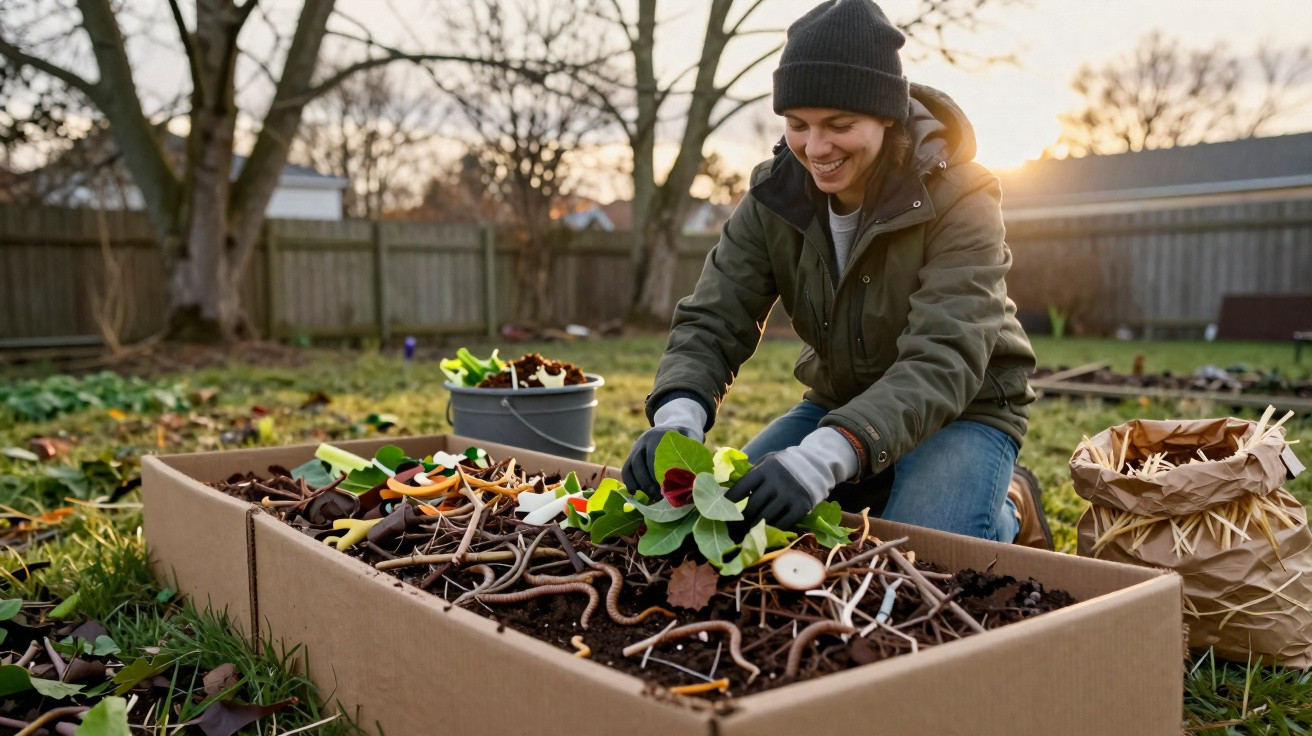
- Improve the soil with compost and fine-tune watering.
- Replace further sensitive specimens over time.
Handled this way, privacy is largely preserved while the hedge evolves over a few years into a tougher, more varied system.
How climate change is affecting hedge plants
The move away from Photinia and towards Pittosporum and mixed hedges is closely tied to a changing climate. Longer dry spells, intense downpours and mild winters are putting many traditional garden plants under pressure.
Hardier species with deeper roots and adaptable foliage cope better with these swings. They usually require fewer interventions, less mains water and often less plant protection, too. When people plant a hedge today, they are increasingly thinking in decades rather than five-year windows.
Practical tips for planning a hedge for 2026
If you are planning a new hedge this year or replacing an old one, a few straightforward guidelines help:
- Build in at least three different species to spread risk.
- Choose proven, site-appropriate varieties rather than chasing fashionable plants.
- Allow sufficient planting distance so shrubs can grow healthily.
- Plan for watering and access for trimming from the start.
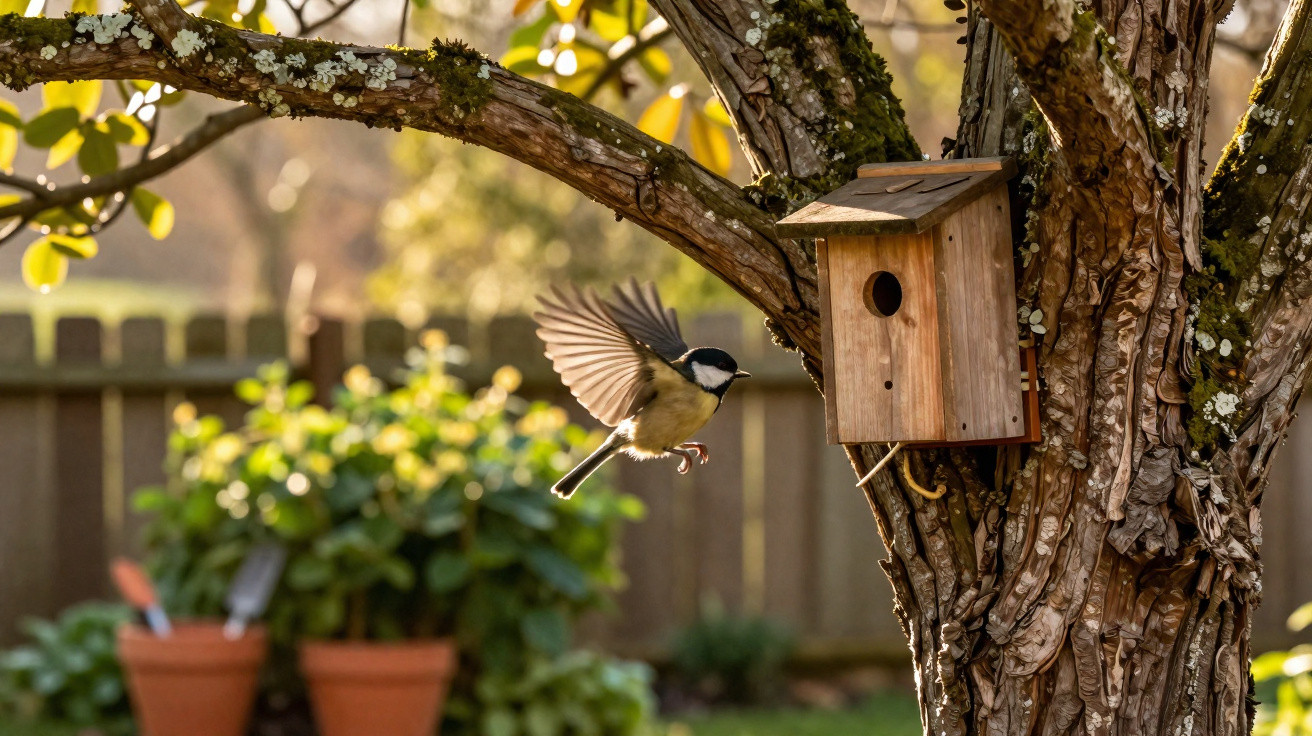
In a mix like this, Pittosporum works well as an elegant, consistently dense backbone. Combined with native species and flowering shrubs, you can create a hedge that offers not only privacy, but also value for insects and birds.
If you are unsure which varieties will perform on your plot, it is best to seek advice from a local nursery. They understand local soils and microclimates from experience - a clear advantage over a quick online order from a catalogue.
Comments
No comments yet. Be the first to comment!
Leave a Comment