
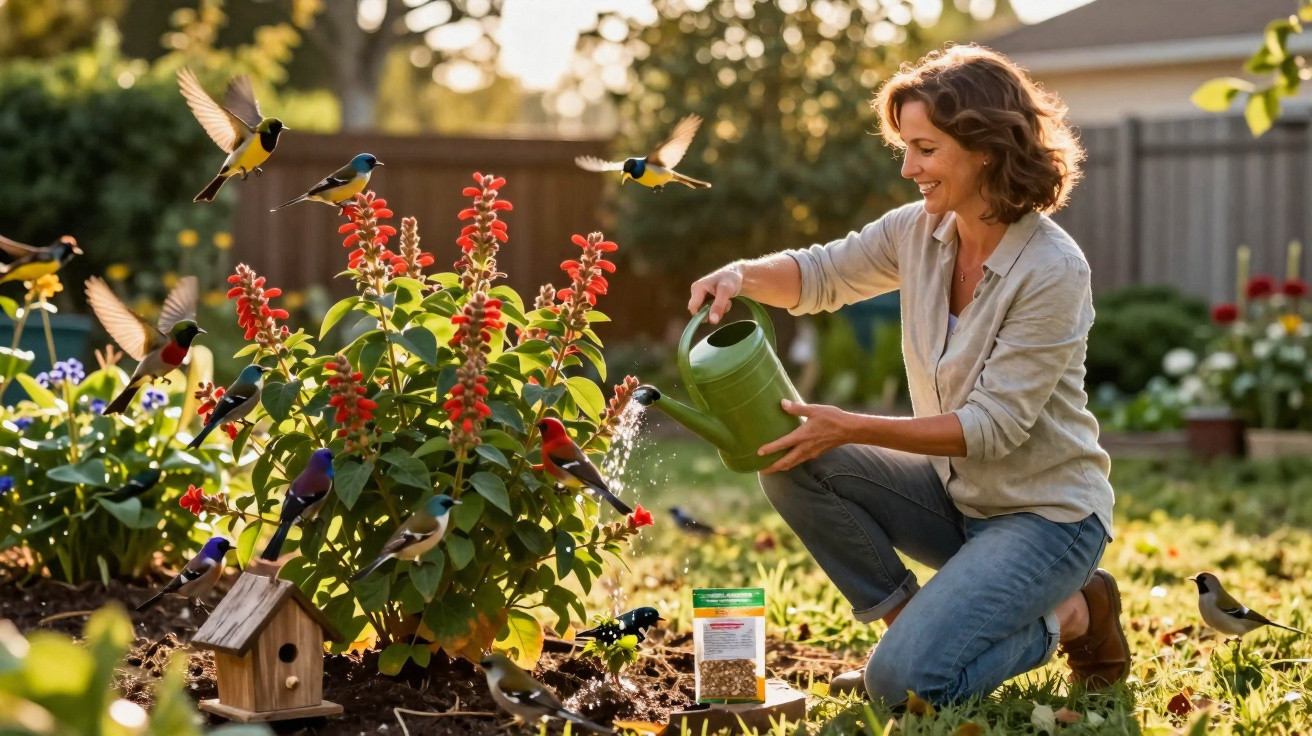
A modest-looking plant can shift the whole mood of a garden.
If you want your mornings filled not just with traffic noise but again with blackbirds, tits and robins, there’s far more you can do than simply hang up a feeder. Among bird lovers, one particular plant is considered a bit of a secret weapon because it meets several needs at once - and it barely asks for any care. Pair it with a few straightforward habits and even a typical suburban back garden can start to feel like a small bird sanctuary.
The underestimated miracle plant: why white millet draws birds in
The standout here is white millet. In shops it’s often sold simply as “millet seed” or “white millet” - and many people only recognise it as an ingredient in bird food. But once you grow it in a border or a pot, it really comes into its own.
“White millet provides energy-rich grains, copes well with poor soil and even rides out dry spells with ease - a perfect match for garden birds.”
The plants develop dense seed heads packed with small, oil-rich seeds. For wild birds, these grains are a serious energy boost, particularly when other food is harder to find:
- In winter the seeds help birds maintain body temperature.
- During the breeding season they provide valuable energy for adults and growing chicks.
- In late summer and autumn they bridge the gap as other food sources start to fade.
Another advantage is just how undemanding white millet is. It will grow even in relatively barren, slightly alkaline soils - the sort often found in new-build areas or heavily used gardens. If you don’t water regularly, there’s no need to worry: it handles dry conditions far better than many ornamental flowers.
How to use white millet properly
To make the “bird effect” genuinely noticeable, placement matters:
- Sow or plant it in clumps of several plants, not as isolated singles.
- Position it near shrubs or hedges so birds can dash for cover.
- Leave some plants standing through winter so the seed supply lasts longer.
Even a few square metres of millet can noticeably increase bird activity - especially if the surrounding area isn’t kept overly “sterile”.
With these plants, the garden becomes a bird buffet
White millet is powerful on its own, but it really shines alongside other planting, creating a broader menu. Different species are drawn to different treats - seeds, berries, insects and nectar.
Species-rich hedges and berry-bearing shrubs
Shrubs with berries are essential for many birds, particularly in late summer and winter. Good options include:
- Cotoneaster: produces bright red berries that often remain on the plant even in frost, drawing in blackbirds and thrushes.
- Elder: its flowers attract huge numbers of insects at first; later the black or red berries feed a wide range of species.
- Firethorn (Pyracantha): the orange or red berries are a major lure for many garden birds in autumn and winter.
- Holly: red berries provide winter food, well protected among the dense leaves.
These shrubs do more than feed birds: they also provide screening, safer nesting opportunities, and add clear structure to the garden.
Plants that offer sought-after seeds
Alongside white millet, classic seed providers play a big part:
- Sunflowers: their large heads become natural feeding stations. Bullfinches, finches and tits all go for the fat-rich seeds.
- Amaranth: produces countless small seeds that many species pick off in late summer and autumn.
Important: don’t cut down the old seed heads straight away. Leaving the brown heads in place extends the birds’ feeding season significantly.
Nectar and insect magnets for insect-eating birds
Many bird species don’t primarily rely on seeds at all - they hunt insects. That’s where plants that attract bees, butterflies and other small creatures become valuable:
- Buddleja (butterfly bush): strongly scented flowers draw butterflies and other insects - ideal for insect eaters such as redstarts or tits.
- Lavender: a tried-and-tested favourite for bees and bumblebees, indirectly supporting birds too.
- Coneflower (Echinacea): first brings plenty of insects to the blooms; later, the seed heads provide winter food.
Ground cover and climbers as places to hide
Food isn’t the only requirement: birds also need secure spots to shelter and rest. Particularly useful are:
- Ivy: offers dense foliage, flowers for insects and even berries in winter - as well as nesting and hiding places.
- Virginia creeper: greens up walls and fences, provides shade and cover, and can bear small fruits depending on the variety.
These plants turn bare surfaces into living habitat and create many extra places for birds to perch and retreat.
How to turn an ordinary garden into a true bird refuge
It’s not just plant choice that determines whether birds stick around - how you manage the garden matters just as much.
Structure over perfection: allow a few wild corners
A completely “tidy” garden - closely mown lawn, meticulously raked beds and smooth gravel areas - can feel empty to birds. By deliberately letting a few areas grow wilder, you create habitat:
- A strip where grass and wildflowers are allowed to grow tall.
- Leaf piles tucked under shrubs instead of bagging everything up.
- A few dead stems left standing until spring.
These patches give insects, spiders and beetles somewhere to live - which in turn becomes food for birds. As a side benefit, hedgehogs also do better when not every corner is perfectly manicured.
Dense hedges and no chemicals
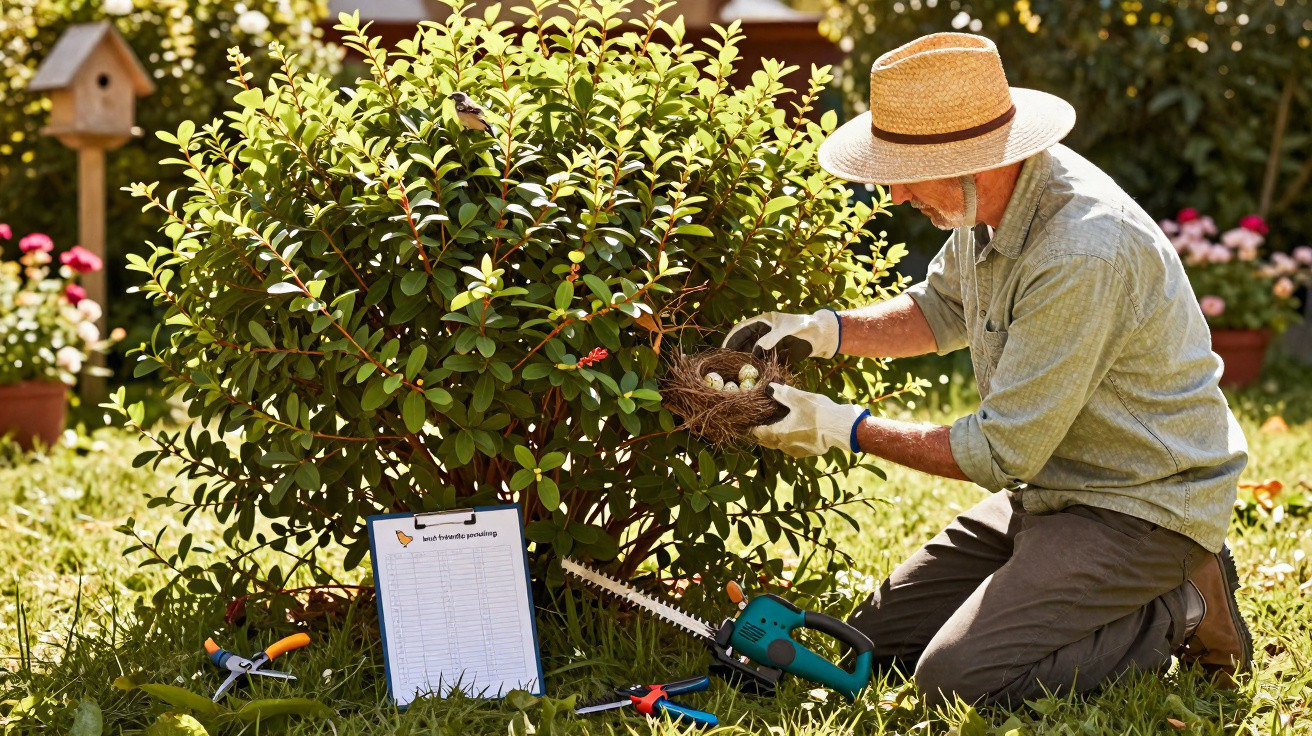
For many species, a thick hedge functions like the edge of woodland. Whether it’s privet, hornbeam, wild roses or a mixed shrub hedge, the key is not cutting it back hard every year. Birds need:
- Branched, tangled sections for nesting.
- Places to disappear from cats and birds of prey.
- Year-round structure - including through winter.
Alongside this, one rule stands out: pesticides don’t belong in a bird-friendly garden. Poisoning insects always means less food for birds, and many products can harm birds directly if they eat contaminated prey or come into contact with treated areas.
“Anyone who consistently avoids chemical sprays strengthens the whole small ecosystem - from earthworms to robins.”
Water, shelter and small extras: keeping birds comfortable long-term
Food alone isn’t enough. Birds also require water for drinking and for keeping their feathers in good condition. A simple plant saucer or a shallow bowl is fine, as long as it’s cleaned and refilled regularly. If you place it slightly raised, you reduce the risk of cat attacks.
Nest boxes are another helpful addition. Different entrance-hole sizes suit different species - from tits and sparrows to starlings. If you put them near millet patches, hedges and berry shrubs, you’re essentially offering “accommodation with full board”.
What garden owners should also know
People new to this often wonder why birds seem hesitant at first. Many species watch a place for a while before they truly accept it. Once the first birds settle in, others usually follow.
It’s also worth noting the impact of combining elements: white millet mainly covers energy needs; berry shrubs contribute vitamins; insect-friendly plants supply protein via insects. Together they create a kind of “multi-course meal” that can make a garden far more appealing than a single feeder filled with a shop-bought seed mix.
If you have children, you can also use the garden as a small nature lab: which plants attract which birds? How do seed eaters differ from insect hunters? That’s how an unassuming millet plant - plus a few additional shrubs - can become a fascinating family project, with the pleasant side effect that the garden starts to sound, smell and feel alive again.
Comments
No comments yet. Be the first to comment!
Leave a Comment