
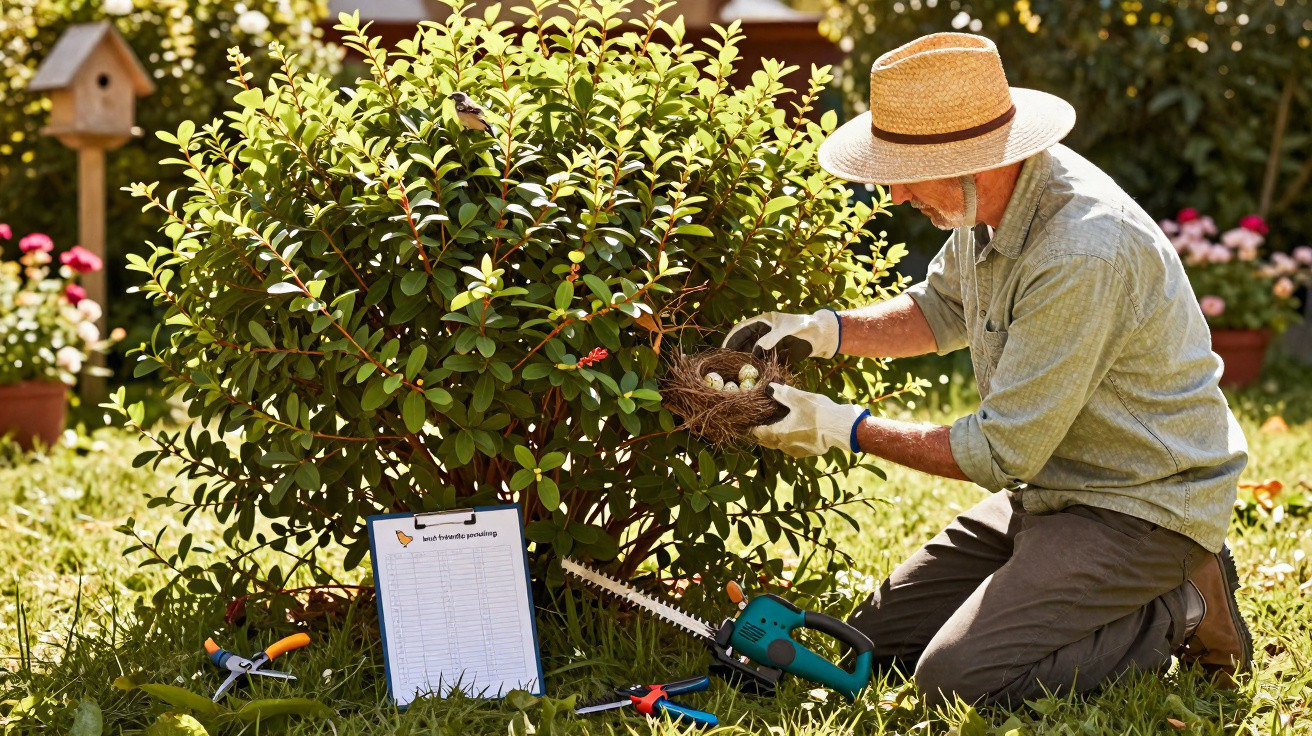
Many people use the first warm days of the year to tidy up hedges and shrubs. That simple spring job is now sparking debate - and, depending on what you do, when you do it and where you live, it can even have legal consequences. The reason is wildlife protection, especially for birds that rely on hedges as nursery space and everyday habitat. Anyone who reaches for the hedge trimmer without thinking risks more than a grumble from next door - in serious cases, substantial penalties can follow.
When hedge cutting becomes prohibited
From a legal perspective, there is a clear distinction between agriculture and private gardens. Farmers are tied to Europe-wide deadlines, whereas amateur gardeners are mainly guided by recommendations and local rules.
“Between the beginning of April and the end of July, the rule is: agricultural hedges are left untouched - out of consideration for nesting birds.”
Strict rules for farmers
For agricultural businesses, the position is straightforward. Under the Common Agricultural Policy (CAP), in many parts of Europe it is not permitted to cut back hedge growth on agricultural land from 1 April to 31 July. This window covers the main breeding season for numerous bird species.
The aim is to stop nests being destroyed, fledglings being injured, or breeding pairs being driven away. Anyone who ignores the restriction is not only committing a regulatory offence; in some circumstances it can become a criminal matter. In certain countries, consequences can include:
- five-figure fines
- reductions in agricultural subsidies
- criminal proceedings with possible custodial sentences
The message is unmistakable: hedges are no longer treated as mere “green stuff along the field edge”, but as a key part of the managed landscape and an essential refuge for wildlife.
What applies in private gardens
In private gardens, the picture is more nuanced. In many countries there is no single nationwide closed season. Even so, conservation organisations strongly advise stopping hedge cutting from around mid-March and waiting until the breeding season has finished.
On top of that, many areas have by-laws or rules from local councils or county authorities. These can cover, for example:
- bans on heavy or radical cutting back of hedges and woody plants between March and autumn
- penalties for destroying nests or killing young birds
- protection for specific landscape features such as traditional hedge banks, field hedgerows or riverside scrub
If you want to avoid problems, it is worth checking with your local council’s environmental team before you start up a brushcutter or strimmer. Even where there is no specific “hedge protection” rule, general species protection often still applies: disturbing nests and breeding birds is widely prohibited.
Why the breeding season turns hedges into a “no-go area”
Between March and July, a hedge is anything but quiet. What looks like a dense green screen to us is, for birds, a busy apartment block with countless hidden rooms.
Hedges as the bird world’s nursery
Blackbirds, robins, finches and greenfinches use hedges and shrubs to build nests. They carry in twigs, grasses and moss, shape a sturdy nest cup and defend a small territory. During this stage, adult birds often sit motionless deep in the foliage so they are harder to spot.
“A cut at the wrong time doesn’t just remove branches; in the worst case it destroys eggs, chicks and entire broods.”
Even if you do not slice into a nest directly, noise, vibration and suddenly thinning a hedge can be enough to force breeding pairs to abandon the area. Young birds that cannot yet fly lose vital protection from heat, cold and predators.
The hedge as a mini ecosystem
A hedge is far more than a green line at the edge of a plot. It can:
- provide hiding places and roosting spots for birds, hedgehogs, insects and small mammals
- offer shade and act as a windbreak
- supply berries, seeds and insects as food
- link habitats between garden, field and woodland
By leaving your hedge alone at the right times, you directly support biodiversity close to home. For many bird species this is critical, because uniform landscapes, paved-over front gardens and sterile gravel gardens are steadily taking away their space.
The best times for hedge cutting
In practice, many hedges cannot be left entirely uncut. They thicken, sprawl into paths or over neighbouring boundaries, and block light. What matters is choosing the right moment and using an appropriate type of cut.
Favourable periods during the year
Gardeners and nature groups usually point to two main windows:
- Late winter: once the hardest frosts have passed, but before birds begin nest building.
- Late summer: after breeding has finished and after many shrubs have completed their main flowering, before autumn arrives.
During these periods, woody plants generally cope well with pruning, and the risk of hitting an active nest is lower. For flowering shrubs, the usual guidance is to prune straight after flowering - this allows new buds to form over the course of the year for the following season.
| Period | Recommended action |
|---|---|
| January–February | Hard cutback and shaping cuts, as long as there is no severe frost |
| March–July | Only gentle maintenance cuts if no nest is present - better to pause |
| August–September | Light corrective trimming, thinning, removal of dead shoots |
| October–December | Hold back where possible; many animals use hedges as winter shelter |
How amateur gardeners can actively support birds
Anyone who wants to boost bird numbers does not need to spend much. A few small changes to everyday garden routines are often enough.
Feeding, done sensibly
Feeders are most helpful in winter. Between November and March, many gardens offer very little in the way of seeds, berries or insects. A well-positioned feeding station can make that period easier for birds.
As spring approaches, it is best to taper feeding off gradually. Birds then forage for themselves, finding insects and wild plants - and the young learn natural food straight away. If you choose to continue feeding, keep dispensers clean so disease does not spread.
More habitat through smart planting
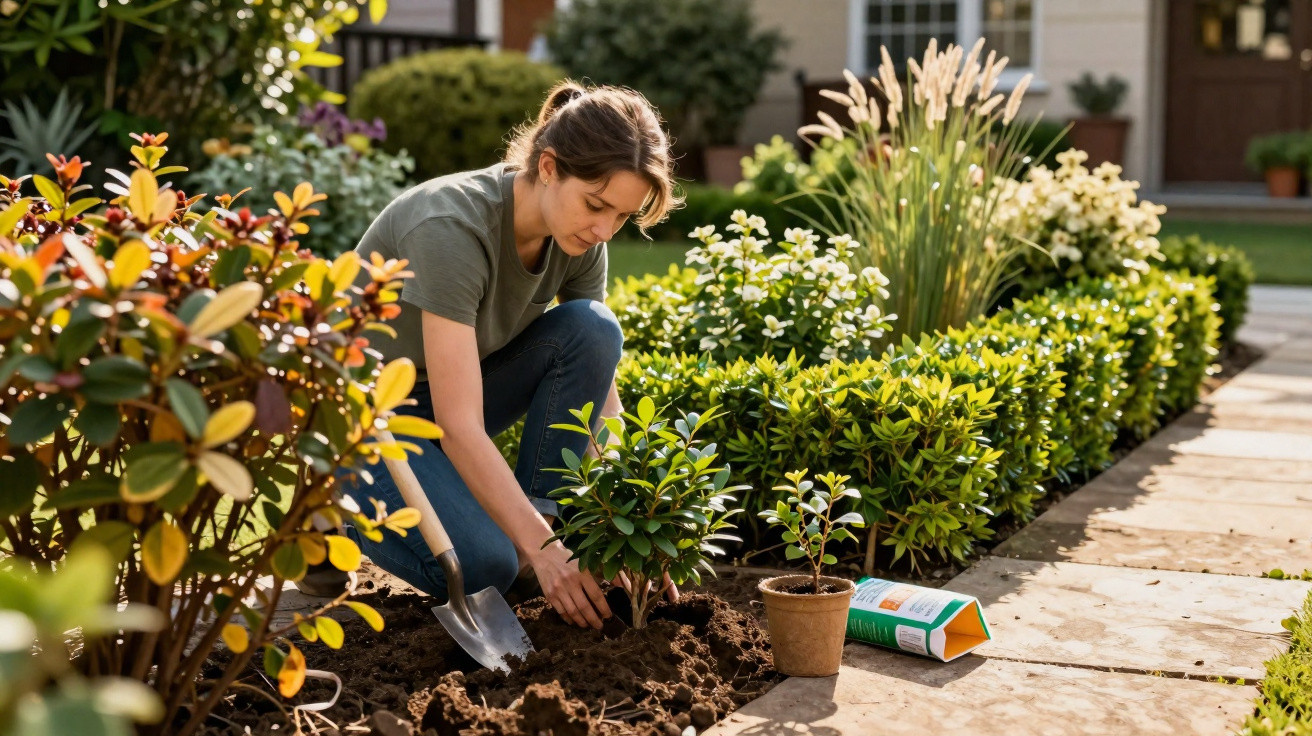
Instead of relying only on standard evergreen hedges, it is worth considering native shrubs. They give birds both food and cover - and they usually look far more interesting, too.
- Rowan (mountain ash): valued for its bright berries, which draw flocks in autumn.
- Common elder: provides flowers for insects and berries for birds, and can also be used for jellies and juices.
- Viburnum species: dense crowns, showy flower heads and later plenty of fruit.
- Hawthorn and firethorn: thorny, compact structures that make it harder for nest predators to reach eggs.
- Dog rose and other rose hips: flowers for insects, hips for birds and a naturally wild appearance.
A mix like this creates a layered hedge with different zones from ground level up to the canopy - ideal for a wide range of species.
Practical tips before you pick up the hedge trimmer
A quick check before the engine starts can prevent a lot of trouble. Many issues can be avoided with only a few simple steps.
Checklist for bird-friendly hedge trimming
- Walk the hedge slowly and look carefully into the branches from both sides.
- Watch for birds flushing out, nesting material, droppings, or adults repeatedly flying in with food.
- Leave any areas with visible nests completely untouched - even after breeding, as nests are often reused as shelter.
- Avoid a drastic cutback; instead, make lighter corrections more often.
- With noisy equipment such as chainsaws, avoid working during the midday quiet period and choose calmer times of day.
If you are unsure whether a hedge is currently being used for nesting, leave it largely alone for a season. In most cases, a slightly “overgrown” hedge recovers easily, whereas wildlife tends to move on only when the habitat becomes repeatedly disturbed or is left too bare.
Why consideration pays off in the long term
Many garden owners are already noticing fewer birds and a decline in insects. Hedges, shrubs and small untidy corners can soften that trend locally. If you keep the shears in the shed during the breeding season, the reward is often immediate: more birdsong, fewer aphids and a garden that feels more alive.
At the same time, you reduce the chance of breaching nature protection rules or ending up in an unwanted dispute with authorities. Matching your cutting schedule to breeding periods and plant growth cycles is not only compliant - it helps create a stable, resilient garden ecosystem and turns a hedge into far more than a green boundary line.

Comments
No comments yet. Be the first to comment!
Leave a Comment