
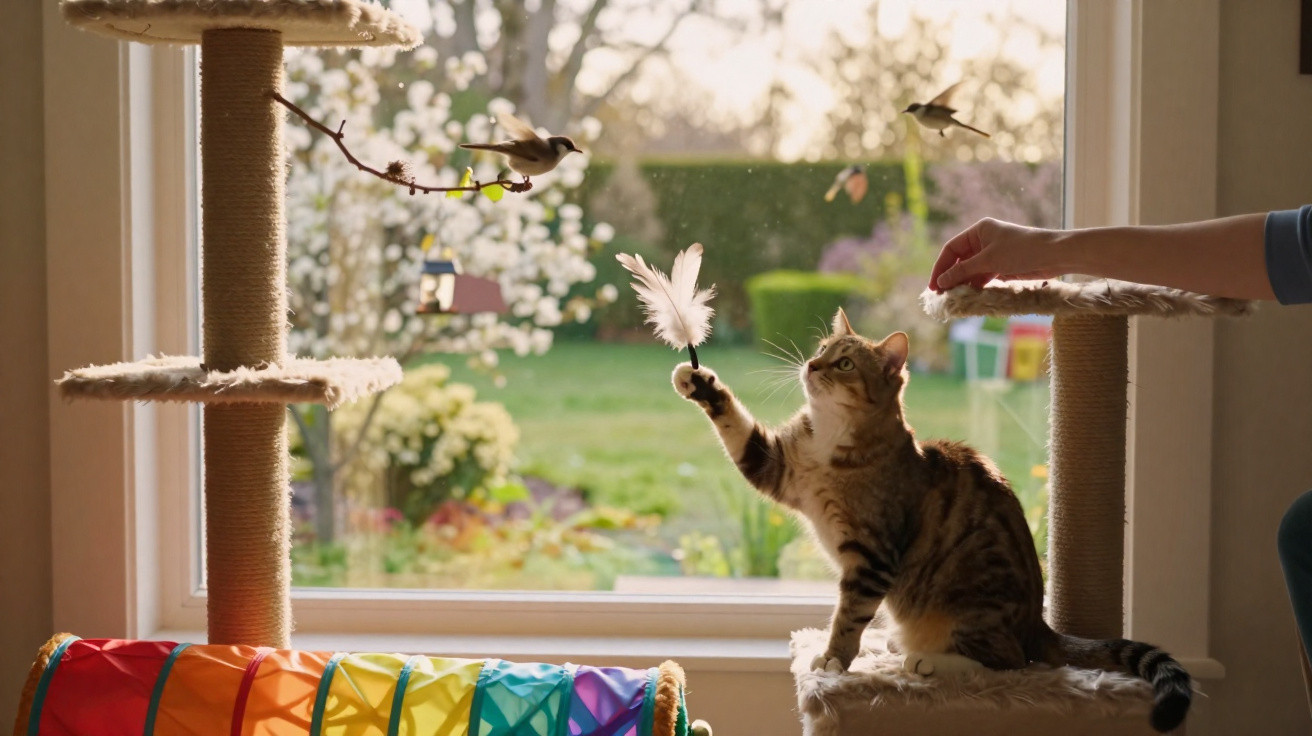
As soon as the sun starts reaching the sitting room in March, the house cat is up at the window: tail twitching, ears angled towards the outside. One small gap in the door and it’s off-patrolling fences, roofs and flowerbeds. For many owners, this little ritual is simply part of everyday life. What almost nobody considers is that, at precisely this time, millions of fledglings are caught in an unseen collision between feline freedom and a wider biodiversity crisis.
Why March to April is such a sensitive period for wild birds
For wildlife, early spring is the busiest time of year. From around mid-March, the true breeding season begins in hedgerows, tree cavities and gaps in roof tiles. Songbirds pair up, build nests, lay eggs and incubate them. Soon after, they are feeding their chicks at an almost relentless pace.
Many young birds leave the nest before they can fly properly. They sit low in grass, in flowerbeds or beneath shrubs, looking clumsy and helpless. In most cases, however, they have not been abandoned at all: the parent birds are close by and bring food as soon as it’s safe.
“A single wander through the garden by a cat can wipe out several nests or chicks in one go-without the owner noticing.”
At the same time, populations of many common bird species have already dropped dramatically. Data from major conservation bodies and research institutes show a clear decline over recent decades among typical garden and urban birds. In some towns and cities, sparrow numbers have effectively collapsed; dunnocks, robins and tits are under pressure in many regions.
In a situation like this, every successful clutch matters. If a nest is destroyed in March or April, there is often not enough time for a second brood to succeed. For a species that is already in the red, that can be decisive over the long term.
What your tomcat is really doing outside in spring
Many owners assume their cat hunts only when it is hungry. Research suggests otherwise. Even well-fed house cats with a constantly topped-up bowl keep their hunting drive-and it isn’t aimed solely at mice.
Typical studies on what domestic cats bring home repeatedly point to the same pattern: most prey items are small mammals such as mice or voles, but a significant share is made up of birds. When you scale that up across millions of pets, the annual totals become enormous.
- Strong hunting motivation even in cats that are well fed
- Prey: mostly small mammals, but a substantial proportion are songbirds
- Fledglings in grass or hedges are extremely easy targets
- Your garden is treated as territory and defended by the cat
Outdoor access is not only risky for birds. In spring, the cat itself is exposed to greater danger too: more traffic, more territorial fights with other toms, and a higher risk of parasites and infectious diseases. All of these hazards peak in the same few weeks.
Why gardens become deadly traps
Gardens are often described as “green oases”. For fledglings, they only function that way if people show at least a basic level of consideration. Closely clipped hedges, little undergrowth, and large areas of gravel or stone chippings provide neither cover nor hiding places.
A hunting cat has an easy time in that kind of landscape. Young birds crouching on the ground while waiting for their parents can neither conceal themselves nor escape. On top of that, many owners never realise how many animals their pet actually catches. Some prey is eaten immediately or chased purely for play.
“The more open and tidy a garden is, the faster a cat can check every corner-turning life for fledglings into an obstacle course.”
For bird populations, these losses accumulate. One garden here, one courtyard there-multiplied by millions of cats, this becomes a quiet, widespread hunting zone at exactly the moment the young are most vulnerable.
How a spring pause in outdoor access protects nesting birds
The simplest and most effective step is also the least dramatic: during the weeks when most birds are breeding, keep the cat indoors. The riskiest times are early morning and dusk, when many birds are active and chicks are being fed.
Avoiding outdoor access entirely in March and April-or at least restricting it heavily at those times of day-can make a surprisingly big difference in your immediate area. Extending that approach into May protects later broods as well.
If a strict indoor-only period is not an option, these measures can at least reduce the risk:
- Limit outdoor time to the brighter hours around midday
- Avoid letting the cat roam freely near nesting hedges and bird feeders
- Use highly visible collars or bell collars (with a quick-release safety clasp!)
- Fit climbing barriers on key hedges and trees
No gadget makes an outdoor cat harmless. A time-limited pause remains the most powerful lever-especially in densely built-up residential areas.
Spring indoors: how to prevent frustration for your house cat
Many people hesitate to impose a spring pause because they expect stress and constant meowing. With sensible home set-up and a little time each day, much of that restlessness can be managed.
Hunting games instead of hunting in the garden
The key point is simple: a cat needs to feel as though it is allowed to hunt. That can be recreated surprisingly well. What matters are short, intense play bursts several times a day-not hours of waving the same wand toy back and forth.
- Feather toys and teaser wands that “escape” unpredictably
- Treat-search games around the home
- Food balls or puzzle toys where “prey” has to be worked for
- Rotating toys that disappear for a while and later “reappear”
Two or three sessions of ten minutes a day work best, each with a clear finish where the cat “wins”-for example, by catching the toy and receiving a treat.
Window perches and vertical territory
Giving a cat a good view outside brings a slice of outdoor life indoors. A securely positioned cat tree or shelving right by the window creates a lookout point over the neighbourhood rooftops.
Further ideas:
- Multiple levels using shelves, climbing boards and scratching towers
- Cardboard dens and covered hideaways as retreats
- The occasional fresh branch (non-toxic!) for sniffing and climbing
“If you provide height, hiding places and a view of what’s happening outside, you can turn the home into an acceptable substitute territory during the critical spring weeks.”
The conflict between feline freedom and species conservation: a solvable dilemma
Many people adore cats and also feed birds in their garden. At first glance that can seem contradictory, but in day-to-day life the tension can be reduced considerably. Keeping your cat indoors during the peak breeding period-and making your garden more bird- and insect-friendly-sends two strong signals to nature.
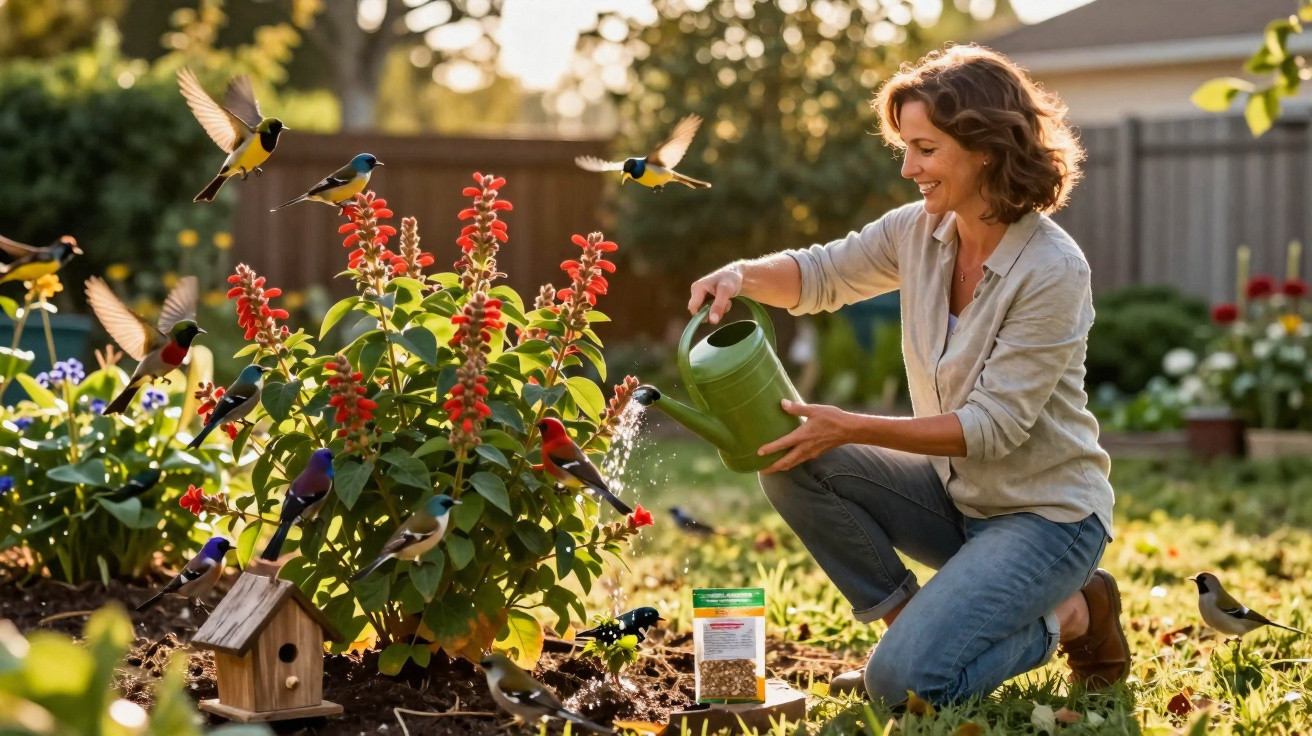
That means dense growth of native shrubs, less closely mown lawn, more wild corners, and leaf piles as cover. The more structure a space has, the harder it is for a hunter to check every nook. That can give fledglings and small mammals the extra second that makes the difference.
For children and neighbours, a modified spring routine is also a good conversation starter: why is the tom meowing at the window more often? Why is he staying in more right now? If you explain openly that your household is actively helping weakened bird populations, you raise awareness-and may even inspire others.
Over time, most cats adapt remarkably well to clear outdoor rules. What matters most to them is consistency: reliable routines, set play times and familiar hiding places. For the wild birds in your area, that small adjustment can decide whether a quiet garden becomes a dangerous place-or a space where both can exist: the hiss of a house cat behind the glass, and the tentative peeping of a fledgling in the shrubbery.




Comments
No comments yet. Be the first to comment!
Leave a Comment