
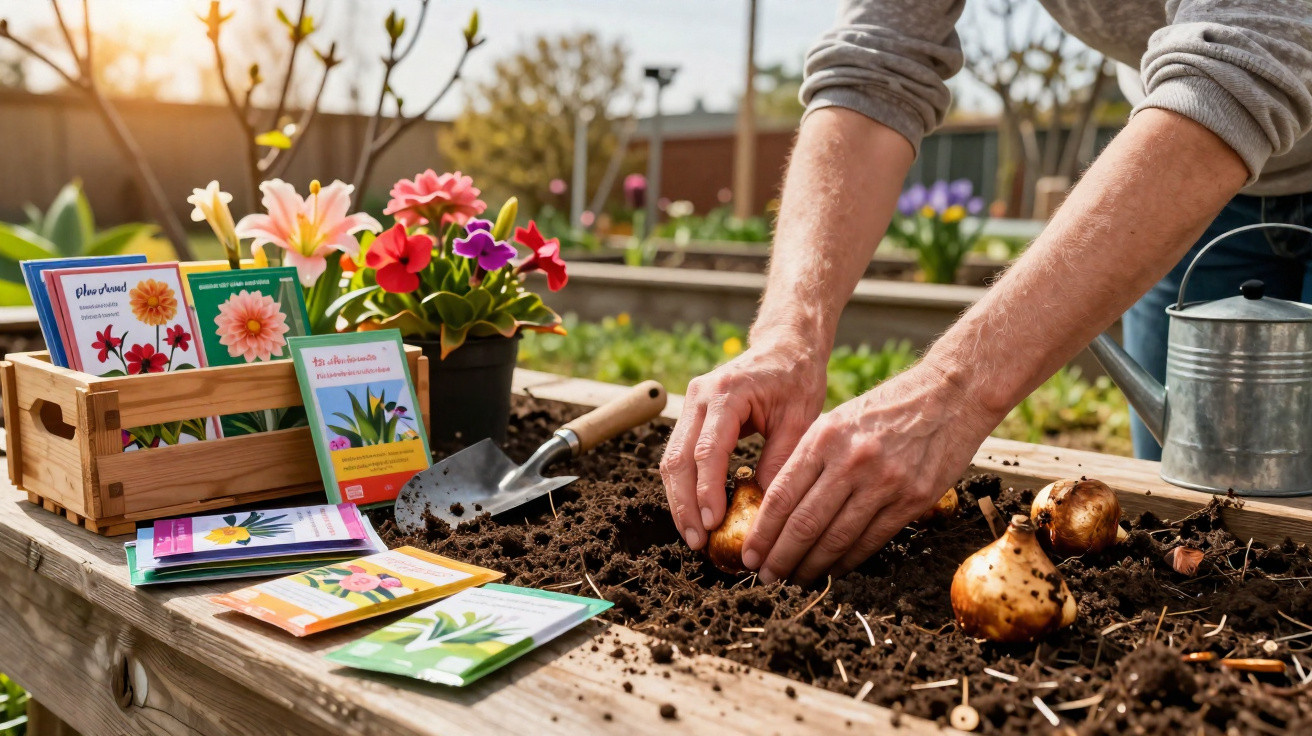
In March, borders often still look dull and bare, yet below the surface the run-up to high summer is already under way. If you plant flower bulbs and tubers with intent now, you set yourself up for lush displays from June right through to autumn. What matters most is timing, choosing the right spot, and picking the right seven types that flower reliably and for a long spell.
Why March is the quiet starting signal for summer bloomers
Across many areas, the soil in March is still cool, but no longer freezing. That in-between phase is exactly what many summer-flowering bulb plants prefer. Winter moisture keeps the ground open and fresh, while soil temperatures begin to rise steadily. For bulbs and tubers, this means one big advantage: they can establish roots calmly before heat and dry weather arrive.
"Wer Sommerblüher im März setzt, verschafft ihnen einen Vorsprung – und sich selbst weniger Gießstress im Juli."
In milder areas-such as wine-growing climates or built-up towns and cities-it can be worth getting started in early March. In colder regions, upland areas, or places prone to late frosts, it’s better to push planting into the second half of March or even into April. In those conditions, it can help to start more sensitive types in pots under cover first, then move them into the border later.
The key ground rules for planting bulbs in spring
Good results begin at the garden centre or when ordering online: only healthy bulbs and tubers will produce strong plants. Keep an eye on the following:
- Bulbs and tubers should be firm, not shrivelled
- No soft patches, rot, or mould
- Store cool and dry until they go into the ground
Soil should be loose, humus-rich, and-most importantly-free-draining. Waterlogging is the enemy of bulb plants; rainwater must be able to run away. If you have heavy clay, improve it with sand and compost.
For planting depth, a simple rule of thumb works well: around 2.5 to 3 times the bulb’s height. So a 5 cm bulb should sit roughly 12–15 cm deep, with the pointed end facing up. Water in thoroughly after planting; after that, evenly moist soil is usually enough. A light mulch of composted bark or grass clippings helps retain moisture and suppress weeds.
Seven flower bulbs that will dominate the summer garden
Dahlias: long-flowering stars for borders and vases
Dahlias are among the most popular summer bloomers of all. The range runs from small pompon shapes right through to huge dinner-plate varieties. Planting the tubers in March or April typically delivers flowers from July and often well into October.
They do best in a sunny, sheltered position with nutrient-rich soil. In borders, allow about 40–80 cm between plants depending on the variety. Taller types need a sturdy cane, otherwise summer storms can snap them over.
"Dahlien liefern fast ununterbrochen Nachschub für die Vase – je mehr Sie schneiden, desto mehr Knospen bilden sich."
Lilies: elegant, scented plants with height
Lilies add clear structure because they grow upright and are often noticeably taller than neighbouring plants. Many varieties are strongly fragrant, especially in the evening near a patio.
They prefer free-draining, fairly fertile soil and cope well both in borders and in large pots. The crucial point is that the soil must never stay wet for long, otherwise the bulbs rot. A layer of grit or sand beneath the bulb significantly improves drainage.
Tuberous begonias: bright colour for shady corners
If you have a shaded balcony, a north-facing garden, or dark areas close to the house, tuberous begonias are a strong choice. They dislike direct midday sun, yet in partial shade they flower almost continuously from July into autumn.
In March, set the tubers shallowly in pots, covered with just a thin layer of compost, and keep them bright and frost-free. After the risk of frost has passed (typically after mid-May), move the plants outdoors-into window boxes, containers, or shaded edges of borders. They will not tolerate waterlogging, but they do appreciate consistently moist compost.
Gladioli: classic cut flowers with real impact
Gladioli create an almost architectural look with their tall, slender flower spikes. The corms can be planted in stages from March through to May, which lets you stagger flowering across the whole summer.
Choose a sunny, sheltered position. Tall varieties usually need support, as the long spikes can topple easily in wind. Many hobby gardeners deliberately grow gladioli in a separate “cut-flower garden” so stems can be taken regularly for indoor arrangements.
Cannas: a tropical feel at home
Cannas-also known as canna lilies-look almost like banana plants thanks to their big leaves and showy flowers. They need warmth and plenty of feeding. The best approach is to pot up the rhizomes indoors or in a greenhouse in March, then plant them out into the border after the last frosts.
A fully sunny site and very nutrient-rich soil are ideal. Regular feeding pays off: cannas respond with vigorous growth and flowers that last into autumn.
Crocosmia: light, glowing touches in red and orange
Crocosmia, often in warm reds and oranges, brings a lighter feel to mixed planting with its arching sprays of flowers. It suits naturalistic gardens particularly well and combines beautifully with ornamental grasses.
Plant the corms in free-draining, relatively light soil in full sun. In exposed or colder areas, winter protection with leaves or brushwood is worthwhile, as harder frosts can damage the corms.
Agapanthus: a container favourite with Mediterranean style
Agapanthus (African lily) is a classic for large pots on patios and balconies. Its round heads of blue or white flowers look especially striking against pale house walls.
In March, you can place divided rhizomes into fresh container compost. Agapanthus prefers full sun and a pot that is slightly tight-this tends to improve flowering. Over winter it needs a frost-free home, such as a garage or a cool hallway.
When to plant straight in the garden-and when to start in pots
Not every area is ready for outdoor planting in March. Here is a quick guide:
| Region | Start outdoors | Recommendation |
|---|---|---|
| Mild wine-growing areas, towns and cities | from early March | early planting is possible; keep frost protection to hand |
| Northern areas and higher ground | late March to April | start sensitive types under cover, plant out later |
| Mountains and frost pockets | mainly April | focus on pot growing; plant outdoors only after the late-frost period |
Protection from late frosts and common mistakes
The biggest spring risk is an unexpected frosty night. If shoots are already above the soil, keep horticultural fleece or an old blanket ready. Laid over plants in the evening, these covers take the bite out of the air and help prevent damage.
The most common problems include:
- Sites that are too wet, especially in hollows
- Planting too shallowly, leading to drying out and weak, unstable growth
- Overdoing fertiliser directly in the planting hole, which can “burn” roots
- Forgetting supports for tall varieties such as gladioli or some dahlias
How to combine flowering times intelligently
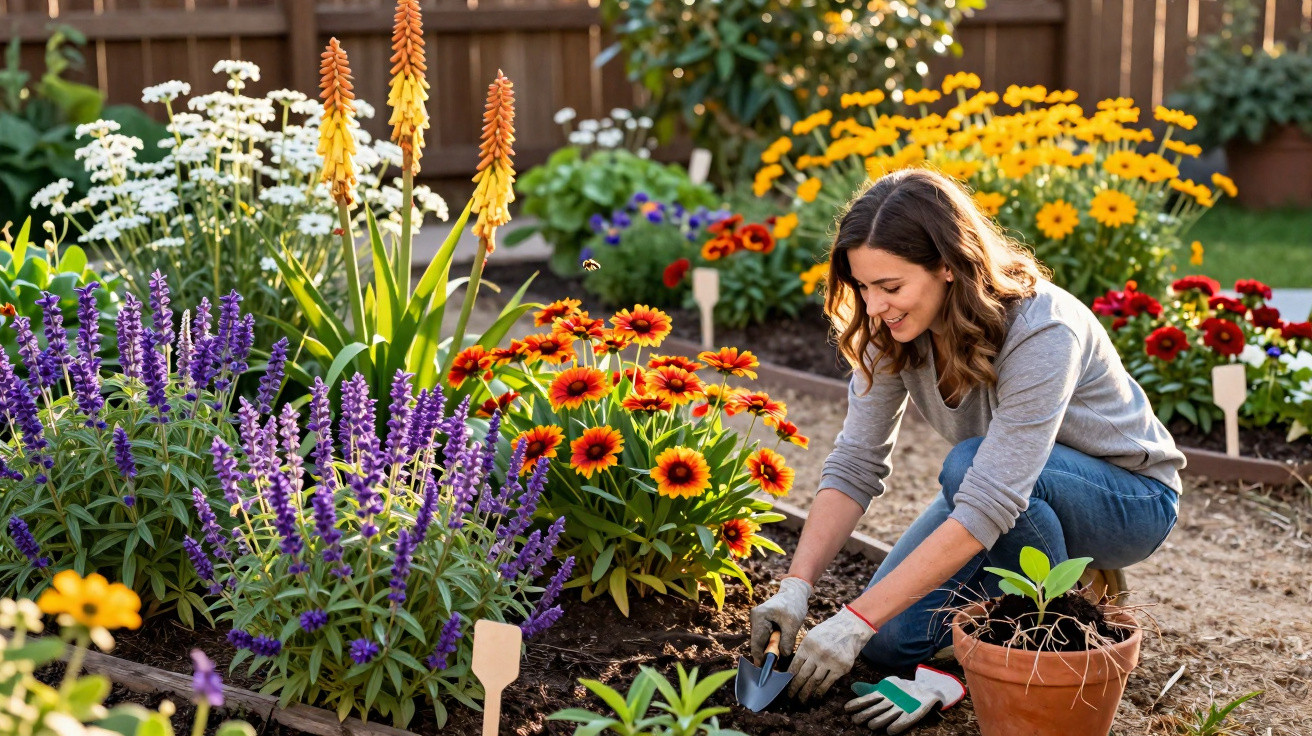
With a well-planned mix of the seven types above, you can achieve an almost unbroken run of flowers. Lilies and crocosmia get going early, then dahlias, gladioli and cannas take over through the height of summer. Begonias and agapanthus fill gaps and add highlights in shady spots or on the patio.
It also helps to plan by colour. For a border in warm shades, combine red dahlias, orange crocosmia and yellow cannas. For cooler areas, choose white lilies, blue agapanthus and softly coloured begonias. That way the garden looks intentional rather than accidental.
For beginners: an easy “March package” to copy
If you’re new to planting bulbs and tubers, a simple combination can still deliver a strong result:
- 3–5 dahlia tubers for the centre of the border
- a row of gladioli at the back as a reserve of cut flowers
- several tuberous begonias in pots for the balcony or front entrance
This gives you three very different growth habits, flower shapes and planting locations, and you’ll see in the first year how much summer bloomers can change the overall look of your garden.
Comments
No comments yet. Be the first to comment!
Leave a Comment