
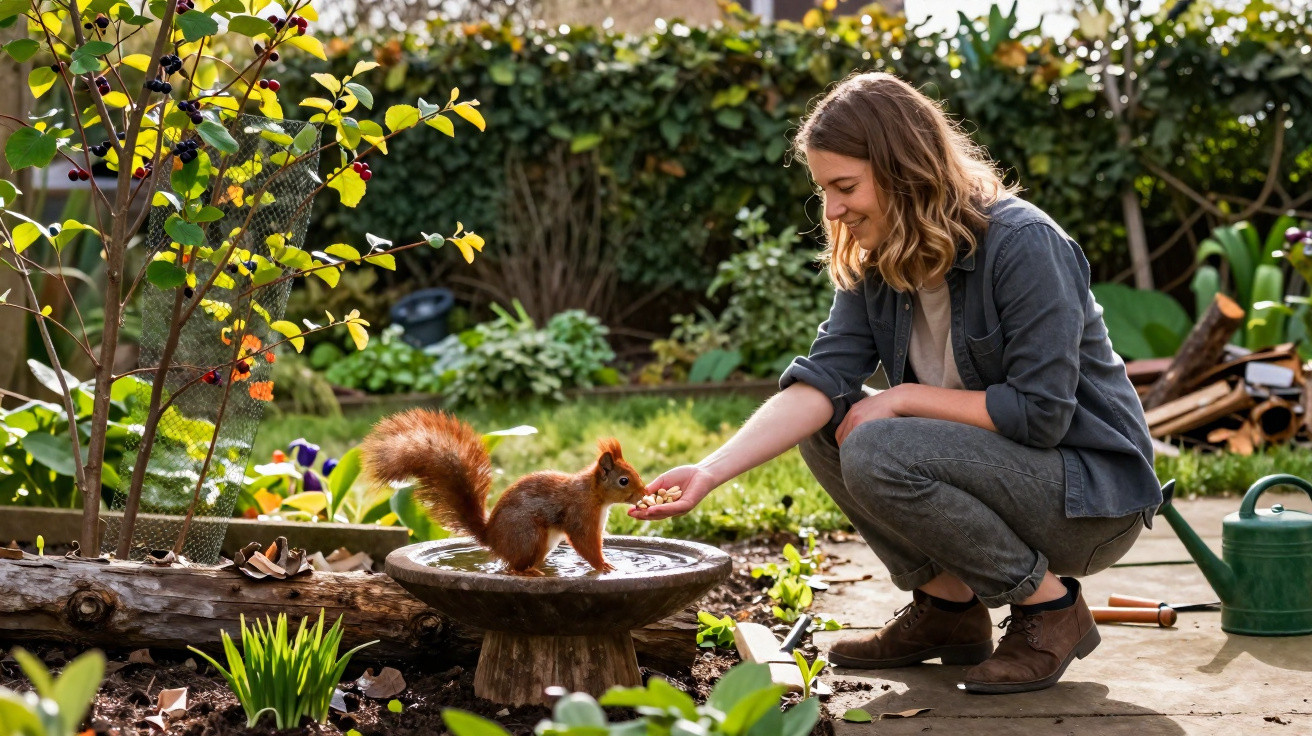
A closer look changes everything.
Plenty of keen gardeners grumble when a small, red bundle of fur darts through the beds again. Pots knocked over, soil churned up, fruit nibbled - the culprit seems obvious. But much of that frustration is based on misunderstandings. Plan your garden thoughtfully and you can turn this supposed pest into an ally: one that loosens compacted ground, sows trees for free and supports a healthier ecological balance.
From supposed raider to quiet garden helper
How digging brings soil to life
Squirrels live by a simple rule: stash food everywhere so there are enough supplies for winter. They bury nuts and seeds in countless spots - and then forget some of them. That is exactly where their value to the garden begins.
"Every forgotten nut can become a new tree - complete with a free planting service."
Because of this behaviour:
- new trees and shrubs appear in unexpected places,
- the soil is loosened by continual digging,
- more oxygen reaches the upper layers of soil,
- soil organisms such as earthworms and microbes multiply.
Loose, well-aerated soil supports root growth and improves water retention. Vegetable beds benefit greatly - without a rotavator or chemical aids. If you avoid sprays, you also make it easier for this soil life to develop and stabilise.
Why spring is the ideal time for the “squirrel offensive”
Around the middle of March, the garden season truly gets going. Temperatures rise, animals become more active, and the first buds start to break. This is the moment to reassess your own plot. If you set up shelter, food sources and water points at this stage, you are more likely to keep squirrels coming back - before the busiest period in the veg patch begins.
Put the right structures in place now and you benefit for the whole season: the animals learn “their” safe routes, feeding spots and resting places. That can significantly reduce clashes with delicate beds.
Water and food: how to make your garden attractive
A small water point can make all the difference
Many garden owners think about food, but hardly at all about drinking water. Particularly in spring and summer, wild animals can quickly struggle in dry conditions. A simple, shallow container of fresh water is enough to draw squirrels in.
- Keep the container only a few centimetres deep so no animal can drown in it.
- Ideally place it up high or in an open corner to make cat attacks harder.
- Replace the water every one to two days, especially in hot weather.
A water source like this is used not only by squirrels, but also by birds, insects and hedgehogs. The garden becomes noticeably more lively - and in many cases more resilient to pests, because more natural predators move into the area.
With the right trees, you can steer their appetite in the right direction
If you are worried about lettuce, tomatoes and berries, the answer is not to let squirrels go hungry, but to give them alternatives. Woody plants that produce plenty of nuts and seeds are particularly suitable. These include:
- hazel
- oak
- walnut
- chestnut
- beech
These trees create a natural buffet. The animals focus on their preferred food and have less reason to go after your veg.
In small city gardens or on a balcony, there often is not enough space for large trees. In that case, feeding stations at eye level or a little higher can help. Good options include:
- unsalted sunflower seeds
- nuts in their shells
- acorns and other tree fruits collected from the park
Important: do not overfeed. The goal is to keep the animals using the garden, without making them dependent on human-provided food.
Wild corners instead of sterile perfection
Why a dense, “messy” hedge is worth its weight in gold
Many gardens look as if they have been drawn with a ruler: neatly trimmed hedges, closely mown lawns, no branches sticking out. For wildlife, that is a barren space. Squirrels need dense, branching structures so they can move quickly and safely from A to B.
"If you give the shears a break now and then, you create habitat instead of gaps."
Let one section of hedge grow more freely. A slightly thicker, looser structure:
- offers protection from birds of prey,
- provides hiding places for nests,
- forms climbing routes between trees and gutters.
An additional nest box positioned 4 to 6 metres above the ground increases the chance that a squirrel will settle permanently. Choose a sheltered spot out of direct midday sun.
What deadwood piles really achieve
In spring, many people “tidy” their gardens and remove every branch. Ecologically, that is a loss. Piles of twigs and pieces of wood are small treasure troves.
They:
- provide habitat for insects,
- serve as shelter for small mammals,
- create safe, ground-level retreat areas for young animals.
For squirrels, these zones are useful as landing points after jumps, cover on the way to food, and an emergency hiding place when danger appears. The garden may look less “perfect”, but it gains far more function and stability.
Protecting harvests - without driving the animals away
Securing young vegetable plants the smart way
The most delicate time in the veg patch is spring, when tender seedlings and young plants are in the beds. A curious squirrel needs only a few seconds of digging to pull half a row out of the soil.
Transparent cloches or small tunnels placed over beds are highly effective. They let light and warmth through, while blocking direct access. This effort is particularly worthwhile for carrots, lettuce, beetroot or herbs.
Protecting berries without turning the garden into a fortress
As soon as raspberries, strawberries and redcurrants ripen, every garden becomes a land of plenty for animals. Fine-mesh netting over the bushes can prevent major losses. Key points:
- tension the nets so no animal can get trapped,
- leave enough space to the plant so fruit is not pressed against the mesh,
- check regularly to make sure nothing has become tangled.
This way, most of your fruit stays intact, while squirrels can still find their nuts and seeds elsewhere in the garden.
The right balance between retreat space and productive beds
A garden reaches a good balance when several conditions are met at the same time:
| Element | Benefit for squirrels | Benefit for the vegetable garden |
|---|---|---|
| Nut and deciduous trees | food, climbing routes | shade, wind protection, humus |
| Deadwood and hedges | protection, nesting options | habitat for beneficial insects |
| Water point | drinking spot | attraction for pollinators and insect-eating species |
| Cloches and netting | guides animals to other areas | prevents harvest losses |
If you take all four building blocks into account, after a few months you usually see a far calmer co-existence in the garden: more life, less frustration.
Practical tips, risks and worthwhile effects
What gardeners should know before attracting them on purpose
Squirrels are wild animals. They may look cute, but they remain unpredictable. Feeding from the hand is not a good idea. If they feel crowded, they can scratch or bite. Fixed feeding points are better, topped up regularly but sparingly.
Another issue is the neighbours. If you plant lots of trees and put out food, you attract animals not only to your garden. Open communication helps prevent misunderstandings - especially if the people next door prefer everything immaculate.
Why the effort pays off in the long run
A squirrel-friendly garden can feel like extra work at first. Over time, that balance often shifts. More structure and greater biodiversity frequently mean aphids, slugs and other pests spread less aggressively, because their natural opponents have enough habitat to thrive.
Many gardeners say their perspective changes: away from the idea of the “perfect” lawn, towards a living space where vegetables, fruit, shrubs and wildlife share the same area. That flash of red fur in the corner of your eye no longer signals annoyance, but a sign that the garden is working as a small ecosystem.
Comments
No comments yet. Be the first to comment!
Leave a Comment