
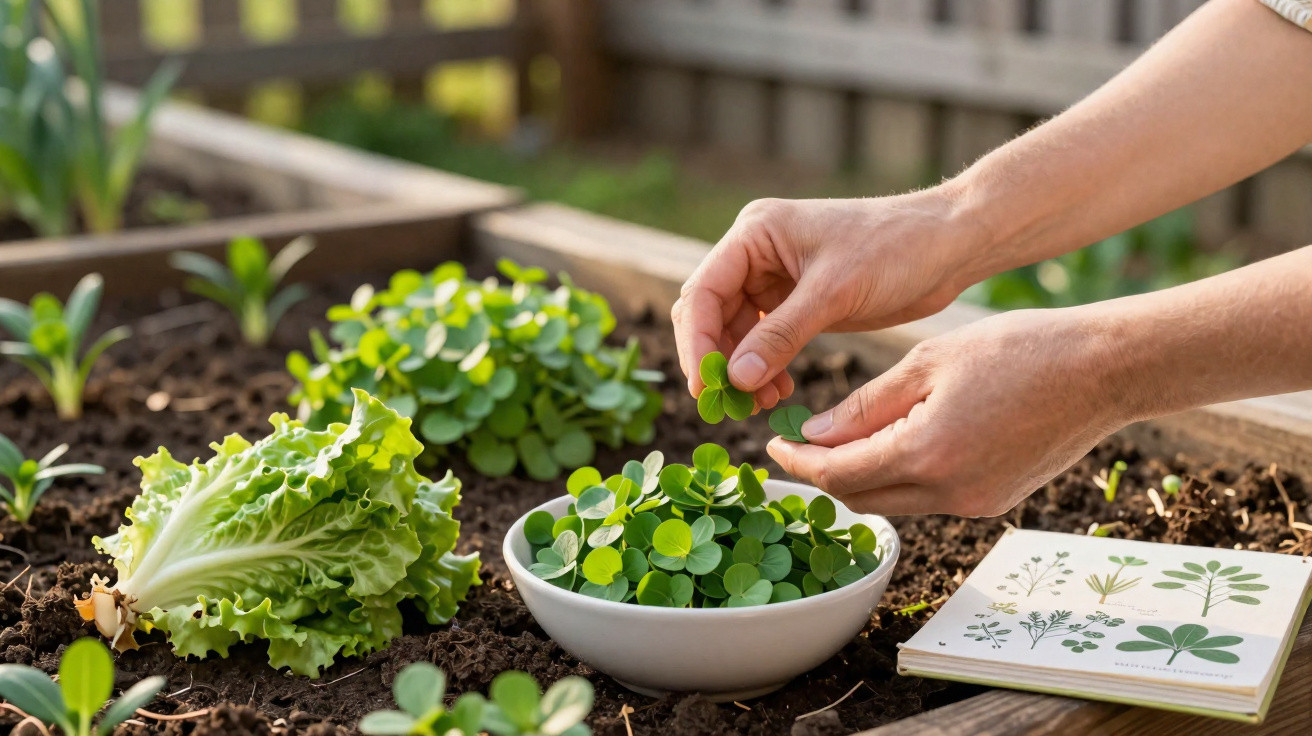
At the end of March, a delicate, pale-green plant pushes its way to the front of the border among tulips, perennials and veg. If you don’t recognise it, you might dismiss it as pesky weed and fling it on the compost. In reality, it’s one of spring’s most valuable wild herbs: chickweed (Stellaria media). It turns up almost everywhere, is easy to pick, and can more than hold its own against any salad leaf - for both flavour and nourishment.
What’s spreading in the bed - and why it deserves to stay
Chickweed (Stellaria media) forms dense, soft mats along the soil surface. It races across the ground, especially in slightly damp, nutrient-rich soil. That’s exactly why many gardeners find it irritating: it seems to compete with vegetables for space and light.
But take a closer look and you’ll see it isn’t prickly or tough. It’s tender, juicy and soft. The leaves are oval-shaped, and the stems are thin and flexible. One particularly useful identification feature is a fine line of hairs running down one side of the stem - a classic clue when you’re checking what you’ve found.
"Chickweed isn’t a problem plant in the garden - it’s a free, constantly regrowing source of vitamins."
In late March especially, when salad plants are still small - or not yet planted out at all in many gardens - chickweed is already producing a generous amount of green growth. It keeps going even when nights are still cold, and it bounces back quickly after every cut.
Nutrient powerhouse on the plate: why chickweed is so valuable
This modest little plant is among the most nutrient-dense wild herbs of spring. Compared with many types of lettuce, it offers a noticeably higher concentration of vitamins and minerals.
- rich in vitamin C - supports the immune system
- iron - important for blood formation and energy
- calcium - for bones and teeth
- potassium - helps regulate fluid balance and blood pressure
- magnesium - plays a role in muscles and nerves
After winter, the body often benefits from an extra supply of fresh vitamins. In the past, people deliberately used wild herbs such as chickweed to ease deficiency symptoms and spring tiredness. Today, the leaves are often right outside the door - yet hardly anyone makes use of them.
Chickweed has also been mentioned in traditional folk herbal practice for a long time. It was used, among other things, as a home remedy for skin problems, mild inflammation or respiratory complaints. Modern studies indicate anti-inflammatory and pain-relieving effects from certain compounds, which partly support these traditional uses.
How to identify chickweed with confidence
To make sure your spring salad stays a pleasure rather than a risk, correct identification matters. Fortunately, chickweed has several very distinctive features.
Key identification features at a glance
- Growth habit: low, dense mats on the ground with creeping stems
- Leaves: small, soft, oval, arranged in opposite pairs
- Stems: very thin, flexible, with a single-sided line of fine hairs
- Flowers: tiny and white; they look like ten petals but are actually five deeply split petals
You can feel the hairy stripe on the stem if you roll it gently between your fingers. That small detail is particularly helpful for avoiding mix-ups with similar-looking but non-edible plants.
"If you’re unsure, take your time to look at the plant more than once - when foraging wild herbs, safety always comes first."
Why it’s better than lettuce in late March
While the first garden lettuces can still look a bit feeble - or are only just getting going in a greenhouse - chickweed tends to grow with real enthusiasm. That makes it an ideal “gap-filler” on the plate in late March.
| Criterion | Garden lettuce from the bed | Chickweed |
|---|---|---|
| Availability in late March | often still limited | present in large amounts in many gardens |
| Nutrient density | moderate | very high, especially vitamin C |
| Effort required | sowing, planting, watering | grows by itself, no sowing needed |
| Harvesting | cut whole heads, longer wait | simply “mow” with scissors |
The flavour surprises many people the first time they try it: mild, slightly pea-like, sometimes with a hint of nuttiness. Nothing bitter, nothing hot - ideal for children and anyone who prefers gentler tastes.
How to use chickweed in the kitchen
Chickweed is easy to work into all sorts of dishes. The main thing is to use it fresh, because it contains a lot of water and loses flavour and active compounds when dried.
Fresh ideas for the table
- Spring salad: use chickweed as the base, or mix it with rocket, lamb’s lettuce and radishes.
- Soup topping: finely chop and scatter over vegetable soup just before serving.
- On bread: on a slice of bread with cream cheese or hummus - like a mild cress.
- In a smoothie: blend a handful with banana, apple and water for a green vitamin boost.
- Pesto: whizz with nuts, oil, garlic and a little hard cheese to make a wild-herb pesto.
"The fresher chickweed gets into the kitchen, the more intense its flavour and nutrients remain."
For picking, scissors work best: snip off the tender top growth. The plant then re-sprouts and can provide fresh portions for weeks.
Home remedies made from chickweed
Alongside its role in the kitchen, many people also use chickweed externally in traditional ways. Freshly crushed plant material can be placed on small areas of skin, for example for mild irritation. Some people make an oil infusion and use it as the base for homemade salves.
If you want to try making your own remedies, do your homework and be absolutely sure of the plant’s identity. For serious symptoms, a herbal poultice is not a substitute for medical treatment.
Chickweed as feed for pets and livestock
Chickweed isn’t only useful for people. Many animal keepers like to add it to their animals’ diets.
- Chickens: happily peck at the tender leaves and benefit from vitamins and minerals.
- Goats: can have chickweed as a fresh addition to their usual feed.
- Rabbits: generally tolerate the herb well in moderate amounts and it adds variety to greens.
- Guinea pigs: benefit from the high vitamin C content, as they can’t produce it themselves.
As with any fresh herb, introduce it gradually and don’t serve a whole bucketful at once. Sudden changes can upset sensitive stomachs.
Tips for gardeners: from “weed” to a regular resident
Once you’ve recognised what chickweed offers, you start looking at your beds differently. What you used to pull out becomes a convenient, edible crop you can harvest again and again.
How to integrate chickweed smartly in the garden
- Deliberately leave small patches between rows of vegetables.
- Use it as a living mulch layer: it helps the soil stay moist and reduces erosion.
- Cut the top growth regularly rather than removing the plant completely.
- Make sure it doesn’t smother very young cultivated plants.
If you garden in pots on a balcony, chickweed often appears by itself in boxes and containers. Instead of binning it straight away, it’s worth trying a small salad - provided the area hasn’t been heavily fertilised or sprayed.
Where you should take care
However valuable chickweed can be, a few basic rules help you avoid unpleasant surprises:
- Never collect from roadsides, dog-walking routes or contaminated ground.
- Never eat plants you can’t identify with certainty.
- If you have allergies, try a small amount first.
- Always wash the leaves thoroughly under running water.
If you take medication or live with chronic illness, it’s sensible to discuss larger amounts of wild herbs with a qualified professional. For healthy people, occasional portions as a salad or side are generally unproblematic - and they can add a real lift to everyday meals.
Fancy more wild herbs? How to get started
Chickweed is a perfect introduction to foraging and wild plants: easy to identify, mild in flavour, and found almost everywhere. Starting with it quickly trains your eye for small details in the garden you might previously have overlooked.
One practical approach is to harvest a handful of chickweed each week in March and April and use it in different dishes - in a spread one day, in a salad the next, then in a smoothie. That way you’ll quickly feel just how versatile this “weed” is, and how easily it can replace classic lettuce in everyday cooking.



Comments
No comments yet. Be the first to comment!
Leave a Comment