
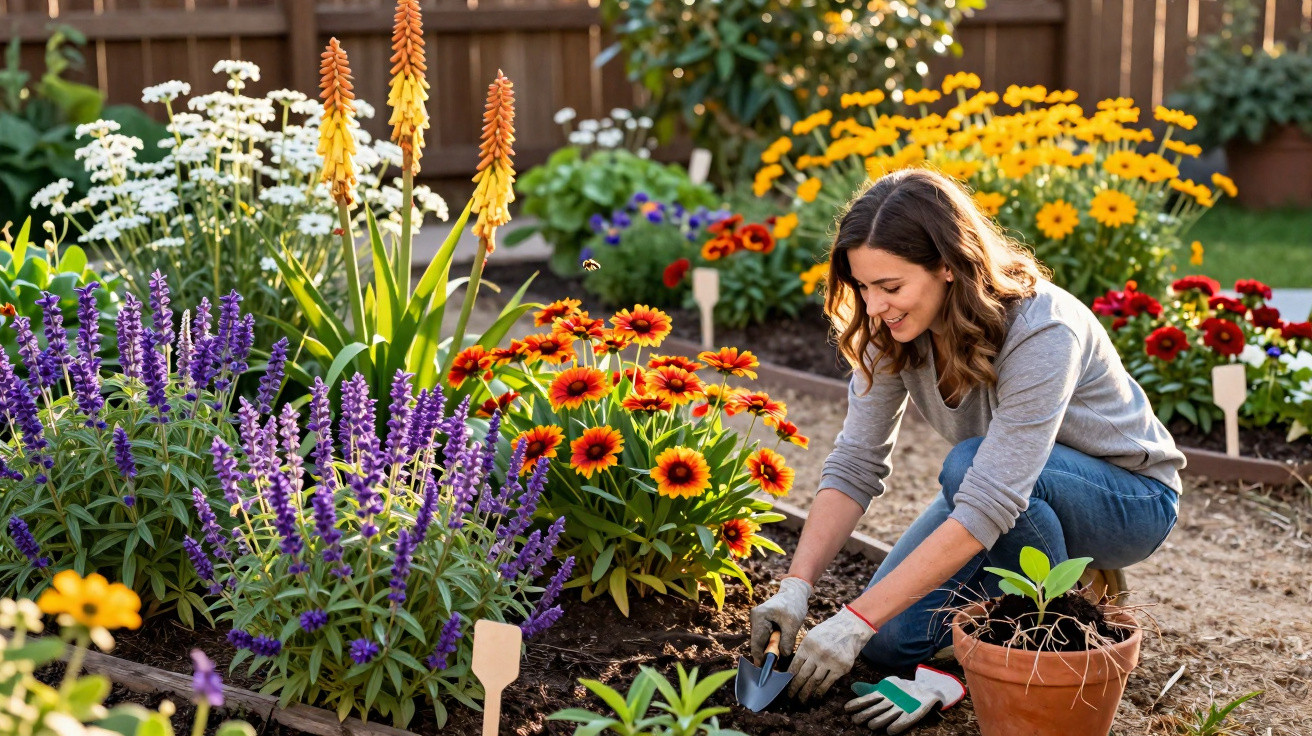
Plenty of amateur gardeners will recognise the pattern: in spring the bed is prepped, a few plants go in - and then it feels as if nothing happens for ages. Weeds quickly colonise the gaps between the small clumps, the soil looks bare, and the vision of a sea of flowers starts to slip away. The good news is that there are tough, long-lived perennials that really get moving and can knit those spaces together surprisingly fast.
Why fast-growing perennials are so useful
Perennials return year after year, so you don’t have to replant them each season. They die back in winter, push up fresh growth in spring, and generally become stronger as the years pass. If you choose varieties that put on growth quickly, you save both time and the cost of topping up borders with seasonal bedding.
“Fast-growing perennials turn bare patches into dense, colourful carpets within just a few seasons - and make life difficult for weeds.”
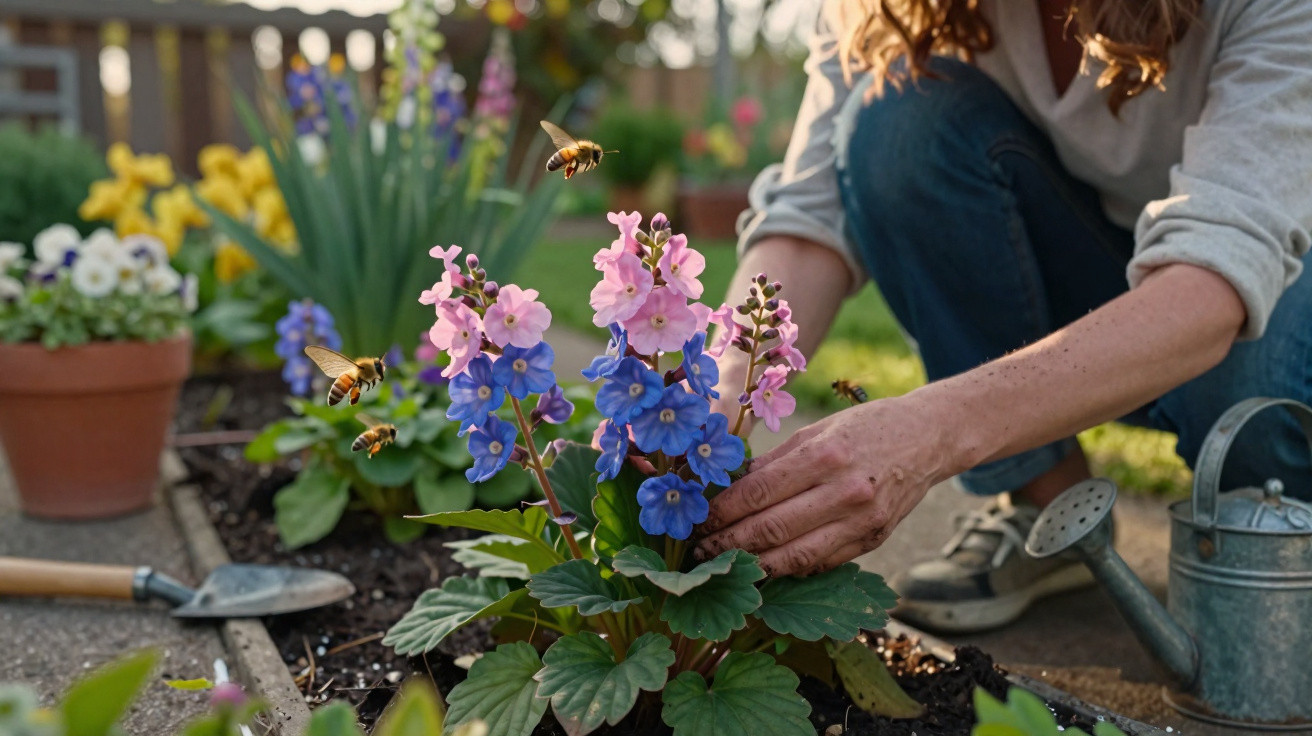
Many of these plants are also rich in nectar and pollen. Bees, bumblebees and butterflies benefit from the long flowering period, and the garden feels more alive and dynamic. You end up with a colourful, low-maintenance framework that also supports biodiversity.
In a typical perennial border, there’s a familiar rhythm: year one is mostly about rooting in, year two brings obvious growth, and by year three plants usually occupy the space you planned for them. The species described here speed that cycle up - particularly when their light and soil needs are broadly met. As a guide, “full sun” means around six hours of direct sunlight a day, while “partial shade” is roughly half of that.
How to help perennials get going faster
To build momentum, the soil needs at least some basic preparation. Almost all the plants listed below prefer loose, free-draining ground. Waterlogging slows growth, and so does drought stress while they’re establishing.
- Remove weeds thoroughly before planting
- Loosen the soil with a spade or digging fork
- Work in compost or well-rotted manure
- Soak the root ball briefly before planting
- Water regularly during the first season
If you plant well-rooted container-grown specimens rather than tiny young plants, you effectively shift up a gear. They begin with a “head start” because they already have more roots and stored energy. Once established, many of these species cope remarkably well with heat and dry spells.
Another helpful move is to add a mulch layer of bark compost, woodchip or coarse grass clippings. This reduces evaporation, suppresses weed seedlings and encourages soil life. The perennials can then focus on growing instead of competing with weeds.
10 perennials that fill beds in record time
1. Agastache – fragrant, long-flowering plants for sun
Agastache (often sold as giant hyssop) forms dense, upright clumps in a sunny spot. Its candle-like flower spikes appear from mid-summer into autumn and are effectively mobbed by insects. Growth is particularly quick in free-draining, relatively lean soils.
A bonus: many cultivars smell of aniseed or mint. If you cut back spent stems in good time, you’ll often encourage a second flush of flowers and keep the plant neat and compact.
2. Catmint (Nepeta) – an easy blue flowering carpet
Catmint rapidly becomes broad, semi-domed mounds that spill like a soft blue haze along the edge of a bed. Flowering often begins in late spring and, with brief pauses, can continue well into summer. Once settled in, it tolerates drought surprisingly well.
“Catmint looks like a soft, blue cushion in the border - perfect for visually softening hard edges along paths or in front of walls.”
If you cut it back firmly after the first main flush, you’ll get fresh foliage and a second, slightly later bloom. It partners brilliantly with roses, ornamental grasses and airy perennials.
3. Tickseed (Coreopsis) – summer sunshine in yellow
Coreopsis keeps colour coming with countless flowers, usually yellow or bi-coloured, creating a long-lasting display. The plants grow upright, branch readily and bloom for weeks on end. In full sun and on poorer soils, they really take off.
They’re also forgiving if you’re short on time: removing faded flowers now and then is usually enough to extend the flowering period noticeably.
4. Blanket flower (Gaillardia) – hot colours well into autumn
Gaillardia blends warm reds, yellows and oranges in a single flower, giving it an almost Mediterranean feel. It loves warmth, copes with dry conditions and can grow into substantial clumps within a few months.
Combine it with ornamental grasses or silver foliage (for example, Stachys) for a modern, light border look that works well even in small gardens.
5. Gaura (Gaura lindheimeri) – airy clouds of bloom
Gaura adds a sense of lightness to a perennial border. Its thin stems sway in the breeze, and the white-to-pink flowers look as if they’re floating above the planting. Although each flower is delicate, the plant blooms for a long time and closes gaps unexpectedly quickly.
It suits naturalistic, open planting schemes - with grasses or loosely growing roses, for instance - and it handles sunny, dry positions extremely well.
6. Red hot poker (Kniphofia) – an exotic focal point with fast growth
With upright flower spikes in yellow, orange or red, Kniphofia looks almost tropical. Its leaves form taut clumps that add strong structure to borders. Once rooted in, it grows vigorously and, over time, develops impressive clumps.
It prefers sun and soil that doesn’t stay too wet in winter. Planted alongside stones or gravel, it looks especially striking.
7. Hardy geraniums – versatile, ground-covering workhorses
Hardy geraniums (not to be confused with the balcony pelargoniums often called “geraniums”) make excellent ground cover. Their shoots spread quickly, plug holes in planting and help suppress weeds. On top of that, they offer anything from soft to vivid flowers in pink, blue or white.
“If you place hardy geraniums at the front of borders, you’ll get a lively, low carpet of plants in a short time.”
Many varieties flower from late spring into early summer, then provide attractive foliage afterwards - often turning bright colours in autumn.
8. Perennial salvias – violet flower spikes with added value
Perennial salvia brings calm and structure with upright flower spikes in violet, pink or white. The plants break strongly into growth, flower for a long period and attract large numbers of pollinators.
Cutting back straight after the main flush encourages fresh growth and often triggers a second, smaller wave of flowers. For sunny, rather dry spots, salvia is one of the most reliable partners you can choose.
9. Daylilies – low-effort clumps with new flowers day after day
Daylilies build into powerful, grass-like clumps within a few years, adding real volume to a bed. Each individual flower lasts only a day, but the plants produce so many buds that fresh blooms keep appearing for weeks.
If you mix varieties with staggered flowering times, you can keep colour going from early summer to late summer - from pale yellow through apricot to deep reds.
10. Bee balm (Monarda) – an aromatic perennial for pollinator lovers
Monarda spreads via underground runners and, within a few years, forms dense carpets. Its distinctive, “shaggy” flower heads in red, pink or purple draw bees, bumblebees and butterflies in large numbers.
It’s happy in sun to partial shade and prefers soil that doesn’t dry out completely. If you divide it regularly, it stays vigorous and well-shaped.
How to plan a fast perennial border
To make sure the garden fills quickly but also looks good for the long haul, it helps to sketch a rough plan. A simple grid is often enough:
- Place tall plants such as red hot poker or daylily towards the back
- Put mid-height bloomers like Agastache, Monarda and salvia in the middle
- Use low ground cover such as catmint or hardy geraniums along the front edge
Mixing flowering periods helps prevent “gaps” through the season. Here’s one low-maintenance example for a sunny border:
| Position | Plant | Main flowering period |
|---|---|---|
| Background | Red hot poker, daylily | Summer to early autumn |
| Middle | Agastache, Monarda, salvia | Summer |
| Foreground | Catmint, hardy geraniums | Late spring to summer |
Key care tips for borders that stay dense
The flip side of fast growth is that some species can overwhelm neighbouring plants if left entirely to their own devices. Dividing clumps every few years rejuvenates perennials and keeps the balance in the planting.
Feeding also matters. Too much fertiliser may boost leafy growth, but it can make plants softer and more prone to disease. In most gardens, a single layer of compost in spring is more than sufficient.
Why fast-growing perennials are in demand right now
With warmer temperatures and longer dry spells, many people want gardens that don’t rely on constant watering. Several of the perennials listed cope with less water once established, and compared with lawns they generally need attention far less often.
If you’ve moved into a new-build or taken on an overgrown garden, you may not want to wait five years for borders to look reasonably full. Fast-growing perennials are a way to “fast-forward”: they create structure and colour quickly, while slower shrubs and long-lived but more gradual plants catch up in their own time.
One final tip: if you’re unsure, begin with one or two beds close to the house. Seeing them every day makes it easier to judge what works, which plants earn their place, and where tweaks are needed. With each season, the border won’t be the only thing that grows - your experience will too.

Comments
No comments yet. Be the first to comment!
Leave a Comment