
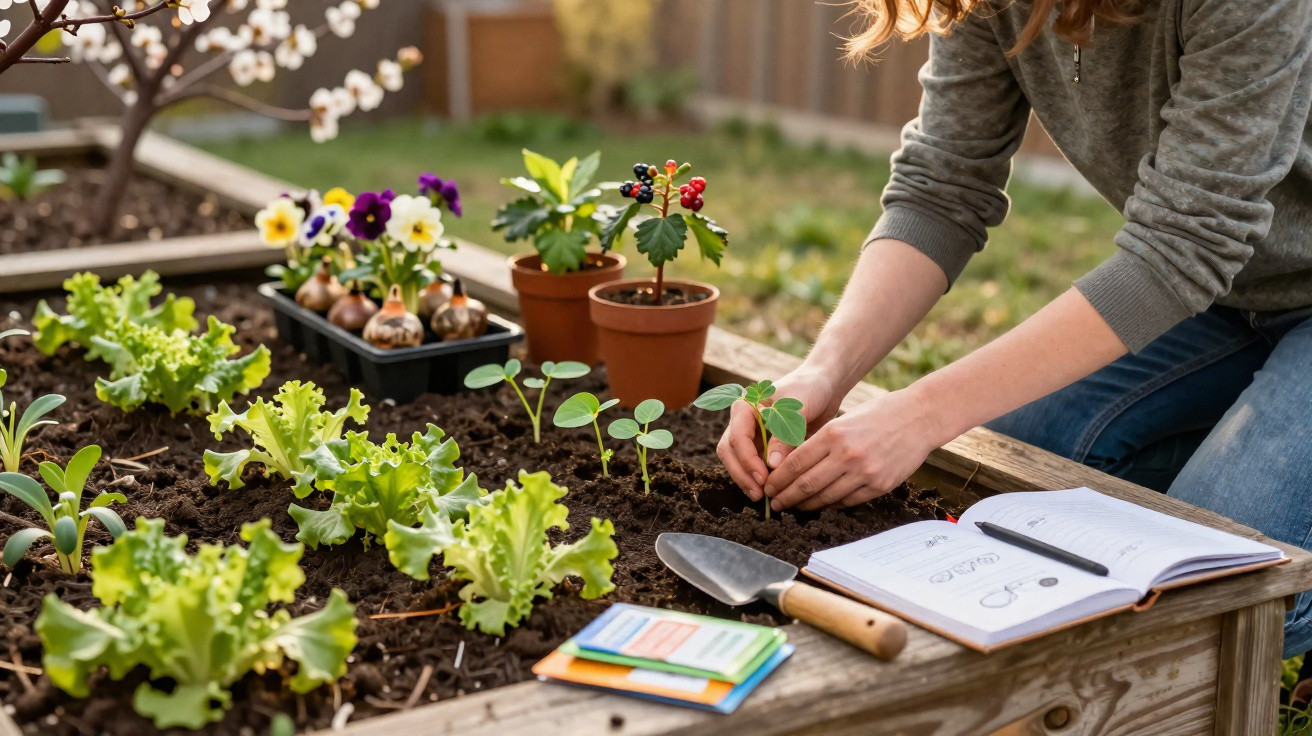
Planting wisely in March sets you up for generous flower borders, productive vegetable beds and a strong harvest through summer and autumn. As the soil begins to warm and the risk of prolonged hard frost eases, many plants benefit from the head start. It’s the moment to fetch the spade, seeds and secateurs from the shed.
Why March is so important in the garden
March is when the garden properly stirs back to life. The ground starts to thaw, and weeds are often the first to push through-an unmistakable sign that plenty of ornamental and edible plants can get moving too. Sowing and planting now effectively brings the whole season forward.
"Planted in March often means: earlier flowering, earlier harvests and stronger plants."
Even so, conditions can be unpredictable. Mild spells can be followed by ground frosts, heavy rain or dry stretches. Home gardeners can stay on top of this by choosing suitable plants and doing a little planning.
Flower power: these blooms get going now
Early flowers and cut flowers for colourful beds
If you want to cut summer bouquets from your own garden, March is when you begin. Hardy annuals that cope well with cooler temperatures are especially useful at this time.
Popular choices to sow or plant in early spring include:
- Calendula (marigolds) – easy to grow, great for filling gaps, beneficial for insects
- Pansies and violas – ideal for window boxes and containers, often flowering right into autumn
- Cornflowers – a classic cottage-garden favourite, perfect for a meadow-style look
- Sweet peas (as young plants) – climbing cut flowers with a strong fragrance
Depending on where you live, these can go straight into beds or containers. In colder, more exposed areas, it’s often better to start them under glass or indoors and plant them out later.
How to make the first sowings succeed
- Rake the soil to a fine tilth and remove larger stones
- Avoid working wet, sticky soil-wait for a drier day
- Sow thinly and cover only lightly with soil
- Water gently, then keep evenly moist without waterlogging
"Loose, stone-free soil is crucial for seedlings and roots so they can develop straight and strong."
Summer flowers with a head start: planting shrubs and bulbs
Summer-flowering bulbs and tubers
For a burst of colour in June, July and August, you need to start in late winter and early spring. Summer-flowering bulbs and tubers are usually planted from late February to early April, once severe ground frost is no longer likely.
Typical options that are well suited to planting in March include:
- Lilies – elegant blooms, ideal for borders and pots
- Tuberous begonias – well suited to part shade and balcony containers
These plants generally prefer:
- free-draining, slightly moist soil
- no standing water
- a thin mulch layer to help protect against late frosts
Flowering shrubs for early summer colour
Alongside bulbs, March is also a good time to plant many flowering shrubs. They form the garden’s permanent framework and deliver reliable blossom year after year.
Suitable choices include:
- Weigela – flowering from spring into summer with abundant pink or white blooms
- Ceanothus (California lilac) – a blue-flowering ornamental shrub popular with insects
- Hydrangeas – a classic for part-shaded areas
- Rhododendrons – best for acidic soils, bringing bold colour in spring and early summer
"Shrubs are best planted into moist, well-drained soil and watered regularly in the first few months until they have properly rooted."
Vegetables and fruit: harvest planning starts now
Sowing root crops and brassicas in March
As soon as the soil is no longer frozen and can be loosened by hand, you can sow directly into the bed. Many sturdy vegetable crops are comfortable in the remaining cool conditions.
Typical crops for direct sowing in March include:
- Brassicas such as white cabbage, broccoli and cauliflower
- Kale – excellent for harvesting in late autumn and winter
- Corn salad
- Land cress
- Peas and broad beans
- Onion sets and onion seed (maincrop onions)
- Parsnips and turnips
A number of these need a long growing period to reach harvest. Sowing them in March helps you make the most of the year.
Starting salads, tomatoes and chilli under cover
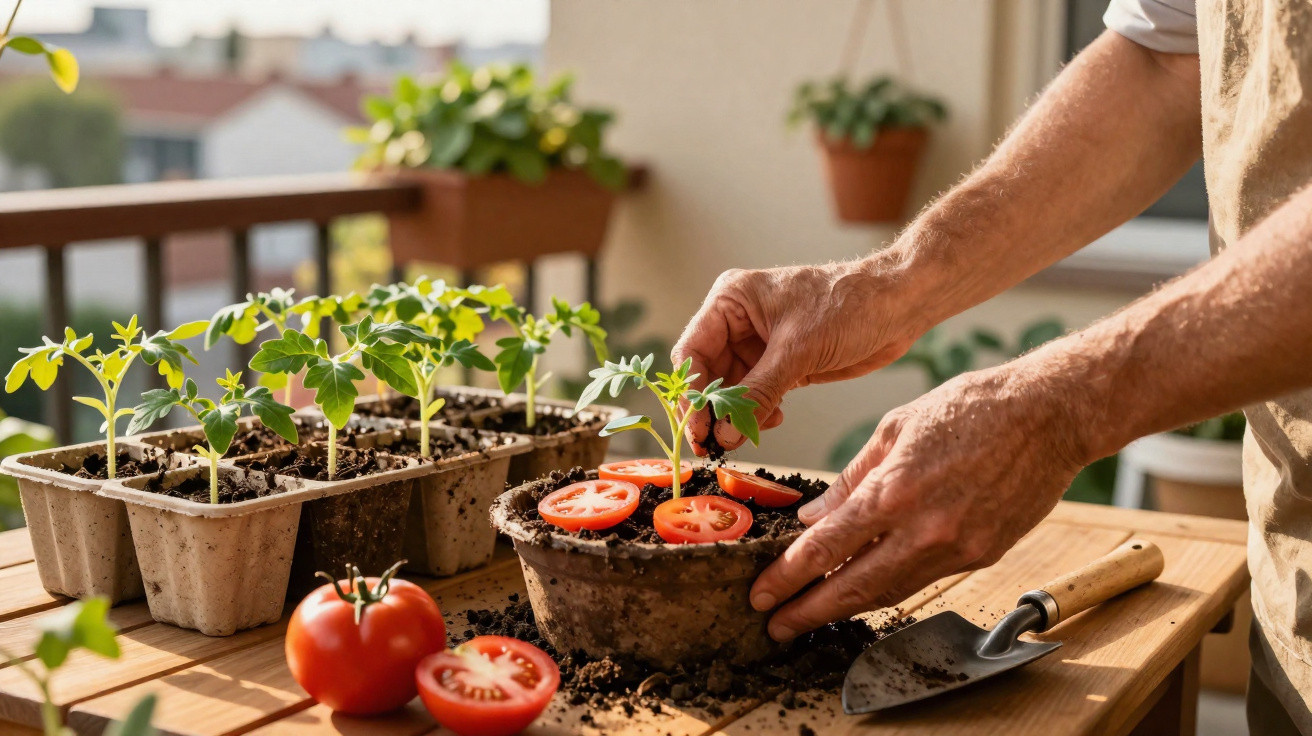
Warmth-loving crops such as tomatoes and chilli should be sown now in pots indoors or in a greenhouse. They need a long season in order to crop heavily in summer.
Seeds that suit March sowing include:
- Lettuce (head lettuce and cut-and-come-again)
- Spinach
- Mustard greens or Asian salads (mustard)
- Corn salad
- Chilli
- Tomatoes
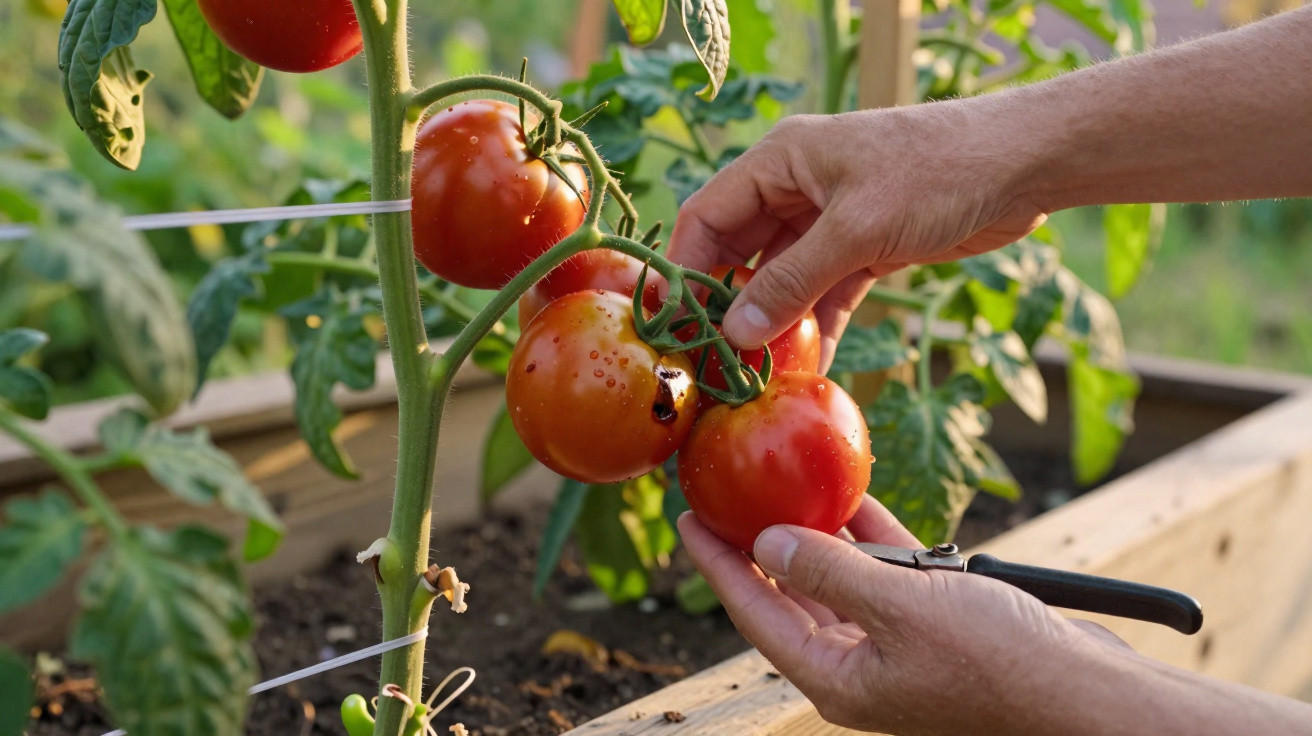
"The earlier tomatoes and chilli get going in warmth, the better the harvest tends to be in late summer-provided they later receive enough light and nutrients."
Don’t forget fruit trees and berry bushes
For apple and pear trees, March is often the last chance for formative pruning before the buds break. A targeted cut lets more light into the crown and helps create sturdier branches.
It’s also worth checking garden centres now: container-grown berry bushes such as currants, gooseberries or raspberries can be planted at this time. With good care, they often produce a worthwhile crop from the second year.
Dealing with warmth and weather extremes
In many areas, spring is noticeably warmer than it was a few decades ago. That can cause some plants to break into growth earlier-only to be hit by late frosts. At the same time, heavy downpours and longer dry spells are becoming more common.
A few straightforward measures can help:
- Add water storage: water butts, mulch layers and humus-rich soils keep moisture in the garden for longer.
- Improve soil structure: work in compost to boost water-holding capacity and reduce the risk of waterlogging.
- Keep frost protection handy: horticultural fleece, old bedsheets or jute sacks can cover young plants during sudden cold snaps.
- Think “sponge garden”: make beds slightly raised so excess water can run off, while mulch and plant diversity help stabilise the soil.
"A garden that can hold water well, but also drain it away, copes far better with heavy rain and dry periods."
In March, already think ahead to April and autumn
Planning a little further ahead now can save a lot of pressure in midsummer. A quick look at the calendar helps: in April the soil usually warms further, and many gardeners move into the main planting season.
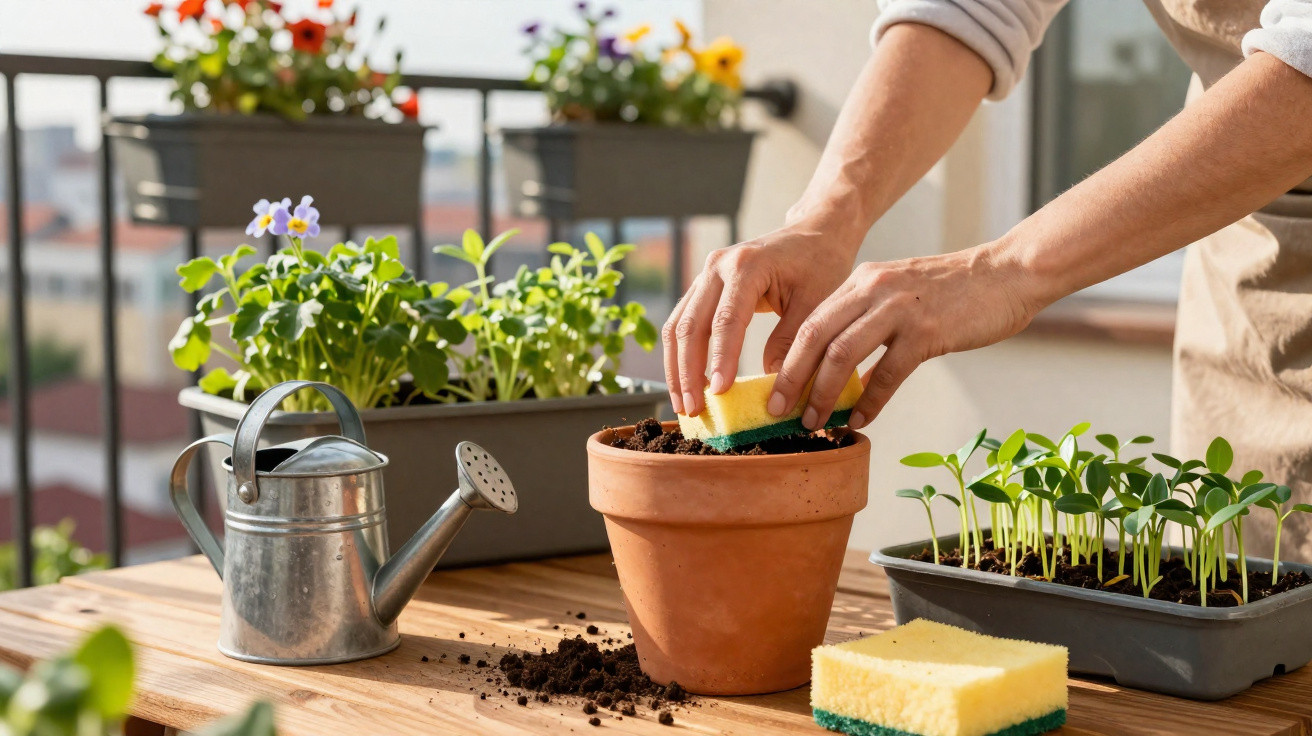
One topic that’s easily overlooked is culinary herbs. The March-to-April transition is ideal for creating a herb bed or a herb spiral. In pots or beds, plants such as basil, parsley and chives do well when they get plenty of light and aren’t left sitting in water.
At the same time, it pays to keep the autumn harvest in mind. Anyone starting sunflowers, pumpkins and courgettes in April can look forward to strong yields in late summer and early autumn. March is a good time to prepare propagation pots, sort seed packets and map out where beds will go.
Practical combinations and common March mistakes
| Plant group | Sensible in March | Typical mistake |
|---|---|---|
| Flowers | Calendula, cornflowers, pansies, sweet peas | Sowing too thickly, not providing a bright spot |
| Vegetables | Peas, broad beans, brassicas, parsnips | Sowing into cold, wet soil-seeds rot |
| Salads | Spinach, cut-and-come-again lettuce, corn salad | No slug protection, too little water in dry spells |
| Shrubs | Hydrangeas, berry bushes, ornamental shrubs | Planting hole too small, compacted soil around the roots |
If you combine plants thoughtfully, you can get even more from the space you have: peas and beans enrich the soil with nitrogen via their root nodules, making them excellent preceding crops for hungry plants such as brassicas or pumpkins. Calendula scattered between vegetable rows attracts beneficial insects and can help deter some pests.
"March isn’t a ‘let’s wait and see’ month-it’s the moment when the foundations for the whole gardening year are laid."
With a mix of hardy early sowings, a few started plants, carefully chosen shrubs and an eye on weather extremes, you can achieve plenty-even on a balcony or in a tiny bed. Getting going now means that by summer and autumn you’ll not only have a fuller harvest, but also the satisfaction of having your garden up and running in good time.

Comments
No comments yet. Be the first to comment!
Leave a Comment