
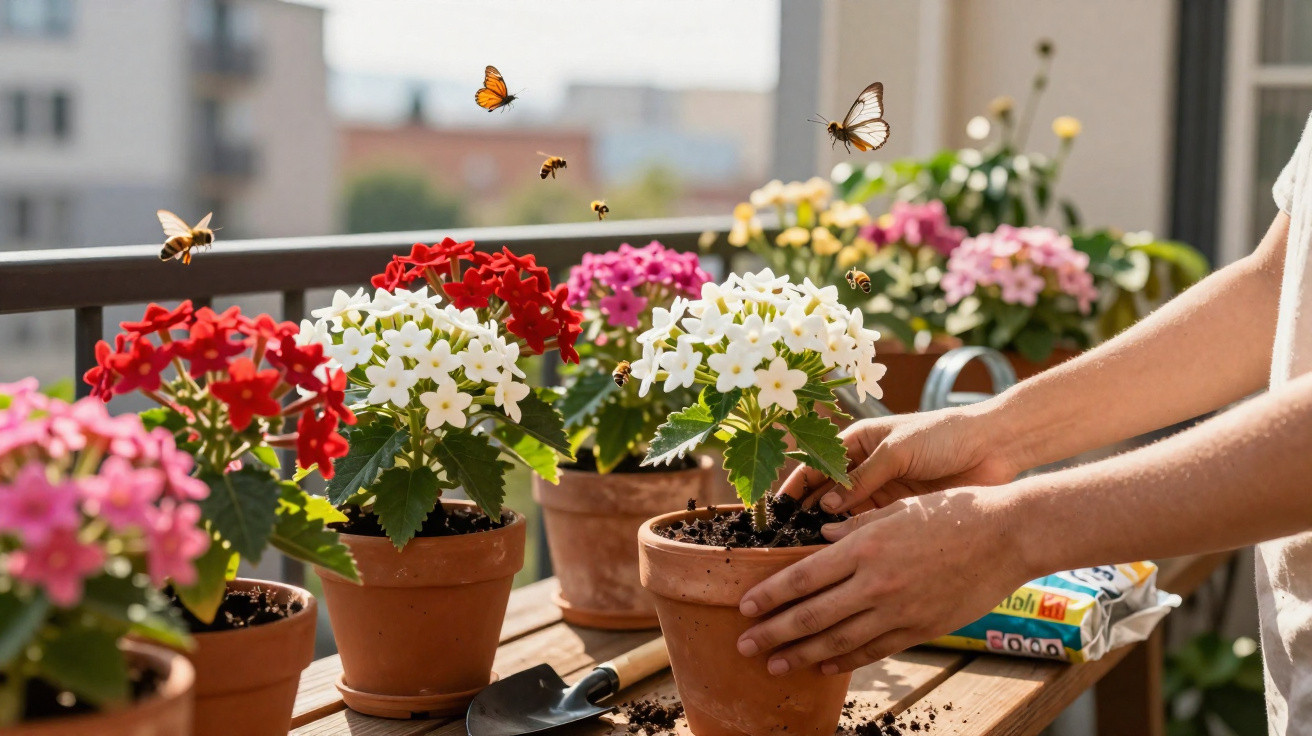
People with packed diaries often steer clear of labour-intensive borders, fussy perennials and delicate roses. Even so, the urge for more nature right on the doorstep keeps growing: bright flowers, bees, butterflies-if need be, even if it’s just one large pot on a balcony. That is exactly where a plant shines that is still surprisingly undervalued in Germany: Pentas, commonly sold as the “Egyptian starflower”.
Why this flower is a magnet for bees and butterflies
Pentas (botanical name: Pentas lanceolata) originally come from tropical regions. In their native habitat they develop into lush, semi-woody shrubs; here they are usually grown as annual bedding plants or balcony container plants. Their hallmark is the tight clusters of blossom made up of countless small, star-shaped flowers-hence the name “starflower”.
Colour options range from bold red to pink and violet through to pure white; some varieties even glow in soft salmon or appear bicoloured. For insects, though, colour matters less than what’s inside: the flowers produce a great deal of nectar.
“Pentas work in the garden like a small filling station for pollinators-once planted, they provide a steady stream of nectar for weeks.”
From late spring through summer, honeybees, solitary bees and butterflies visit the plants regularly. In warmer regions, Pentas are even frequented by hummingbirds. In Central European gardens, butterflies and bumblebees take on that role. If your garden otherwise relies on short-lived ornamentals, just a few plants can provide a more dependable food source.
Flowering period: when others fade, Pentas keep going
One of the strongest reasons to choose Pentas is their long flowering season. In our conditions it typically begins in the later days of spring and continues right up to the first harder frosts. While some perennials pause after a few weeks, Pentas keep producing fresh blooms.
Late summer in particular can create a gap in food availability for insects. Many spring flowers are long finished, and some summer annuals are already running out of steam. Pentas bridge that dry spell, still offering plenty of nectar when the rest of the garden can start to look tired.
Positioning: where Pentas thrive in the garden and on the balcony
This plant loves warmth and light. The best spot is sunny to lightly shaded, sheltered from wind and not too cool. In areas with mild winters it may even survive in the ground as a perennial, but in most places it’s treated as an annual summer bloomer.
For hobby gardeners, two factors matter most: a loose growing medium and reliable drainage. The plant copes far better with brief dry spells than with waterlogged soil.
- A sunny terrace, south-facing balcony or bright front garden is ideal.
- In borders: loosen the soil with compost or multipurpose compost so water can drain away well.
- In pots: always choose a container with a drainage hole and add a layer of expanded clay or gravel for drainage.
- In very windy locations, place it somewhere more sheltered-otherwise the shoots can snap over easily.
Planting Pentas: an easy, low-stress start to the season
In spring and early summer, Pentas are widely available in garden centres as pre-grown young plants. If you buy sturdy specimens, you’ll have colour in a pot or border almost immediately after a short settling-in period.
- Pick the right time: plant out only once there’s no risk of night frosts.
- Leave enough space: in borders, keep about 30 to 40 centimetres between plants so air can circulate and they don’t become bare.
- Water in well: after planting, water thoroughly so the roots make good contact with the compost/soil.
- Mulch: a thin layer of bark mulch or grass clippings helps the soil retain moisture for longer.
On a balcony, one or two larger containers are enough to create a noticeable effect. In mixed planters, Pentas pair well with other sun-lovers such as verbenas, bidens or low-growing ornamental sage.
Care: a few simple jobs, masses of flowers
Despite their lush look, Pentas are straightforward to maintain. Stick to a handful of basics and they’ll perform all summer.
| Care task | Frequency | Benefit |
|---|---|---|
| Watering | Regularly, when the top layer of compost feels dry | Prevents drought stress, encourages continuous flowering |
| Feeding | Every 3–4 weeks with liquid feed for flowering plants | Supports vigorous growth and lots of flowers |
| Deadheading | As needed, ideally weekly | Prompts fresh buds and keeps the plant compact |
| Cold protection | Only necessary during late frosts or for overwintering | Prevents frost damage |
The key job is removing spent flower clusters. If you pinch off dead blooms or trim them with scissors, you direct the plant’s energy into fresh buds. That keeps the whole plant dense and looking almost constantly fresh.
Frost as the weak point: how to get your Pentas through winter
Pentas do not tolerate frost. If temperatures stay below freezing, plants left outdoors will die back. If you have no indoor space, simply treat them like typical summer bedding and replace them next year.
If you enjoy experimenting, you can overwinter selected plants in pots:
- Before the first frosts, move them to a bright, preferably cool room or an unheated, well-lit conservatory/veranda.
- Water less, but don’t let the compost dry out completely.
- In early spring, cut back lightly to encourage fresh, strong shoots.
This way, a “summer plant” can turn into a surprisingly large bush in its second year-producing even more flowers and therefore even more food for pollinators.
Using Pentas to support greater biodiversity
If you want to help small garden wildlife with minimal effort, Pentas can be built into a wider planting plan. They combine well with other nectar-rich species that provide food at different times of year.
Good partners include:
- Early bloomers such as crocuses and grape hyacinths
- Summer flowers such as lavender, catmint and sage
- Later-flowering perennials such as Michaelmas daisies and stonecrop
In balcony boxes, this creates a simple “multi-course menu” for pollinators-from the first mild spring day right through into a golden autumn. Pentas often slot in precisely where little else is flowering.
Common mistakes and how to avoid them
Most Pentas problems come down to a small number of causes:
- Too little light: in permanent shade, the plant produces long, thin shoots and few flowers. Move it to a brighter spot, or choose a sunnier position next year.
- Waterlogging: yellowing leaves and rotting roots suggest water can’t drain away. A drainage layer and free-draining compost/soil prevent this.
- Lack of nutrients: if the plant stays weak and forms only a few buds, regular liquid feed for flowering plants will help.
Balcony growers in particular often underestimate how quickly pots dry out. On very hot days, watering once in the morning and once in the evening can be necessary. A light mulch of bark chips or coconut fibre reduces this effect.
Why Pentas are ideal for beginners and balcony gardeners
Pentas forgive small care slip-ups, respond well to a little feeding, and flower noticeably once they’re happy in their spot. That makes them a great choice for anyone who “doesn’t really have green fingers” but still wants to do something for bees and butterflies.
If space is limited, start with a large container and two to three plants in different colours. After a few weeks, you’ll usually see a lively scene: buzzing insects, fluttering butterflies and a cloud of flowers that brings real garden atmosphere even to a small city balcony.
What looks like an unremarkable purchase at the garden centre can become a visible contribution to biodiversity-while also being a true eyecatcher that keeps giving pleasure all summer.

Comments
No comments yet. Be the first to comment!
Leave a Comment