
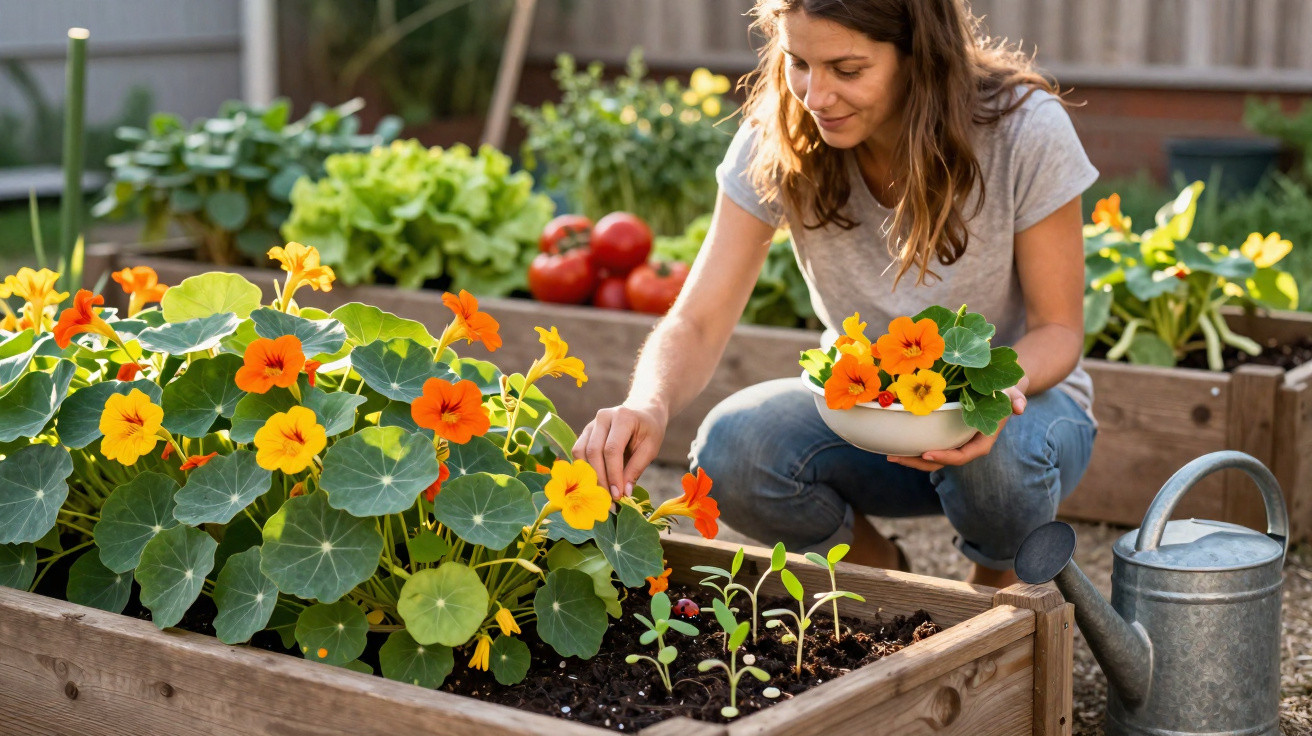
Between seed trays, planting plans and the excitement of that first harvest, an old favourite suddenly reappears: nasturtium. For decades it was treated as a pretty edging plant for a fence or a splash of colour in a window box. Now it is moving centre stage for anyone trying to garden cleverly, comfortably and with fewer resources. What looks like a harmless summer flower turns out to be a shield for delicate vegetables, a buffet for beneficial insects and even an ingredient for the kitchen.
Nasturtium celebrates its comeback in the veg patch
For a long time, nasturtium was more likely to be seen trailing from balcony planters-attractive, but rarely taken seriously. With the rise of wildlife-friendly gardening, permaculture and cutting back on chemicals, it is enjoying a clear resurgence. Gardeners want beds to work twice as hard: they should look good, but they should also earn their keep. This tough, unfussy flower fits that brief.
A packet of seeds costs only a few pounds and is enough to spread across entire beds. The plants weave themselves in among tomatoes, courgettes or beans without smothering them. Many people now swap out classic companion plants such as marigolds and lean far more heavily on nasturtium as a “multi-purpose tool” in the garden.
“Nasturtium is no longer a simple ornamental plant, but a building block for a stable, living ecosystem in your own beds.”
That refreshed reputation suits the times: more and more home gardeners want to spray as little as possible, use less water and still pick generous crops.
The unassuming bodyguard: how the flower intercepts pests
The main driver behind the current buzz is its protective, decoy-like effect. In a vegetable plot, nasturtium acts like a magnet for aphids. Rather than piling onto beans, peas or roses, aphids often congregate in large numbers on the plant’s softer, fresh growth.
Gardeners describe it as a “sacrificial plant”: a species you deliberately include to attract pests and take pressure off your productive crops. It may sound like you are inviting trouble, but in practice it is a smart, self-regulating approach.
- Aphids tend to concentrate on nasturtium instead of spreading throughout the bed.
- The dense aphid colonies attract ladybirds, hoverflies and their larvae.
- Those beneficial insects feed first on the nasturtium and then move on through the rest of the plot.
The result is a steadier loop: pests still appear, but beneficial insects curb them early-without reaching for sprays.
“If you plant nasturtium, you’re literally laying on a buffet for beneficial insects-and letting them patrol your vegetable garden for free.”
It can be particularly effective around beans, peas, peppers, tomatoes, cucumbers and near fruit bushes and trees. Instead of “rescuing” individual plants, you support the whole system and strengthen the natural enemies of common pests.
Flowering without fuss: this plant actually likes a lighter touch
Plenty of summer flowers demand constant watering, feeding and deadheading. Nasturtium plays by different rules. It often looks its best when you do not overdo the care.
Why less fertiliser can mean more flowers
In very rich soil, the plant may produce lots of leafy growth but fewer blooms. In poorer ground, the foliage stays more compact and more energy goes into flowering. So if you are hoping that extra feed will create even more colour, you will usually get the opposite.
- Poor to average garden soil is perfectly adequate
- Water moderately; once established, often only during extended dry spells
- Avoid constantly reaching for liquid fertiliser
Strongly trailing varieties are ideal for filling bare gaps in beds, greening up slopes or acting as living mulch between vegetable rows. That dense canopy shades the soil, reduces evaporation and slows down weed growth.
“With a few simple steps you save water, fertiliser and hours of weeding-nasturtium quietly does part of the job for you.”
From the bed straight onto the plate: edible flowers with bite
More gardeners are choosing nasturtium out of culinary curiosity, too. Almost the entire plant is edible, and its flavour can surprise even confident home cooks. The bright flowers-ranging from yellow through to deep red-turn a simple salad into something eye-catching.
How nasturtium is used in the kitchen
- Flowers: peppery and aromatic, reminiscent of cress or radish; ideal as a topping for salads, bowls or on a slice of bread with butter
- Young leaves: finely sliced into mixed salads or used as a punchy base for pesto
- Green seeds: picked unripe and pickled in vinegar as a budget, homemade alternative to capers
If you like experimenting, you can freeze the flowers in ice cubes to dress up summer drinks, or mix them into herb butter. That way, its role as garden protection comes with a clear bonus in the kitchen-without taking up any extra space.
Easy to grow: getting started in spring
Getting going with nasturtium is refreshingly straightforward. You do not need a heated greenhouse or any specialist kit. In many gardens you can sow straight into the ground once the risk of late night frosts has passed-typically from mid-May onwards.
Step-by-step guide for beginners
- Soak the seeds: The fairly large seeds benefit from being soaked overnight in lukewarm water to speed up germination.
- Choose a spot: Sunny positions deliver more flowers, though partial shade also works. It suits the base of tomatoes, courgettes, berry bushes or along fences.
- Sow: Push three to four seeds about 2 centimetres deep into the soil, leaving roughly 30 centimetres between each small group.
- Water in: Water well after sowing and do not let the area dry out completely over the next two weeks.
If you want earlier flowers, you can start seeds indoors in pots from April and plant out after the last frosts. Even on a balcony-in a planter box or a large container-nasturtium reliably produces flowers and edible leaves.
Where nasturtium delivers the biggest benefits in a bed
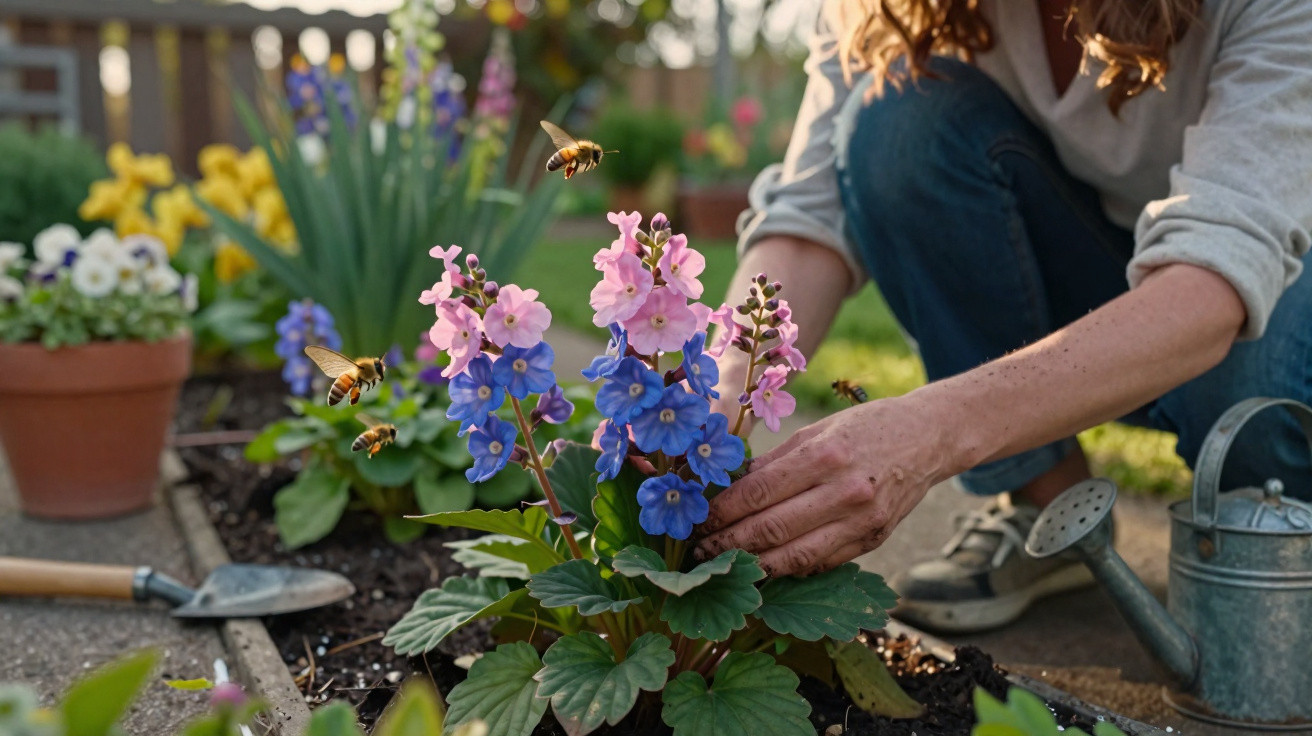
Placement makes a major difference to how well the plant works as both a protective decoy and a magnet for beneficial insects. Certain pairings have proved especially effective for many gardeners.
- Between rows of tomatoes as a colourful edging and an aphid trap
- Along the edges of bean and pea beds
- Around fruit trees and berry bushes to draw aphids away from fresh shoots
- Trailing over wall tops or the edges of raised beds
Important: if you are using the plant deliberately as a “sacrificial plant”, do not remove heavily infested shoots too early. Otherwise ladybirds and other allies lose their food source and may move on before their population has stabilised.
Practical notes on risks and limitations
As useful as nasturtium is, it is not without drawbacks. In very wet summers, for example, it can be affected by powdery mildew. It looks unattractive, but it usually does not threaten the rest of the garden as long as you cut back and dispose of affected parts in good time.
In milder areas it readily self-seeds. That can be handy, as new plants will appear the following year with no effort. If you prefer strictly ordered beds, remove spent seed heads promptly to prevent it spreading unchecked.
Why the trend especially suits low-effort gardeners
If you do not want to spend every weekend walking the garden with a sprayer, nasturtium is particularly rewarding. It helps reduce pest pressure, boosts beneficial insect activity, saves water and provides edible flowers-while asking for very little in return.
In small urban gardens and on balconies, it works like a Swiss Army knife among plants: protection, decoration and food within just a few square metres. Picking up a packet of nasturtium at the garden centre during your spring shop can set you up for a brighter, more resilient and tastier gardening year.
Comments
No comments yet. Be the first to comment!
Leave a Comment