
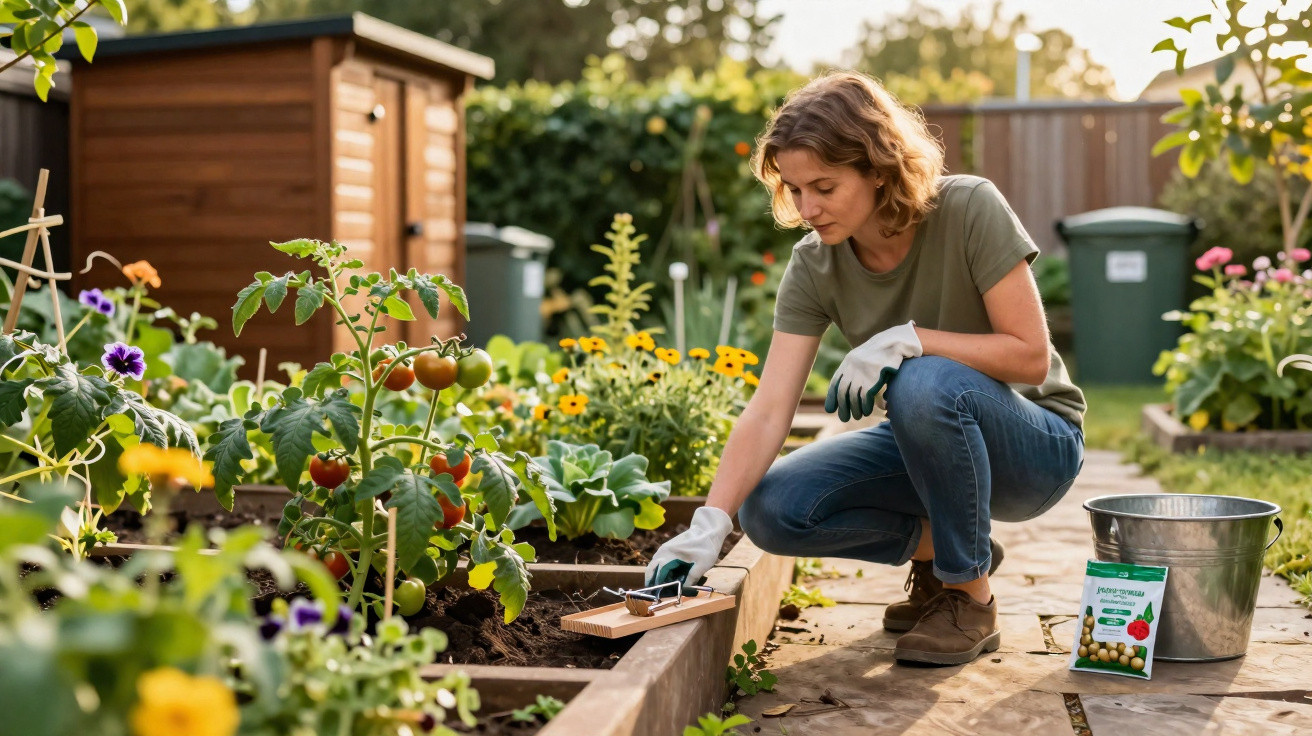
As soon as the weather turns cooler, rats start looking for warmth and food - and, unfortunately, many of them find both in an ordinary back garden. What can look like the odd harmless visitor can quickly become a serious infestation. If you act early and put a few straightforward measures in place, you can stop these unwelcome guests moving from the veg patch into the kitchen.
Spot rats early, before they become a colony
Rats rarely make themselves obvious. Instead, they usually give themselves away through signs they leave behind. In gardens, the most common type is the brown rat (Norway rat), the familiar “classic” rat that often sticks close to buildings.
One of the clearest clues is what they leave behind. Rat droppings are typically about 1–2 cm long, slightly curved, and often found in clusters in the same spots - for example along walls or near the compost. If you only come across a few isolated droppings, the issue is likely still small. If the evidence keeps building up, that usually points to a settled base nearby.
By contrast, mouse or vole droppings are much smaller - roughly the size of a grain of rice. Rat droppings are around three to four times larger, which makes it easier to assess the situation quickly.
If you’re regularly finding droppings, gnaw marks and fresh holes, it’s usually no longer just one curious lone rat in the garden, but an emerging population.
Gnaw marks are also common on:
- feed sacks and feed bins
- cables or hoses
- timber boards, boxes, pallets
- vegetables or seed stored in a shed
Another frequent giveaway is a sharp, ammonia-like smell caused by urine. This tends to become noticeable quickly in sheds or beneath decking.
Burrows and runways: what to watch for
Rats are expert diggers. Small, round holes at the base of walls, under paving slabs, beneath wood piles, or around the edge of a compost heap can indicate burrows. Nearby, you’ll often notice smooth, slightly worn paths - runways they use repeatedly.
If you’re in the garden in the evening, you may sometimes hear quiet scratching or rustling in corners that seem still during the day. At that point, it’s worth doing a careful check with a torch.
Cut off the food supply: the most important step in the garden
No food means no rat “party”. The biggest lever you can pull is therefore the animals’ diet - or rather, bringing it to an end. A lot of rat problems start without anyone realising.
The combination of a chicken coop and an open compost heap is particularly risky. Spilled grain plus rotting organic kitchen waste creates an all-you-can-eat buffet for rats. Open feed bags or bins that don’t close properly do the rest.
If you store feed securely and manage organic waste sensibly, you remove the main reason rats choose to settle near the house and patio.
How garden owners can make life difficult for rats
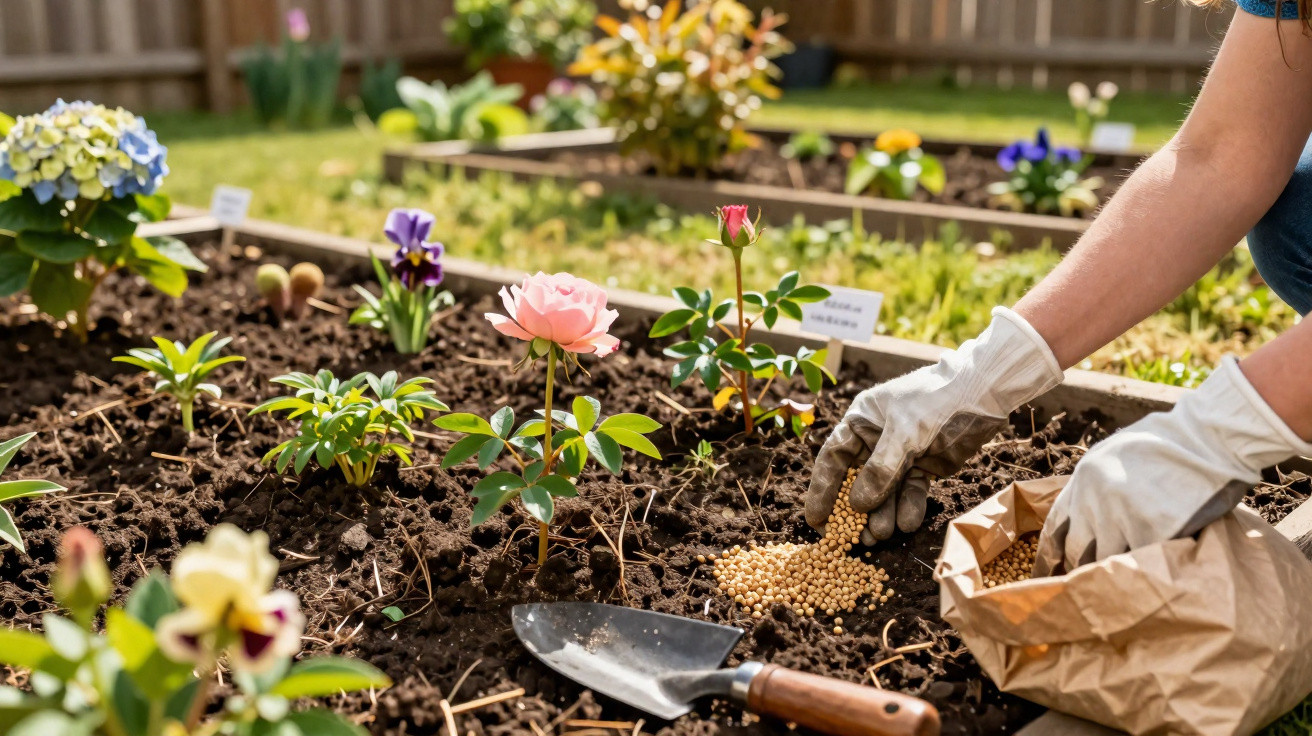
- Store animal feed airtight: Transfer grain, chicken feed, rodent feed or bird seed into sturdy, tightly closing bins or boxes - ideally metal or hard plastic.
- Bring feeding bowls in at night: Don’t leave dog or cat food outside overnight, and don’t leave leftovers from chickens, ducks or rabbits outdoors.
- Keep rubbish secure: Ensure wheelie bins close properly, and don’t leave bin bags unprotected in the yard or by the fence.
- Fill the compost correctly: Don’t add meat, fish, very fatty foods, or dairy products to the heap.
- Collect fallen fruit and leftovers: Regularly pick up rotting apples, pears and other fruit from the ground.
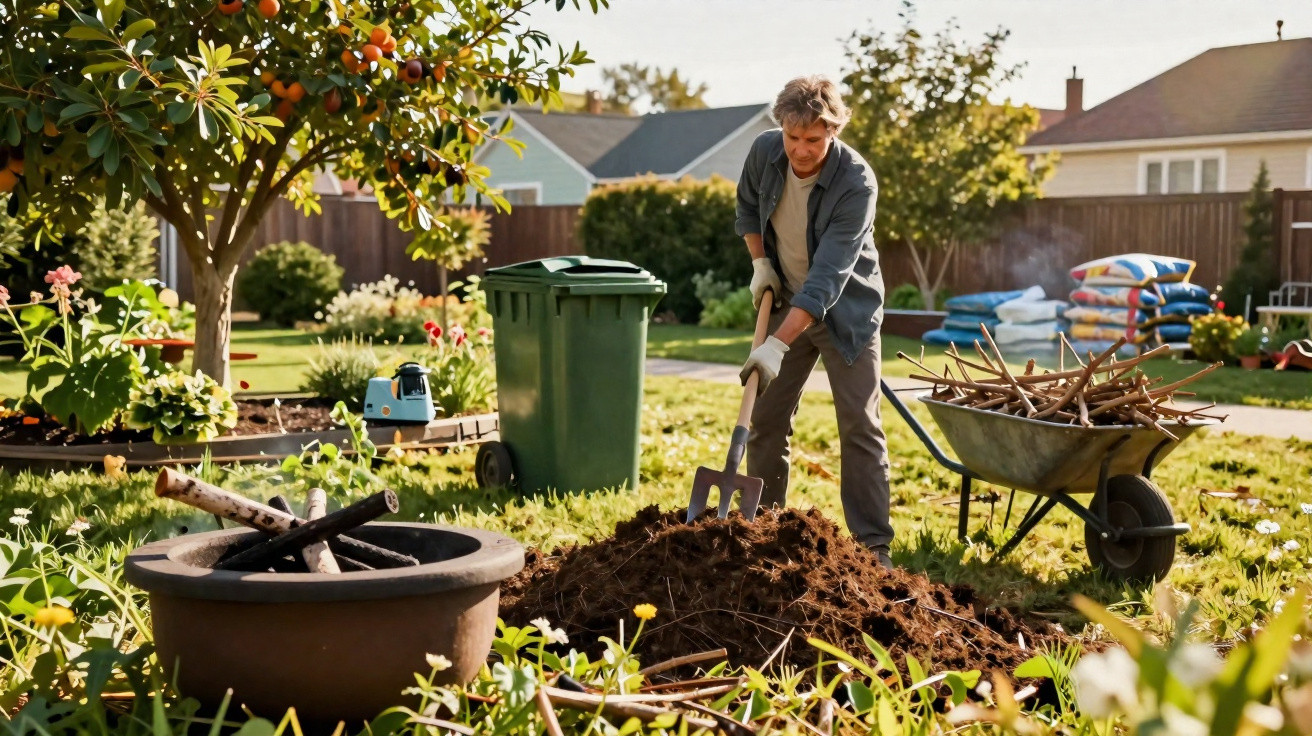
General garden upkeep helps too: fewer overgrown areas means fewer places to hide. Tall, dense clumps of grass, old stacks of wood, or forgotten piles of rubbish make ideal shelter for rats. Reducing these areas makes the whole environment far less appealing.
Natural deterrents: what genuinely helps
Many householders want to try non-toxic options first to protect children, pets and wildlife. That’s sensible - and, with a few simple tactics, it can be effective.
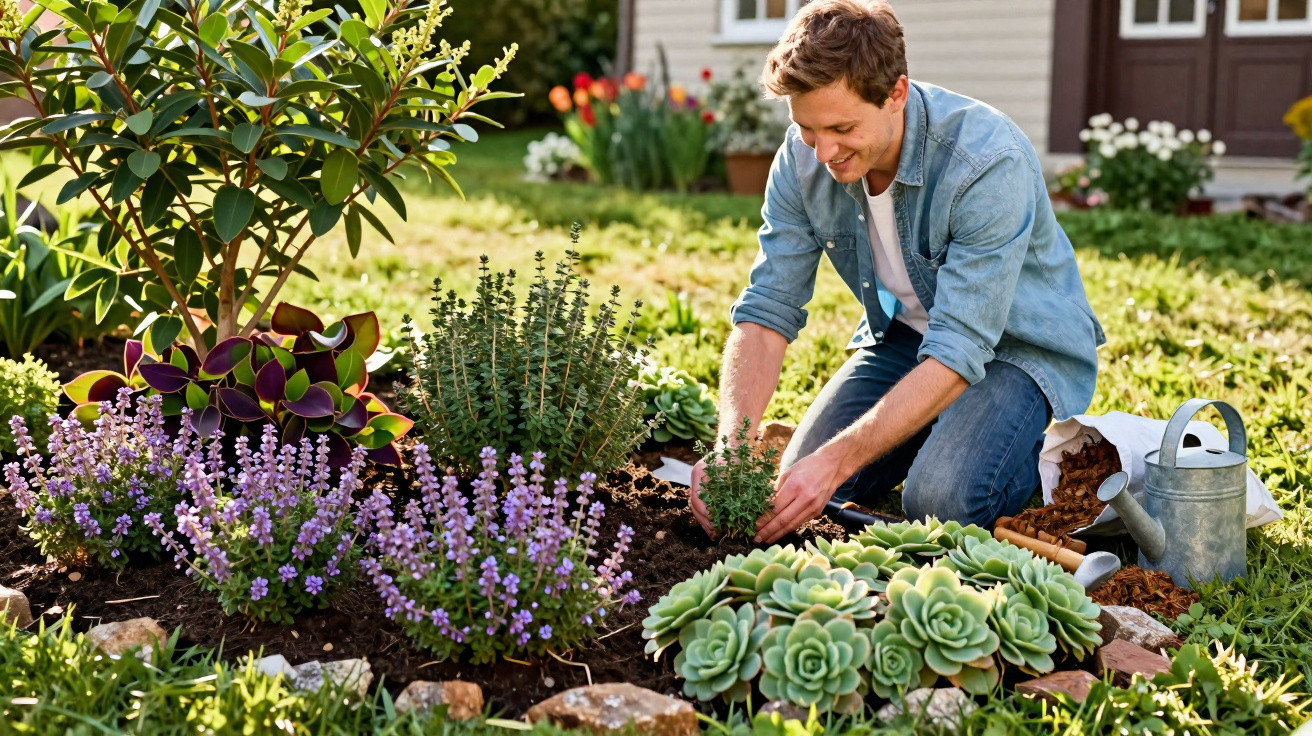
Strong-smelling plants can unsettle rats and encourage them to move on. Around compost, a chicken run or the vegetable garden, the following can work well:
- mint, especially peppermint
- bay (for example as a shrub along the fence)
- eucalyptus in suitable areas or as a container plant
- garlic and onions in the bed
You can also use cloths or cotton pieces soaked with strong scents, such as intense essential oils or sharp vinegar. Place them where you suspect runways or burrow entrances.
Strong smells interfere with the animals’ sense of orientation. They feel unsettled and, with a bit of luck, look for a quieter place.
Important: essential oils and highly concentrated vinegar can harm dogs and cats if they lick them or sniff them for a long time. Only use them where pets can’t easily reach, and keep the dosage modest.
Mechanical traps: when they make sense
If there are already several animals in the garden, deterrents alone quickly reach their limits. That’s where mechanical traps help. They’re inexpensive, can be placed precisely, and work without toxins.
Two points matter if you don’t want traps sitting unused in the grass:
- Correct placement: Put traps directly on runways, along walls, next to holes, or inside sheds - not somewhere random in the middle of a bed.
- Keep things calm: Don’t handle or move traps every day. Rats are sensitive to changes and avoid objects that smell strongly of humans.
Suitable bait includes peanut butter, chocolate-hazelnut spread, grains, or a small piece of bacon. If you have children or pets, place traps in protective boxes or under crates so nobody can reach in or investigate with their nose.
Poison only as a last resort - and with a professional
Rat poison products can be very effective, but they also come with significant risks. Poisoned animals may die in the garden where dogs or cats can eat them. Birds can also peck at bait. In addition, the substances can seep into soil layers and therefore into the surroundings of edible plants.
For severe infestations - for instance in agricultural buildings or extensive sewer networks - those affected should contact professional pest controllers. Specialists understand the legal requirements, choose suitable products, and secure bait points so that as few unintended victims as possible are harmed.
How rats get into the house - and how to stop them
The step from garden to house is often a small one. Open cellar windows, poorly sealed doors, gaps around pipework, or crumbling mortar joints can all be entry points.
- secure cellar windows with grilles or sturdy fly screens
- seal gaps around water and heating pipes
- check old ventilation ducts and fit fine-mesh grilles
- inspect and replace front door and cellar door seals
If you can already hear scratching inside walls, suspended ceilings or behind kitchen cupboards, don’t delay. Indoors, rats cause far more damage, spread germs, and gnaw through cables - which, in the worst case, can even lead to fires.
Health risks, hygiene and sensible follow-up checks
Rats can transmit pathogens, for example through droppings, urine, or parasites in their fur. When cleaning affected areas, it’s better to wear gloves, wipe surfaces with suitable cleaning products, and avoid stirring up dust. Vacuum cleaners with basic filtration are not a good choice here, as they can spread germs through the exhaust air.
Even after successful measures, regular monitoring pays off. Once a week, take a quick walk through the garden, shed and down the cellar steps, looking for new droppings, holes or gnawing damage - this way, a fresh infestation is spotted early. Anyone who keeps chickens or feeds heavily (for example, lots of birds in winter) should make this check part of their routine.
Rats in the garden are not a sign of poor cleanliness; in rural areas, they’re almost part of everyday life. What matters is how you respond: if you stay alert early on, shut down food sources and take targeted action, you can often prevent a few nights of scratching noises turning into a long, costly and unpleasant battle with an entire rat family.

Comments
No comments yet. Be the first to comment!
Leave a Comment