
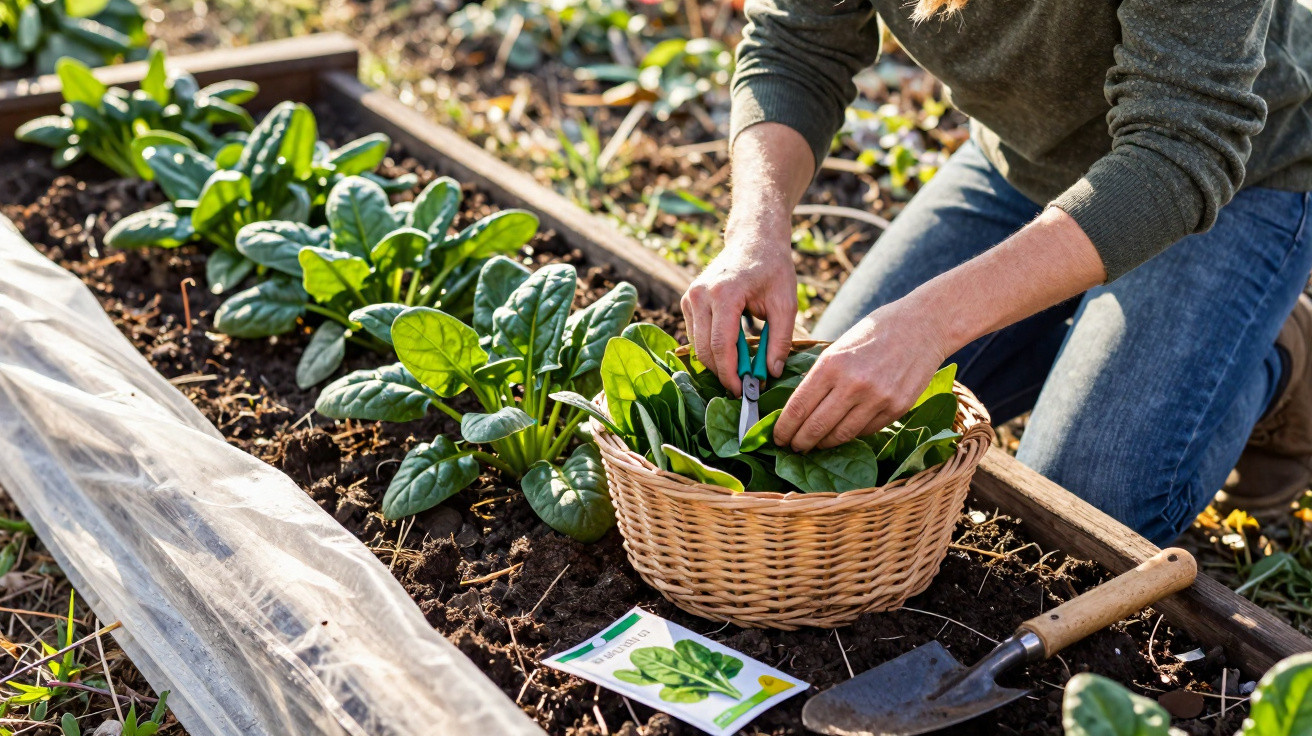
While plenty of hobby gardeners still keep their tools in the shed and wait for settled spring warmth, others make deliberate use of the cool in-between weeks. With an old, exceptionally tough spinach variety, the supposedly “dead” spell in the veg plot can become surprisingly productive. If you know the right approach, you can be cutting soft, crisp leaves by the end of March - right alongside hoar frost and grey skies.
A winter giant that shrugs off sub-zero temperatures
Among leafy vegetables, there are varieties that don’t merely tolerate cold but actively thrive in it. One of these is so-called “giant winter spinach”, a traditional type known for unusual resilience. Unlike many modern spinach varieties that “bolt” as soon as it warms up a little, or collapse with the first hard frost, this one stays steady and vigorous.
Its hallmark is broad, thick, dark-green foliage. The leaves look almost like tiny, natural hot-water bottles: substantial, juicy and impressively unfazed by icy nights. That sturdy growth means the plant can keep putting on leaves even when temperatures dip just below 0 °C, rather than dropping into a rigid winter standstill.
Giant winter spinach provides fresh vitamins at exactly the point when ordinary beds still look deserted.
For anyone aiming to use their vegetable garden all year round, that reliability is a major plus. After winter, the body can feel genuinely starved of fresh greens - and this spinach answers with iron, minerals and plenty of folate. While the rest of the plot is still half asleep, it adds colour to the plate - and gives the soil living cover.
Why February and early March are the ideal time to get going
Many gardeners stick to the rule of thumb: “You only sow once it’s properly warm.” For giant winter spinach, that’s precisely the wrong move. It prefers the chilly window when days slowly brighten but nights remain sharp. Starting from February is ideal, and depending on your area you can sow right into early March.
If you have a garden and the soil has dried out a little, you can sow straight into the bed. The key is that the ground isn’t deeply frozen through or completely waterlogged and smeared. Place the seeds in shallow drills, cover lightly with soil, and the weather does most of the work.
When winter refuses to budge, it can be worth beginning under simple protection - in a cold frame, beneath a polytunnel, or in balcony planters set close to the house wall. The plants don’t need tropical conditions at the start, just a touch of shielding from prolonged hard frost.
Direct sowing or under cover: what suits which garden?
- Direct sowing in the bed: for well-drained soil, milder regions, and gardeners with space.
- Cold frame or polytunnel: for exposed locations, raised beds, wind protection, and a longer harvest window.
- Balcony planter / pot: for city balconies, small patios, and quick control over watering and protection.
The biggest benefit of sowing early is that seedlings grow compact and robust in cool weather. Heat stress, dry spells and aphids are far less of an issue in February and March than they are in summer. Sowing now means working with the climate instead of constantly fighting it.
Speeding growth with sun and fleece
Even though it’s hardy, winter spinach still benefits from a little help. Two things make the real difference: positioning beds or containers well, and giving the young plants light protection.
Orientation sounds minor, but it has a huge effect: rows or pots should face south wherever possible. That way they catch every minute of low winter sun, and the soil warms noticeably during the day. Plants stay stocky and richly green, and are less likely to “bolt” upwards.
A simple horticultural fleece (often sold as P17 or P30) also makes a striking difference. This thin white fabric sits like a blanket over the seed rows, letting air and rain through while holding a few extra degrees of warmth close to the soil.
A fleece can be the difference at soil level between stunted growth and strong development.
The fleece doesn’t only guard against late frosts; it also helps deter birds that would happily disturb fresh seed. Lay it loosely and weigh it down with stones or boards. On very sunny days it can be aired briefly, especially in sheltered corners or on a balcony.
When the first leaves reach the kitchen
If you start in late winter, the wait is short. Giant winter spinach is one of the quicker crops you can grow. With reasonably prepared soil, a sunny position and basic protection, it often takes just six to eight weeks from sowing to the first bowl of leaves.
Sow in February and there’s a good chance you’ll be eating home-grown spinach by late March or early April. It neatly bridges the gap between tired winter staples such as cabbage or leeks and the classic spring crops that are still weeks away from harvest.
Harvest leaves instead of pulling up the whole plant
Harvesting thoughtfully makes the crop last far longer. Rather than yanking up the entire plant at once, cut only the outer, largest leaves. Leave the centre intact so the plant can keep producing new growth.
- Pick the outer, fully formed leaves first.
- Use a sharp knife or clean scissors to reduce damage.
- Leave the heart of the plant - that’s where new leaves emerge.
- Harvest little and often to keep the plant “in the mood to produce”.
Using this approach, you can take fresh greens repeatedly over several weeks without having to resow constantly. Families who get through a lot of veg benefit in particular, because it’s easy to manage both quantities and timing.
Why winter spinach is kinder to the soil - and your budget
A bare plot over winter may look tidy, but it does the garden few favours. Rain leaches nutrients, wind dries the surface, and soil life slows right down. Giant winter spinach acts like a living blanket: it protects the ground while also providing food.
Its roots loosen the soil without exhausting it. After the spinach is finished, heavy feeders such as tomatoes, courgettes or peppers often do especially well in the same spot. The soil is aerated, well rooted through, and hasn’t been drained by demanding crops.
| Benefit | What it does in the garden |
|---|---|
| Soil protection | Less nutrient leaching, less surface sealing, better structure |
| Early harvest | Fresh vegetables before the main season begins |
| Low cost | Only seed and, if needed, a simple fleece |
| Healthy diet | More iron, vitamins and minerals after winter |
Practical tips for choosing varieties, care and cooking
When buying seed, it’s worth selecting varieties clearly labelled as winter-hardy, often with names including “winter”, “giant” or “frost-hardy”. In garden centres and online shops, these are usually marketed specifically for the colder part of the year.
Care mainly comes down to watering regularly but not excessively. The plants cope with damp better than drought, but they won’t thank you for sitting in permanent boggy conditions. A lightly worked, humus-rich soil with a little well-rotted compost mixed in before sowing is entirely sufficient. Heavy feeding isn’t necessary and tends to produce softer leaves that are more prone to disease.
In the kitchen, winter spinach is remarkably flexible. The youngest early leaves taste mild and work well in salads or green smoothies. Larger leaves are better briefly blanched or gently steamed, for example as a side, in a bake, or as a filling for strudel and pasta.
If you’re sensitive to oxalic acid, it’s best to cook spinach and pour away the cooking water, which significantly reduces the level. In return, the plant brings a useful dose of iron and folate - particularly welcome after a long winter.
Risk factors and common mistakes to avoid
There are a few pitfalls to watch for. If you sow too late, warmth can trigger rapid flowering, leaving you with little leaf growth. Sowing too thickly makes rows more vulnerable to fungal problems and encourages weak, stretched seedlings.
To avoid that, sow on time, thin lightly once seedlings are up, and aim for an airy site. If you’re using fleece, lift it briefly on mild days to prevent moisture build-up.
With the confidence to start early and a truly winter-ready variety, this modest spinach becomes a genuine season-breaker. Instead of waiting for spring, your first home-grown greens can be in the pan - or straight onto the plate - as early as March, while the rest of the garden is still only just waking up.




Comments
No comments yet. Be the first to comment!
Leave a Comment