
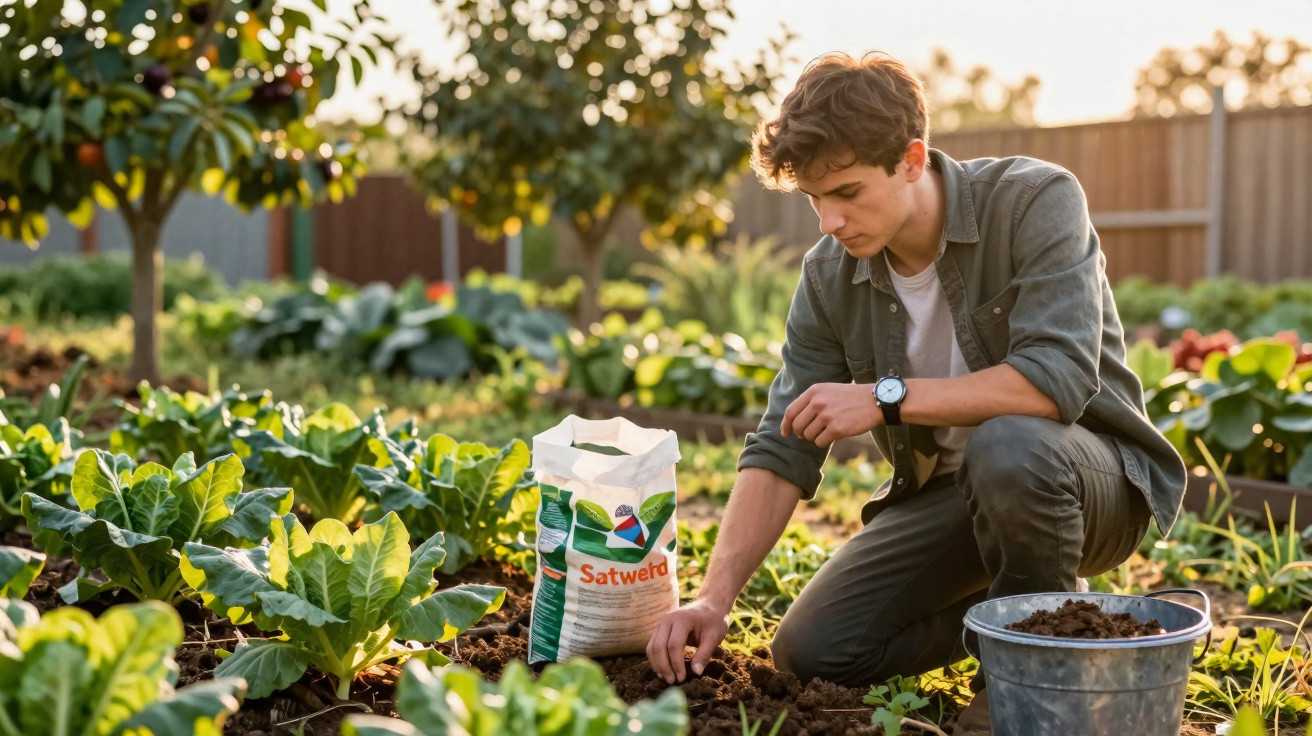
The bag of fertiliser felt far heavier than I recalled.
I hauled it over the lawn as though I were presenting an offering to the gods of Instagram-perfect gardens. The sun was already beating down on my neck, while the earth beneath my boots seemed worn out - as if it had finally had enough of all my “improvements.”
I ripped open the bag, prepared to apply yet another miracle treatment, and spotted something strange. The border I had abandoned the previous year, the one I had more or less left alone, was brimming with life: self-seeded flowers, volunteer greens and even a tomato that I am certain I never planted.
By contrast, the carefully tended bed beside the patio looked… depleted.
Then I understood: my garden did not need more things.
It needed better timing.
When extra inputs begin to do harm
For years, I responded to every gardening issue in exactly the same way: I added something.
More compost, more mulch, more expensive liquid feeds carrying labels that promised “explosive growth.”
When a plant looked unhappy, I purchased a product. When a harvest failed, I blamed the soil and applied even more amendments. I handled the garden as if it were a faulty machine, with myself as its mechanic armed with a credit card.
Then came a season when, regardless of what I applied, the plants appeared strained. Leaves scorched, flowers fell away and the soil surface formed a crust like bread left too long in the oven. That was the year my garden quietly said: “Enough.”
Tomatoes delivered the real warning.
I had prepared their bed with perfectionist care: double-digging it, filling it with compost, fertilising at planting time, side-dressing during the season and watering every evening.
The tomato plants shot up, then stopped making progress. They produced huge amounts of foliage but scarcely any fruit. Some even split after uneven watering, because I would panic-water them following hot days.
Elsewhere in the garden, however, a tomato seedling had emerged in a gravel path. With no compost, no fertiliser and only a gap between stones, it gradually became a modest but healthy plant carrying small, perfect fruit. There were zero inputs - only nature’s reasonable timing: rain when it was needed and warmth when the plant was ready.
Once I had stopped sulking about the path tomato, I began to see the wider pattern. Plants flourished where they received regular, appropriately timed watering rather than occasional drenches. Compost applied in the right season blended into the ground like chocolate on warm hands.
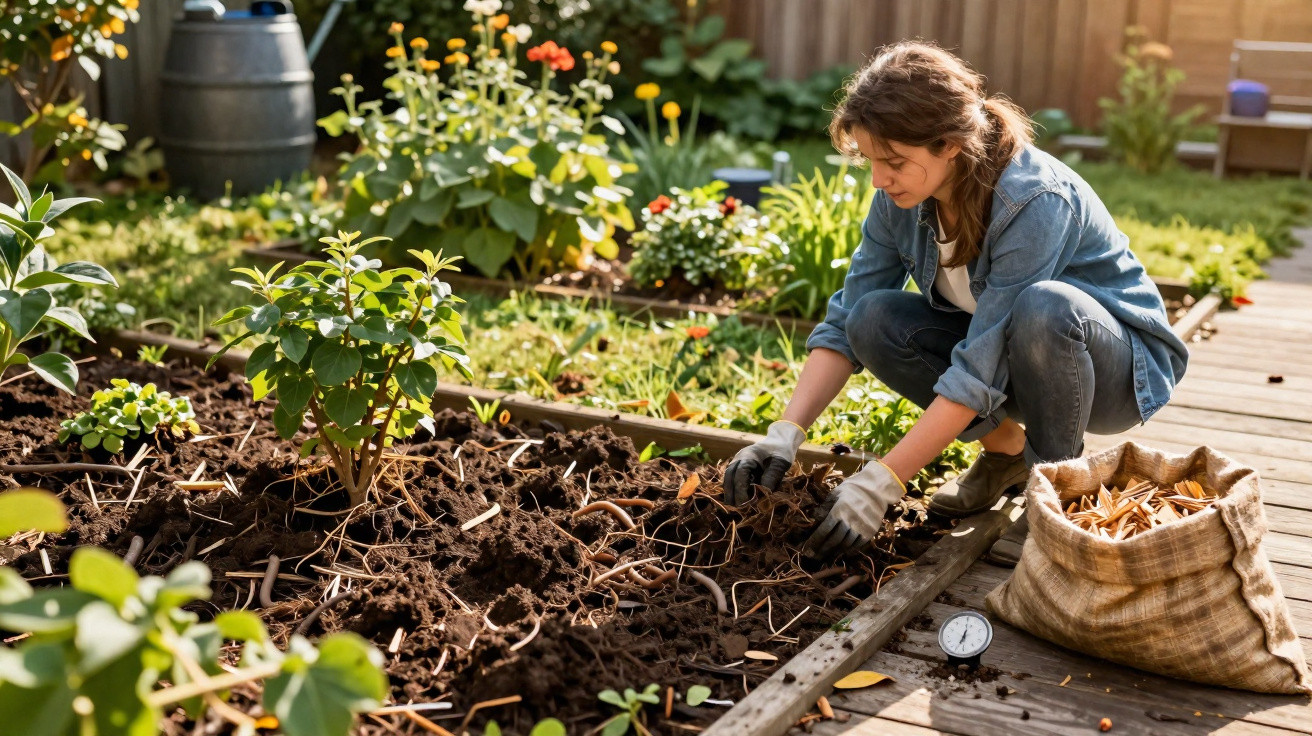
Where I had spread compost over frozen ground in late winter, most of it simply washed away. The nutrients I believed I was “feeding” to the garden were, quite literally, disappearing down the drain.
A straightforward realisation followed: I was not gardening badly - I was gardening out of sync. The garden did not dislike my compost or mulch. It simply required them when the roots were prepared, the microbes were active and the weather was on side.
Garden timing and the understated value of doing things at the right moment
The easiest adjustment was also the first one I made: rather than watering “whenever I remembered”, I began doing it early in the morning. Almost immediately, the plants looked less distressed and less limp. Water could soak into the soil before the sun converted it into steam.
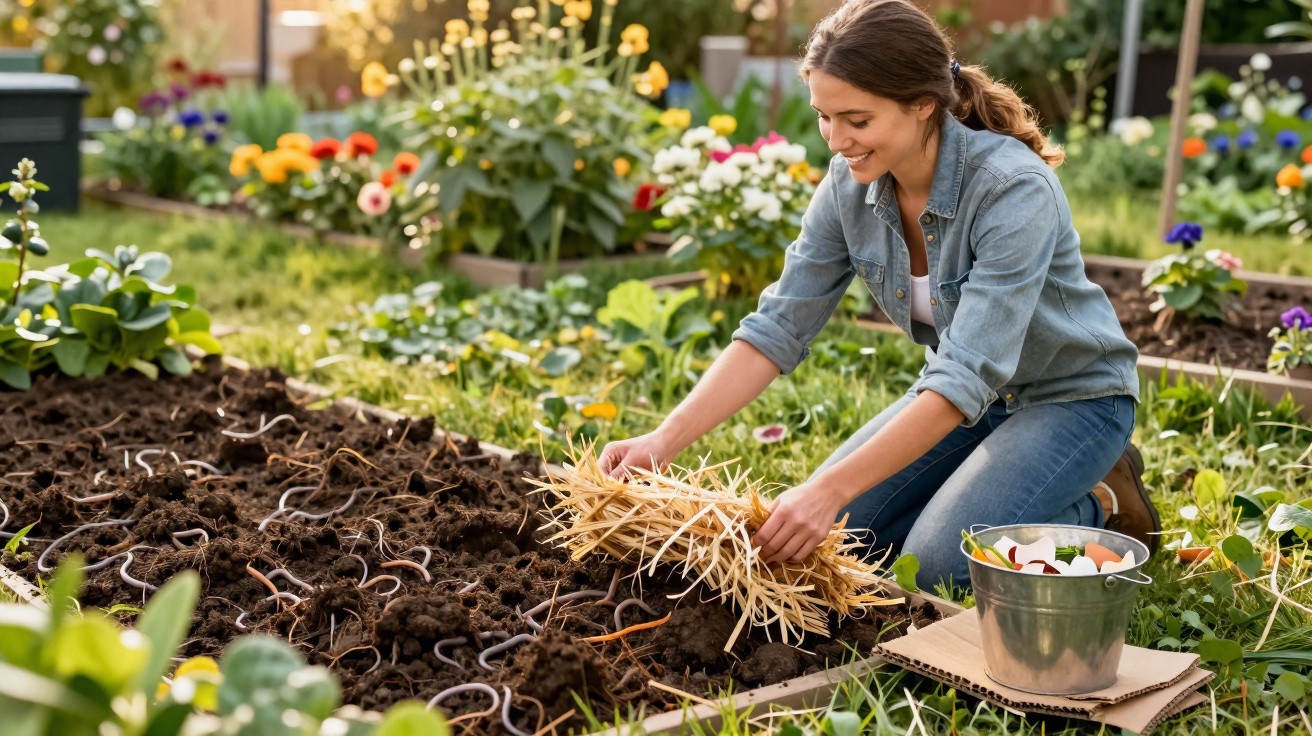
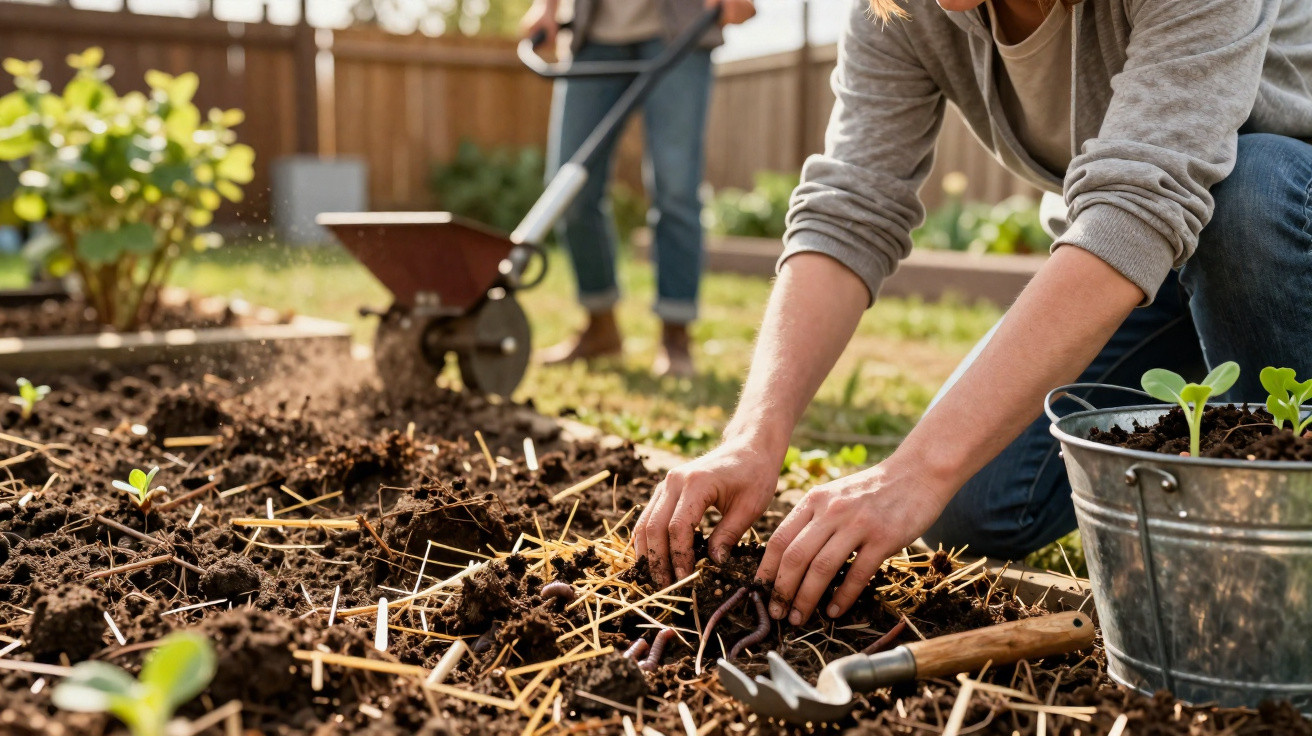
I also changed the timing of my compost applications. Instead of scattering it in late winter out of impatience, I waited for the soil to genuinely warm. As earthworms moved nearer the surface, they incorporated it like small, endlessly hardworking gardeners.
The compost was the same. The garden was the same. The only meaningful difference was when it arrived.
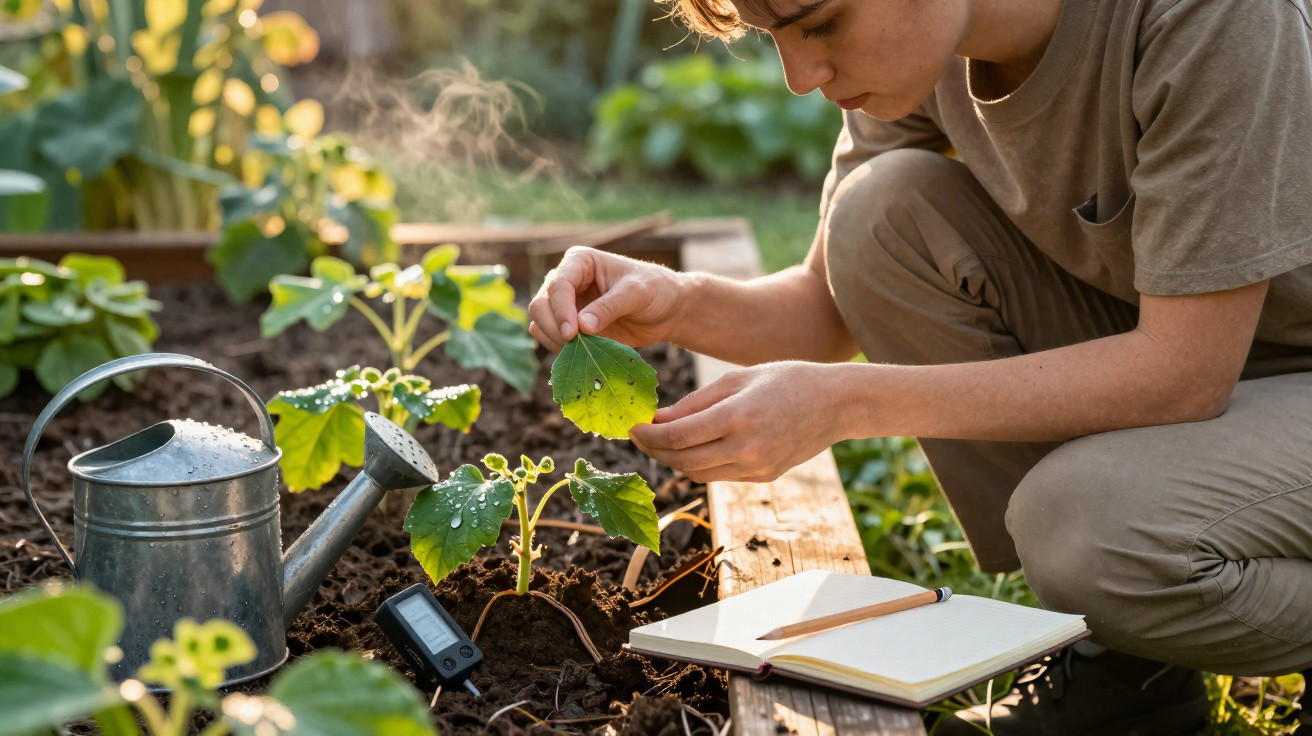
We have all had that moment in the garden centre, holding a bottle of something potent because our plants “need help right now.” The label promises miracles within seven days, while your stressed cucumber plants seem to plead for a solution through their wilted leaves.
The amusing part is that they usually do not need a more powerful product. They need the right intervention at the correct stage: water before a surge in heat, shade before scorching conditions, support before a storm.
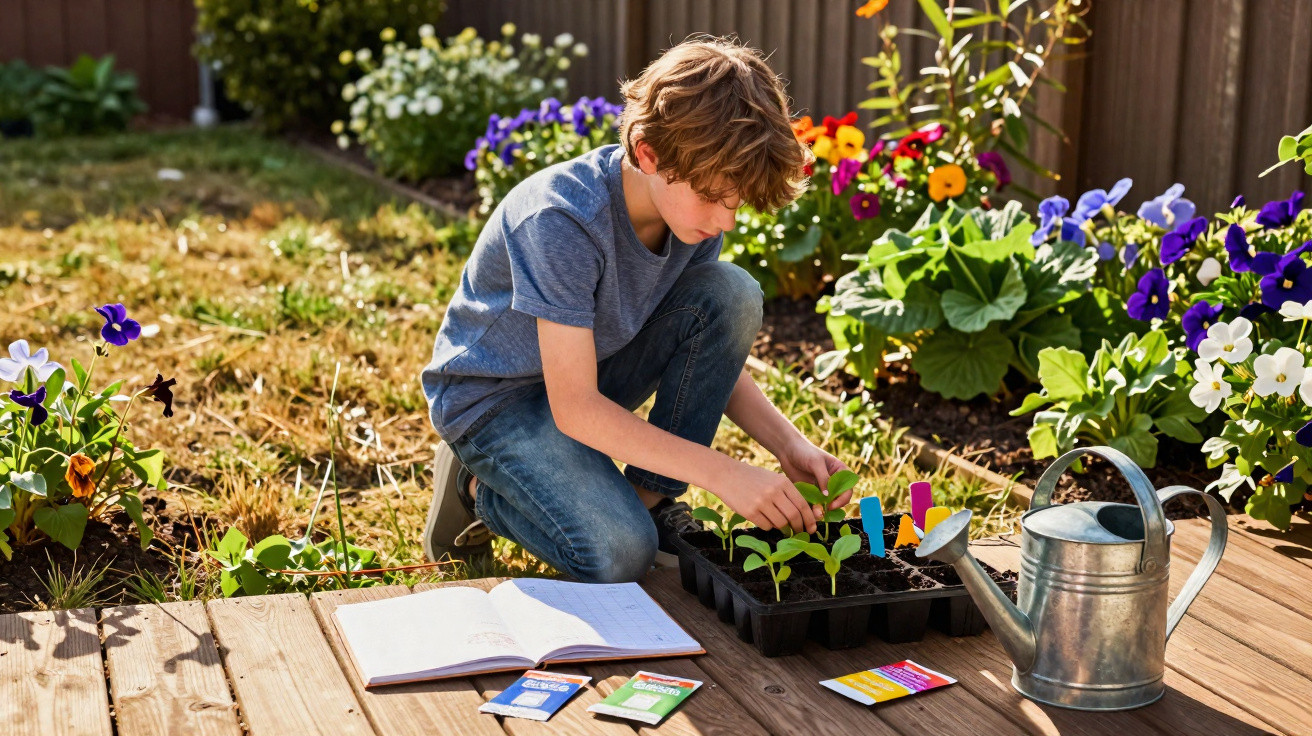
I once fertilised seedlings immediately after transplanting because I felt guilty. They looked limp, so I attempted to “boost” them. When I learnt instead to wait a week, allow the roots to settle and then feed lightly, survival rates quietly improved. There was no drama - only less panic and more rhythm.
During one wet spring, I ran an experiment. One half of my raised bed received the complete deluxe treatment on my usual “whenever I have time” schedule. The other half received fewer inputs, but at more suitable moments: compost only before planting, light feeding when buds appeared and watering to a straightforward, consistent routine.
By midsummer, the “deluxe” half had abundant foliage but feeble stems. The correctly timed half had fewer leaves, yet more flowers and stronger roots.
A gardener friend said something that stayed with me:
“Plants don’t run on products. They run on cycles. We’re just here to catch the right moment.”
I therefore made a short seasonal checklist and attached it to the shed door:
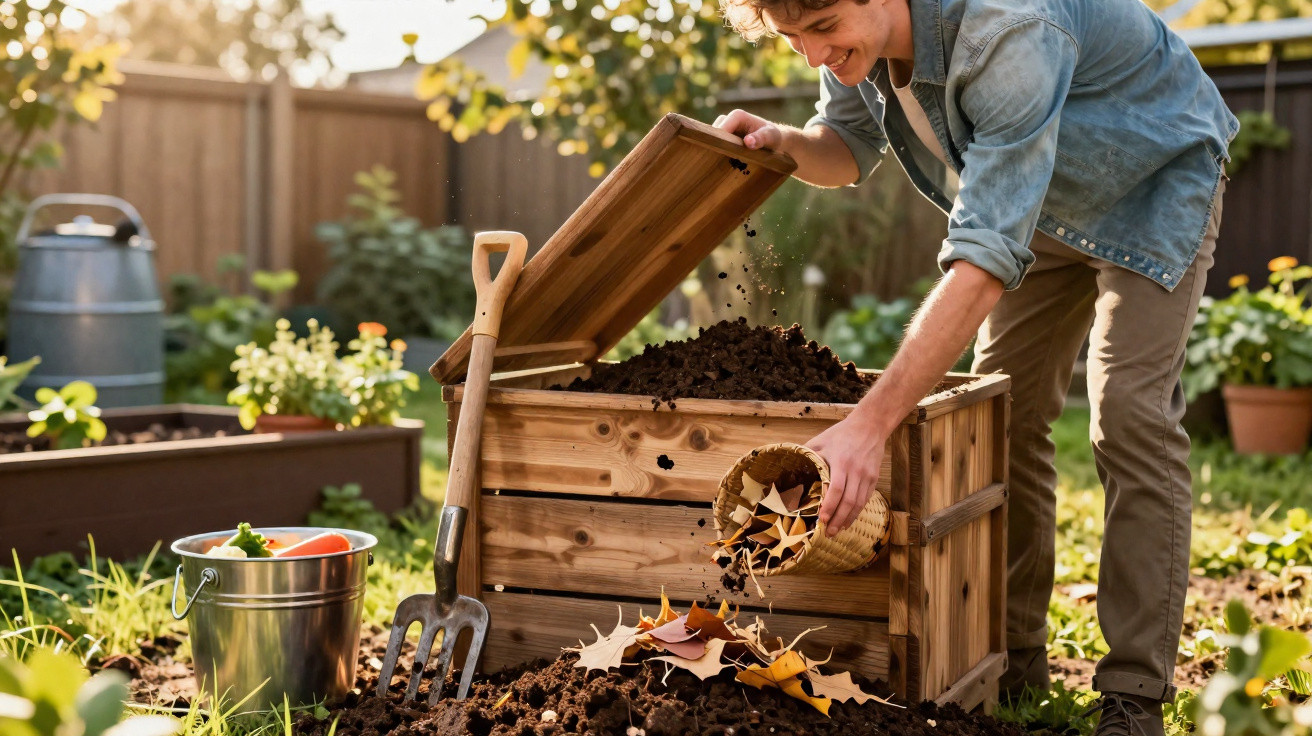
- Apply compost when soil is workable and warming, rather than frozen or waterlogged.
- Water deeply early in the morning and less frequently, rather than giving shallow drinks at midday.
- Feed lightly at important stages: after transplant shock, at bud set and in mid-fruiting.
- Mulch once the soil is warm, so it retains moisture instead of holding in cold.
- Prune and stake before storms arrive, not once damage has occurred.
It was not additional work.
It was simply better timing.
Gardening by rhythm, not panic
Now, I enter the garden with a different outlook. Instead of asking, “What can I add?”, I ask, “What moment is this?”
Is the soil coming to life or settling down? Are the plants concentrating on roots, leaves or fruit? That one change in perspective quietly altered everything.
I still sometimes feel tempted by a shiny bag of something new. But I now wait for a day. I observe the plants at dusk, when they are honest. Usually, they show me whether they need more - or merely better timing.
| Key point | Detail | Value for the reader |
|---|---|---|
| Observe timing | Align watering, feeding and mulching with plant growth stages and weather conditions | Less stressed plants and less wasted effort |
| Use fewer inputs | Depend on compost, consistent watering and good soil contact rather than continual “boosts” | Save money while supporting long-term soil health |
| Create simple rhythms | Early-morning watering, seasonal compost and light feeds at key stages | Gardening becomes calmer, more predictable and more rewarding |
FAQ:
Question 1 How can I tell whether I am overfeeding my plants?
Rapid leaf growth that is soft or floppy, few flowers, or scorched leaf edges can all be signs. Reduce the fertiliser and concentrate on watering and soil health.Question 2 What is the best time of day to water a garden?
Early morning is best. Water penetrates deeply, foliage dries as the sun comes up and plants enter the heat with full reserves.Question 3 How often should I apply compost?
Once or twice annually is generally sufficient: a light application in spring as the soil warms, plus an optional autumn top-dressing. Let the soil life handle the rest.Question 4 Do I still require fertiliser if I use compost?
Sometimes, particularly for hungry crops such as tomatoes, but use mild amounts at particular stages instead of frequent, strong feeds.Question 5 Which timing change has the greatest effect?
Replacing random, quick sprinkles with deep and consistent early-morning watering improves plant resilience more than most products ever will.
Comments
No comments yet. Be the first to comment!
Leave a Comment