
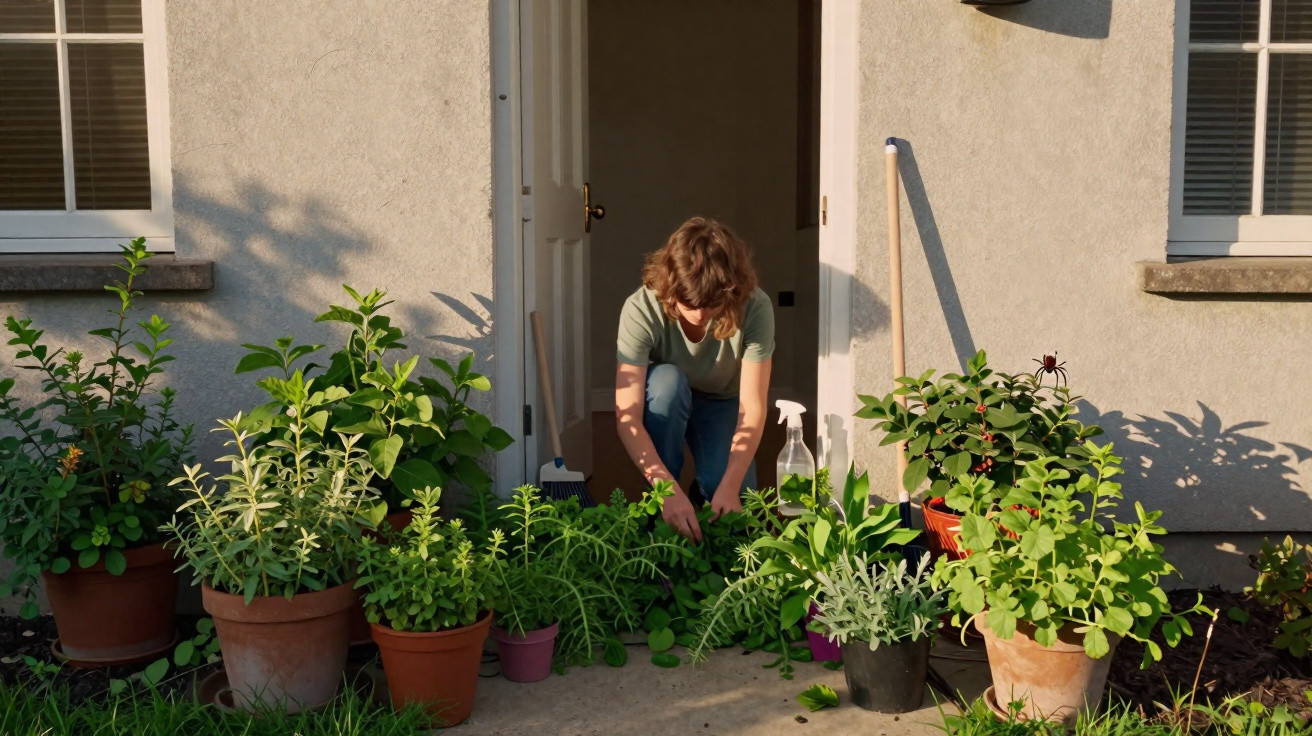
The solution sits outside your house - not in an aerosol.
Most people reach for a spray or a sticky trap. A more effective approach begins in the garden: remove the “bridge” that turns your planting into a spider motorway straight to your doors and windows. Once you understand how spiders get around, it feels less alarming and much easier to control.
The quiet reason spiders move in
Spiders don’t usually appear by magic. In many cases, they simply use routes we’ve created without realising. Ivy, shrubs, climbers and plant pots pushed up against an exterior wall act like ramps to window sills, air vents and hairline cracks. That’s the real entry point.
"Leave a 20–30 cm buffer between any vegetation and your exterior walls. That green moat stops most spider traffic before it starts."
Treat that gap as your perimeter defence. When leaves press against brickwork, spiders - and the insects they follow - can move along those contact points. With open space instead, they’re far less able to cross bare ground. One small adjustment can change the movement around your home.
Plants don’t lure spiders. Bugs do
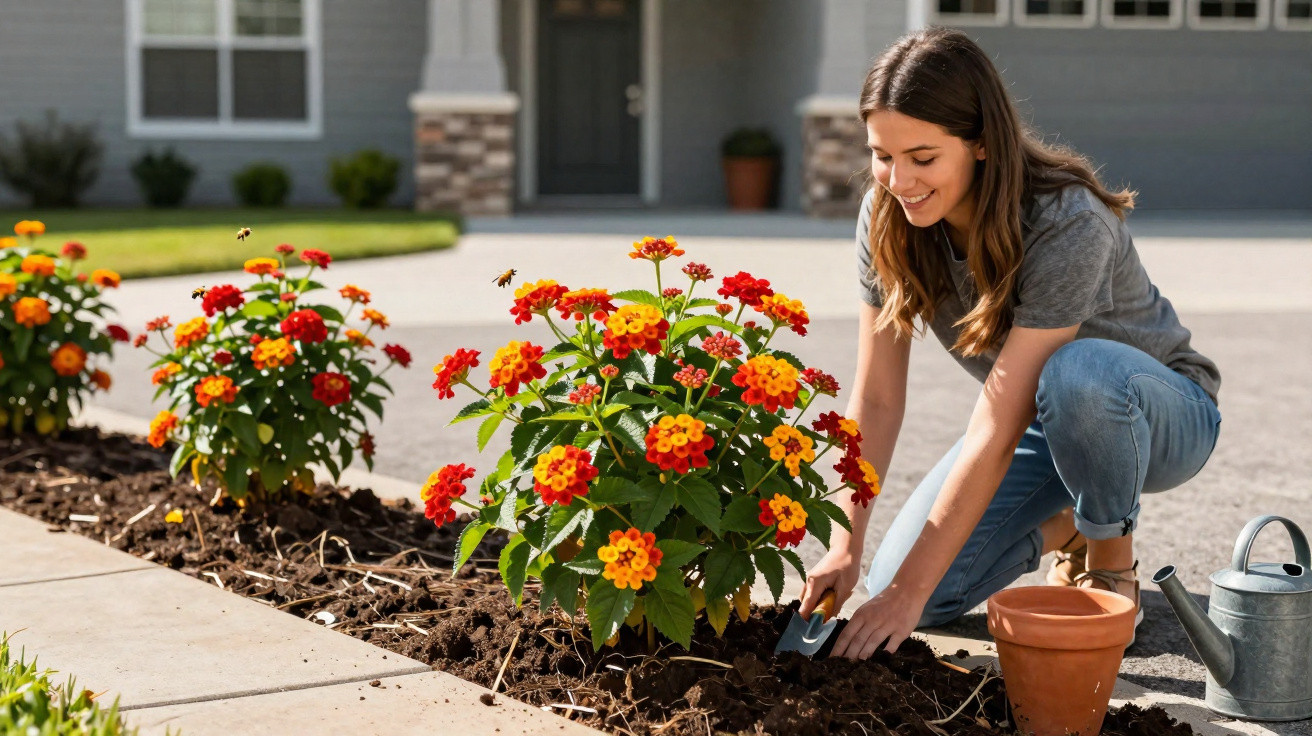
Spiders go where insects concentrate. They aren’t drawn to roses or ivy themselves; they’re drawn to the steady stream of visitors those plants attract. Pollinator favourites such as ivy, daisies, chrysanthemums and chamomile bring in flies, moths and gnats. Spiders settle nearby because the food supply is reliable.
"Relocate insect-magnet plants away from doors and windows. Keep nectar parties off your threshold."
- Position flower-packed borders at least two metres from doors and windows.
- Train climbers on free-standing trellises rather than directly onto brickwork or cladding.
- In summer, trim monthly so foliage can’t span the gap.
- If insects gather around window boxes at dusk, move the boxes elsewhere.
Why summer swells the spider count
Warm weather accelerates the whole cycle. Insects reproduce more quickly, spiders eat more often, and many species mate in late summer and early autumn. Webs become more noticeable because activity rises - not because your home suddenly “attracts” spiders in a different way. The increased food supply is what drives the traffic.
Why you might want a few spiders anyway
Spiders also remove the insects people actually dislike indoors. Flies, mosquitoes, pantry moths and fungus gnats are on the menu. They cost nothing and focus on nuisance pests.
"One common house spider can remove hundreds of nuisance insects over a year, reducing bites, noise, and food contamination."
That doesn’t mean living with webs in every corner. It does mean you’ll usually get better results by steering spiders to stay outside, rather than trying to fight them once they’re in.
The simple strategy: build a green moat
The “trick” is creating a neat, clear ring around the house so there’s no bridge for spiders to use. Set aside an hour for the first pass, then it’s only a few minutes of upkeep each month.
- Cut back all planting so leaves end at least 20–30 cm from walls and foundations.
- Raise pots and shift them away from cladding.
- Put up standalone trellises a short step away from the building, instead of fixing them to it.
- Pull mulch back from the base of walls so you have a tidy strip of visible soil or gravel.
- Clear window wells and stair edges, where webs often get anchored.
The buffer works because it removes contact points and reduces the “prey corridor” along your walls. Your garden can still support insects - just not right at your thresholds.
Complementary moves without chemicals
A clear outdoor perimeter does most of the work. A handful of adjustments indoors and at entrances can take you the rest of the way.
- Use lighting wisely: replace exterior bulbs with warm, low-UV LEDs. Motion-activated fittings stay off when not needed, which brings in fewer night-flying insects.
- Sort the basics with screens: fit 18×16 mesh screens on windows. Repair snags and small tears with a simple patch kit.
- Close tiny gaps: apply silicone or acrylic sealant around frames, cable entries and where pipes meet walls. Add draught-proofing to doors where daylight shows at the edges.
- Vacuum webs: use a nozzle to remove webs and egg sacs, then empty the canister outside. This reduces future numbers in a humane way.
- Lower humidity: fix leaks, run the bathroom extractor, and keep basements ventilated. Many insect prey species thrive in damp air.
- Use gentle scent barriers carefully: wipe thresholds with a vinegar solution. Some households report short-term deterrence from peppermint or cedar oils, but evidence varies. Keep essential oils away from pets, especially cats.
- Store firewood properly: keep stacks 6–10 metres from the house and off the ground. Wood piles shelter insects - and the predators that feed on them.
Common myths, quick facts
| Myth | Fact |
|---|---|
| Spiders come inside to stay warm. | Most end up indoors while tracking prey, wandering in by chance, or slipping through gaps and via bridging plants. |
| Killing spiders reduces future spiders. | Removing a predator can leave you with more flies and gnats. |
| All house spiders bite people. | Most species avoid contact and many struggle to pierce human skin. |
| A spotless home has no spiders. | Cleaning helps, but entry points and outdoor lighting drive most activity. |
Do a 15‑minute home check today
- Walk your perimeter and snip back any leaf that touches an exterior wall.
- Pull mulch, hoses and tools away from cladding if they’re in contact.
- Switch off porch lights for two nights and watch insect numbers fall.
- Run your hand around window frames; if you feel a draught, add sealant or weatherstripping.
- Vacuum webs in corners and behind furniture, then empty the container outdoors.
When to call a professional
If you’re seeing large, stubborn webs across several rooms, the cause may be structural gaps that need attention. Bites with severe reactions should be discussed with a medical professional. If you believe a medically significant species is present where you live, a licensed expert can identify it and advise on removal. Ask for a plan that prioritises closing entry points and adjusting landscaping first - not simply routine spraying.
Risk and benefit, in plain terms
Reducing spiders near entrances lowers the odds of unpleasant surprises. Keeping a few hunters in the garden - but away from the house - can still mean fewer flies overall. Avoiding broad insecticides is also better for children and pets. Your garden can remain full of life, just not right up against the windows.
Extra context that helps you plan
Next weekend, try a simple “threshold experiment”. Leave the outdoor lights off on one side of the house while keeping them on on the other, then note where moths gather. You’ll quickly see how lighting shapes the nightly food chain spiders follow, and you can adjust your fittings accordingly.
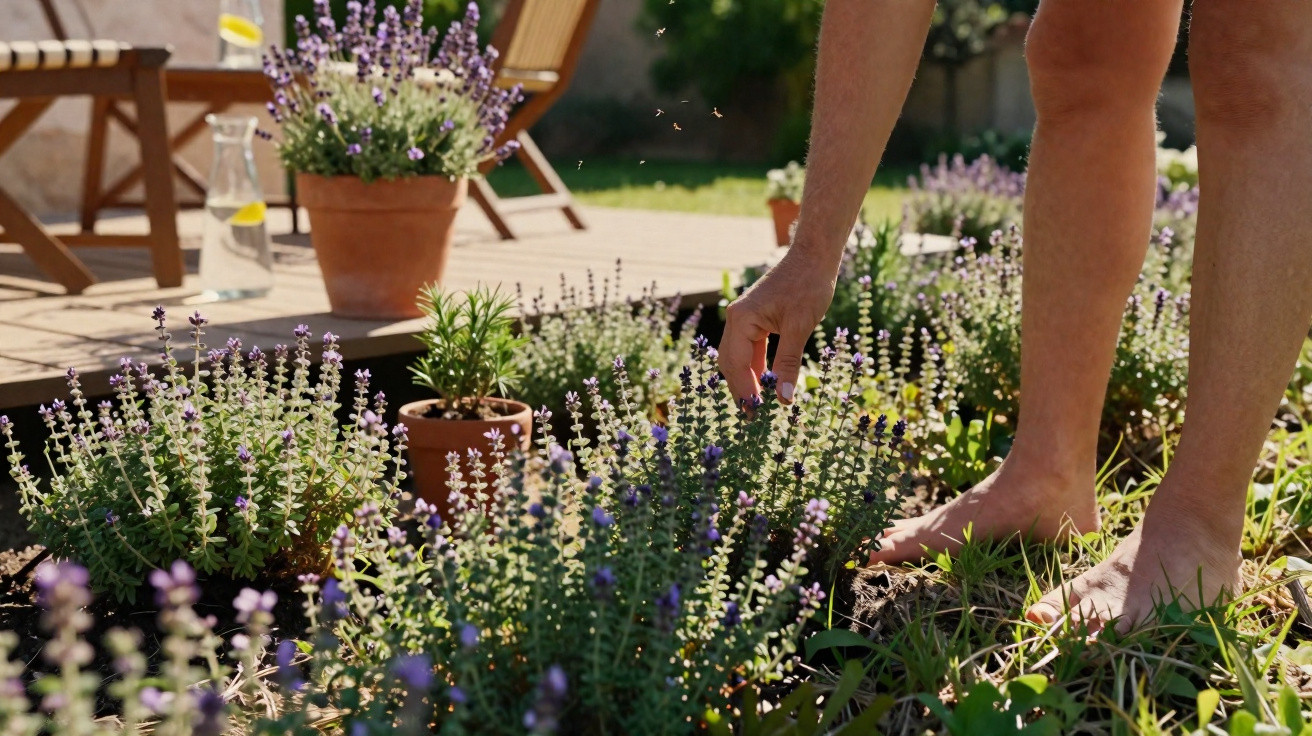
You can design the gap so it doesn’t look stark. Use a narrow band of gravel, stepping stones, or a slim herb strip that stays neatly clipped. Basil, thyme and rosemary stay low and reduce bridging, while taller flowering plants sit deeper in the bed where they belong. Often, a small layout change outperforms anything you can buy in a bottle.




Comments
No comments yet. Be the first to comment!
Leave a Comment