
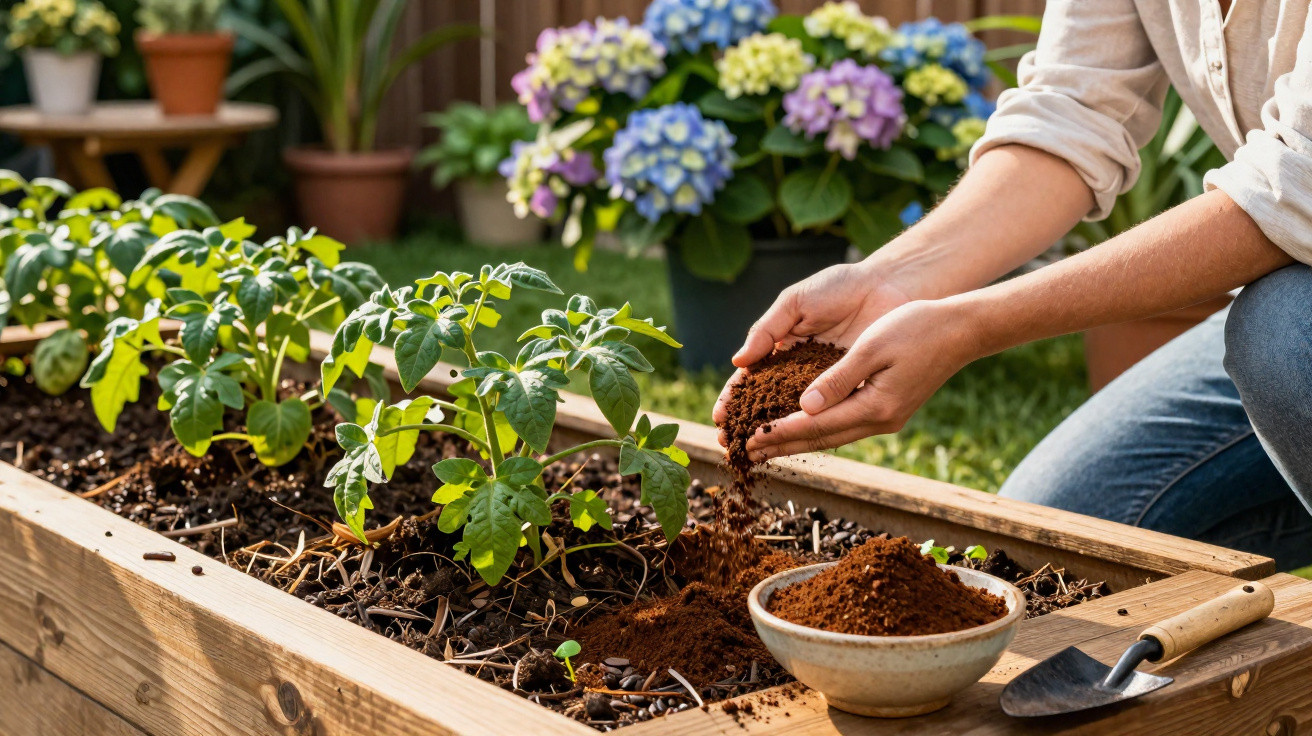
It’s about coffee grounds. What ends up in your filter or portafilter after breakfast doesn’t belong only in the food-waste caddy. Used the right way, that brown “waste” feeds plants, improves soil and helps deter certain pests. Best of all, you’re making it every day anyway.
What coffee grounds actually do in soil
Coffee grounds are more than just a dark powder. They bring a whole mix of nutrients that many garden beds and potting mixes can genuinely benefit from.
"Coffee grounds provide a slow-release fertiliser, loosen the soil and encourage lively soil biology – with no chemicals at all."
Nutrients: gentle feeding instead of root shock
The key nutrient is nitrogen. It supports strong, rich green leaves and drives growth in many garden and house plants. Alongside that, there’s phosphorus for tougher roots and more generous flowering, plus potassium, which helps plants cope better with disease and stress.
On top of this, coffee grounds contain trace elements such as magnesium and copper. These tiny amounts are missing from many standard bagged composts, even though they matter for photosynthesis and essential enzyme processes.
A clear benefit over synthetic fertilisers is the release rate: coffee grounds let nutrients out gradually. That makes it far less likely you’ll “burn” roots or shock plants with a sudden nutrient surge.
Soil structure: food for earthworms and micro-organisms
The structural effect is at least as important as the nutrients. As coffee grounds break down, they attract earthworms. These small soil workers create channels, open up compacted ground, improve aeration and help excess water drain away.
Once worms move in, the whole soil ecosystem gets a boost: bacteria, fungi and other micro-organisms decompose organic matter and make nutrients available bit by bit. Over time, this builds a stable, fertile soil structure that your plants can draw on year after year.
pH level: slightly acidic – a plus for certain plants
Coffee grounds are mildly acidic. That suits plants that prefer acidic soil. In very lime-rich (more alkaline) soils, they act as a gentle counterbalance without swinging the pH dramatically.
The effect is more buffering than extreme: the soil doesn’t suddenly become “acid”, it simply behaves more steadily. That takes pressure off many sensitive root systems.
These plants respond particularly well to coffee grounds
Not every plant benefits equally from coffee grounds. Some species visibly thrive with this brown addition, while others need a more cautious approach.
Ornamental shrubs and flowering plants that like acidic soil
Coffee grounds tend to make the biggest difference for classic acid-loving plants:
- Hydrangeas: In more limey soils, blue flowers can develop a deeper colour and foliage often stays fresher.
- Rhododendrons: Denser leaves and stronger bud formation when the root area is topped up regularly with small amounts of coffee grounds.
- Camellias: Benefit from the slight acidification and the airier structure, particularly in pots.
- Roses: The extra nitrogen supports vigorous shoots and fuller flowering; many rose growers build coffee grounds into their routine.
With roses, it’s worth pairing coffee grounds with other organic feeds such as compost or well-rotted manure. That way the shrubs get balanced nutrition rather than being pushed in one direction.
Vegetable beds: tomatoes, leafy greens and root crops
In the kitchen garden, results can show up quickly:
- Tomatoes: Better fruit set and sturdier plants when coffee grounds are worked into the soil during bed preparation.
- Leafy greens: Lettuce, spinach and chicory can form larger, firmer leaves with a fuller flavour.
- Root crops: Carrots and potatoes benefit from improved airflow and looser ground.
On heavy, clay-rich soils in particular, the organic material in coffee grounds helps the earth become more crumbly and easier to work.
Houseplants: tropical types and “special cases”
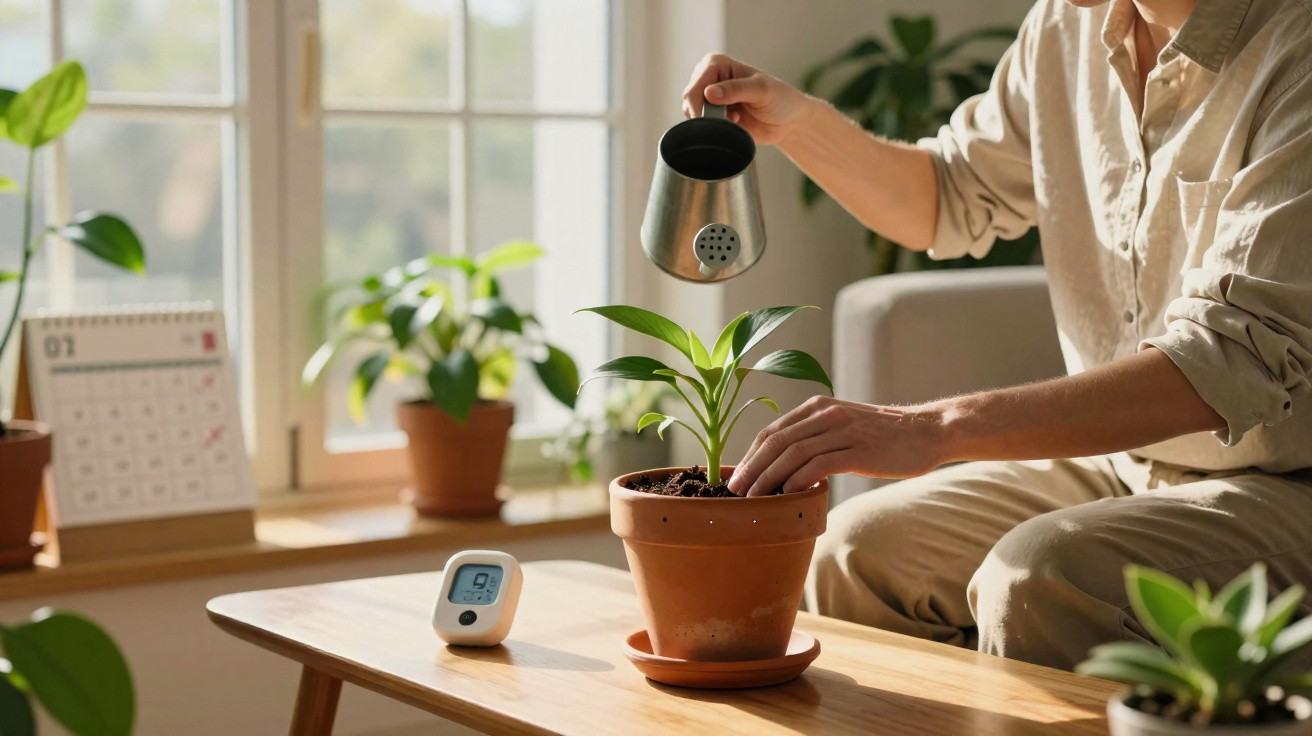
Coffee grounds can also be useful indoors in small, targeted doses. Tropical foliage plants such as Monstera (the “Swiss cheese plant”) often respond well to the gentle nutrient input, as long as you keep quantities modest.
If you grow more demanding plants like orchids, you can mix very small amounts of thoroughly dried coffee grounds into the growing medium. However, this is best treated as a supplement rather than the main feed, because orchids are sensitive to excess moisture and compaction.
Plants where you should hold back
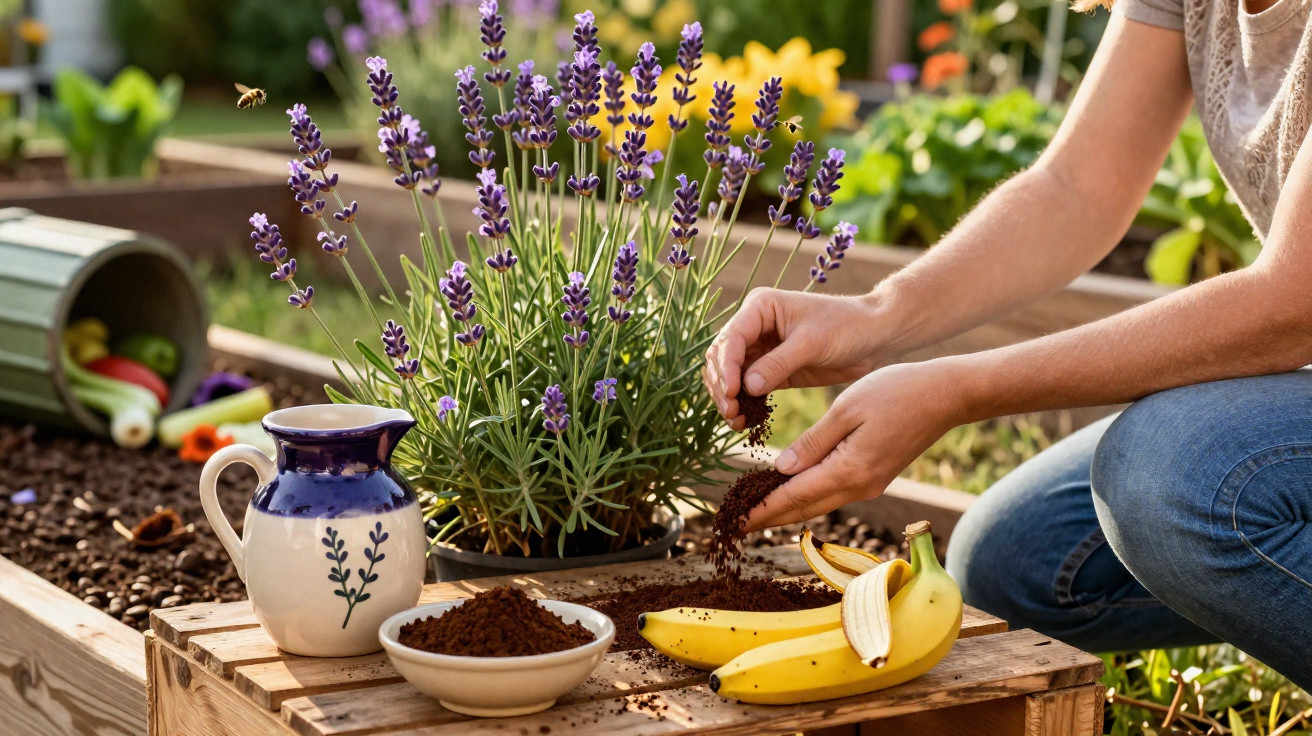
Typical Mediterranean herbs are a poor match. Lavender, rosemary and thyme naturally grow in leaner, more limey soils.
"Mediterranean herbs need sparse, more alkaline conditions – too much coffee grounds makes them weak and prone to disease."
If you apply coffee grounds here repeatedly, you nudge the pH into a range these plants don’t tolerate well. The outcome can be stunted growth, yellowing leaves and, in some cases, complete failure.
Coffee grounds as natural protection against pests
Beyond feeding the soil, coffee grounds have a second, often overlooked benefit: they can discourage certain nuisances.
Slugs, ants and unwanted neighbourhood cats
Dried coffee grounds are simply unpleasant to some animals:
- Slugs: They tend to avoid the rough surface of dry granules and don’t like crossing it.
- Ants: Many colonies alter their routes when they keep encountering coffee grounds.
- Cats: The smell and texture often put them off, which can help stop beds becoming litter trays.
- Aphids: Some gardeners report lighter infestations on plants mulched with coffee grounds, although the effect varies.
Part of this comes from residual caffeine in fresh grounds. As time passes, that portion decreases and what remains is mainly a physical barrier effect.
Important: coffee grounds are not a complete pest-control strategy. They work best as one element alongside robust varieties, suitable companion planting and good general plant care.
How to use coffee grounds correctly without harming plants
Drying: preventing mould
Fresh, damp coffee grounds go mouldy quickly. After brewing, spread them out on newspaper or a tray and leave them to dry for one to two days.
Skip this and you risk musty smells, fungal growth on the soil surface and stress for sensitive roots.
Mix in rather than piling on top
A common mistake is tipping coffee grounds onto the soil in a thick layer. It can set into a crust and act like a lid, making it harder for water and air to reach the roots.
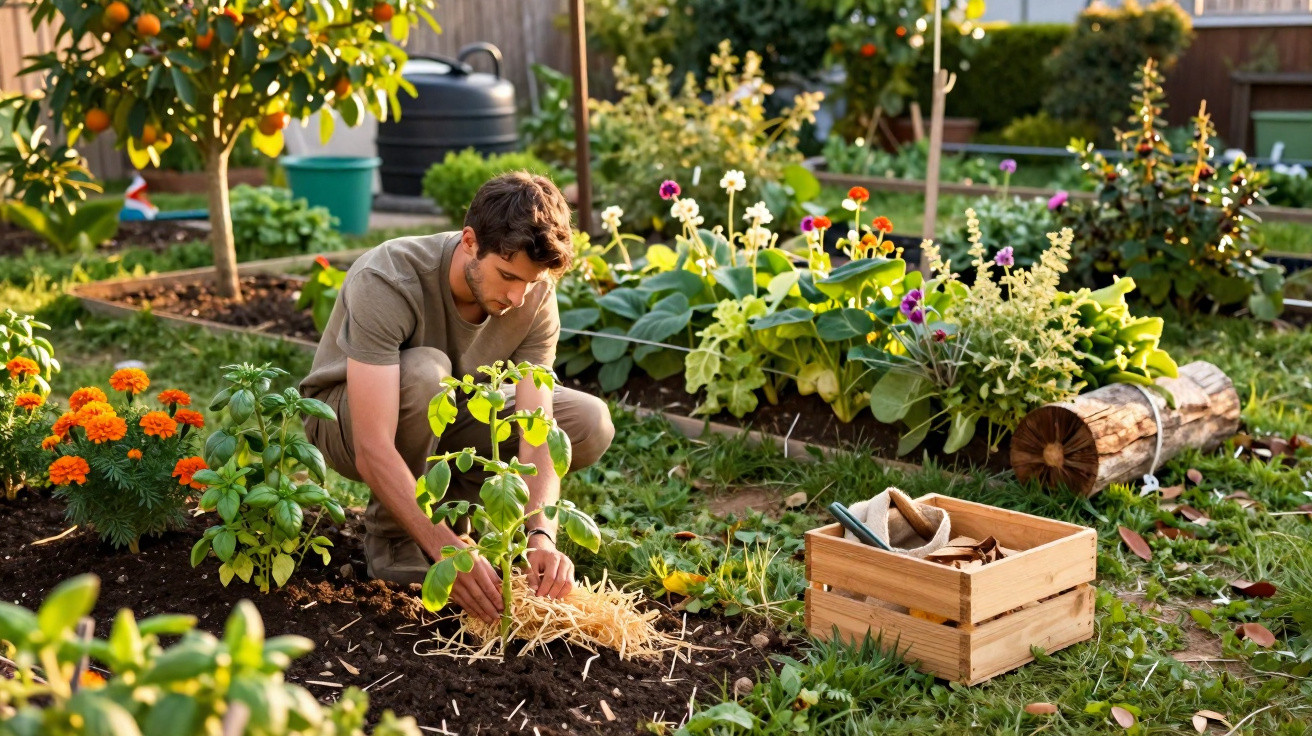
A better approach is to scatter a thin layer of dried grounds and lightly work them into the top 2–3 centimetres of soil. In beds, you can also incorporate them just before you loosen the ground.
Adding coffee grounds to the compost heap works extremely well. Mixed with other organic material, they break down into a balanced humus that most plants tolerate.
Dosage: less is more
"One to two tablespoons per plant per season are enough – too much coffee grounds puts strain on the soil."
As a rule of thumb, use one to two tablespoons per plant, no more than four times a year. Avoid thick rings piled right at the base. Seedlings and young plants can be particularly sensitive to high nitrogen levels and a compacted surface.
If you collect a lot of coffee grounds, spread them across several beds, feed some into the compost, or use a portion as an additive in potting compost rather than concentrating everything in one spot.
Keep an eye on pH
For more sensitive plants, a simple pH test kit from a garden centre is worthwhile. It helps you spot if the soil is becoming too acidic. Flowering plants such as lilies, or insect-friendly perennials, generally prefer more balanced conditions.
If you routinely apply garden lime (for example on lawns), avoid dumping large quantities of coffee grounds on the same areas, so you don’t upset the balance unnecessarily.
Practical tips for everyday use
- Collecting coffee grounds: A ventilated tub under the sink is fine - dry the contents regularly.
- Mix straight into fresh compost when repotting in spring.
- For tomatoes and roses, create a small “ring” of lightly incorporated grounds around the plant.
- Combine coffee grounds with grass clippings and kitchen scraps in the compost to keep a good carbon-to-nitrogen balance.
If you garden in containers, small amounts of coffee grounds can be blended with coir or bark humus. This helps water retention and aeration without making the potting mix too heavy.
The long-term effect is particularly interesting: soils that receive small, regular organic additions such as coffee grounds are less prone to waterlogging and surface sealing. Rainwater soaks in more readily, and dry spells are easier to manage because the soil can store more moisture.
As a bonus, less organic waste ends up in the bin, your coffee habit gains a second purpose, and your garden becomes a little more resilient over time - thanks to something that’s already waiting in your kitchen each morning.

Comments
No comments yet. Be the first to comment!
Leave a Comment