
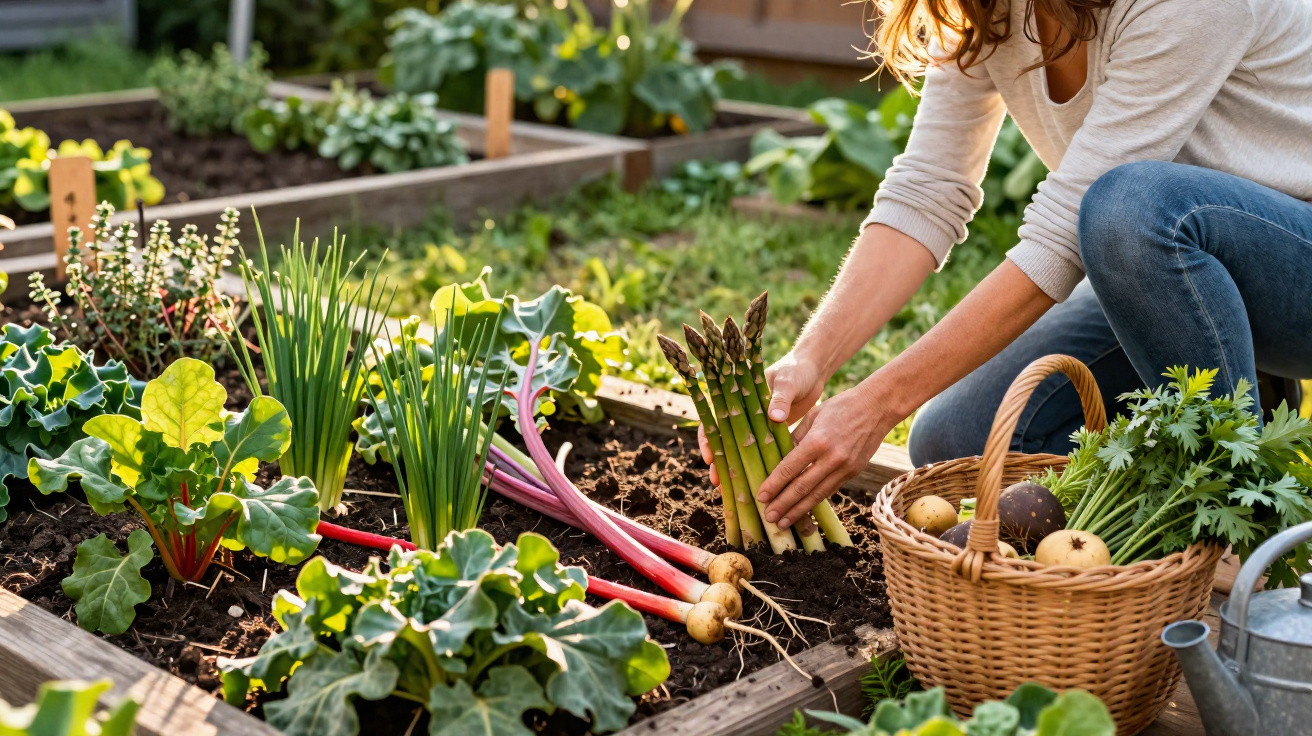
There is another way: vegetables that stay in the bed for good.
If you raise the same varieties every spring, keep one eye on late frosts, and spend summer permanently walking around with a watering can, it’s only a matter of time before you ask yourself: is all this effort still worth it? Vegetables that are planted once and return year after year can cut the workload dramatically and turn your veg patch into something close to self-managing - with surprisingly reliable harvests for many years.
What perennial vegetables are - and why they reduce the work
Perennial vegetables are crops that remain in the same spot for several years and still provide a fresh harvest each season. Some are genuinely perennial, such as asparagus or rhubarb. Others keep themselves going by spreading - via seed, runners, or tubers, as with Jerusalem artichokes and crosne.
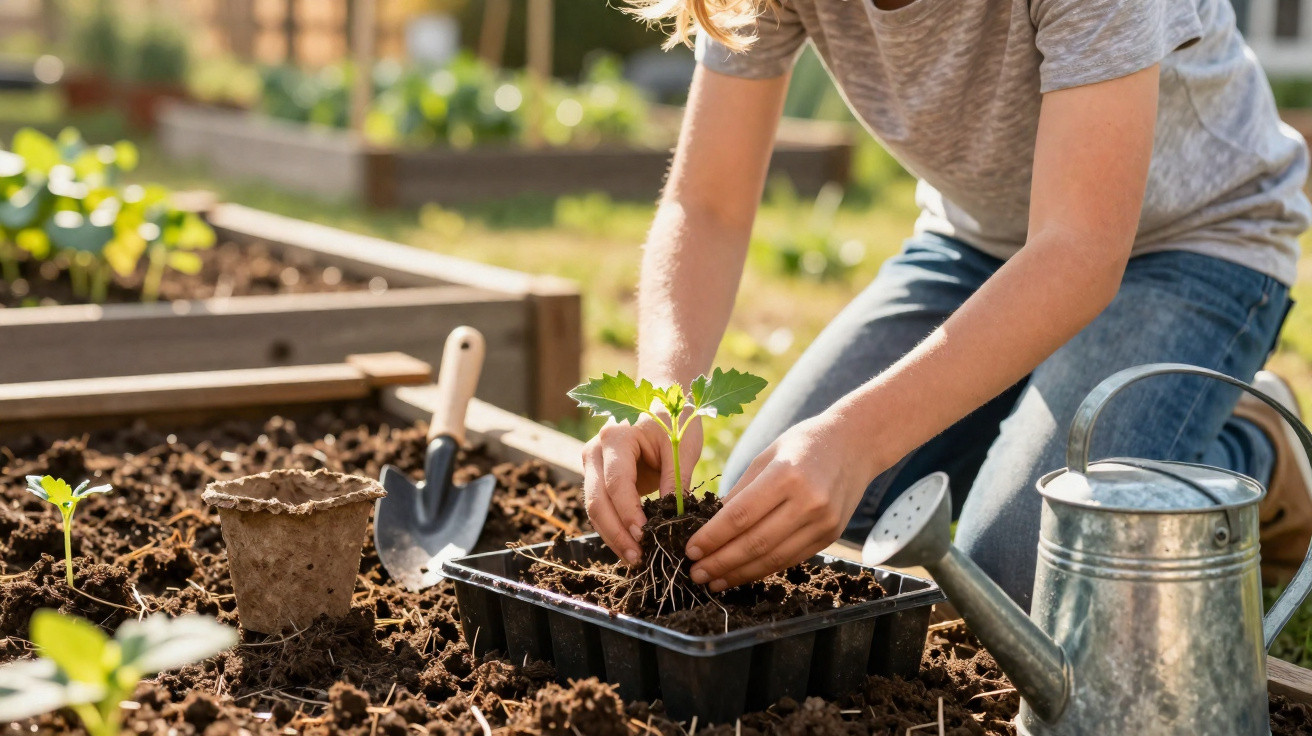
Getting started does take a bit more effort: loosen the soil, work in compost, plant, and water in well. After that, a lot happens on its own. Once established, these plants typically need:
- far less watering than typical summer crops,
- no annual digging over,
- hardly any replanting or resowing,
- steady yields over many years.
"Perennial vegetables turn part of a bed into a kind of green savings account - you can harvest for years without constantly paying back in."
Another benefit is that the plants stay put. Roots, leaves and flowers support soil life, beneficial organisms and insects. The garden feels more alive, and the bed doesn’t sit completely bare through winter.
How long these plants really keep going
Some species are impressively long-lived. Asparagus, for example, requires two to three years of patience before the first proper harvest. After that, a well-made asparagus bed can produce for ten years or more - and in ideal conditions, for almost two decades.
Rhubarb, too, often remains productive in the same place for more than ten years. Culinary herbs such as chives or lovage reliably return every year. So-called perpetual leeks repeatedly push up fresh stems and can be picked on an ongoing basis. Sorrel forms clumps that deliver tangy, fresh leaves for several springs in a row.
That reliability pays off: plant carefully once, and you benefit for a long time - while avoiding countless sowing dates and planting sessions.
The 15 most popular perennial vegetables for an almost self-running bed
If you’re starting out, it makes sense to choose tough, all-round types that cope well even in average soil. The following are particularly low-fuss:
Leafy crops and stems that return every year
- Perpetual leek (Allium ampeloprasum): Constantly produces new stems and leaves; very hardy.
- Tree kale (e.g. Daubenton’s kale): A perennial kale you can regularly pick leaves from.
- Good King Henry (Chenopodium bonus-henricus): A traditional crop used much like spinach.
- Sorrel: Fresh, sharp leaves for salads, soups and sauces.
- Rhubarb: In spring, provides juicy stalks for compote, cakes and jams.
- Lovage: A powerful seasoning herb with a celery-like note that quickly becomes an impressive clump.
Aromatic plants for year-round flavour
- Chives: Returns each year with fresh hollow stems; great in beds and balcony planters.
- Perennial basil: Perennial in mild areas or in a pot; highly productive.
- Perennial fennel: Repeatedly produces new leafy growth; good for tea and as a seasoning.
- Wild garlic: Prefers shade and moist soil; spreads over time into carpets.
Roots and tubers for a full harvest basket
- Jerusalem artichoke: Tall plants with edible tubers; very tough and vigorous.
- Crosne: Forms small, twisted tubers with a mild flavour.
- Horseradish: Hot, pungent root that regrows even from tiny leftover pieces.
- Artichoke: Perennial in warm areas; brings decorative flower heads to the plate.
- Asparagus: A classic long-term resident in the veg garden - ideal for anyone with patience.
"Most of these types will forgive care mistakes, as long as the soil isn’t waterlogged and a mulch layer protects them."
What to consider when choosing your plants
Not every perennial vegetable suits every garden. Some become very large; others demand specific soil conditions. A quick check before buying prevents disappointment later.
- Space required: Lovage or artichokes form huge clumps. If you only have a small bed, place them at the edge - or skip them.
- Soil type: Asparagus prefers light, sandy soils that warm up quickly. Rhubarb is happier in humus-rich, moist soil.
- Light levels: Wild garlic does best in shade under shrubs or trees; sorrel likes partial shade; many others, like Jerusalem artichokes, want full sun.
- How you cook: If you rarely use horseradish, you don’t need a whole strip devoted to it. Choose crops that genuinely end up in your kitchen regularly.
Particularly assertive spreaders such as Jerusalem artichoke, horseradish and crosne should be given a clearly bounded area - for instance along a fence, or in large containers. Otherwise, over time they can push aside more delicate neighbours.
How to set up a permanent vegetable bed with minimal fuss
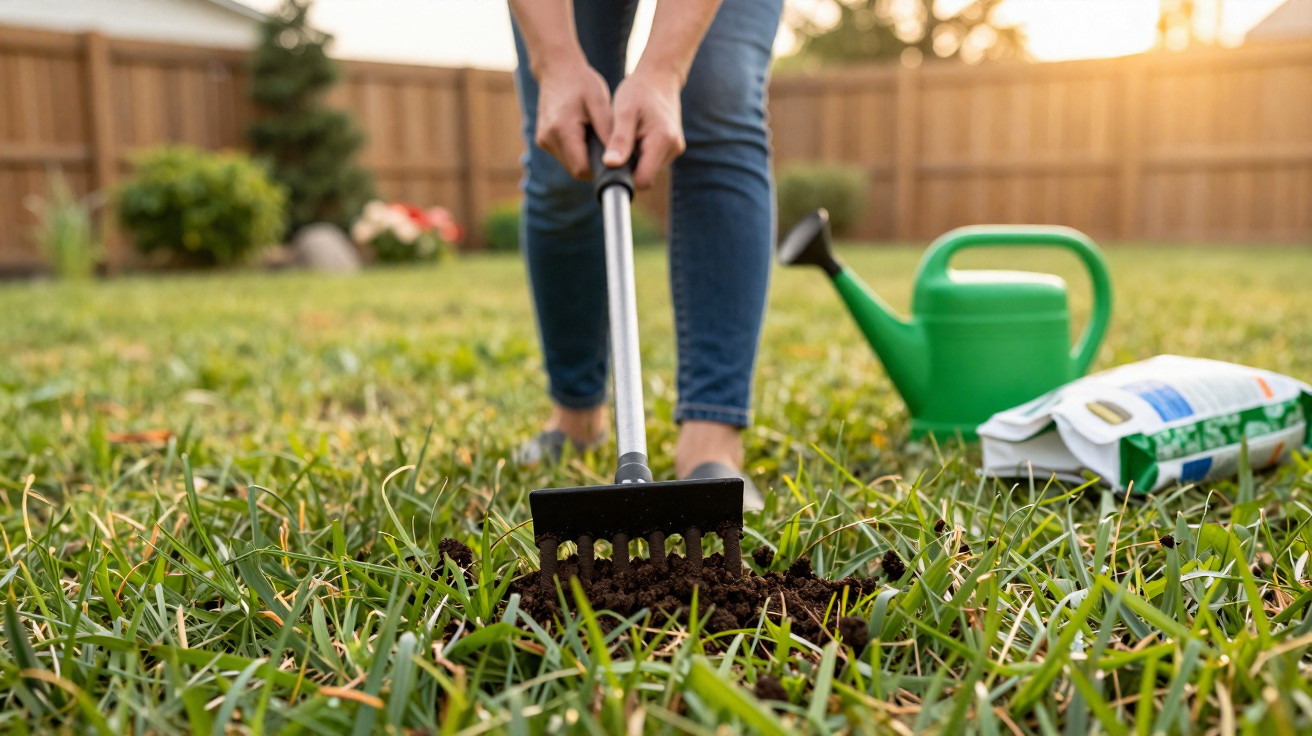
You’ll get the best start when the soil is properly prepared. Using a garden fork or a broadfork, loosen the ground deeply without completely turning the soil layers over. Then add plenty of mature compost - this creates a nutrient-rich base that can carry the bed for years.
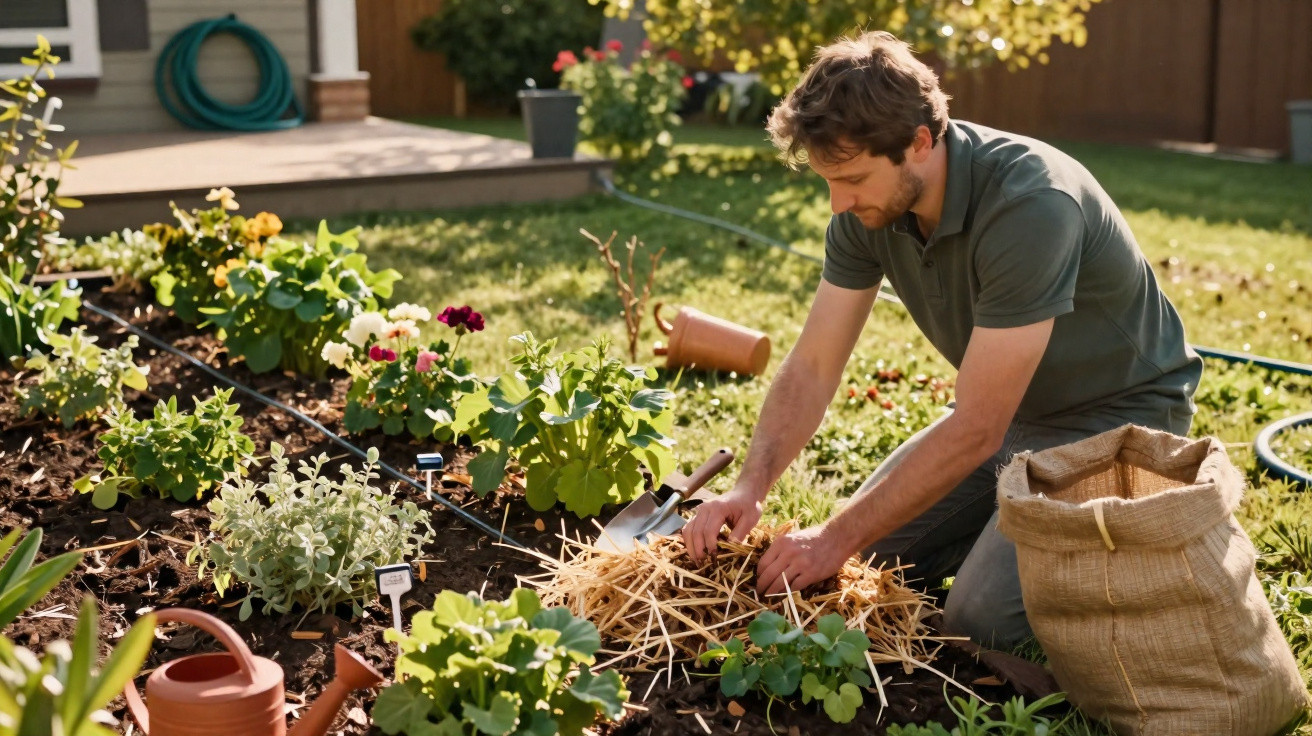
Next, plant with generous spacing, water in thoroughly once, and cover the surface with a thick mulch layer - for example grass clippings, leaves or straw. Mulch keeps moisture in the ground, suppresses weeds, and feeds the soil gradually.
"The most important ‘maintenance job’ in a perennial vegetable bed is, in fact, the mulch. It replaces many watering rounds and keeps the soil loose and crumbly."
Most plants perform best in full sun. Shadier corners are ideal for wild garlic, sorrel or woodruff if you want to expand later. A mix of sunny and partially shaded spots also spreads the risk in extreme weather: in very hot summers, the shaded areas often still produce well when the sun is relentless.
What a perennial vegetable bed really delivers day to day
Once the system is established, the workload in the garden changes noticeably. Instead of drawing dozens of sowing rows every spring, you only plan a few additions such as tomatoes, cucumbers or peppers. The perennial vegetables become the backbone of your supply.
A small example set that suits many home gardens:
- perpetual leek for soups and stews all year,
- sorrel and chives for salads and herb quark,
- wild garlic in spring for pesto and butter,
- rhubarb for desserts and preserving,
- Jerusalem artichoke or artichoke as a filling main crop.
With this kind of mix, you can cook spontaneously on many days without much forward planning. Add a few annual favourites like tomatoes and courgettes, and you’ll have a well-stocked harvest basket for much of the year.
Opportunities, limits and common mistakes with perennial vegetables
Perennial vegetables have clear strengths, but they don’t replace every classic crop. Carrots, cucumbers or French beans remain annual visitors. If you try to switch a whole garden over to perennials, you quickly hit limits in terms of variety and harvest volumes.
Common mistakes include:
- planting too close together - after a few years, the clumps crowd each other,
- failing to keep vigorous spreaders in check - Jerusalem artichokes and the like then wander everywhere,
- using too little mulch - beds dry out and weed up faster,
- choosing the wrong site - for example, rhubarb in full sun without enough moisture.
If you keep these points in mind, you benefit twice: the effort drops, and your supply of fresh greens becomes more dependable. In dry summers especially, many perennial species show they cope with drought better than delicate young plants.
Useful background information for clearer understanding
The term “perennial vegetables” overlaps strongly with “perennial plants” and concepts such as permaculture. It describes a way of growing where the bed isn’t completely churned up each year, but instead slowly matures and develops. With roots, dead leaves and microorganisms, a stable soil structure forms - one that holds water more effectively and helps prevent erosion.
It becomes particularly interesting when combined with other elements: berry bushes along the edge, a small herb border, perhaps a low-trained fruit tree. Gradually, you create an area of the garden that does several jobs at once - from harvest to shade to habitat for insects. That makes the veg garden more resilient, saves time, and also puts ingredients on your plate that you’ll rarely find in a supermarket.
Comments
No comments yet. Be the first to comment!
Leave a Comment