
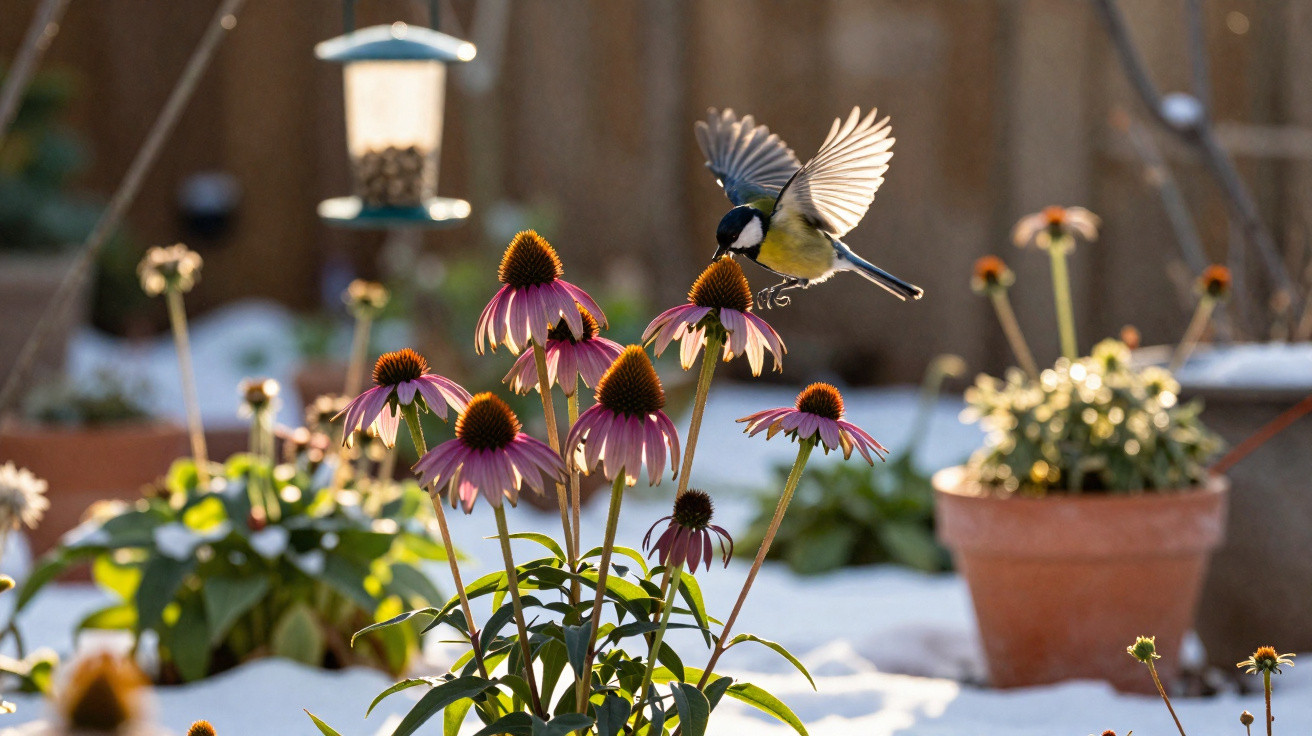
Plant it now and, next winter, you could be watching a real bird spectacle right outside your window.
Plenty of gardeners put out bucketloads of seed in winter feeders, then wonder why only the odd tit or other songbird turns up. Often, the answer is not buying an even bigger feeder but planting the right thing in the ground: one particular, almost forgotten perennial can supply birds with natural food for months - with no daily topping up.
Why a natural feeding spot is smarter than any feeder silo
When deep-winter frost and snow bring everything to a standstill, bird feeders can empty at lightning speed. If you’re working or away, it’s hard to keep the food supply steady. That’s exactly where a natural feeding area comes into its own.
"A single perennial bed can become a permanent ‘buffet’ for tits, finches and the rest - with no constant refilling or cleaning."
The principle is simple: rather than relying only on shop-bought seed mixes, set aside part of the garden for plants whose seeds and spent flowerheads are left standing all winter. That creates a self-service restaurant for birds that keeps going even when no one is at home.
These plants don’t have to replace bought seed completely. They broaden what’s available. Tits, goldfinches and greenfinches can still find energy-rich food even during prolonged hard frosts - and they’ll remember your garden as a regular stop.
The underestimated winter perennial: Echinacea as an automatic feeder
The plant in question is familiar to many as an ornamental or from the chemist: purple coneflower, botanically Echinacea purpurea. In summer, its pink-to-purple blooms stand out in borders. What’s often overlooked is that the most interesting stage - for birds - begins once the flowers fade.
At the heart of each flower sits a strongly domed cone. By late summer and autumn, that cone turns into countless small, dry fruits containing oil-rich seeds. These nutritious seeds are exactly what small songbirds need in winter to help maintain their body temperature.
- Fatty, oil-rich seeds: provide energy and protein for cold nights
- Sturdy stems: offer tits and other birds a secure perch
- Raised above ground level: gives better protection from mice and rats
Echinacea is also exceptionally tough. The clump tolerates temperatures of -20°C and colder, stays in the same spot for years, and often grows more vigorously with each season. In summer it adds colour to the bed; in winter it becomes a natural seed dispenser - two benefits from one planting.
Perfect timing: when to plant purple coneflower
To get the best from the plant, timing matters. The best window is spring, once the soil is no longer deeply frozen but still holds plenty of moisture.
"The ideal planting period is between mid-March and the end of April - just as the soil starts to warm up, while still retaining enough moisture."
Planting too early can leave young plants exposed to late frosts. Starting much later pushes the perennial into summer heat, which means more watering and makes establishment harder. If you plant in spring, purple coneflower usually flowers in its first summer and produces its first worthwhile seedheads in the following winter.
The right place in the garden: sun, spacing, and a good view
Echinacea thrives in bright conditions. A damp, shady corner behind the garage is the wrong setting. The plant does best in a sunny border, ideally with at least six hours of direct sunlight each day.
Site tips for maximum bird appeal
- Plant in full sun: the more sun it gets, the better the flowering and seed set.
- Easy to see from the house: a spot visible from the kitchen or living-room window works especially well.
- Sheltered from strong winds but still airy: stems are less likely to snap, yet they dry well and are less prone to mould.
- Not right beside a path: heavy foot traffic can scare birds away.
Before planting, loosen the soil to around 20 centimetres deep. If you have heavy clay, mixing in sand and a little gravel helps prevent waterlogging. Echinacea does not cope well if its roots sit in wet soil through winter.
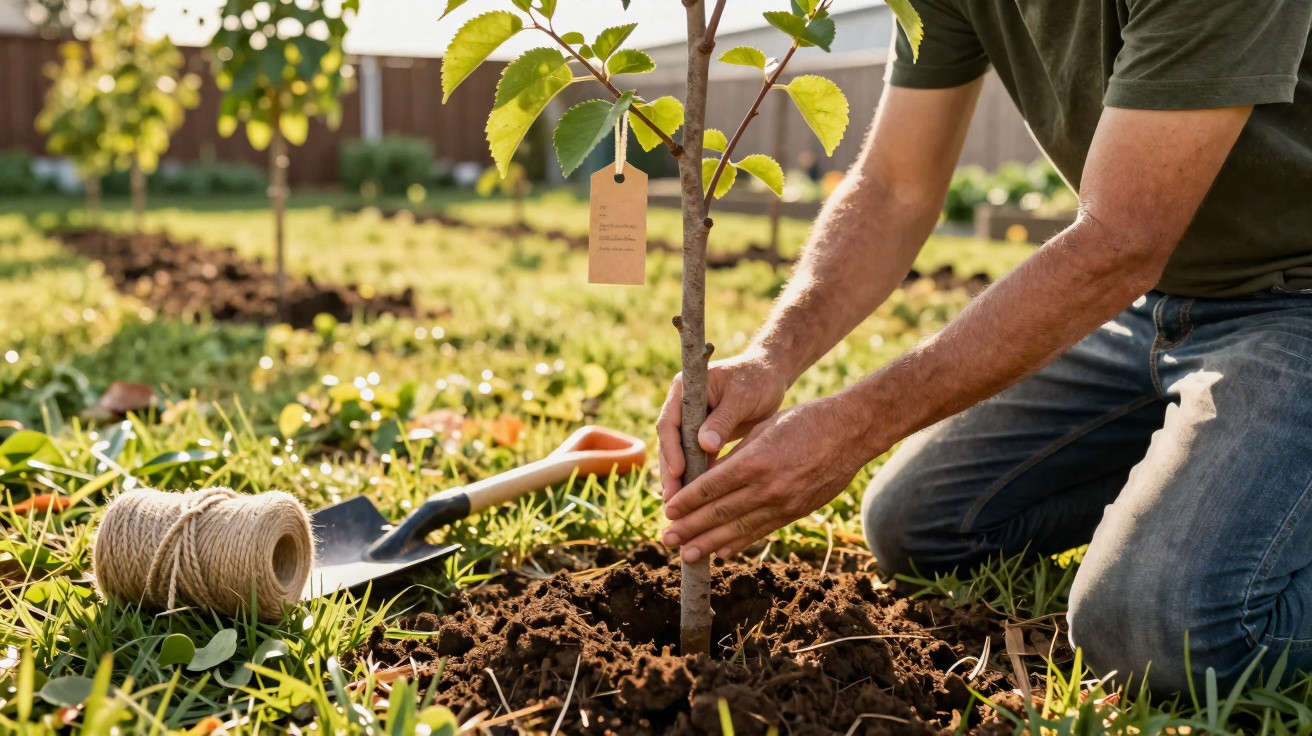
When planting, soak the root ball, set the plant at the same depth it was in the pot, firm it in, and water thoroughly. Space plants 40 to 50 centimetres apart. If you want a particularly lush display and lots of seedheads, you can plant five plants per square metre.
Low-effort in summer, crucial in winter
After planting, purple coneflower mainly needs one thing during its first summer: occasional watering during longer dry spells. Once it has rooted in properly, it handles normal weather extremes remarkably well.
The key maintenance tip, though, is for autumn: don’t cut off the faded stems. What looks “tidy” to us removes the birds’ most important winter food source.
"Leave the dry flowerheads standing until spring - they are the real winter food."
The seedheads act like small, natural feed silos. Outdoors they dry naturally, keep well thanks to air circulation, and hang at a safe height. On cold days, tits, goldfinches and other species hop from stem to stem and pick out the seeds - a scene you can easily watch from a warm living room.
Feeder pitfalls: why perennials beat many feeder silos
Traditional bird feeders certainly have their place. They’re particularly useful if you don’t have a garden or if you have very few bird-friendly plants. Even so, they come with drawbacks.
- Hygiene: leftover food, droppings and moisture can quickly lead to germs and disease.
- Mould and rancid seed: can be eaten by birds and weaken them further in winter.
- Rats and mice: spilled seed on the ground attracts unwanted visitors.
That’s why biodiversity experts often advise starting with natural food sources first: perennials left standing, berrying shrubs and hedges. A strong planting of Echinacea fits that approach perfectly. It provides food without anyone needing to clean or refill anything.
How to combine Echinacea with other bird magnets
Your garden becomes even more attractive to birds if you mix purple coneflower with other plants that provide food across the seasons. Done well, you can cover almost the whole year.
- Early summer: cornflowers, poppies and other annual wildflowers produce the first seeds.
- Summer to autumn: sunflowers and other daisy-family plants add larger seeds.
- Autumn and winter: echinacea, thistles and other spent perennials remain standing as a long-lasting seed source.
- All year round: native shrubs such as dog roses (rosehips), hawthorn or elder provide berries, shelter and nesting sites.
By creating several beds like this, you don’t just help tits - you also increase insect diversity. Bees, bumblebees and butterflies benefit from the summer flowers, while birds rely on the seeds in winter. A simple ornamental border can turn into a small ecosystem.
Practical tips for beginners without “green fingers”
If you’ve only had a lawn and perhaps a few pots up to now, stepping into the world of perennials can seem complicated. In reality, echinacea is considered reliable and forgiving.
Key points to get started:
- Buy young plants from a nursery rather than sowing from seed - it’s much quicker.
- Water during dry weather in the first summer; later, only during extreme heat.
- Don’t worry about dry stems in winter - they’re intentional and useful.
- After a few years, you can divide the clump to plant up new areas.
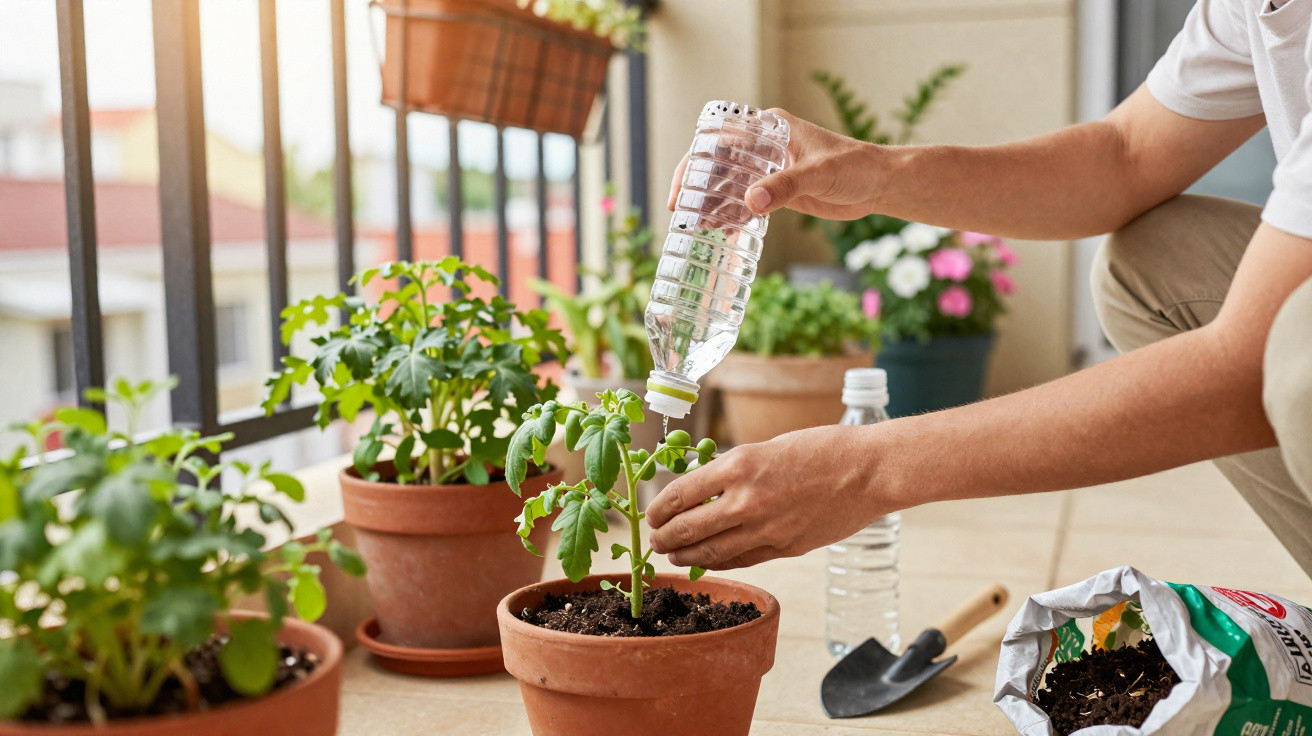
If you have a balcony rather than a garden, you can also grow echinacea in large containers. It won’t be quite as long-lived as it is in a border, but some seedheads will still be available to birds even in town - especially on higher floors where tits and sparrows often stop by.
Why tits keep coming back when the garden “does the thinking”
Songbirds are practical: they reliably return to places where they can get lots of energy with little risk. A bed of purple coneflower and other bird-friendly perennials offers exactly that. The birds don’t have to search for long, waste less energy, and stay in better shape for icy nights.
For garden owners, the difference is easy to notice: plant a few hardy perennials in spring and you’ll have a lively garden in winter - constant fluttering, cheeky squabbles around the seedheads, and the satisfaction of genuinely helping local species, without trudging out every day with a bucket of seed.
Comments
No comments yet. Be the first to comment!
Leave a Comment