
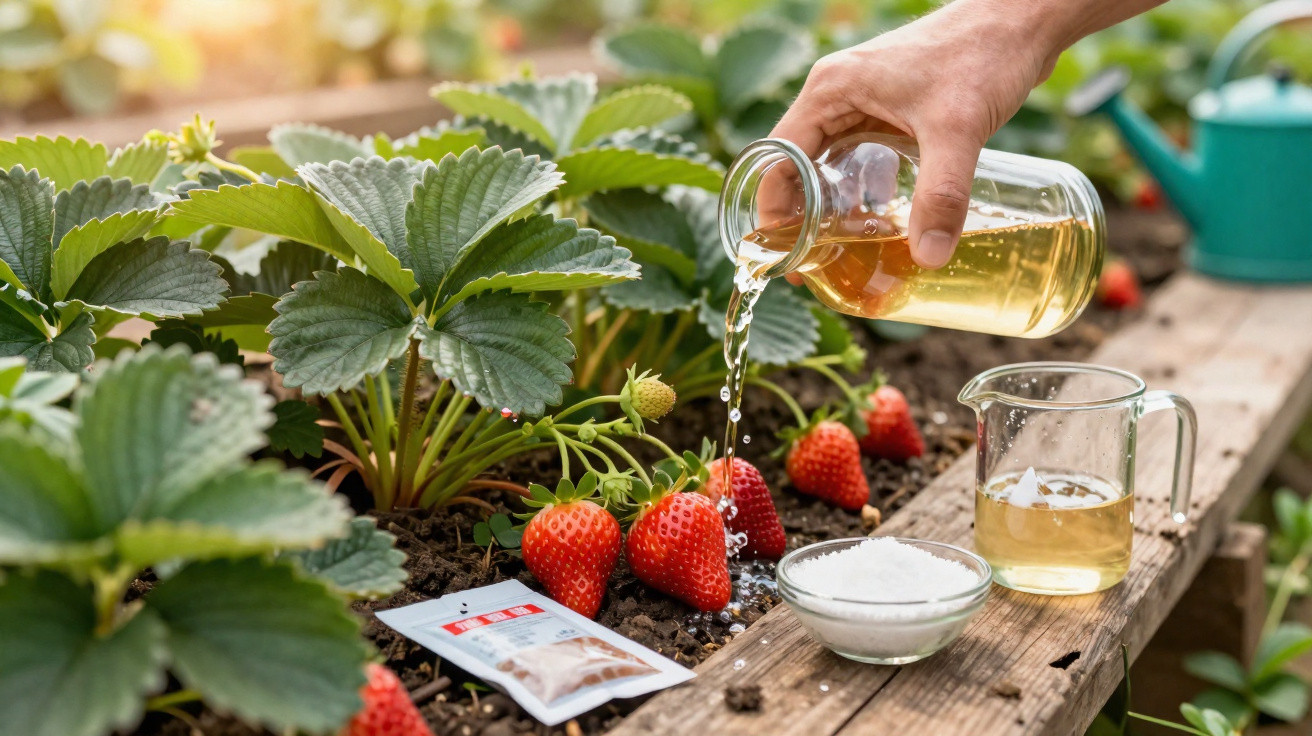
Many gardeners will recognise the frustration: the strawberry plants look vigorous in the bed, yet the fruit stays small and underwhelming. A particular home-mixed fertiliser made from yeast is said to tackle exactly this issue - and in plenty of gardens it leads to noticeably larger, juicier berries. The best part is that most of what you need is already sitting in the kitchen.
How a simple yeast fertiliser turns strawberries into heavyweights
The principle behind the trick is straightforward: rather than relying on pricey specialist feeds, you use living micro-organisms plus easily available nutrients. Together, yeast, water and sugar act like a “metabolism boost” for the soil - and, by extension, for the strawberry plants growing in it.
"If you use yeast properly, you’re not just feeding the plant - you’re feeding the entire soil life around the roots."
Compared with many liquid fertilisers from the garden centre, this mix stays very gentle and kind to plants. It doesn’t deliver a sudden nutrient jolt; instead, it stimulates biological activity in the soil that can continue to have an effect for weeks.
The basic recipe: strawberry fertiliser made from yeast, water and sugar
To make the fertiliser yourself, you only need a handful of ingredients and a little time for fermentation:
- 50 grams of fresh baker’s yeast, or about 1 teaspoon of dried yeast
- 1 litre of lukewarm water
- 1 tablespoon of sugar
Prepare it step by step:
- Dissolve the yeast in the lukewarm water until no lumps remain.
- Stir in the sugar so the yeast has immediate “food”.
- Leave the mixture in a bowl or bucket at room temperature for around 24 hours.
- Once fine bubbles appear and there’s gentle fermentation, the starter is ready.
- Dilute at a 1:5 ratio with water (one part starter to five parts water).
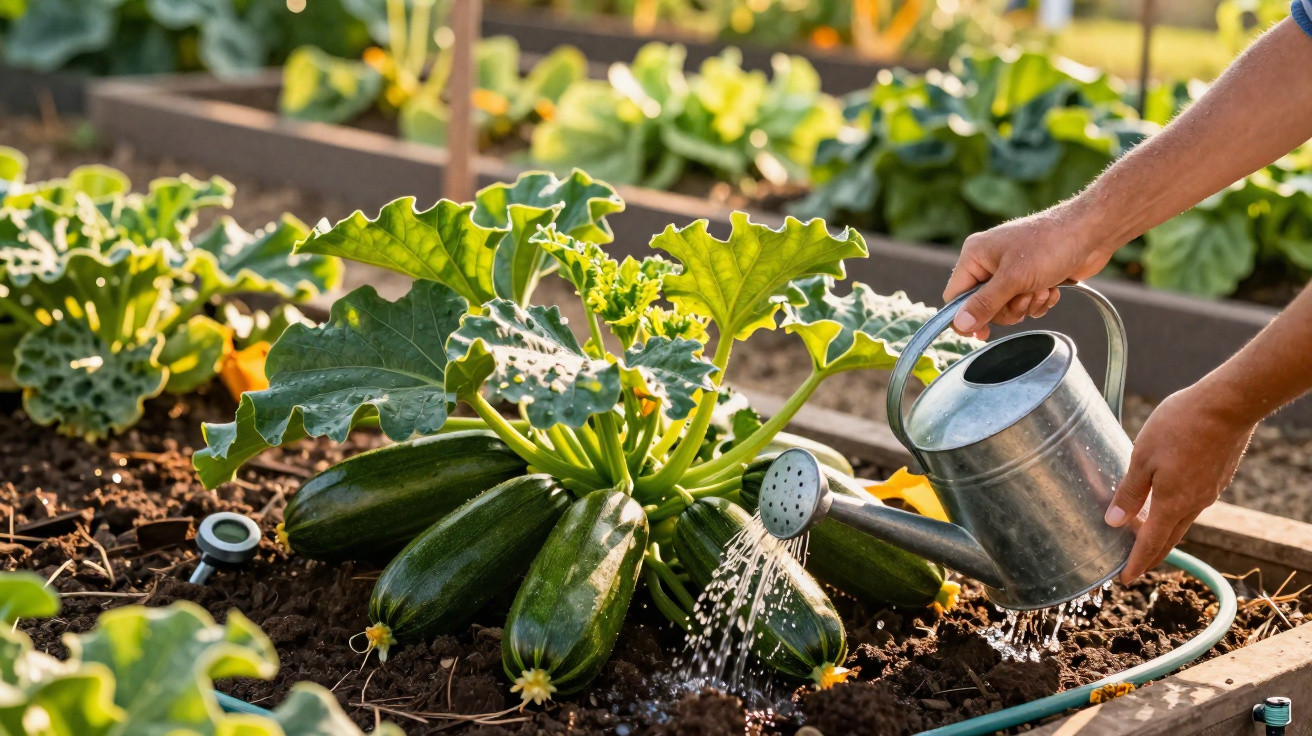
Around half a litre of the diluted solution per strawberry plant is usually enough. Water directly around the root zone, not over the leaves.
Why yeast and sugar work so well together
Yeast naturally contains B vitamins, proteins and minerals such as nitrogen, phosphorus and potassium. Those are exactly the building blocks plants use for strong shoots, reliable flowering and firm fruit.
Sugar plays two roles: it kick-starts fermentation and, at the same time, provides energy for soil bacteria and fungi. That supports the development of a lively soil structure in which roots can take up nutrients more easily.
"Active soil packed with micro-organisms works for strawberries like a gym for the roots."
When the root system grows strongly, it can use water and minerals more efficiently. The outcome is tougher plants that produce larger, more aromatic fruit.
The scientific background: why the soil is the real powerhouse
Soil researchers have been emphasising for years how crucial the unseen life in the ground is for healthy plants. Billions of bacteria, fungi and tiny organisms break down organic matter, release nutrients and help stabilise soil structure.
This is where the yeast fertiliser comes in: it supplies readily usable substances that get that soil life going. Plants benefit indirectly because they sit in a better supplied “root zone”. Strawberries often react particularly clearly to these improvements, as they are sensitive to nutrient swings and waterlogging.
More natural fertiliser ideas for curious gardeners
If you like experimenting or want to feed different beds, you can also try other very natural options alongside the yeast mix:
- Old bread as fertiliser: Soak stale bread in water, leave for a week, then dilute 1:10 with water. Provides easy-to-access nutrients and also encourages micro-organisms.
- Nettle tea: Cover nettles with water, leave for several days to weeks until it smells strong, then dilute 1:20. High in nitrogen, ideal for growth before flowering.
- Sour milk with compost: Mix out-of-date milk with compost. The resulting feed brings calcium into the soil, which strengthens strawberry cell walls.
- Diluted chicken-manure solution: Soak chicken manure in water, dilute at least 1:10 and apply only before flowering, as it is very concentrated.
Each option has a slightly different focus. If you combine several fertilisers carefully, you can steer the nutrient supply in the bed quite precisely - rather like a diet plan for people.
Position, water, pH: getting the most from the yeast trick
Even the best fertiliser won’t do much if the basics are off. Strawberries thrive in sun, steady moisture and slightly acidic soil.
| Factor | Recommendation |
|---|---|
| Sunlight | At least 6, ideally 8 hours of direct sun per day |
| Watering | Even moisture but no waterlogging; drip irrigation is ideal |
| Soil pH | Between 5.5 and 6.8 for good nutrient uptake |
| Plant spacing | About 30–45 centimetres between plants so they don’t compete |
Mulching as well - for example with straw or grass clippings - helps prevent the soil from drying out and keeps the fruit clean. Combined with the yeast fertiliser, plants can then focus fully on growth and fruit set.
How often can you water with yeast fertiliser?
To avoid the mix becoming too strong, a clear schedule helps:
- Start in spring when the plants begin growing again
- A second application shortly before flowering
- If needed, a third round after the first main harvest flush
Leave at least two to three weeks between applications. If you’re also using other organic fertilisers, it’s best to increase gradually and watch the plants closely.
When is it too much?
An excess of nutrients often shows up as very dark, soft foliage that becomes prone to fungal disease. In that case, do a watering round with plain water and hold off on further feeding for the time being.
Risks, limits and sensible combinations in the bed
As effective as this method can be, it doesn’t replace fundamental care. Old, exhausted soil in planters or pots needs regular renewal, or at least a refresh with well-rotted compost. Only then can the yeast fertiliser reach its full potential.
If you have lots of ants or aphids in the bed, start more cautiously with sugar additions so you don’t provide extra food. In those situations, using smaller doses and keeping the leaves as dry as possible helps prevent sticky residue forming.
A particularly useful pairing is with traditional compost: first spread a thin layer of compost around the strawberry plants, then water in with the diluted yeast mix. That way, micro-organisms get both energy and plenty of organic material to break down.
If you want to improve beds over the long term, sow green manure in autumn, such as clover or phacelia. These plants loosen the soil, add fresh organic matter and prepare the area perfectly for the next strawberry season - and the yeast fertiliser can be even more effective the following year.
Comments
No comments yet. Be the first to comment!
Leave a Comment