
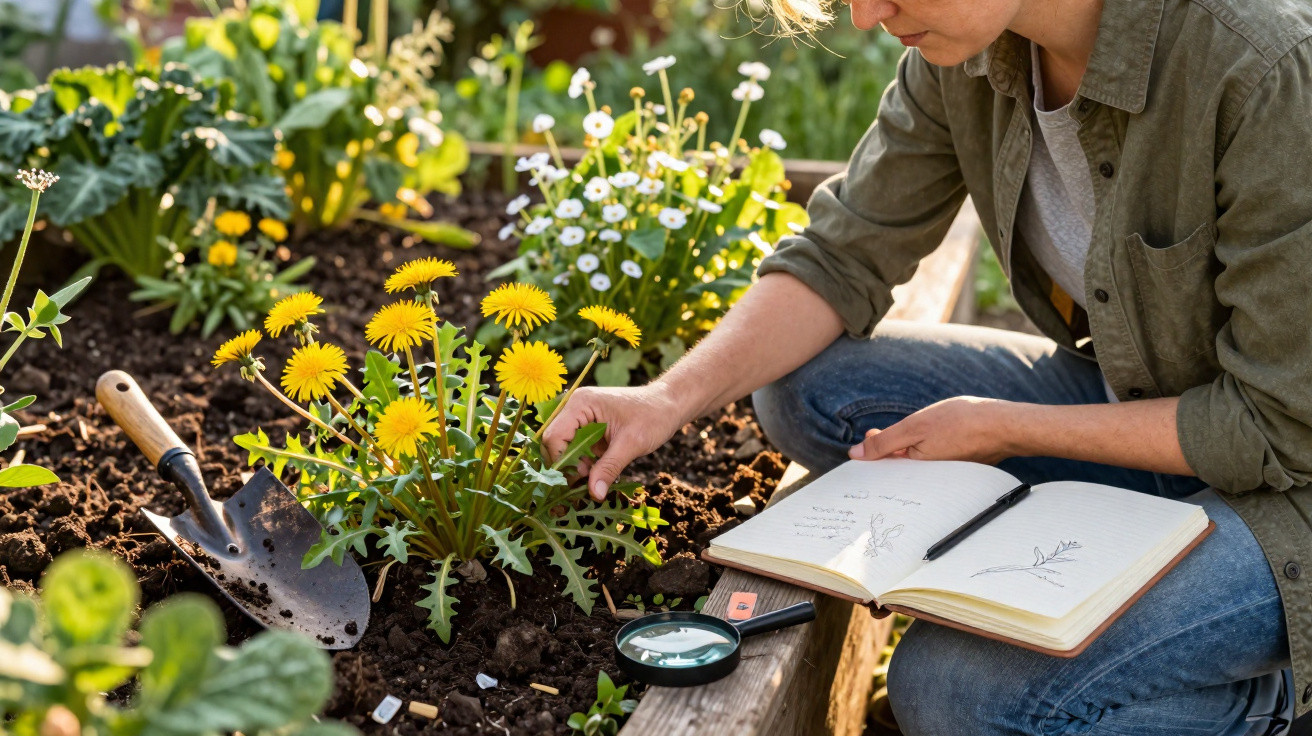
Many amateur gardeners head into spring determined to eradicate every last seedling popping up between the beds. Yet the low, inconspicuous wild plants underfoot are much more than just “weeds”. If you learn how to interpret them, they offer surprisingly precise clues about nutrient levels, compaction, moisture and even maintenance-related damage in the soil.
Weeds as diagnosis: the soil speaks if you pay attention
How so-called indicator plants reveal soil conditions
In horticultural terms, these are “bioindicator plants” - more commonly, indicator plants. The principle is straightforward: each species germinates only when the conditions suit it. Moisture, temperature, compaction, pH value and soil life determine which seeds awaken and which remain dormant.
That is why wild plants can function like a living lab report for your garden. Instead of paying for expensive soil tests, it is often enough to look carefully at what is thriving on its own. Where particular species appear in high numbers, there is almost always a clear message in the soil profile.
“If you only pull weeds out without looking, you throw away valuable information about the health of your garden.”
Seeing weeds in this way changes a common gardening reflex. Rather than automatically fighting every bit of green among your crops, it pays to identify what is growing first - and then adjust your care accordingly.
Important: it’s the pattern that matters, not a single plant
One dandelion on its own does not tell you much. It becomes meaningful when you can see obvious clusters. For a reasonably reliable diagnosis, always look for recurring groupings such as:
- Is one species taking over entire corners or patches?
- Do several typical species show up together?
- Does one area of the garden behave noticeably differently from the rest?
Only this overall picture indicates whether the soil is heavy, nutrient-poor, acidic, compacted or over-fertilised. A good plant guide or a regional identification resource will help you classify species correctly - especially with similar grasses and low-profile herbs.
When the soil is practically bubbling with nutrients
Stinging nettle and chickweed: quiet compliments to your garden
Few indicator plants are disliked as much as the stinging nettle. It feels aggressive, it stings the skin, and it often appears in dense clumps. From a soil perspective, however, it is a badge of honour: stinging nettles prefer spots with very high nitrogen levels, plenty of organic matter and iron in the ground.
A bed that becomes heavily overgrown with stinging nettles usually has excellent potential for vegetable crops. Heavy feeders such as squash, cabbage or aubergine often do particularly well in these areas - provided the soil is sufficiently loosened and deep.
A second, far more delicate “compliment” from the soil is chickweed. It forms soft, pale carpets dotted with tiny white, star-like flowers. When it spreads across an area, it typically points to:
- adequate humus
- good aeration
- active soil life with lots of bacteria
Where chickweed appears, mulching, compost applications and other natural soil-building methods have clearly been effective. Such ground is ideal for fine vegetables such as lettuce, radishes or spinach.
“Stinging nettle means: ‘This soil is rich.’ Chickweed says: ‘The soil is alive here - well done.’”
When nutrients tip over: warning signs of over-fertilising
Nutrient-rich soil may sound tempting, but it can go too far. Some wild plants raise the alarm when there is an excess in the ground. Common causes include overdoing manure, mineral fertilisers or using compost that is heavily loaded.
If certain grasses form thick stands or sprawling herbs take over, it is worth being cautious. This often indicates too much nitrogen or too many organically bound nutrients. In that situation, it helps to pause fertilising, broaden your crop rotation, or grow more plants that bind nutrients and remove them again - for instance through regular harvesting or cutting.
What wild plants reveal about structure, compaction and drought
When the soil is too heavy or too compacted
Self-seeded plants can also provide strikingly accurate hints about soil structure. Many brassicas, along with some deep-rooting herbs, cope especially well with compacted or clay-rich soils. Their strong root systems can push through where the finer roots of vegetable crops struggle.
If you see widespread stands of deep-rooting wild plants, it may indicate:
- waterlogging after rainfall
- sealed-over, heavy soils
- too much traffic or footfall when the ground is wet
The response is fairly clear: create paths, stop walking on beds, loosen the soil in dry conditions, use mulch, and improve the crumb structure over time with compost and other organic materials.
Indicator plants for drought and exhausted areas
Other types of wild growth tend to signal the opposite: depleted, low-fertility zones or places that are simply too dry. Persistent, low-growing plants with deep-reaching roots - or dense, thatch-like turf - often suggest the soil lacks humus and has poor water-holding capacity.
In these patches, maintenance needs a fundamental rethink: mow less, do not remove clippings, add leaves and compost in a targeted way and, where possible, introduce shrubs that provide shade. Here the wild plants are sending a blunt message: “I’m rescuing what can still be saved.” If you accept that, you can gradually rebuild the area.
Less weeding, more reading: how to use weeds intelligently
Three simple steps for your own soil assessment
To work with indicator plants in everyday gardening, a few seasonal habits are enough:
- Take stock once per season: walk the garden with a notebook and record conspicuous plants and where they occur.
- Identify the plants: use a book or a reliable app to learn to recognise the ten most common species in your own garden.
- Adjust your care: change fertilising, watering and cultivation based on what the plants are telling you.
Repeat this cycle in spring and again in late summer, and you will develop an increasingly fine feel for your soil - no lab work, no major effort, just careful observation.
What you can leave in place - and what really has to go
Not every wild plant is welcome, even if it provides information. Right next to vegetables, some species compete heavily for water and nutrients. Others spread so vigorously that they make routine garden work difficult.
A practical approach can look like this:
| Area | How to manage wild plants |
|---|---|
| Vegetable bed | Remove troublesome species right next to crops, but leave edge zones for indicator plants |
| Paths and seating areas | Keep clear mechanically, as there is a risk of slipping and tripping |
| Borders / hedge line | Largely leave indicator plants in place; cut back once or twice a year |
This keeps the workload manageable, the garden still looks cared for, and the valuable clues from spontaneous growth remain available.
Getting more value from wild plants: from liquid feed to chopping board
When indicator plants themselves become fertiliser
Many indicator plants are not just messengers - they are also excellent raw material for the next round of feeding. Stinging nettles, for example, make a superb base for liquid plant feed. That closes the loop: the plant highlights nutrient-rich patches and also helps you make those nutrients available to other crops.
Chickweed also works well as a ground cover or as an addition to the compost heap. It breaks down quickly and returns nitrogen to the cycle. In this way, “annoying weeds” can become a genuinely useful resource.
Risks you should keep in mind
Despite all the enthusiasm for wild plants, there are limits. Some species produce large quantities of seed and can recolonise whole areas within a single year. If you allow them to flower and set seed unchecked, you are quietly steering what grows in your garden - often not in the direction you want.
Another consideration: in very nitrogen-rich corners, plants can accumulate harmful substances. Wild plants collected from such spots are best kept off the plate. If you want to use edible species, it is safest to gather them where growth is balanced, well away from manure piles, compost heaps or busy roads.
Over time, this creates a different relationship with the garden’s “uninvited guests”. Instead of fighting them across the board, they become indicators, helpers and sometimes even partners in vegetable growing. If you are willing to loosen your grip on control and look more closely, you gain something genuinely valuable: a living soil that explains itself and communicates its needs clearly - without any lab report.
Comments
No comments yet. Be the first to comment!
Leave a Comment