
Anyone who plants it once won’t forget it.
Plenty of gardens play it safe: a few perennials, some lavender, perhaps a rose. Lovely, but not exactly a showstopper. That’s where a little-known exotic steps in-one that looks like a small bonfire blazing through a perennial border: Leonotis leonurus, better known in English as lion’s ear. It brings height, structure and intense colour to beds that have previously faded into the background, and it does so with surprisingly modest maintenance.
A plant that glows like flame: what makes lion’s ear so distinctive
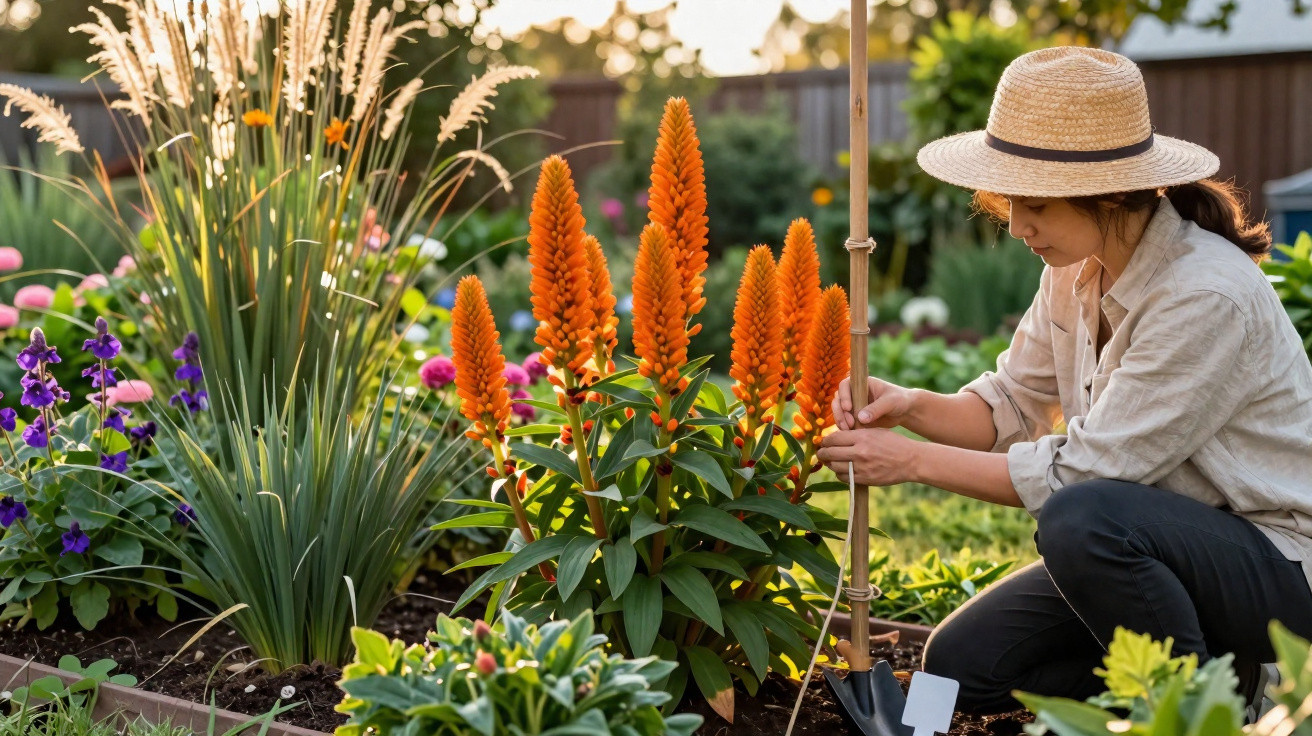
Leonotis leonurus originates in South Africa, and it behaves in the garden exactly as you’d expect from a plant shaped by relentless sunshine: bold, attention-grabbing and confidently upright. It forms strong, stiff stems and can reach around 1.80 m tall, standing clearly apart from surrounding planting.
Set in tiered bands along those stems are its hallmark flower whorls. Each level reads as a bright, glowing ring-orange, tubular and lightly hairy. From a distance, it can look as though small flames have been carefully stacked one above the other. That graphic, layered effect is precisely what makes the plant so compelling, particularly in borders that are otherwise quite understated.
In high summer, a clump of Leonotis leonurus looks like a firework set upright-vertical, glowing, and impossible to miss.
These flowers don’t sit randomly on the stem; they are arranged in an almost geometric pattern. The overall impression is of a natural candelabrum, with each tier casting its own “level” of light. The combination of height, crisp form and saturated colour creates a contemporary, almost architectural feel.
At the same time, lion’s ear is a genuine insect magnet. Bees, bumblebees and butterflies actively work the tubular blooms. In warmer regions it can even attract nectar-feeding birds. If you want a summer border that feels alive, this plant offers not only a visual focal point but also a steady buzz of activity.
Where lion’s ear works best – and what it truly needs
To turn an unremarkable corner into a feature, Leonotis needs one thing above all: sun. In partial shade it loses much of its impact, responding with fewer flowers and softer, floppier growth.
- At least six hours of direct sun each day
- Soil that drains well and does not become waterlogged
- A little feeding to support robust growth
The best results come from soil that is loose, humus-rich and, crucially, well drained. Lion’s ear dislikes sitting wet-particularly in winter. If your garden has heavy clay, it’s worth mixing in sand or fine gravel so water can run through more freely.
In summer, the plant shows its origins: it copes remarkably well with dry spells. Once established, it generally manages with less frequent watering, especially in mature borders. During very hot periods it appreciates a thorough soak rather than daily sprinkling-water deeply but less often, instead of repeatedly “ticking over” the surface with a can.
Leonotis leonurus thrives in sun but relies on moisture held deeper in the soil-a real advantage for anyone who doesn’t want to drag a hose around the garden every evening.
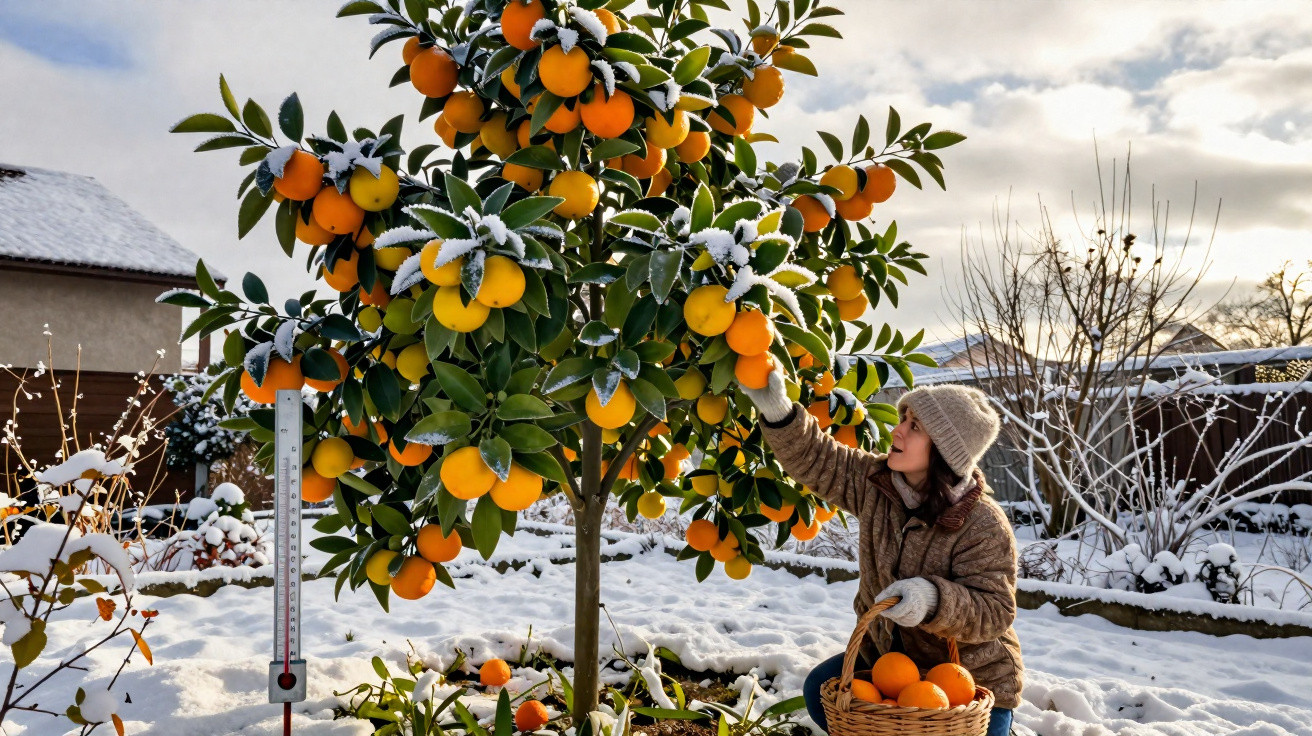
Its cold tolerance is roughly −8 °C. In milder parts of the UK, lion’s ear can stay in the ground provided the root area is protected with a thick layer of mulch, leaves or bark chips. Where winter temperatures regularly fall well below that, growing it in a pot is more reliable-overwinter it frost-free but in a bright spot.
Five practical rules for successful spring planting
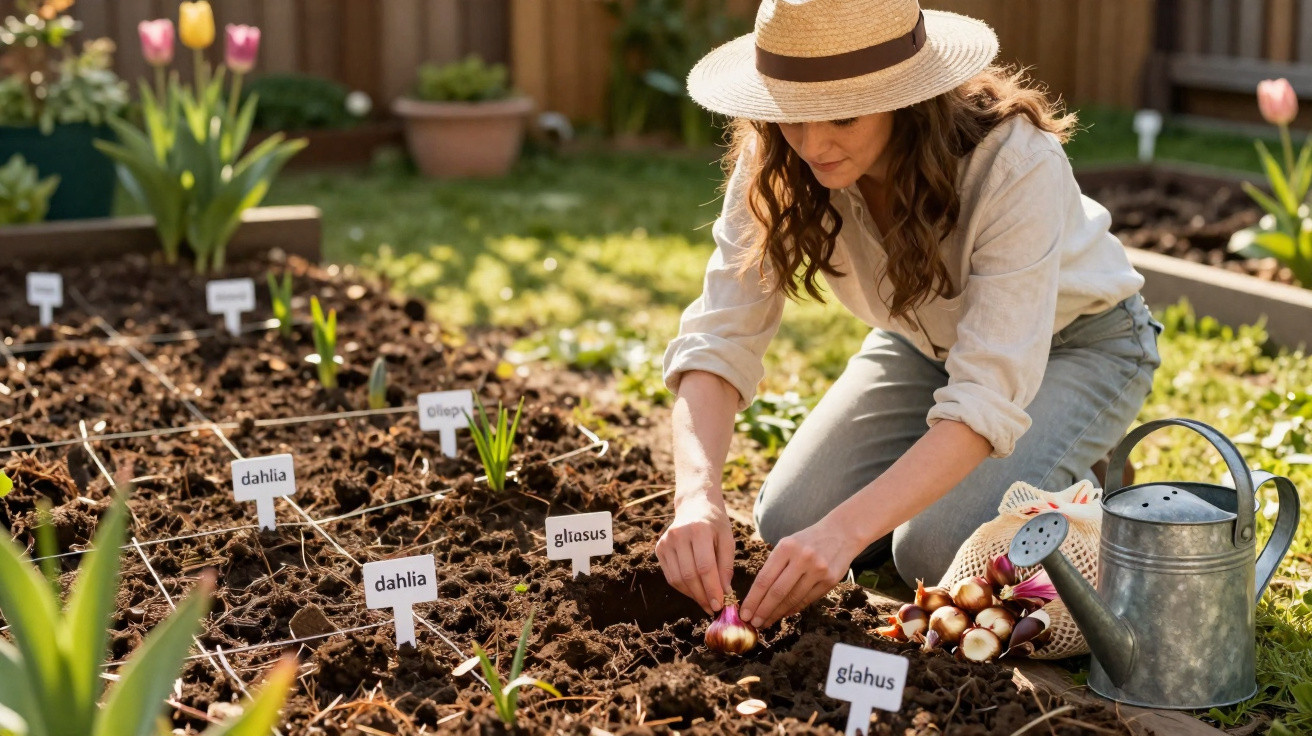
Planting in spring gives lion’s ear plenty of time to build a strong root system. With a few straightforward steps, it gets away well.
- Choose the sunniest position: A warm, fully sunny spot is ideal-such as near a house wall or beside a patio.
- Loosen the soil and improve drainage: Blend heavy ground with sand or grit so excess water drains away.
- Work in organic matter: Well-rotted compost or a stable planting compost adds nutrients and keeps the soil open and crumbly.
- Water well after planting: In the first weeks, water regularly until you can see it has properly established.
- Protect it in winter: In the border, apply a thick mulch; in a pot, move it to a sheltered position.
If you’d like to grow it in a container, pick a generously sized pot with drainage holes and add a layer of expanded clay pellets or gravel at the bottom. That prevents water from collecting around the roots while still helping the pot retain moisture for longer.
Ideal partners: turning the border into a lively composition
Lion’s ear becomes especially striking when paired with other perennials and ornamental grasses. Its clean, upright “column” and bright, tiered flowers look best alongside plants that either echo its vertical line or soften it with movement.
Grasses, perennials and foliage plants – strong combinations for any border
Delicate, airy grasses work beautifully, framing the vivid orange with fine stems. Blue and purple flowers provide a cool counterpoint, while dark-leaved plants add depth and drama.
| Planting partner | Effect in the border |
|---|---|
| Fine ornamental grasses (e.g. fountain grass) | Softer outline; a modern naturalistic feel |
| Blue or purple sages | Colour contrast that makes the orange appear even brighter |
| Dark-leaved dahlias or cannas | Exotic mood and strong late-summer drama |
| Silver-leaved perennials (e.g. cotton lavender) | Mediterranean character; a heat-tolerant pairing |
Used this way, the result is a border that feels both contemporary and natural. Lion’s ear plays the role of the vertical lead without visually crushing everything around it. Often, one to three strong plants are enough to give an entire bed a clearer structure.
Care through the year: cutting back, staking, replanting
The upkeep is refreshingly manageable. In exposed gardens, a discreet cane can help prevent tall stems snapping in strong winds. In sheltered spots, it usually stands well without support.
If you prefer a very tidy look, you can remove spent tiers as the flowers fade. If you like leaving structure for winter, keep the old stems until late winter: frost and snow catch on the faded whorls, creating attractive silhouettes.
A cut-back towards the end of winter, just before fresh growth starts, keeps the plant vigorous and encourages strong new shoots. A light application of organic fertiliser in spring supports the new season’s growth.
Who lion’s ear is really worth growing for
Leonotis leonurus is an excellent choice for gardeners who want to:
- lift a border that feels visually flat,
- make the most of sunny positions and relatively dry conditions,
- work with bold colour and clear form,
- attract bees, butterflies and other nectar-seekers.
It is less suitable for very shady, enclosed gardens or soils that stay extremely wet. In those conditions, it lacks the elements that make it thrive: light, warmth and a stable, well-aerated root environment.
Lion’s ear is also appealing if you enjoy an exotic look without committing to a full tropical corner. Combined with Mediterranean planting, dark-leaved dahlia varieties or modern grass-led schemes, it creates a style that feels far removed from a traditional cottage-garden palette while still remaining manageable.
Another advantage: because of its height, it works brilliantly as a light screen around seating areas or patios without blocking them off completely. You gain a sense of enclosure while still keeping sightlines into the border-and in high summer you get an orange-lit backdrop that noticeably enhances the evening atmosphere.
So if you’re planning to rework a bed or fill a gap next spring, lion’s ear is well worth trying. Its architectural form, glowing tiers of flowers and impressive resilience can turn an average perennial border into a spot guests immediately notice-and ask about by name.



Comments
No comments yet. Be the first to comment!
Leave a Comment