
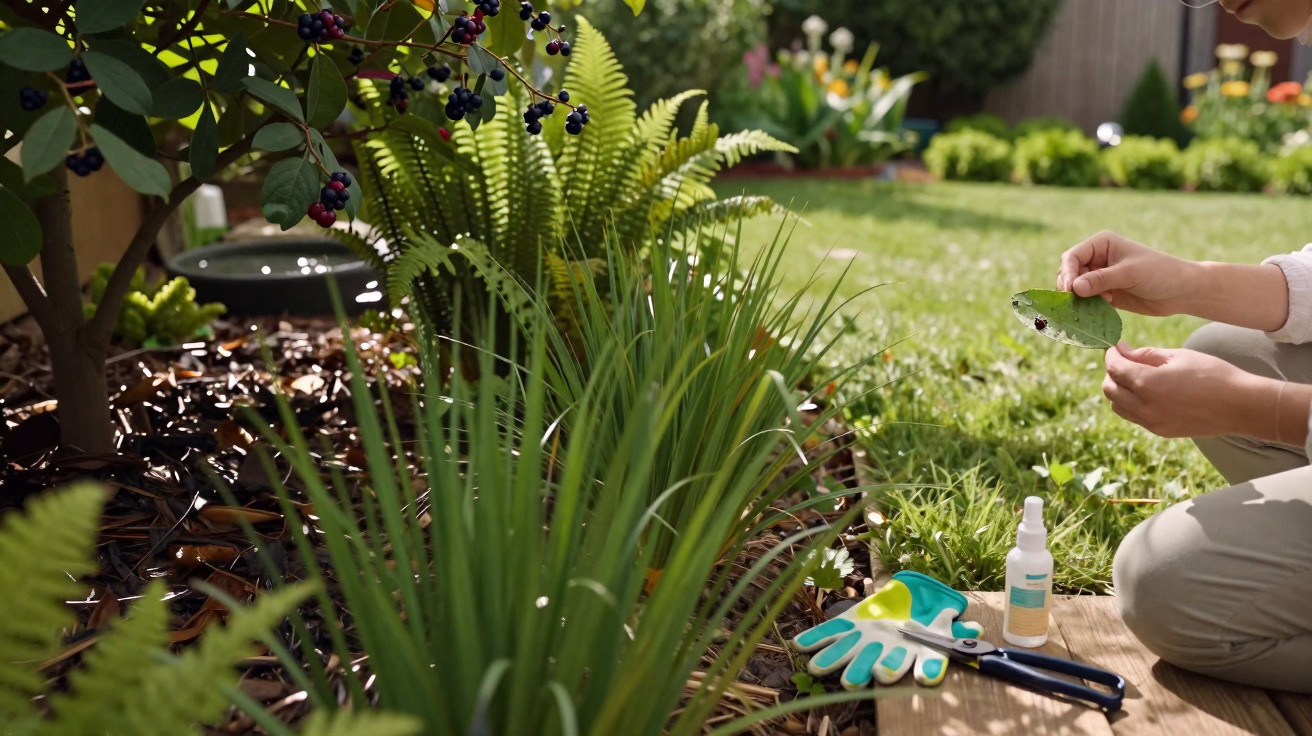
Anyone who enjoys a lush, slightly untamed garden often creates-without realising it-ideal conditions for ticks. Certain plants and garden features give these blood-suckers perfect places to hide, increasing the risk of illnesses such as Lyme disease. With a few targeted adjustments, you can cut that risk substantially without turning your plot into a sterile sea of gravel.
Why ticks are so drawn to certain plants
Ticks do not drop from trees, and they certainly do not fly. Instead, they lie in wait close to the ground or up to roughly knee height for animals and people to pass by-exactly where plants are dense, shaded and a little damp. That is where particular planting choices start to matter.
"Ticks don’t look for a specific plant species-they look for the microclimate: damp, shady, dense-and ideally close to the ground."
In gardens, the areas that most often come with higher risk include:
- tall, uncut grass along paths and property boundaries
- thick hedges and shrubs that cast heavy shade
- overgrown corners with leaves, branches and old timber
- damp spots near water features or poorly drained ground
The more compact and still the vegetation, the more easily ticks can get through dry or hot spells. In this context, plants are less “tick magnets” in the strict sense and more building blocks of a habitat that suits them perfectly.
These plants and areas attract ticks particularly strongly
Some plant types and garden structures stand out because they reliably create the humid, sheltered microclimate ticks need to survive.
Ferns, wild grass and tall growth
Ferns can look wonderfully atmospheric in a shady border, but they form dense clumps and hold on to soil moisture extremely well. Between the fronds, a cool, shaded layer develops-ideal for ticks, which can position themselves on blades of grass and stems in this cover.
Long, unmown grass along fences, behind sheds, or beneath fruit trees is a classic tick zone. The parasites climb from a few centimetres up to around half a metre and then wait for animals or people moving past.
Dense shrubs, berry hedges and conifers
Shrubs with lots of branching and dark pockets create excellent hiding places:
- Dense ornamental shrubs such as some dark-leaved lilac varieties or other heavily branched hedge plants can keep the ground shaded for most of the day.
- Wild, overgrown bramble hedges turn into thorny, hard-to-access thickets. Under the trailing canes, the soil stays cool and damp-exactly the conditions ticks prefer.
- Conifers such as spruce or fir that branch down close to ground level create compact, poorly ventilated spaces. Needles, old twigs and cones help shade and moisture linger for longer.
Fruit trees, leaf litter and dead wood
Fruit trees attract birds, rodents and other wildlife-precisely the animals ticks feed on and use to spread disease. When plenty of leaves also collect underneath, a damp, insulating layer forms on the ground.
Piles of leaves and branches are popular too-not only with hedgehogs, but also with ticks. In shaded corners especially, the material stays moist for a long time and breaks down slowly. Stacks of logs, old boards or pallets also offer cracks and gaps where the microclimate is just right.
Damp areas and places near water
Ticks depend on high humidity. In gardens, they find it in:
- slightly boggy patches with standing water
- the margins of ponds
- heavily watered, shaded beds
- unpaved, muddy paths
Combined with dense planting, these conditions can become a real tick haven.
These plants tend to deter ticks
Plants on their own will not solve a tick problem, but they can help lower the likelihood. Ticks are sensitive to certain essential oils and often avoid strongly scented areas.
Garden favourites that ticks tend to dislike include:
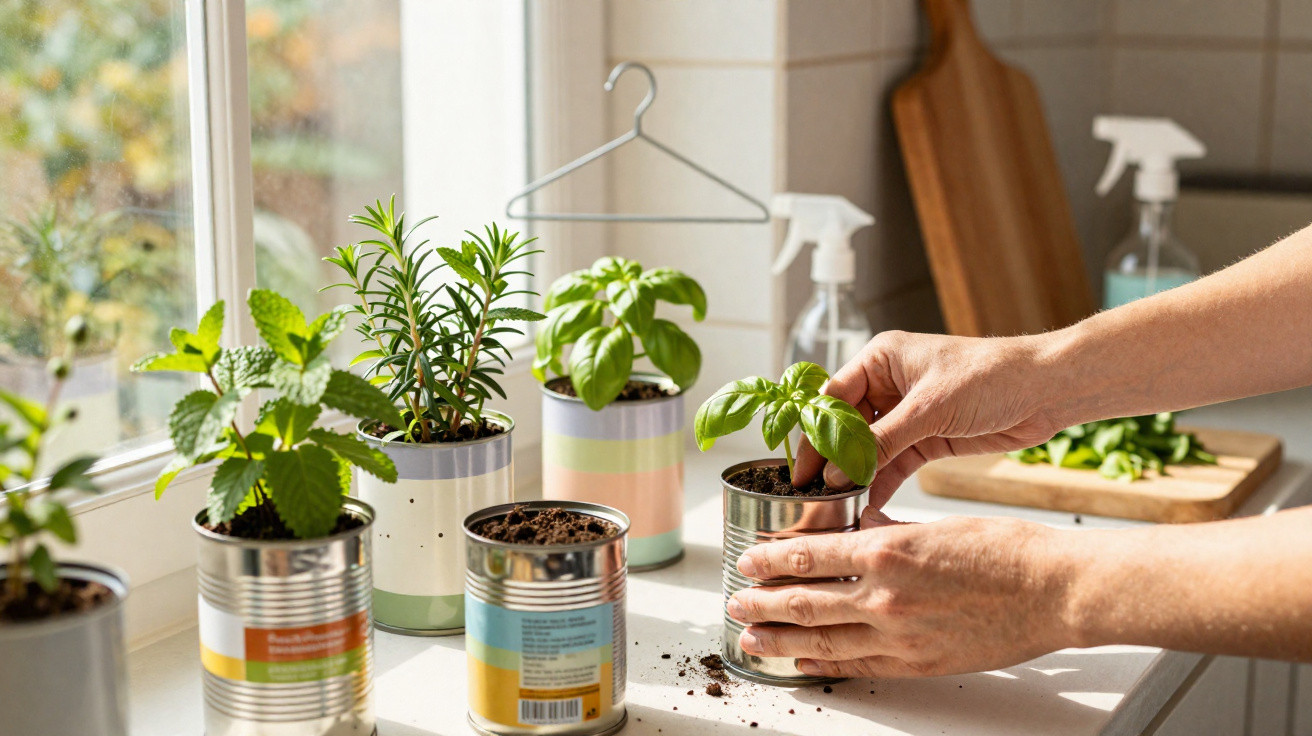
- Rosemary - tough, prefers sun and dry soil, ideal along the edge of a patio
- Lavender - strongly fragrant, loved by bees, less so by ticks
- Lemon balm - gives off a fresh citrus scent and grows quickly with minimal fuss
- Thyme - a great ground cover for sunny, dry spots
- Wormwood - a powerful, bitter aroma that deters many insects
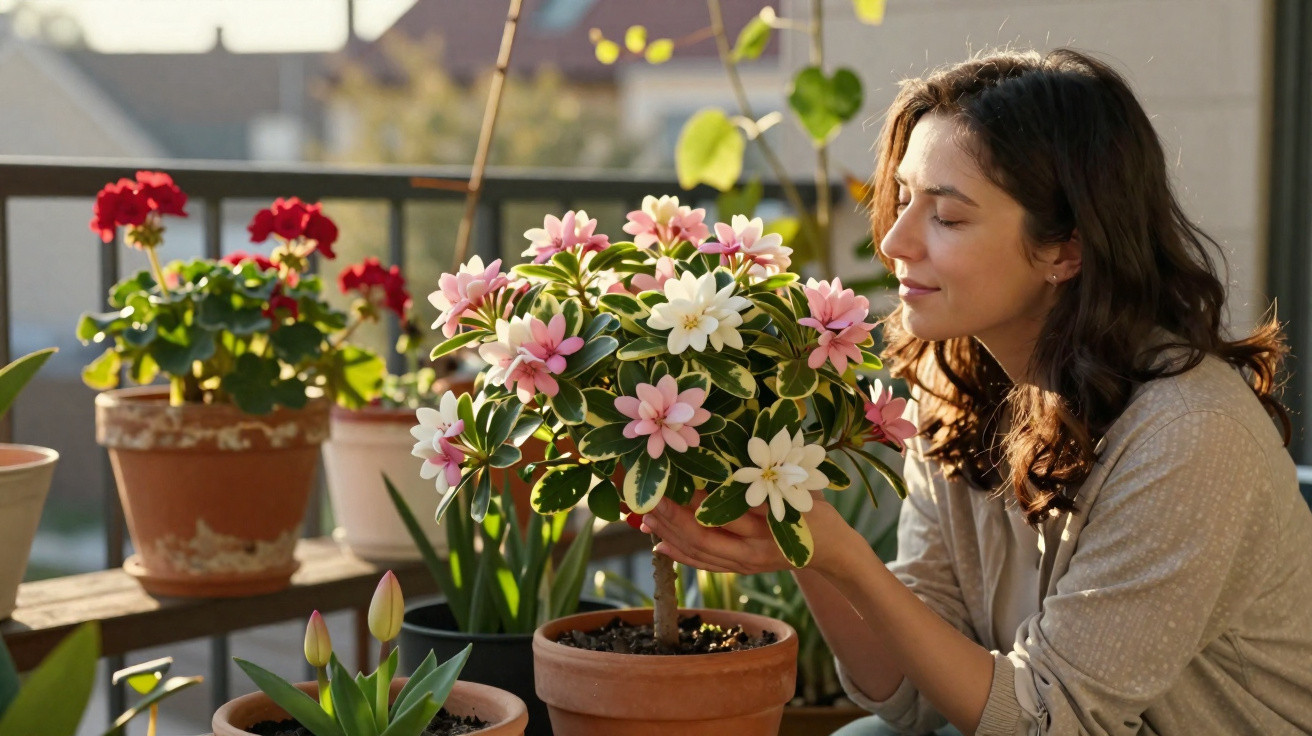
- Scented geraniums with a lemon fragrance - popular in pots and window boxes, useful near seating areas
A bed planted with these species does not replace tick checks, but it can create zones where the parasites are noticeably less comfortable.
Garden maintenance: how to make your outdoor space less tick-friendly
What matters most is not a single plant in isolation, but how the whole garden is managed.
"If you keep shade, moisture and dense clutter under control, you reduce ticks-without any poison."
Key measures at a glance
- Mow lawns regularly and keep grass edges short along paths.
- In autumn, do not allow leaves to build up in thick layers, especially near seating areas.
- Thin out bushes and hedges so that more light and air reach the soil.
- Avoid storing log piles right next to the patio, play area or front door.
- Improve drainage in wet patches or reduce heavy watering.
- Site children’s play areas in places that are as sunny and airy as possible.
Clear transitions are also very useful: a strip of gravel or bark mulch between the lawn and a wooded area, hedge or neighbouring boundary acts as a kind of boundary that ticks are reluctant to cross.
Natural barriers and home remedies
Strongly scented plants can be positioned deliberately where people spend time-around the patio, beside paths, or close to sandpits, for example. Alongside this, a few simple aids can help:
- Essential oils such as lemon eucalyptus or lavender oil, diluted and sprayed onto textiles.
- Sticky traps made from wide adhesive tape placed in typical tick spots to get a sense of infestation.
- Light-coloured, closed clothing while gardening, with trousers tucked into socks.
Protection for people and pets: how to behave properly
If you are working in long grass or moving through shaded corners of the garden, it pays to think about your own safety. You often do not feel a tick bite straight away, but the consequences can be serious.
| Situation | Recommended measure |
|---|---|
| Gardening in long grass | Long clothing, if necessary adhesive tape around the ankles, shower and body check afterwards |
| Children playing in the garden | Place play area as sunny as possible; check clothing and skin in the evening |
| Pet comes back from outdoors | Check the coat thoroughly, especially neck, ears and armpits |
| Tick found on the skin | Remove with a tick card or tick tweezers; keep an eye on the bite site |
Ticks are about the size of an apple pip, flat, and brownish to reddish. They often attach where skin is thin-behind the knees, the groin, the armpits, and behind the ears.
How to assess your own garden realistically
If you want to judge whether your garden is heavily affected, take a hard look around: are there lots of shaded spots with leaves, wood or long grass? Do wild animals such as hedgehogs, mice or deer regularly pass through the property? Is the garden right next to woodland?
Even a brief walk round with a critical eye can reveal where ticks are most likely to thrive. Those are the places where focused thinning, mowing, and clearing away leaf and wood build-ups are particularly worthwhile.
A nature-friendly garden does not have to become a risk. With thoughtful planting, without letting maintenance intervals stretch too far, and by keeping seating and play areas bright and airy, you can reduce the tick risk significantly-and enjoy summer outdoors with greater peace of mind.


Comments
No comments yet. Be the first to comment!
Leave a Comment