
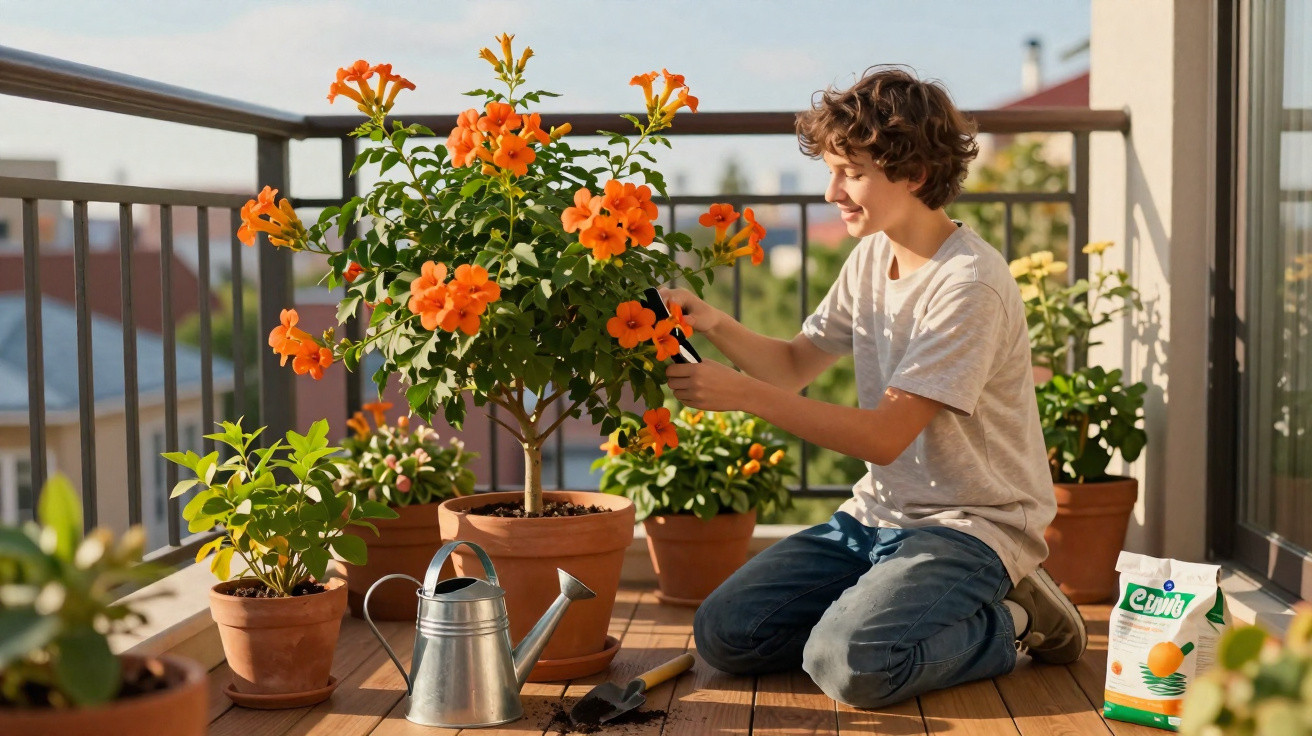
No space, hardly any time, but craving a splash of colour?
A modest little shrub with vivid orange flowers can fill that gap beautifully.
Plenty of city gardeners will recognise the situation: a tiny terrace, a narrow courtyard, or a mini garden that feels cluttered in no time. The result is often a handful of pots with seasonal plants on the balcony-only for them to flag in mid-summer heat. Yet there are shrubs that stay small, cope with modest watering and flower for months on end. One is attracting particular attention right now: a compact, perennial flowering shrub with bright orange, trumpet-shaped blooms, known by the cultivar name Tecomaria ‘Cape Town Orange’.
Why this miniature shrub is changing small gardens
Tecomaria ‘Cape Town Orange’ originates from warmer regions and belongs botanically to the trumpet vine family. This cultivar remains notably smaller than the standard Tecomaria species, which can quickly turn into an unwieldy giant.
The shrub typically grows to around 1.50 metres tall and about 1.80 metres wide – compact enough for a courtyard, terrace or narrow border.
That makes it a strong fit for anyone short on space: it delivers the “shrub effect”-structure, height and a bit of screening-without overpowering the garden. Its habit is loosely bushy, with a crown that develops into a dense, soft-looking cushion. This makes it easy to create modern, clean-lined planting schemes without later having to reach for the saw.
The real standout, though, is the flowering. From around May, it produces dense clusters of trumpet-like flowers in a rich orange. In milder areas, it can continue blooming well into autumn, and sometimes even into winter.
- Flowering starts: from about May
- Duration: through to autumn, and longer in very mild spots
- Flower shape: trumpet-like, held in clusters
- Colour: intense orange with a warm, sunny feel
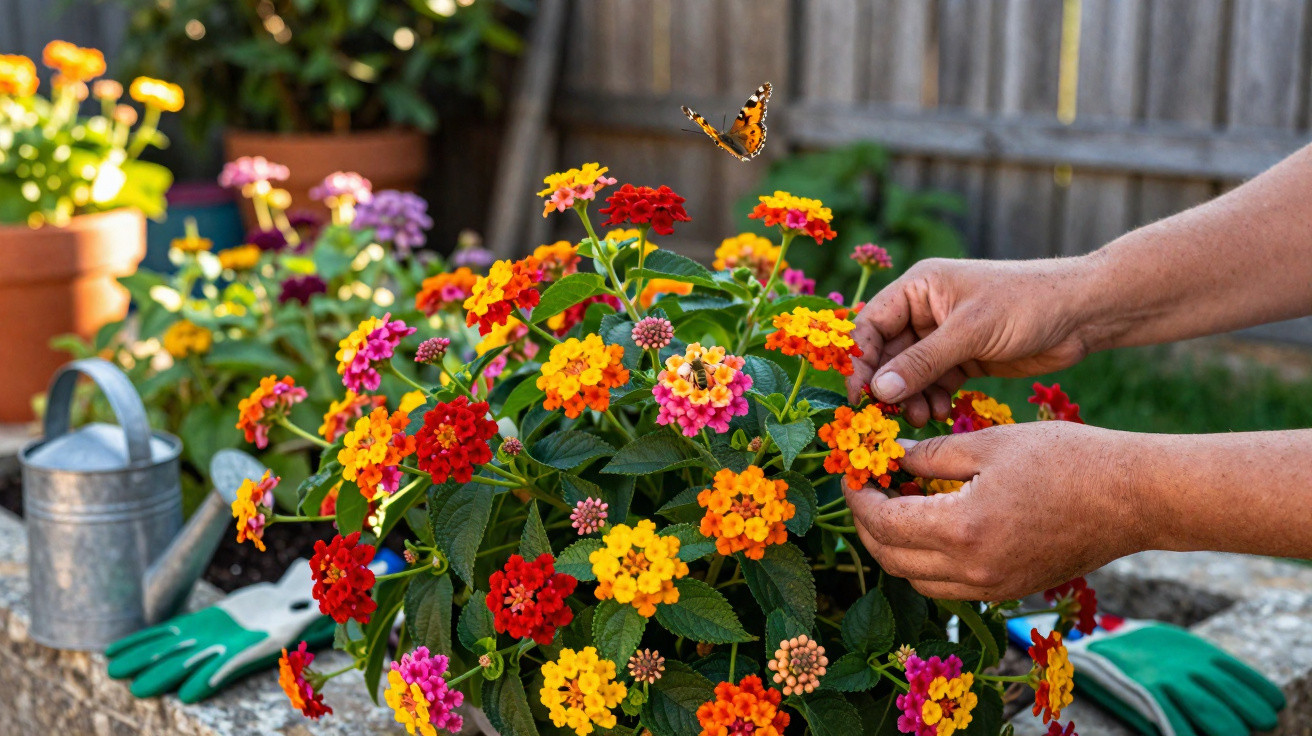
With nectar-rich blossoms, it attracts bees, bumblebees and butterflies. If you’re aiming for a wildlife-friendly city garden, it provides a dependable food source for insects with very little effort. Reports from gardens visited by wildlife also note that deer tend to leave this shrub alone-a welcome extra for rural settings.
Position, climate and soil – where Tecomaria really thrives
Tecomaria ‘Cape Town Orange’ performs best in warm to mild climates. In places where winters rarely bring hard, prolonged frost, the shrub can stay above ground all year and may even produce the odd flower during winter.
In colder regions, the top growth may die back partially or completely. However, if the base is well protected over winter, it will usually reshoot in spring. That means the cultivar can succeed surprisingly often-even further north or in upland areas.
| Aspect | Recommendation |
|---|---|
| Light | Full sun is ideal; light partial shade is possible |
| Soil | Free-draining, humus-rich, evenly slightly moist; no waterlogging |
| Water needs | Moderate; fairly drought-tolerant once established |
| Temperature | Mild winters are beneficial; winter protection needed in exposed areas |
| Uses | Border, container, terrace edge, front garden, driveway |
When it comes to positioning, this shrub loves sunshine. The more light it receives, the more generously it flowers. In very hot regions, a touch of shade at midday can be worthwhile so the soil doesn’t dry out completely.
For soil, the key rule is simple: avoid waterlogging. Ordinary garden soil is fine as long as it’s loosened and improved with a bit of compost. In containers, use a loose, structurally stable compost mix and include a drainage layer in the base of the pot.
How gardeners should plant the shrub properly
The best time to plant is in spring, once severe frosts are no longer expected. That gives the plant the whole growing season to establish roots and settle in.
- Prepare the planting hole: Dig it about twice as wide as the rootball and loosen the soil.
- Soak the rootball: Dip it briefly into a bucket of water until no more air bubbles rise.
- Position the plant: Set the shrub so the root collar sits at soil level, not deeper.
- Backfill with soil: Firm in well to eliminate air pockets.
- Water thoroughly: Give one deep watering to wash soil around the fine roots.
- Apply a mulch layer: Spread 5–8 cm of bark mulch or leaves around the plant, keeping a small gap from the stem.
Mulch reduces drying out, keeps the soil open and suppresses weeds. In small gardens-where no one fancies constant hoeing-it’s a genuine time-saver.
Care: when to water, when to feed, how to prune
During the first one to two years after planting, Tecomaria needs a little more attention. Especially in hot spells, the soil shouldn’t be allowed to dry out completely. A good, deep drink once a week is usually enough-watering less often but thoroughly is better than frequent little splashes.
Once the shrub has established, it manages with much less water and is generally quite undemanding. In extended dry periods, it will repay a bucket of water with a longer run of flowers.
For abundant flowering, an organic all-purpose fertiliser or some well-rotted compost in early spring is usually sufficient. If it’s growing in a pot, you can also supplement with a liquid feed once or twice during summer.
The key to a compact, dense shrub is pruning straight after the main flush of flowers.
As soon as the first major wave of bloom starts to fade, prune by:
- removing dead, frost-damaged or inward-growing shoots completely
- shortening overlong shoots back to a lower leaf bud
- taking out a few older stems at the base to encourage fresh growth
This encourages better branching and keeps the plant at a manageable size. A severe cut back to just above ground level is only necessary after very cold winters if all above-ground wood has frozen. In many cases, a moderate shape prune is enough.
Perfect for balcony, terrace and front garden
Because Tecomaria ‘Cape Town Orange’ stays so compact, it isn’t limited to traditional borders. If you only have a balcony or a small roof terrace, plant it in a sufficiently large container-around 40–50 cm in diameter-with reliable drainage.
In that setting, it can become a real focal point:
- as a specimen beside a seating area
- as a bright accent at the end of a narrow terrace
- in the front garden as a welcoming feature by the front door
- paired with grasses and low perennials in contemporary containers
The glowing orange flowers sit beautifully alongside blue tones such as lavender or catmint, and also with silvery foliage like santolina or cushion bush. If you prefer a more Mediterranean feel, combine the shrub with oleander, small olive standards or dwarf palms in pots.
What gardeners should also know: risks, benefits and tips
Among this shrub’s strengths-besides its long flowering season-are its toughness and moderate water needs. In many gardens it proves fairly unfazed by common diseases and pests, which makes it appealing if you don’t want constant checking and specialist treatments.
Even so, a few points are worth keeping in mind:
- In exposed locations, the base needs a thick layer of leaves or bark mulch for frost protection.
- Hard late frosts can knock back young shoots, but the plant will usually sprout again.
- In very small pots, compost dries out quickly-so check moisture levels regularly.
If you overwinter the shrub in a container in frost-prone areas, place it against a sheltered house wall or move it into an unheated but bright space. The rootball should never become waterlogged, but it also mustn’t be allowed to dry out completely.
Tecomaria ‘Cape Town Orange’ is particularly interesting for anyone who has previously relied on geraniums, petunias and other classic annual balcony plants. This shrub adds structure, lasts for years and noticeably extends the flowering season. That makes it easy to turn a small city garden into a long-lasting, low-maintenance flowering oasis-without having to replant constantly.
Comments
No comments yet. Be the first to comment!
Leave a Comment