
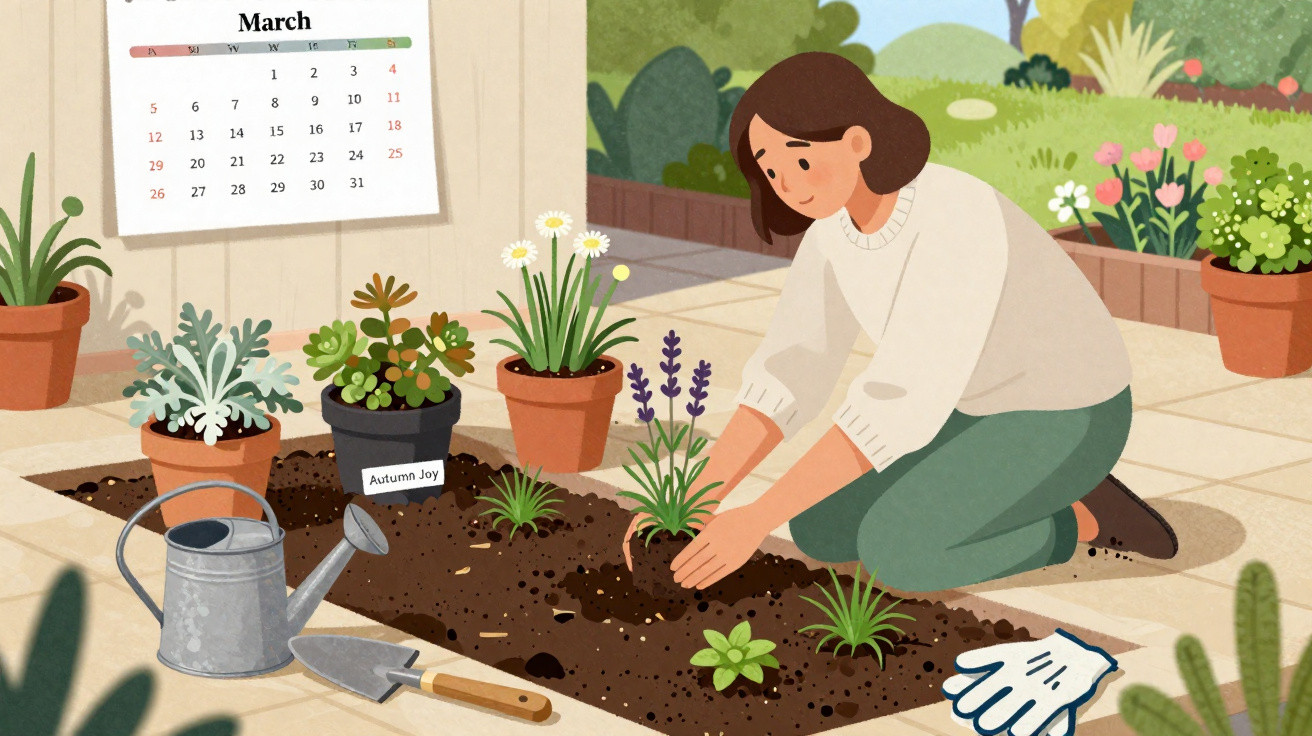
If you hesitate in the garden now, you’ll pay for it in high summer with a watering can: five tough perennials and a clear timetable make all the difference.
Summers are getting drier, water bills are rising, and councils are increasingly imposing watering bans. If you still want a garden that flowers well, the answer isn’t more decoration-it’s planning with plant biology: which perennials will cope on rainfall alone, and exactly when do they need to go in the ground so they don’t collapse in July?
Why 31 March becomes the make-or-break date for your garden
In spring, there’s an unseen countdown running in every border. Up to the end of March, many perennials are still half in winter dormancy. Soon after, sap starts moving, shoots surge, and plants shift fully into growth. That brief gap is what determines whether your bed later thrives on rainwater-or merely survives with constant watering.
"If you plant your drought-tolerant perennials by 31 March at the latest, you use the remaining moisture in the soil and save hundreds of litres of water in summer."
At that point the soil is still cool and damp, which allows new roots to extend steadily. By the time the first proper heatwave arrives (over 25°C), the plants have usually built a dense network of fine roots capable of drawing moisture from deeper layers.
Planting late puts perennials under a double strain: the shock of being moved coincides with warmth and dry ground. You notice it in day-to-day life-rather than helping out once a month in a severe dry spell, you suddenly find yourself out in the border with the hosepipe every other day.
Five “camel perennials” for a bed with no watering duty
Many amateur gardeners still reach for thirsty “classic” plants that look fantastic in pot compost but demand constant water once summer turns harsh. If you switch approach, you choose species that naturally manage in dry regions-the real “camels” among perennials.
Perovskia – the silvery reserve for heat
Perovskia, often sold as Russian sage, prefers full sun and poor soil. Its grey, almost silvery foliage loses noticeably less water than rich green leaves. That’s why it stays upright and composed in blazing sunshine long after other plants have started to droop.
- Best in full-sun borders and gravel/rock gardens
- Copes extremely well with lean, sandy soils
- Attracts huge numbers of bees and solitary bees
Sedum ‘Herbstfreude’ – water storage in the leaf
This stonecrop holds water in its thick, fleshy leaves. In effect, it behaves like a small cistern about 40 cm tall. In late summer-when many plants look scorched-it comes into its own with blooms shifting from pink to rusty tones.
It’s particularly strong by dry house walls or in front gardens filled with gravel: once established, rainfall is enough for it, provided the soil is not permanently waterlogged.
Gaura – butterfly-like flowers from deep roots
Gaura develops a strong taproot that pushes down into the soil. That’s where it finds moisture when the upper layer has long since dried out. Its delicate white or pink flowers float above the bed for weeks and sway with every breath of wind.
You can even see the impact of planting time in figures: if a gaura goes in around mid-May, it often needs water every two days in high summer. Put the very same plant in during March, and it can get through the season with only a few rescue waterings. Water use can drop by around 200 litres per plant.
Globe thistle (Echinops) – tough as steel in sun and lime
Globe thistle likes conditions dry and sunny, and it’s perfectly happy in slightly chalky soil. Its blue, spherical flowers sit like little hedgehogs on sturdy stems. Once it has rooted in, it shrugs off long dry periods with ease.
It’s ideal on wall tops, in prairie-style borders, or at the far end of the garden where a hose never reaches. For insects it’s a real draw, especially bumblebees.
True lavender – scented mounds instead of a watering marathon
Lavender combines a Mediterranean holiday feel with a robust temperament. In the right spot-full sun, open to the breeze, and with excellent drainage-it’s close to effortless. Its weakness isn’t drought, but the opposite: winter waterlogging can quickly lead to root rot.
If you lighten heavy soil with grit or coarse sand, you’ll have years of peace. Lavender works brilliantly along the front edge of beds, to line paths, or as a fragrant strip beside the patio.
How to plant in March for a summer without a hosepipe
Choosing the right perennials is only half the job. Planting method also decides whether roots head downwards or stay “lazy” near the surface.
- Soak the root ball: Stand the pot in a bucket of water for about 15 minutes before planting, until no more air bubbles rise.
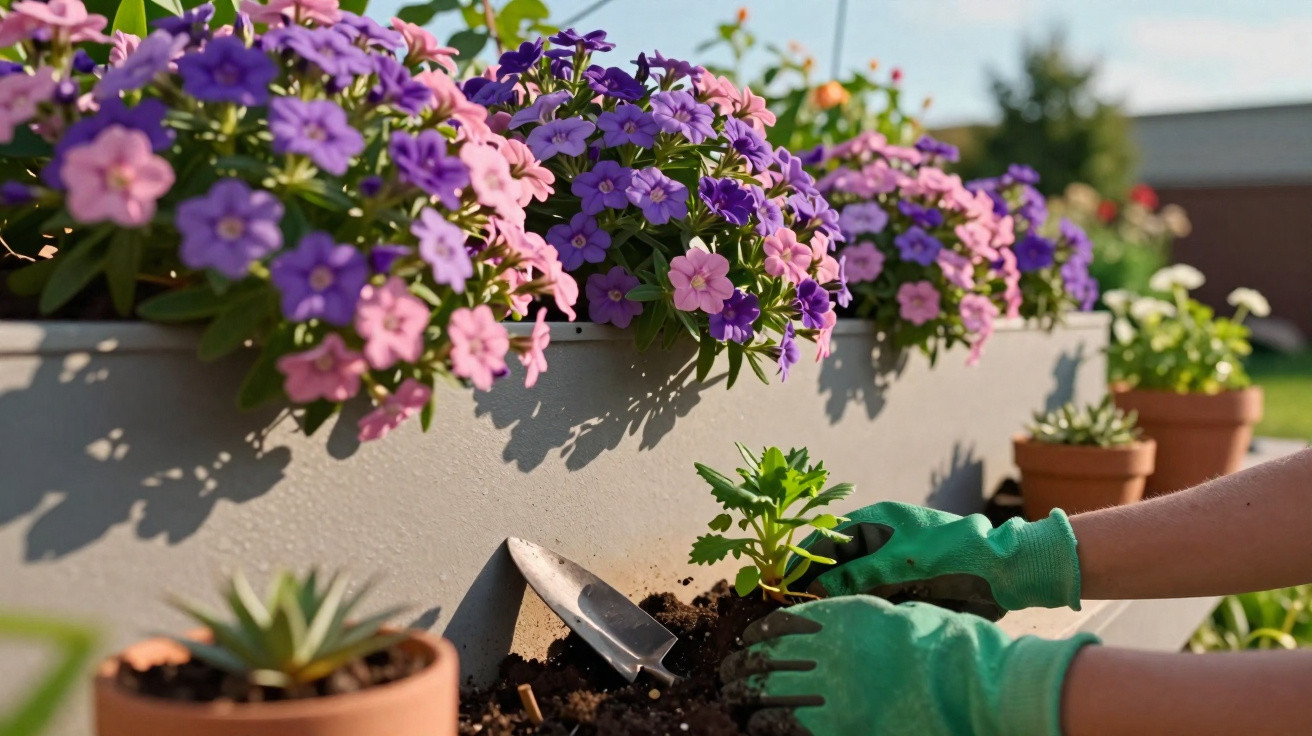
- Dig a generous planting hole: Make it at least three times the width of the pot and loosen the sides so roots don’t end up stuck in a “flowerpot in the ground”.
- Reduce heavy soils: If you have clay, mix in about 20% gravel or coarse sand so water drains away more readily.
- Water in thoroughly: Give roughly 10 litres per perennial-even on rainy days. This settles the soil, removes air pockets, and helps the root ball bond with the surrounding earth.
- Mulch the surface: Apply around 7 cm of mineral mulch (e.g. lava, grit, gravel). This keeps moisture in the soil and helps prevent surface sealing.
"One single, very thorough watering-in at planting time later replaces many small ‘emergency waterings’ in high summer."
What if you only pick up the spade in April?
If you’ve slipped behind the calendar, it’s not a disaster-your approach just needs to change. From April onwards evaporation increases, and roots have less time to work their way down.
If you plant anyway, plan for a short “settling-in” period: in the first season, you’ll need rescue watering, especially when the first heatwaves hit. The better you prepare the soil-loose, gritty, and free-draining-the sooner the perennials can cope on their own.
In this phase, the essentials are:
- a full-sun position with no shade cast by large trees
- consistent soil improvement where the ground is heavy
- mineral mulch instead of bark mulch so the soil warms up faster
- close observation on the first hot days: if shoots droop, water once deeply
Border planning: how to combine the five perennials into a low-maintenance ensemble
A low-effort, drought-tolerant border works best with clear structure. Too many different varieties look fussy and make maintenance harder. It’s more effective to plant in broader drifts and repeat the same species.
| Area of the border | Suitable perennials | Purpose |
|---|---|---|
| Back | Globe thistle, Perovskia | Height, structure, insect magnet |
| Middle | Gaura, Sedum | Flower power, movement, late-summer colour |
| Front | Lavender | Scent, framing, evergreen impression |
If you want to fill remaining gaps, choose robust, hardy geranium (cranesbill) varieties. They tolerate a range of light conditions, cover the ground, and suppress weeds. In late winter, simply pull away the dry remains by hand-there’s rarely more to do.
Why drainage, mulch and variety choice matter more than “perfect” garden soil
Many amateur gardeners complain about “bad soil”. In practice, even stubborn clay can be made suitable for drought-tolerant perennials-so long as water can drain away and the topsoil isn’t left exposed to baking sun.
Mineral mulch helps in two ways: it slows surface drying and reduces sealing after heavy rain. At the same time, the soil underneath stays active-worms and other soil life keep working. Unlike bark mulch, a mineral layer hardly ties up nitrogen as it breaks down.
By planting the perennials above, you stack several advantages at once: deep-reaching roots, water-saving foliage, late flowering periods, and strong appeal for insects. There’s also a psychological benefit: when the border still looks good even under a strict watering ban, the temptation to sneak out with the watering can drops sharply.
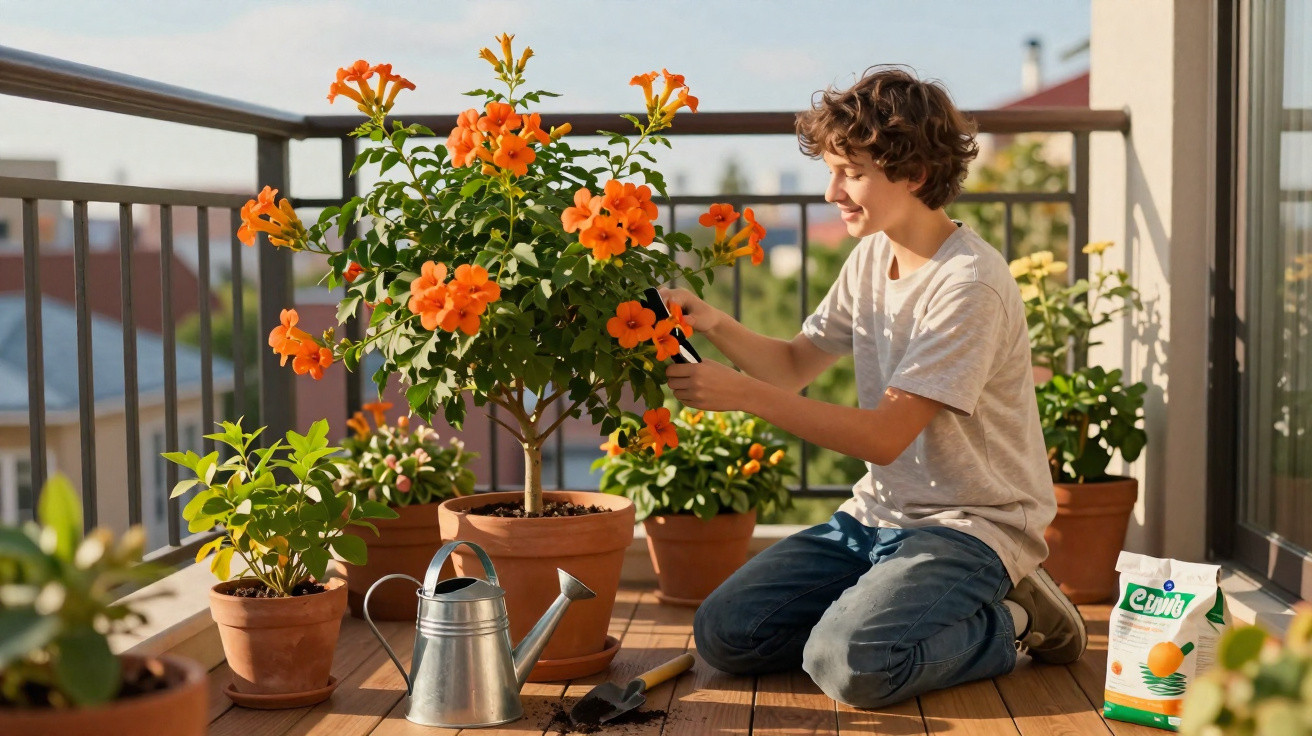
Much of this applies to balcony and patio gardeners too-with one extra point: use large, deep pots with free-draining compost and a layer of grit or expanded clay at the bottom. Perennials such as sedum or lavender can cope surprisingly well with heat spells in containers, as long as you avoid a daily trickle and instead water rarely but thoroughly.
Comments
No comments yet. Be the first to comment!
Leave a Comment