
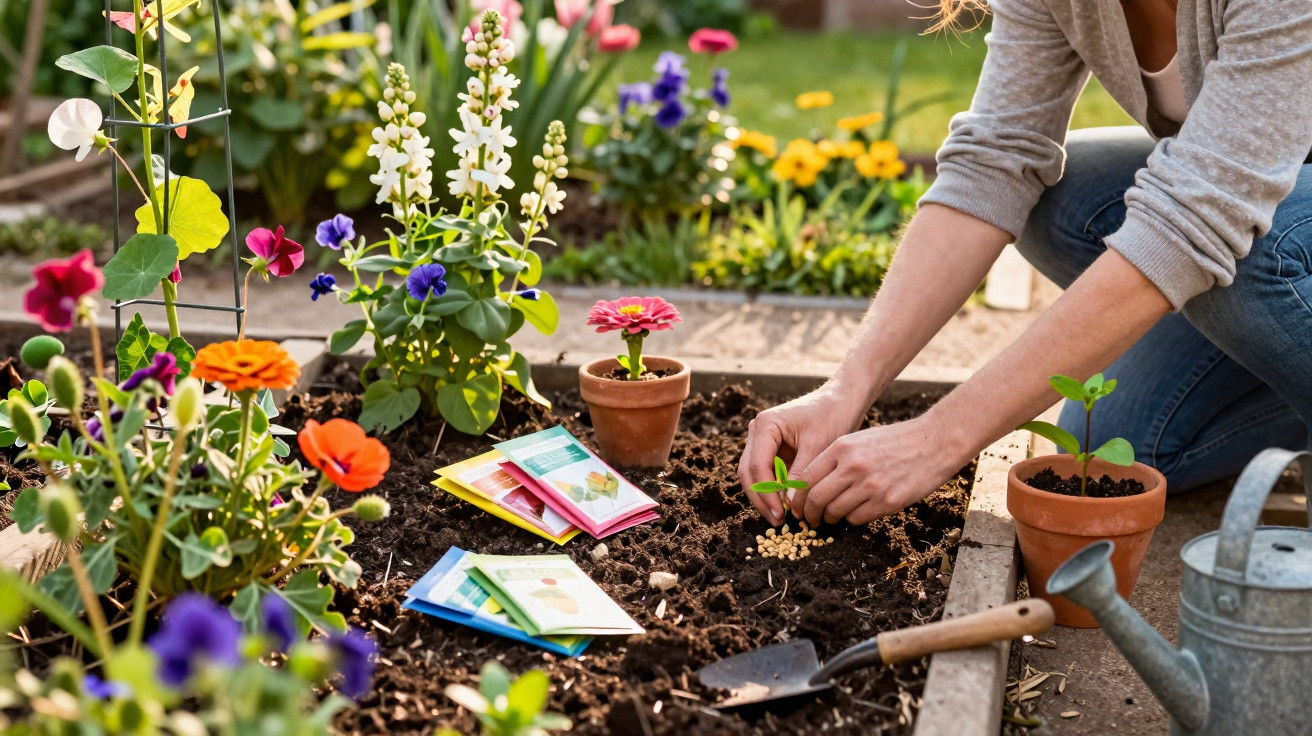
If you sow the right flowers in March, you’ll enjoy the rewards for months.
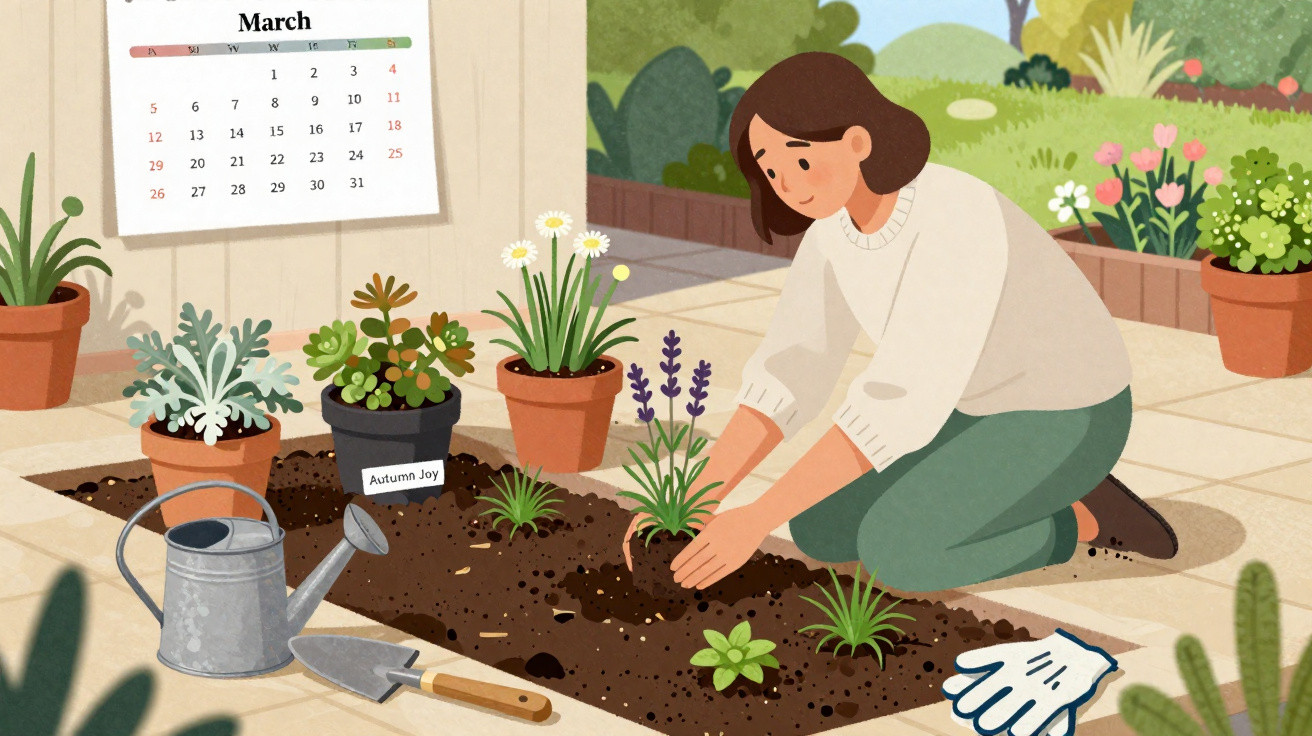
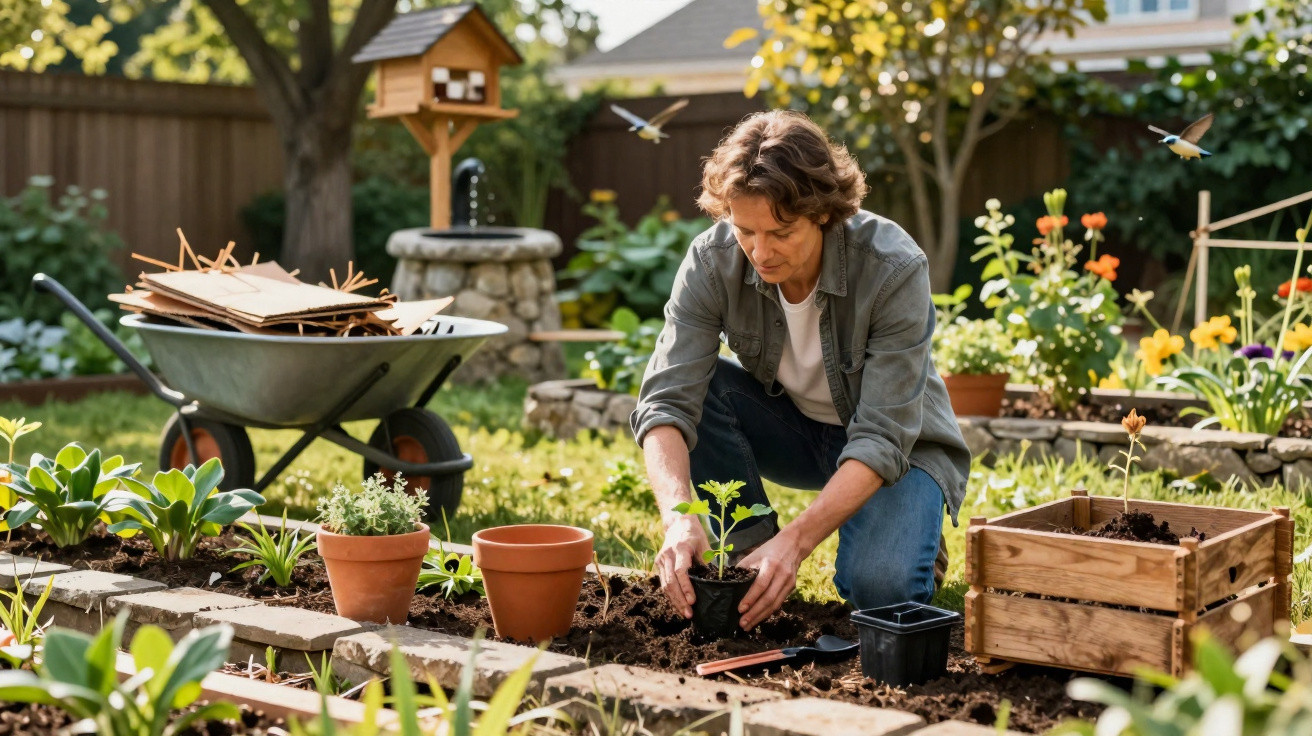
In March, the garden can still look as though it’s asleep for winter. Even so, this is when many gardeners set things up for a summer packed with flowers. With a few well-chosen flower seeds, a warm spot for raising seedlings and a small amount of forward planning, an unremarkable border can turn into a colourful display that lasts well into autumn.
March as the turning point between winter and summer
Days lengthen, the sun feels stronger, and you’re itching to get your hands in the soil. At the same time, the weather can be unpredictable. In many areas, night frosts can continue into April, and in higher locations they can arrive even later.
That push-and-pull is exactly why March matters so much. Do nothing now and you’ll be late getting going. Sow too early outdoors and you may lose plants to cold snaps and waterlogged soil.
"The smartest approach: sow under protection in March, let plants build up steadily - and move into full sun once the last frosts have passed."
A bright windowsill, a small plastic-covered mini greenhouse, or a simple cold frame is often all you need. In the warmth, young plants can gain a head start of two to four weeks. Later on, that advantage often decides whether your beds are wall-to-wall colour in July or whether they show awkward gaps in between.
Choosing better seed: less disappointment, more flowers
Many gardeners have had the same experience: open the packet, sow the seed, wait a few weeks - and only a handful actually germinate. Often the reasons are seed quality, hybrid breeding, or varieties that simply don’t suit your own conditions.
That’s why more and more people are opting for open-pollinated varieties. These traditional types, or deliberately stabilised lines, can be saved and resown from your own plants. If you collect seed in autumn, you can gradually build a small selection that becomes increasingly well matched to your own soil over time.
"Open-pollinated seed brings two advantages: reusable seed and plants that adapt step by step to the site and climate."
In many towns and cities, you’ll now find seed swap events, small “seed libraries” in public buildings, or exchanges in community gardens. Zinnias, marigolds, cosmos or sweet peas often change hands for free. Seed collected locally can be impressively resilient in everyday growing, because it’s already used to the area’s weather extremes and soils.
The 7 flowers you should start in March
If you want a consistently colourful look in summer - in the garden or on a balcony - you don’t need dozens of different plants. A small set of reliable favourites is enough to fill beds, pots and containers densely and with plenty of variety.
- Zinnias – vibrant, long-flowering plants for borders and vases
- Sweet peas (Pisum/Lathyrus, sometimes labelled “pois de senteur”) – delicate climbers with a powerful scent
- Nasturtiums – edible flowers with a bold personality
- Wallflowers and other “giroflées” – richly scented, nostalgic bloomers
- Coreopsis – easy-care sun lovers with a long flowering season
- Love-in-a-mist (Nigella) – a romantic cottage-garden classic
- Poppies – airy splashes of colour with a tendency to self-seed
Zinnias: a summer firework in the border
Zinnias need warmth. In March, it’s best to sow them indoors in small pots or seed trays. About 2 cm depth is sufficient. A bright windowsill helps prevent the seedlings from becoming tall and spindly. From mid-May, young plants can move into beds or large pots.
Frequent cutting encourages more flowers. Nearly every stem you remove will push new side shoots. That way, zinnias provide colourful vase flowers for weeks without leaving the border looking thin.
Sweet peas: romance along a fence
Sweet peas are a classic for trellises and supports. Their seeds are hard, so many gardeners soak them in lukewarm water for a few hours before sowing them around 2 cm deep. Germination works well in a cool, bright place indoors or in a cold frame.
Once they reach about 10 cm tall, they can go outside as long as severe frosts are no longer likely. A climbing support is essential: wire fencing, trellis panels, climbing netting, or a simple structure made from bamboo canes all work well.
Nasturtiums: flavour for borders and plates
Nasturtiums germinate quickly and forgive small mistakes. In March you can start them in pots, and in mild areas you can also sow them straight into the ground. Trailing types rapidly cover soil or climb, while compact varieties fill balcony boxes.
Both leaves and flowers are edible, adding a slightly peppery note to salads. If aphids are an issue, nasturtiums can act as a “trap plant”: aphids often gather on them first, making it easier to wash or wipe them off.
Wallflowers and other giroflées: fragrance for cool evenings
Wallflowers are considered straightforward scented plants for the in-between seasons. They cope with light cold and prefer free-draining, fairly lean soil. Sown in pots in March, they can later be moved into window boxes or planted along paths.
A sheltered spot near seating is worth it: on cooler evenings, the warm, spicy scent can be especially noticeable.
Coreopsis: sun lovers with a long-distance flowering habit
Coreopsis (often sold as tickseed) prefers a full-sun position. The fine seeds should be pressed in lightly rather than covered thickly, because they germinate best with light.
Over time, plants form small clumps that keep producing new flowers from early summer well into autumn if spent blooms are removed regularly.
Love-in-a-mist: fine texture for filling gaps
Nigella looks delicate but is surprisingly tough. It’s ideal for slipping into gaps between perennials or vegetable rows. You can sow the seed straight where it’s meant to grow, or start it in trays first.
Later, the dried seed pods make attractive material for dried arrangements. If you allow a few pods to ripen and split, the plant will self-seed and often reappear in new spots the following year.
Poppies: annual wildness with self-seeding
Annual poppies are best sown into loose, relatively poor soil. The seed is extremely fine and should only be lightly raked in. If seedlings are too crowded, thin them after germination - otherwise the whole patch stays weak.
Once a spot suits them, poppies often provide their own replacements. If you’d rather they didn’t, remove the seed pods promptly after flowering.
Starting indoors or sowing direct: what to do in March
Whether a plant can be sown outdoors in March depends heavily on your local climate and the condition of the soil. This quick comparison makes planning easier:
| Flower | Recommended sowing in March | Note |
|---|---|---|
| Zinnias | Start indoors | needs warmth, sensitive to frost |
| Sweet peas | Start indoors or in a cold frame | tolerates cool conditions, needs support |
| Nasturtiums | Start indoors; outdoors in mild areas | plenty of water and a little feed for pots |
| Wallflowers | Start indoors or outdoors in a sheltered spot | likes free-draining, fairly poor soil |
| Coreopsis | Start indoors | light-germinating, don’t cover seed deeply |
| Nigella | often direct-sown | ideal for gaps among perennials |
| Poppies | direct-sow outdoors when soil is open | avoid heavy, waterlogged ground |
Risks and common mistakes when starting March sowings
Overwatering is one of the most frequent issues. Seed compost should be lightly moist, not wet. Waterlogging can quickly rot fine roots. On the other hand, small pots dry out fast and may need checking daily.
Another familiar problem is too little light. If you rely on a dim window, seedlings become leggy and unstable. If needed, place them right by a south-facing window, or move them to a sheltered spot outside once temperatures allow.
Go easy on fertiliser as well. Germinating seedlings initially rely on reserves in the seed and a light seed compost. Feeding too early encourages soft, vulnerable growth rather than strong roots.
How to combine the seven flowers cleverly
With a bit of planning, these plants complement each other well. Taller zinnias and sweet peas work as a backdrop, while coreopsis and nigella fill the middle. Nasturtiums and wallflowers add colour and interest along the edge.
Poppies fit particularly well in less manicured areas, such as along fence lines or in wildlife-friendly corners. There they deliver short-lived but striking colour before other perennials take over.
If you’re gardening on a balcony only, you could mix zinnias, nasturtiums and coreopsis in one large container. In a second pot, sweet peas can climb a simple support. Even in just a few square metres, you can create the feel of a lush summer garden.
A look at the gardening calendar: what happens after sowing
After March sowing comes a quieter phase of care. Watering, managing light, occasional ventilation and later pricking out take time, but the payoff is obvious from June onwards. By then, flowers started under cover are usually growing strongly, while direct-sown alternatives are often still catching up.
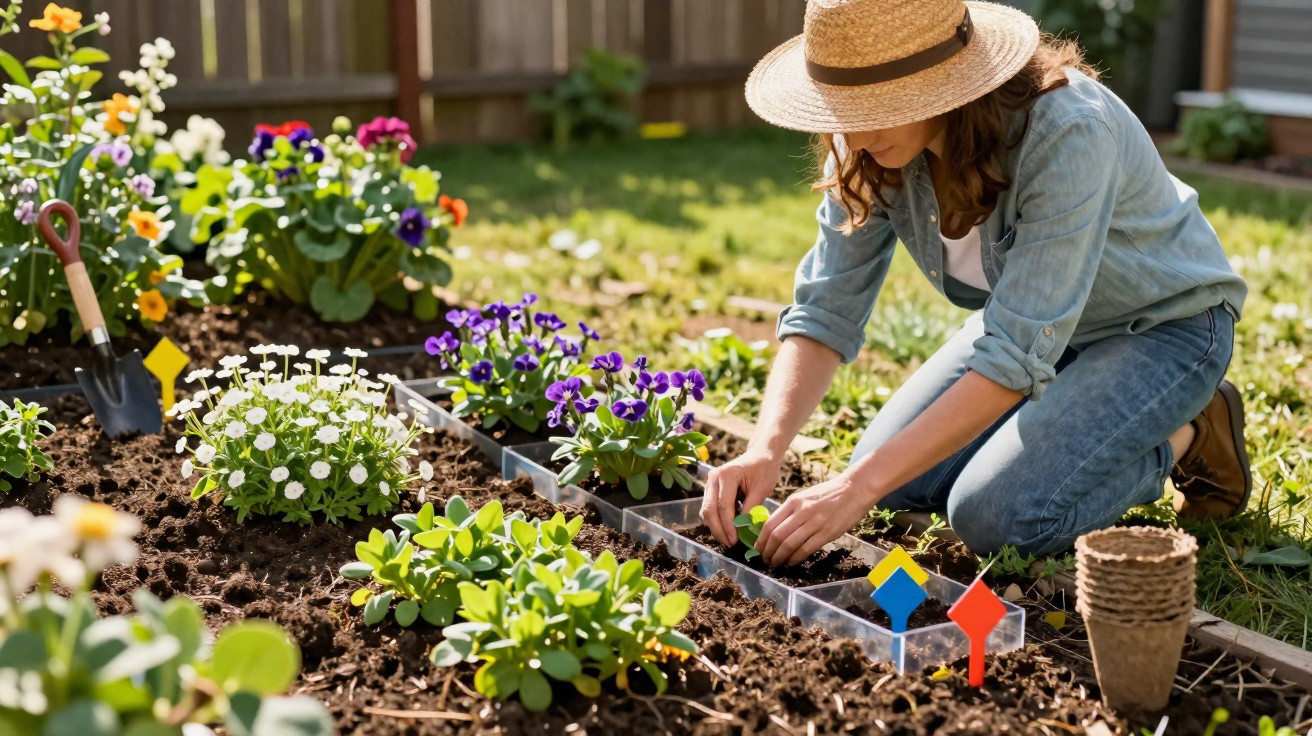
If you enjoy experimenting, label rows with small tags and note the date and variety. In autumn, you can see which flowers truly lasted, how long they bloomed, and which varieties coped better with heat or heavy rain. Those observations then guide next March’s seed choices - and each year the garden becomes that bit more spectacular.

Comments
No comments yet. Be the first to comment!
Leave a Comment