
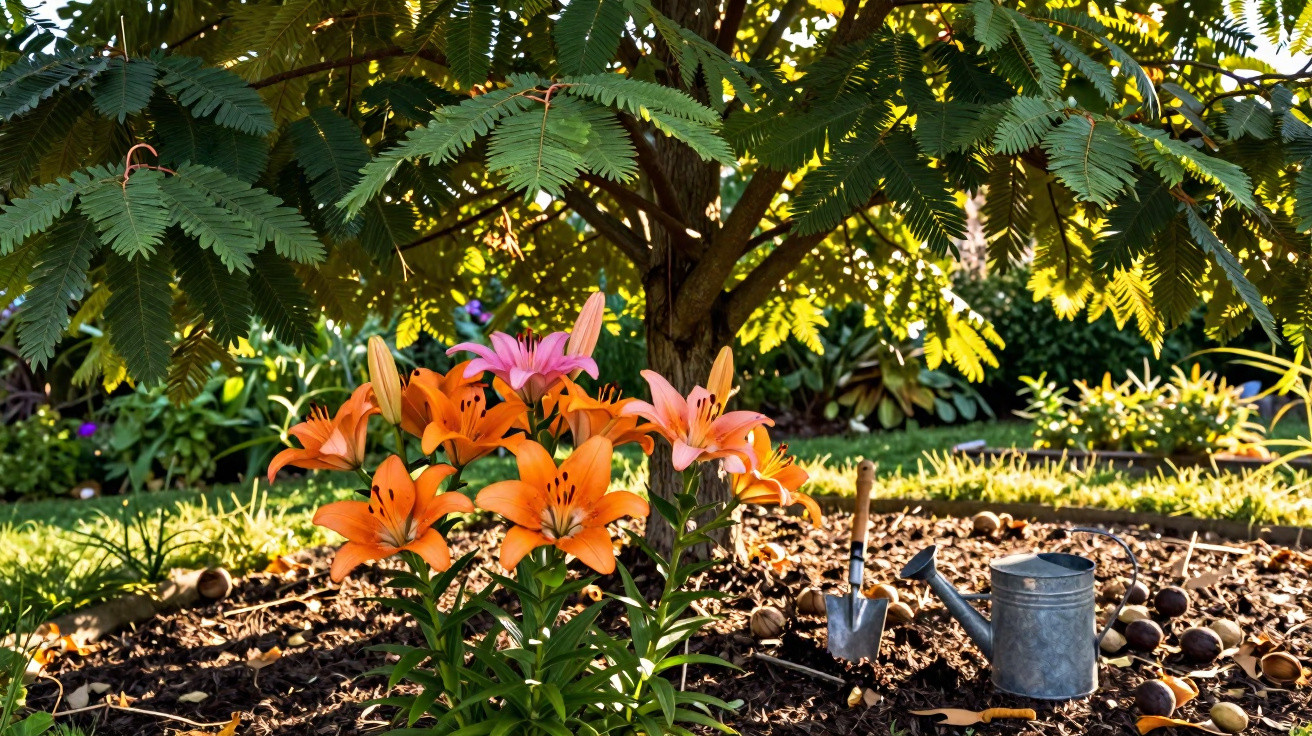
Many keen gardeners give black walnut trees a very wide berth, because vegetables, perennials and ornamental shrubs often fail outright nearby. The culprit is a naturally occurring plant compound that builds up in the soil. What makes it interesting is that some bulb plants that look delicate-such as Asian lilies-can cope surprisingly well in this tricky zone.
What’s behind the problem substance juglone
Walnut family trees-especially the black walnut-release a compound that brings many plants to a standstill: juglone. It is present in the roots, bark, leaves and the husks of the nuts. Rain carries it down into the soil, and rotting leaf litter can intensify the effect.
“Juglone blocks respiration in sensitive plant cells – the plants ‘suffocate’ internally and often collapse within a few days.”
Common symptoms in beds and borders include:
- sudden wilting within 24 to 48 hours
- yellow, limp leaves despite adequate watering
- stunted growth and weak shoots
- in severe cases, total plant death
Around larger walnut trees, the risk area typically extends 15 to 25 metres, because roots spread well beyond the canopy drip line. Heavy soils tend to hold on to juglone for longer, while sandy or very free-draining soils usually wash it through more quickly.
Which plants suffer most - and which cope well
Horticultural research paints a fairly straightforward picture: some crops react extremely strongly, while others show little to no response.
Plants that are often particularly vulnerable include:
- tomatoes, peppers, potatoes and other nightshades
- rhododendrons, azaleas and many heather-family plants
- some fruiting shrubs/trees and ornamental shrubs
By contrast, many spring bulbs, a range of perennials and woodland plants are noticeably tougher. Several lily groups also fall into this more resilient category and can be established where walnuts grow.
Asian lilies: surprisingly robust in black walnut shade
For lily growers, there is encouraging news: Asian hybrids are widely regarded in horticulture as juglone-compatible to clearly tolerant. In practice, they can still shoot strongly and flower even within the influence of large walnut trees.
“Asian lilies are explicitly listed as juglone-tolerant ornamental plants in advisory lists from numerous universities.”
This resilience comes down to what happens inside the plant: their metabolic pathways are less sensitive to juglone’s blocking effect. Their cells can still generate enough energy to support growth and flowering.
Even so, tolerance varies between lily groups:
| Lily group | Juglone tolerance rating | Recommended planting area |
|---|---|---|
| Asian hybrids | medium to good | within about 15–25 m of walnut trees |
| Oriental lilies | medium | 15–25 m, only with very good drainage |
| Trumpet lilies (trumpet type) | medium | outer edge of the influence zone |
| Wild species (species) | mostly good, sometimes variable | planting in the juglone zone generally possible |
Important: “tolerant” does not mean indestructible. Asian lilies rarely collapse dramatically like tomatoes, but in heavily affected spots they may produce slightly smaller blooms, fewer stems or a shorter flowering period.
Site and soil: how to support lilies in the toxic zone
How successfully Asian lilies handle juglone depends heavily on soil conditions. With a few practical adjustments, you can shift the balance strongly in favour of the bulbs.
Test drainage - before you plant
A quick check is usually enough:
- dig a hole about 30 cm deep
- fill it completely with water
- watch whether the water drains away within 24 hours
If water is still sitting in the hole the next day, it will also sit around lily roots-along with dissolved juglone. In that case, the area needs structural improvement or a raised bed.
The right soil preparation
If you want to plant lilies near walnuts, make the planting hole count:
- work in generous amounts of compost or well-rotted farmyard manure
- open up heavy soil with sand or fine grit
- planting depth for Asian varieties: around 15–20 cm
Organic matter improves aeration, encourages soil life, and can help juglone break down faster or become diluted. At the same time, better soil overall boosts bulb vigour.
Care tips: keeping Asian lilies in top form despite juglone
With a little ongoing attention, you can noticeably reduce stress caused by the neighbouring walnut.
Don’t leave leaves and nuts on the ground
Anything that drops from the tree may contain juglone. If Asian lilies are growing within the influence zone, keep the bed area tidy:
- remove fallen leaves, nut husks and small twigs promptly
- compost this material separately and do not return it to the lily beds
The less walnut debris decomposes directly in the lily area, the lower the extra juglone load in the topsoil.
Watering and mulching the right way
Targeted watering can act almost like a flush for the soil:
- water less often but thoroughly, so moisture reaches the root zone
- increase watering during dry spells to lower juglone concentration in soil water
- apply a 5–7 cm mulch layer of bark mulch or shredded, low-juglone material
Mulch helps retain moisture, protects soil structure, and reduces the chance of fresh walnut leaves rotting directly on bare soil.
Suitable companion plants for a “walnut–lily bed”
Asian lilies look their best alongside other robust species that also tolerate juglone. This approach also reduces the risk of a sensitive companion suddenly failing.
Reliable partners include:
- hosta varieties for partial shade
- astilbes with their feathery flower plumes
- many ferns, which often cope well with root competition
- spring bulbs such as daffodils or crocuses
For extra insurance, you can also use North American lily species that have adapted to walnut stands. Some of these wild species handle the compound very well and complement Asian varieties both visually and ecologically.
Troubleshooting: when lilies struggle despite tolerance
If flowers fail to appear or stems get thinner year after year, juglone is not automatically the cause. Nutrient shortages, overcrowding, or voles can also weaken plants.
Useful checks when problems arise:
- have the soil tested for pH and nutrients
- in autumn, inspect a few bulbs each year: firm and healthy, or soft and rotten?
- increase spacing if needed and remove weak bulbs
Feeding with a balanced general fertiliser can support recovery. Well-nourished plants also cope far better with mild chemical stress in the root zone.
Why timing makes a big difference
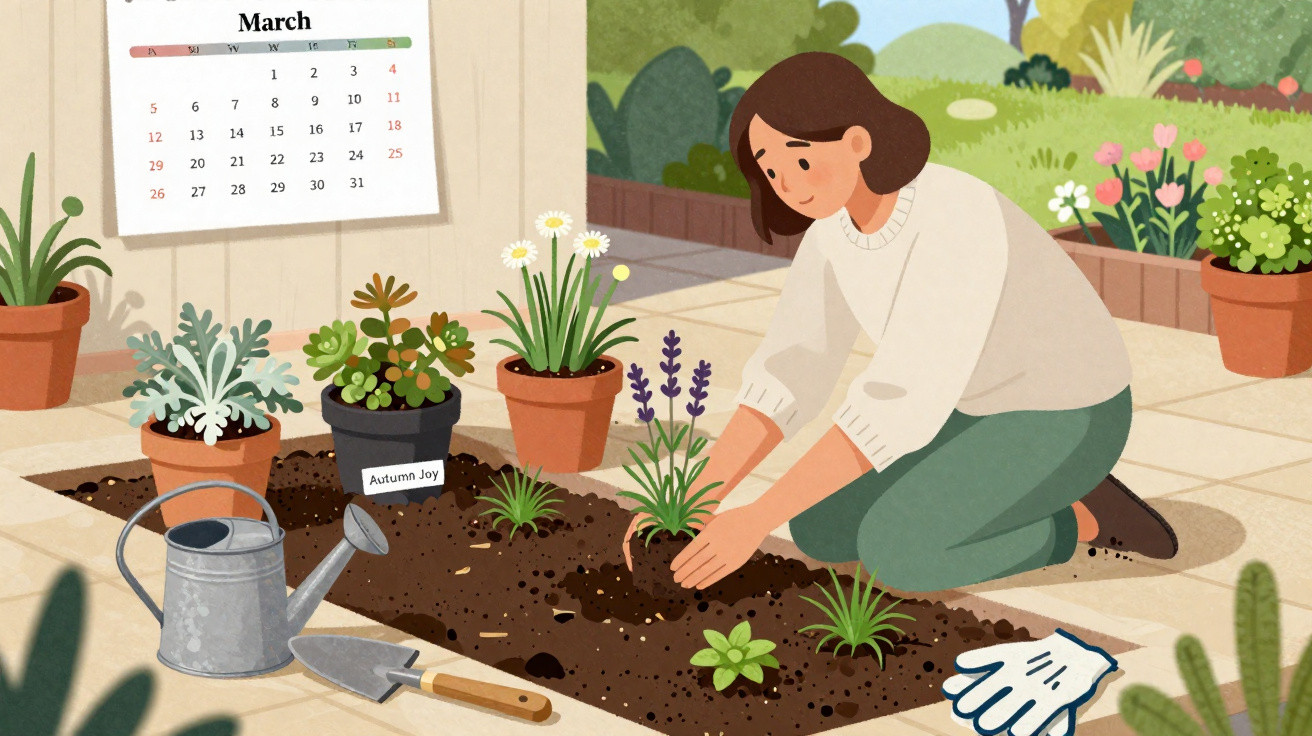
Juglone levels fluctuate through the year. Concentrations are often highest during the tree’s active growth period and after leaf fall, when large amounts of foliage are breaking down. Two windows are therefore particularly suitable for planting new lilies: early spring, before the tree really gets going, or late autumn after the main decomposition phase.
Planting bulbs in these calmer periods gives them time to form roots before soil pressure rises again. When paired with well-prepared ground and consistent care, Asian lilies can become impressively reliable repeat-flowering plants even in the shade of mature walnut trees.





Comments
No comments yet. Be the first to comment!
Leave a Comment