
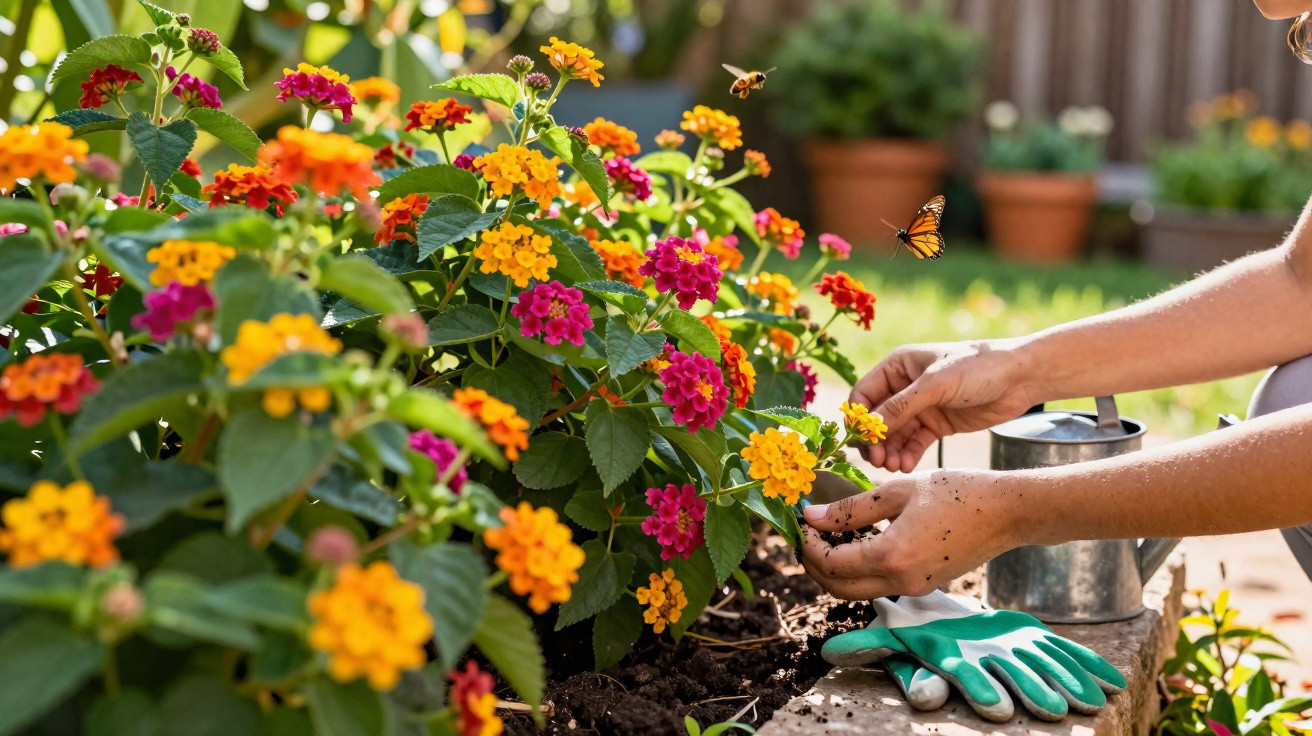
Most amateur gardeners reach for the same dependable favourites again and again: roses, geraniums, hydrangeas. Meanwhile, a plant that can put on a spectacular show of flowers throughout the year is almost completely overlooked: Lantana camara, often simply called lantana (also known as shrub verbena). Anyone who tries it once in a border or a pot quickly wonders why this shrub hasn’t long since become a staple in every garden.
A flowering shrub that virtually never stops
In a typical garden, everything follows the seasons: spring for bulbs, summer for perennials, autumn for ornamental grasses, winter for bare branches. Lantana doesn’t stick to that timetable. It keeps pushing out fresh blooms continuously - whether the weather is warm, cool, or changeable.
The flowers form in dense, rounded clusters. Each cluster is made up of many tiny individual blossoms that open one after another. Older flowers fade gradually while new buds pop open just behind them. The result is that the plant rarely looks “finished” or sparse, as so many summer bedding plants can.
"Lantana is one of the few ornamental plants that, with the right care, can show colour in every month of the year."
Its colour display is particularly striking: bright yellow, rich orange, vivid pink, deep red and even violet - often all on a single shrub, and sometimes within one flower head. The shades shift as the blooms develop, so the same cluster can shimmer in several tones at once.
Winter colour instead of a winter let-down
While many flowering plants retreat firmly into dormancy during the colder months, lantana keeps going for surprisingly long. In mild winters, well-established plants may still carry flowers when the rest of the garden has already turned grey and bare. In frost-free areas or in a conservatory, it can effectively provide colour all year.
It also has a bonus for impatient gardeners: it gets going immediately. Where some bulbs show little or no flowering in their first year after planting, lantana noticeably picks up within its very first season. Once it has settled in, it hardly pauses.
Low-maintenance, tough and surprisingly undemanding
At first glance, lantana can look like a high-maintenance plant simply because it flowers so spectacularly. In reality, it’s very much a “plant it and almost forget it” choice. Two traits, in particular, make it appealing to busy garden owners.
Handles dry spells extremely well
If you live somewhere with long dry periods - or you simply don’t enjoy watering every day - lantana is a grateful companion. Its roots hold on to moisture well, and it copes with thirst far better than many summer flowers.
What the plant typically needs once it has established:
- Watering: only during extended dry spells, then water thoroughly
- Soil: ordinary garden soil with good drainage is perfectly sufficient
- Feeding: a light general-purpose fertiliser in spring or early summer is enough
- Pruning: cut back once or twice a year to control shape and size
- Plant protection: rarely required, as it’s fairly resistant to pests and fungal diseases
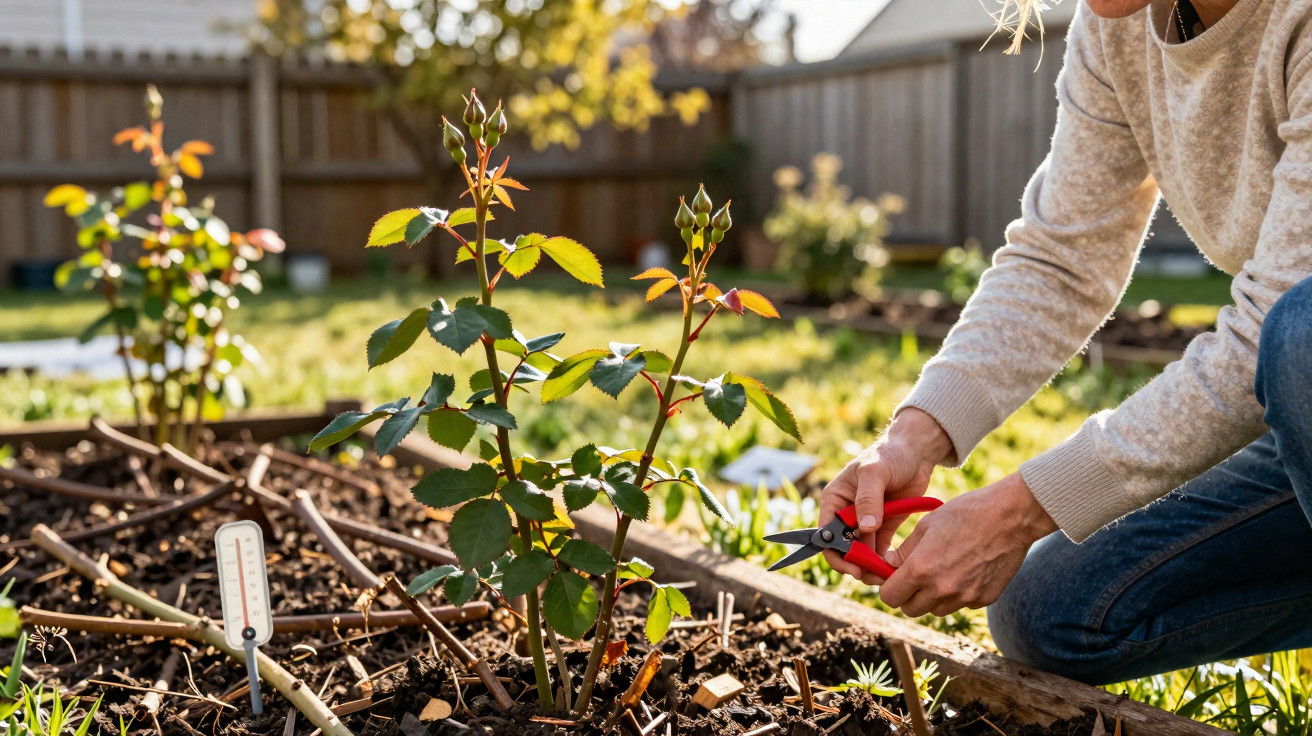
Unlike fussy patio plants, lantana doesn’t demand constant deadheading of spent blooms or complicated compost mixes. If you reach for the secateurs now and then, you’ll keep it compact - and you’ll also encourage fresh flowering at the same time.
Sunlight is the turbo for flowers and colour
Lantana thrives in sun. The more direct light it receives, the denser and more colour-rich the flowering becomes. A fully sunny spot - for example against a south- or west-facing wall, in a rock garden, or in the sunniest corner of a balcony - suits it best.
"In partial shade lantana will grow, but the number of flowers drops noticeably - if you want maximum bloom power, put it in the sun."
In cooler areas, growing it in a pot is recommended. That way, it can sit on the patio or balcony in summer and be moved into a cellar, garage or conservatory when frost threatens. Even an unheated but bright space often works, provided severe sub-zero temperatures are avoided.
A small flowering marvel with big benefits for wildlife
Lantana isn’t only decorative. Its steady supply of flowers effectively makes it a refuelling stop for insects and birds.
A nectar bar for butterflies and bees
The plant produces nectar for much of the year. For pollinators active in autumn or very early spring, that helps bridge gaps when other food sources are scarce. Butterflies, in particular, seem almost irresistibly drawn to it.
If you already grow pollinator-friendly perennials such as daylilies, lavender or catmint, lantana can neatly extend the overall flowering period. When another plant hits a lull, lantana’s bright clusters step in.
Later in the season, the flowers develop into small, dark berries. Many native bird species happily peck at these fruits, especially in structured, more natural gardens.
"Lantanas provide nectar for insects and berries for birds - a rare double role among ornamental shrubs."
From ground cover to specimen shrub - how versatile Lantana can be
When it comes to designing gardens, patios and balconies, lantana offers several options. It grows quickly, yet remains easy to shape.
Where the plant makes the best impact
| Use | Benefit |
|---|---|
| Ground cover in sunny borders | covers bare patches quickly and keeps them colourful for a long time |
| Low flowering hedge | visually softens paths, driveways or patio edges |
| Container plant on a balcony or patio | ideal for towns and cities; can be brought indoors easily before frost |
| Colour accent in mixed borders | fills gaps between perennials and roses throughout the year |
Because it grows so vigorously, it’s wise to give it a little space from more delicate neighbours in a border. If it is never pruned, lantana can spread and crowd out weaker plants. A decisive cut-back in spring or late summer keeps it in check - and, as a bonus, encourages stronger branching and even more flowers.
Practical tips: how to get started with Lantana camara
For beginners, it’s worth buying a well-grown potted plant from a garden centre or nursery. These are usually already in bloom when planted, giving you a quick sense of eventual height and colour effects.
A simple plan for getting started:
- In late April, or after the last frosts in mid-May, choose a sunny, sheltered position.
- If planting in the ground: loosen the soil only lightly and avoid waterlogging at all costs.
- If growing in a pot: use free-draining compost and add a drainage layer of expanded clay at the bottom.
- Water in thoroughly after planting and don’t let it dry out in the first few weeks.
- In high summer, water less often but more generously once the pot has dried out completely.
If you like experimenting, place different varieties with contrasting colour combinations side by side. That can create borders that feel almost like a tropical mosaic - and they stand out immediately from a distance.
What to keep in mind with lantana
In some tropical countries, Lantana camara is considered potentially invasive because, without frost and without natural enemies, it can colonise huge areas. In the UK and similar climates, winter cold and its use as a cultivated garden plant limit that spread significantly, but it’s still sensible to keep the following in mind:
- don’t dispose of large quantities of shrivelled berries in wild areas
- dispose of plant material via household waste or compost it in your own garden
- tell children not to eat the berries - as with many ornamental shrubs
If you keep pets, a quick check is worthwhile: cats and dogs rarely show interest in this plant, but if you want to be completely cautious, place it where curious four-legged companions can’t nibble at it regularly.
Why this plant is so underestimated - and who benefits most
One reason lantana still sits on the sidelines despite its strengths is likely its tropical origin. Many gardeners instinctively assume, “That must be complicated - it probably needs a greenhouse.” In practice, the opposite is true. Anyone who has tried to keep sensitive orchids, citrus plants or other exotic houseplants perfectly happy will quickly find how relaxing an undemanding, ever-flowering shrub can be by comparison.
Lantana is particularly appealing for three groups:
- Busy working people: minimal upkeep, maximum colour.
- Garden beginners: forgiving of mistakes and quick to respond with fresh growth.
- Nature lovers: brings butterflies, bees and birds visibly into the garden.
If you want a bed, balcony or patio that doesn’t only peak in midsummer but stays lively from spring through winter, this understated all-rounder is worth a place. Most people who give it a try noticeably rethink their planting plans after just one season - and keep lantana permanently in pride of place.

Comments
No comments yet. Be the first to comment!
Leave a Comment