
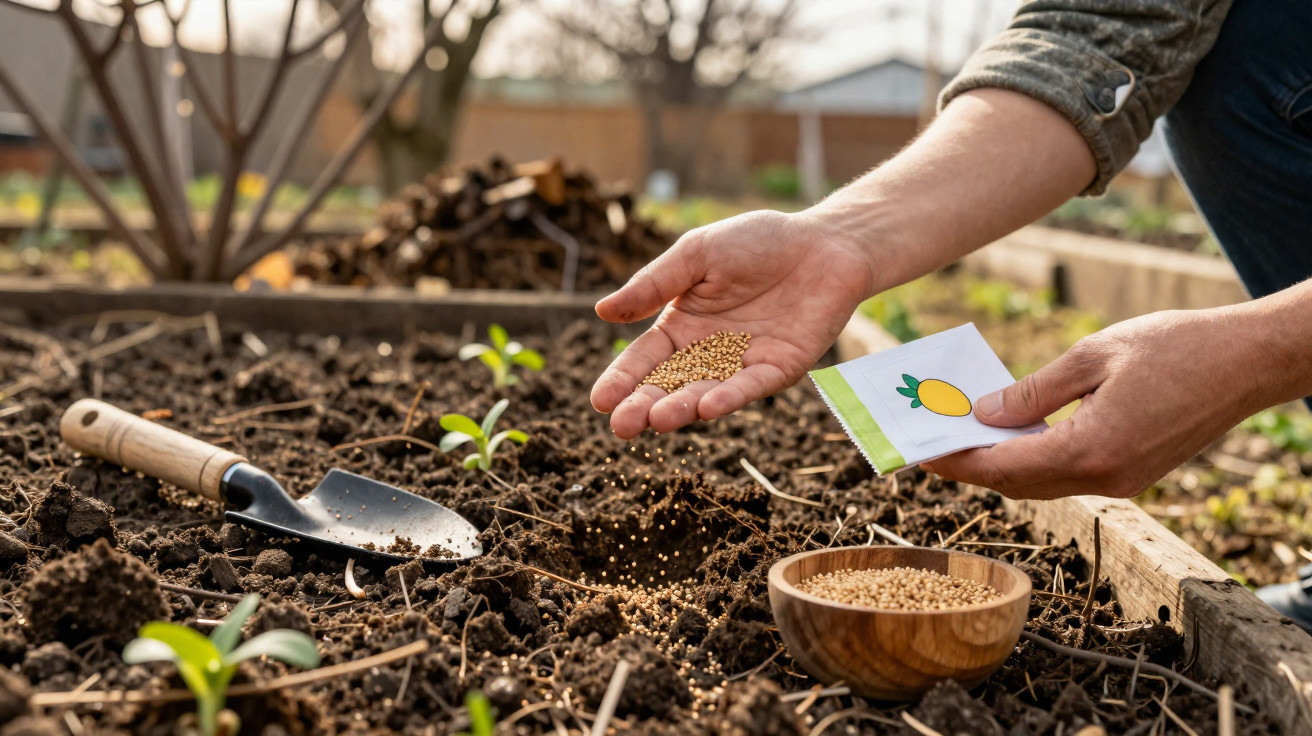
While plenty of hobby gardeners spend February simply longing for spring, the soil is already quietly getting itself ready. If you sow one specific plant now, you can head into spring with looser ground and, quite often, noticeably better harvests - without reaching for shop-bought fertiliser.
Invisible helpers: why white mustard saves winter soil
The plant in question is a classic green manure: white mustard (Sinapis alba). It gets going remarkably early in the year. As soon as the soil reaches roughly 5 °C, the seed will germinate reliably - exactly when vegetable beds are usually still bare and exposed.
Once the mustard comes up, it forms a thick green carpet within a few days. That living cover acts like a multi-purpose layer of protection that’s especially valuable in late winter.
White mustard works like a natural protective blanket: it shields the soil, loosens it, and stores nutrients for the next vegetable season.
By covering the surface, the plants steal light that would otherwise fuel unwanted weeds. Sowing mustard in February can save many hours of weeding later on. At the same time, the closed canopy reduces the chance of heavy rain sealing the soil into a crust or the wind blowing away fine particles.
Beneath the surface, the roots keep on working. Strong taproots push through compacted layers, create tiny channels and improve aeration. Rainwater can soak in more easily, waterlogging is reduced, and the bed is simpler to work when it’s time to plant your main crops.
The right timing: why mid-February is ideal
In most gardens, the sweet spot is the second half of February - once the ground is no longer fully frozen and has started to warm a little. In milder areas you can begin earlier; in colder, more exposed locations it will be later.
One thing matters: the soil mustn’t be wet like a sponge. Aim for ground that’s slightly moist but firm enough to walk on - that’s when the seed gets the best start.
How much seed hobby gardeners actually need
If you’re new to green manure, it’s easy to misjudge quantities. For white mustard, these are reliable guide figures:
- About 1–2 grams of seed per square metre
- For a 10-square-metre bed, 10–20 grams is more than enough
- Sowing depth: on the surface up to a maximum of 1–2 centimetres
In winter and early spring, moisture in the top layer is crucial. If mustard is sown too deep, that zone can dry out quickly and germination will be slowed. A light scattering with only minimal raking-in is completely sufficient.
Preparing the soil - without a major workout
There’s no need to dig the whole garden over. Lightly loosening the surface is enough. A rake, hoe or garden fork will do the job.
Rough up the top few centimetres and break up larger clods. You’re not trying to create a perfectly fine seedbed - the aim is good seed-to-soil contact. Heavier soils, in particular, benefit a great deal from this gentle roughening.
Sowing step by step
- Loosen the surface slightly and remove coarse plant debris.
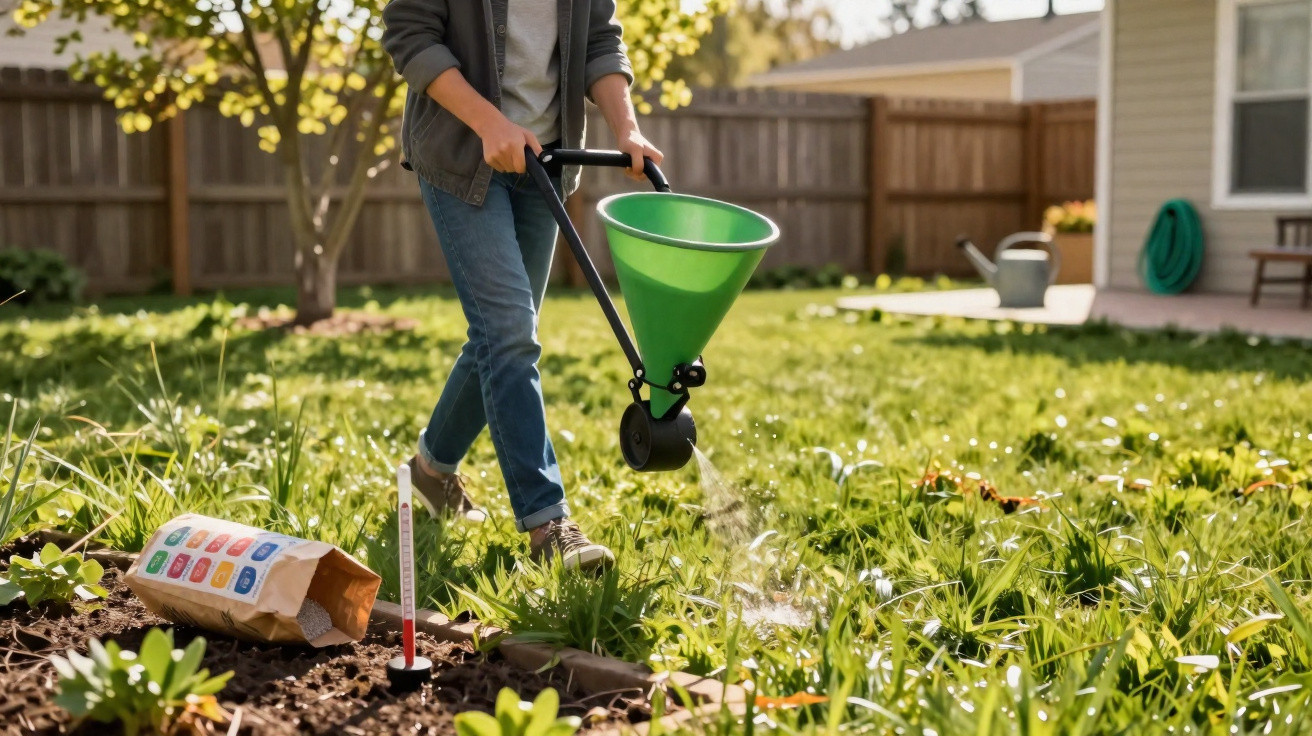
- Spread the mustard seed evenly by hand or with a spreader.
- Rake in shallowly so the seed is only just covered.
- Firm gently using the back of the rake or by walking over boards.
In damp conditions, the first even rows or a young green mat often appears after about ten days - a view that can make a winter-grey garden feel suddenly alive.
Care, cutting and digging in: the right moment boosts yield
With green manure, success depends not only on sowing but also on how you finish the crop. Leave mustard standing for too long and you may get an unpleasant surprise: woody stems, plant material that breaks down slowly, and, in the worst case, unwanted self-seeding.
Around six weeks after sowing, the stand reaches a peak in nutrients. The plants are lush green, the stems are still soft, and buds are only just starting to show.
- Cutting time: shortly before flowering or right as it begins
- Incorporation: work in shallowly into the top 3–5 centimetres of soil
Wait too long and you risk tough stems and slower rotting. Cut too early and you give away some biomass and nutrient potential. In everyday gardening, the appearance of the first flower buds is a practical cue.
Why soil looks noticeably better after mustard
Recent agricultural trials show clearly measurable effects. After a mustard green-manure crop, yields of the following crops rise on average by just under a fifth. This lift isn’t simply about “more fertiliser”; it mainly comes from the way soil conditions improve overall.
More loose crumbs, less weed pressure, well-timed nitrogen: mustard lays the foundation for strong young plants in spring.
The roots leave behind a stable soil structure. Air remains between the crumbs, which stimulates soil life. Earthworms, bacteria and fungi feed on the incorporated plant material. Over time, this releases plant-available nitrogen - right when tomatoes, lettuces or beans start growing in earnest.
Weed pressure also drops markedly. Sending a bed into spring under mustard rather than bare soil usually means starting with a much cleaner patch. That head start matters particularly for slow-growing crops such as carrots or onions, which can be overwhelmed quickly.
Important points so mustard doesn’t become a problem
Helpful as white mustard is, there are a few rules worth following - otherwise the benefits can turn into drawbacks.
- Don’t let the seed ripen; otherwise mustard itself can become a persistent volunteer.
- Don’t sow into completely waterlogged soil - the seed can rot easily.
- If slugs are a serious issue, monitor the stand closely and, if necessary, incorporate earlier.
If you grow brassicas frequently (such as white cabbage, broccoli or Brussels sprouts), avoid using mustard in the same spot year after year. Mustard belongs to the same plant family, which increases the risk of certain pests or diseases building up in the bed.
Where mustard green manure is especially worthwhile
Green manure really earns its keep in beds that won’t be planted until late spring. Typical examples include:
- Areas intended for tomatoes, peppers or courgettes
- Beds that won’t be used until May for beans or squash
- Patches with heavy, compacted soil that turns silty and sealed over winter
In these places, mustard bridges an otherwise “empty” period, protects the surface, and provides fresh, easily rotted material when planting time arrives.
Extra tips: combinations, risks and alternatives
If you want your garden to stay green throughout the year, you can rotate mustard with other green manures. On lighter soils, phacelia or certain clovers work well and can also fix nitrogen from the air. Mixtures often produce especially stable soil structures.
One detail that’s often overlooked: fresh plant material that hasn’t fully rotted down can temporarily tie up nitrogen during decomposition. For that reason, it’s worth leaving a gap of one to two weeks between digging it in and sowing sensitive crops. For robust plants like potatoes this usually makes little difference, but for early lettuces it can matter more.
If you don’t have room in the beds, you can also add the cut mustard to the compost heap. The soft stems break down quickly, heat the heap and speed up the overall process. The finished compost then returns to the beds - bringing a double benefit for soil structure.
In the end, the principle is simple: a few grams of seed, scattered lightly over the beds in late winter, can mean the soil looks anything but tired and depleted in spring - instead it’s lively, crumbly and full of nutrients. Once you’ve seen the difference, it’s hard to want bare, empty winter soil again.


Comments
No comments yet. Be the first to comment!
Leave a Comment