

Many garden enthusiasts are already itching to get going in April and want to plant tomatoes, pumpkins and the rest straight into the beds. At the same time, an old term starts doing the rounds in chats and gardening groups: the Eisheiligen. They are seen as the last real frost risk of spring - but how dependable are they in 2026, and what does that actually mean for growing veg?
When the Eisheiligen really take place in 2026
The dates do not change in 2026, because they follow the calendar rather than the forecast. The classic three Eisheiligen fall on:
- Monday, 11 May 2026 – Mamertus
- Tuesday, 12 May 2026 – Pankratius
- Wednesday, 13 May 2026 – Servatius
Traditionally, this brief window is treated as the period when late night frosts still occur frequently and can put young plants in the vegetable patch at risk. After a mild spring in particular, many hobby gardeners underestimate the danger - and then wake up to "burnt" leaves.
In many areas, however, the calendar has effectively been extended. Folk tradition and winegrowers also keep an eye on a string of additional name days that symbolise a late cold snap:
- 14 May – Bonifatius
- 15 May – Sophie (often called "cold Sophie")
- 19 May – Ivo
- 25 May – Urban, traditionally especially significant in viticulture
Handy rule of thumb for the garden: if you do not want to gamble with frost damage, schedule tender crops for mid-May at the earliest - and preferably not until the end of May.
Where the "Eisheiligen" come from - and what the dates mean today
Their roots go back to the early Middle Ages. Farmers across Europe noticed that, after several mild weeks, early May often brought a noticeable dip in temperature. Clear nights were common, bringing ground frost that could harm young shoots and blossom.
The Church linked these observations to specific feast days. The saints’ names became fixed points in the rural calendar, accompanied by memorable sayings that were easy to pass on. What began as a practical farming guideline gradually took on an almost mythical status.
Modern weather archives, however, show that nature rarely sticks precisely to 11, 12 and 13 May. Analyses of measurement series suggest, for instance:
- In many lowland locations, the final frost night occurs after 13 May in around two out of three years.
- In some cases there has still been night frost at the end of May or in early June, depending on region and altitude.
- Climate change is shifting patterns: average temperatures are rising, but extreme weather is increasing. Brief, unexpected cold reversals remain possible.
That is why the Eisheiligen are less useful as a rigid "magical boundary" and more valuable as a warning signal in the calendar: from this point, it pays to watch the forecasts closely before moving precious young plants outdoors.
How gardeners should plan in 2026: start with robust varieties
If you organise your garden sensibly, you can use the time before mid-May for crops that are less bothered by cold. They cope well with lower temperatures and get the season going reliably.
What can go into the ground before 11 May
The following vegetables and plants are generally considered relatively resilient to cool nights and can be planted outdoors in most regions even before the Eisheiligen:
- Carrots
- Peas
- White radish and radishes
- Beetroot and other root vegetables
- Spinach, chard
- Early salads such as lettuce or mixed cut-and-come-again leaves
- Potatoes (depending on soil and location)
- Early flowering plants such as pansies, primroses, forget-me-nots
- Hardy herbs: parsley, chives, thyme, oregano, sage
Even with these tougher choices, it is still worth using horticultural fleece or film if sub-zero temperatures are forecast - especially in frost pockets or gardens at higher elevation.
Tender plants stay protected for longer in 2026
It is a very different story with the "sun worshippers" in the kitchen garden. These crops can react badly even when temperatures only drop to a few degrees above freezing:
- Tomatoes
- Courgettes and pumpkins
- Aubergines
- Peppers and chilli
- Cucumbers
- Melons
- Basil
For 2026, it makes sense to plant these only from the second half of May onwards as a permanent move outdoors. Better still, wait until a stable warm spell is forecast and night-time temperatures in your garden remain above 8–10 °C.
Planting tomatoes and the like too early does not just risk frost damage: even cool nights below about 5 °C can slow growth dramatically - and plants often never fully make up the lost time.
Practical strategies to prevent frost damage in May
A few straightforward measures can greatly reduce the risks around the Eisheiligen without having to hold everything back for the entire spring.
Location, protection, timing: the main levers
| Measure | Benefit in May |
|---|---|
| Warm spot (house wall, south-facing bed) | Shields from cold air, warms up faster during the day |
| Raise frost-sensitive plants in pots | Plants can be moved into the house or garage at short notice if it turns cold |
| Keep fleece or a film tunnel ready | Emergency cover when a cold snap is forecast |
| Check forecasts through the night-time hours | Enables last-minute action ahead of isolated nights with ground frost |
| Stagger the first plantings | If a cold spell hits, not the entire harvest is at risk |
If you have an allotment or garden with a greenhouse, you can move tomatoes and peppers into larger pots much earlier. They can put on growth under cover while outdoor beds are still dealing with temperature swings. From the end of May, they can then go into the ground - or simply stay in containers.
Region matters: not every garden freezes the same
Frost-day records show major variation within the German-speaking region. Three examples make this clear:
- In many river valleys and urban locations in the lowlands, frost after mid-May is statistically uncommon.
- In higher-altitude areas and cold hollows, ground frost can persist until the end of May, and occasionally even into early June.
- Urban "heat islands" such as city centres or densely built suburbs are often a few degrees milder than open fields.
If you want a better sense of your own microclimate, record the lowest night-time temperatures for two or three years. A simple minimum thermometer in the bed is enough to show how "frost-prone" your spot really is.
How climate change is affecting the Eisheiligen
Many people have the impression that winters are becoming milder and spring seems to start earlier. Broadly speaking, that is true. Even so, late cold snaps do not disappear - they simply shift and occur more irregularly.
In practical terms: in some years the garden gets through mid-May without any problems. In other years, one clear night is enough for temperatures to drop sharply. That unpredictability is exactly the catch - and the reason the Eisheiligen still have a place as a calendar warning.
For hobby gardeners, the takeaway is this: rather than following fixed dates blindly, it pays to combine experience, local observation and up-to-date forecasts. Done this way, you neither need to wait until June nor worry afresh every year.
How to use the waiting time until after the Eisheiligen
The weeks before mid- and late May do not have to be frustrating. They are ideal for getting the garden properly set up:
- Loosen beds, add compost, and plan your mulch
- Put up supports for beans, peas and cucumbers
- Pre-warm a bed for heat-loving crops with black film or fleece
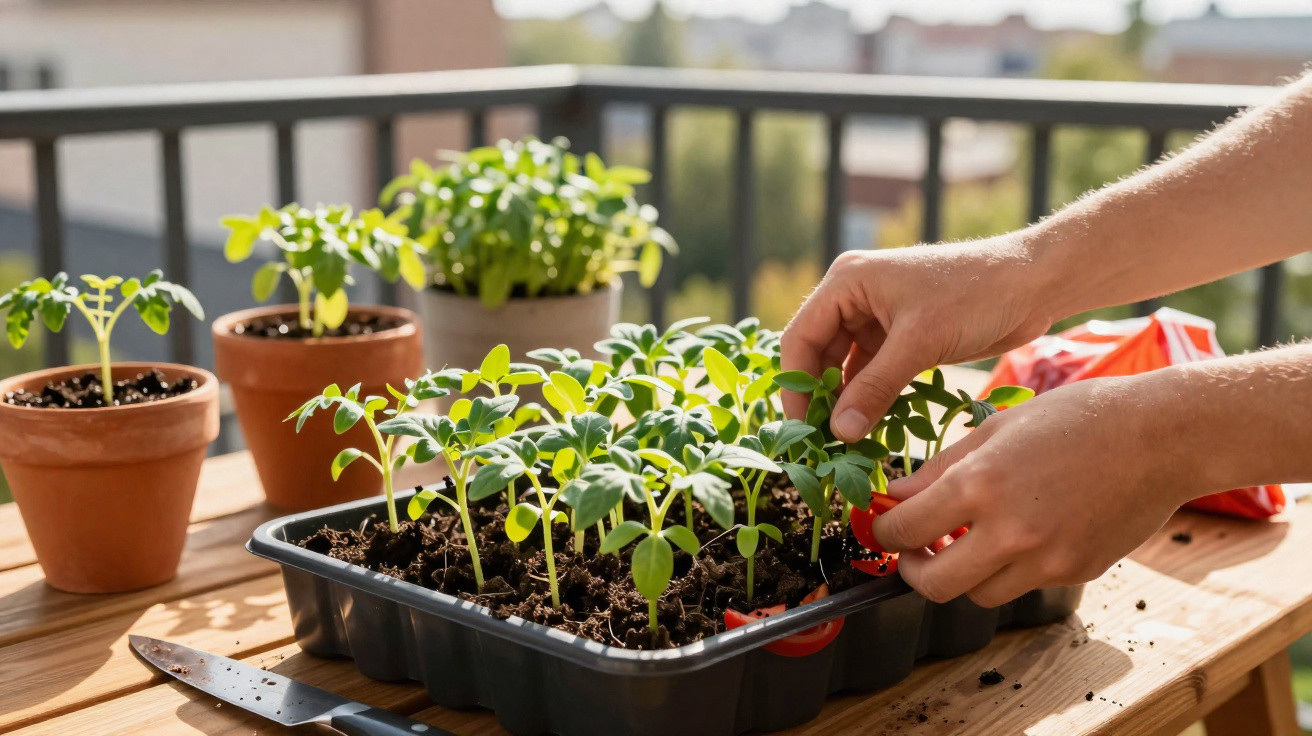
- Strengthen young plants by putting them outside during the day and bringing them back in at night ("hardening off")
This way, tomatoes, courgettes or peppers are not only safer once they go in, they also get going with far more vigour. If you plant in stages - for example, setting out tomatoes in several waves - you spread the risk: if late cold nights still arrive, at least not every plant is affected at the same time.
All in all, the Eisheiligen 2026 are not a rigid prohibition sign, but a helpful prompt. If you know the approximate dates, assess your local conditions correctly and have a few protective tricks ready, you can guide your vegetable garden safely through this critical period - and enjoy strong, healthy plants in summer.




Comments
No comments yet. Be the first to comment!
Leave a Comment