
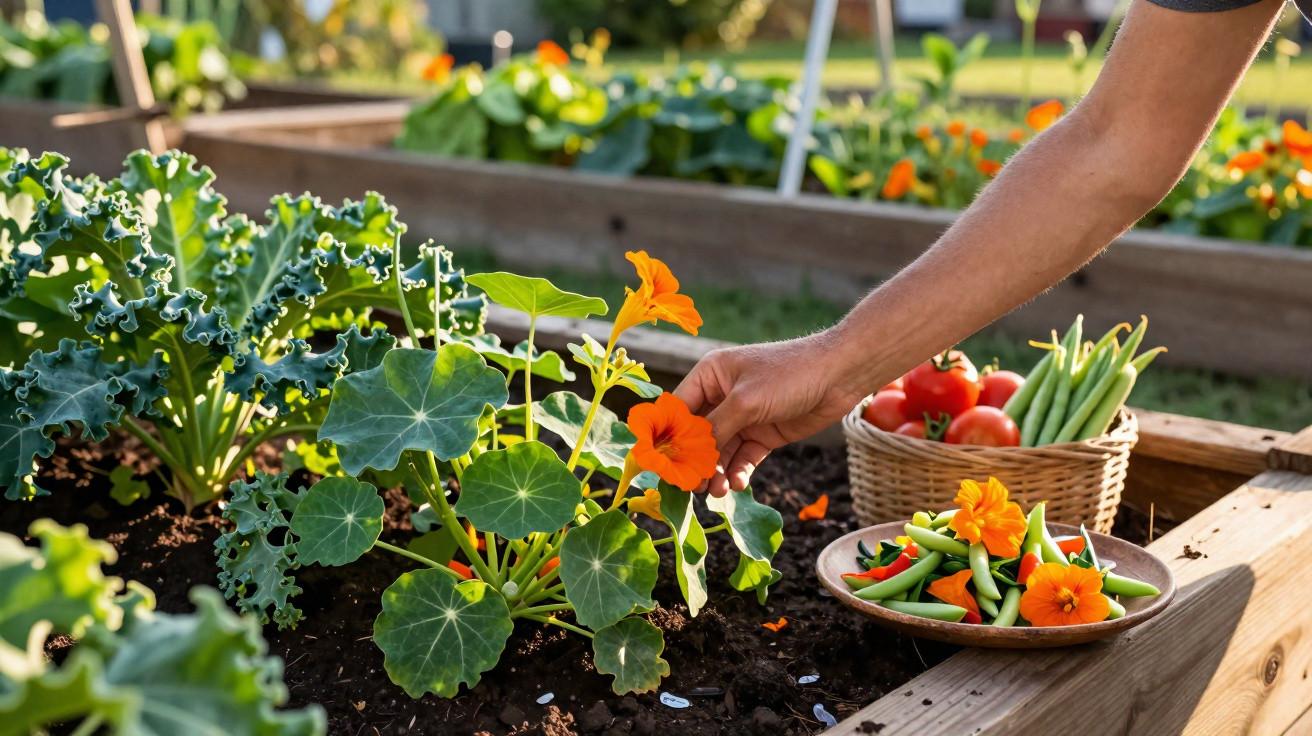
Many hobby gardeners are mapping out the new season right now: sorting seed packets, sketching plans and deciding what deserves a place in the beds. Alongside tomatoes, courgettes and beans, one plant is suddenly back in the spotlight - a flower long dismissed as a slightly old-fashioned balcony choice, now revealing itself as a small but powerful trick for a steady, resilient vegetable garden.
From wallflower to star in the bed
For years, nasturtium was best known draped over a fence at the allotment or spilling from a grandparent’s window box. Pretty, yes - but not exactly exciting. That reputation is changing fast. As more gardeners lean towards natural growing, fewer chemicals and greater self-sufficiency, nasturtium is taking on a new identity: not just decoration, but a practical tool in the bed.
A single packet of seed costs only a few pounds, yet it can cover surprisingly large areas. Sown between vegetable rows, it fills gaps, adds colour and - more importantly - brings activity into the garden. Many gardeners now use it instead of the long-favoured marigold classic, because nasturtium can be even more versatile.
"Nasturtium is a flower, a pest shield and a salad ingredient all in one - and it takes hardly any effort."
A shield for beans, brassicas and more: how it diverts pests
The real reason for its comeback is its role as a “bodyguard” for vegetables. Nasturtium acts like a magnet for aphids. Rather than piling onto beans, peas or roses, the tiny sap-suckers often settle on the soft shoots of this plant instead.
Gardeners refer to it as a “sacrificial plant”: it attracts pests in order to spare the crops you actually want to protect. It sounds dramatic, but it’s a smart, self-supporting system:
- Aphids cluster on a few nasturtium plants instead of spreading across the entire garden.
- Those concentrated colonies attract ladybirds and hoverflies, which eat aphids in huge numbers.
- Once the aphids there are reduced, the beneficial insects move on through the garden and help keep other plants clear too.
The result is a stable balance - without sprays and without constant intervention. If you place nasturtiums strategically, you’re effectively building in a biological pest trap that regulates itself.
Where the plant works best as a living guard
It’s particularly useful in spots that tend to be vulnerable, for example:
- along the edges of bean and pea beds
- beneath or beside rose bushes
- threaded between brassicas
- in the tomato bed as a colourful underplanting
One key point: if you notice aphids on your nasturtium, don’t panic straight away. That’s exactly when it’s doing its job as a lure plant. Only if the plant is collapsing completely is it worth cutting it back. In most cases, the army of beneficial insects handles the regulation.
Blooming, not fussing: this flower thrives on neglect
Another reason nasturtium fits so well with the way many people garden today is its simplicity. Plenty of typical summer flowers demand feeding, rich soil and constant watering. Nasturtium works in the opposite direction.
In poor soil it often produces more flowers than in beds that are too well “looked after”. Give it too many nutrients and it tends to churn out leaves, while the flowers take a back seat. If you’re the sort of gardener who likes to pamper plants, it’s easy to overdo it here.
"Nasturtium rewards restraint: water sparingly, don’t keep feeding - and it still gets on with it."
Ideal places to use it in the garden
- awkward corners with fairly lean soil
- gaps between perennials or vegetable rows
- as a living carpet around courgettes, pumpkins or fruit trees
- in window boxes and pots on balconies and patios
Trailing and climbing varieties quickly form a dense green carpet. That shade keeps the soil damp for longer and slows weeds. If you’ve been spending lots of time weeding, nasturtium is a popular choice as a living mulch layer.
From bed soil straight onto the plate
What still surprises plenty of people is that nasturtium isn’t only ornamental - it’s edible too, almost from top to bottom. For anyone who wants their garden to function as a deliberate pantry, that’s a strong argument.
The flowers add bold colour to salads: yellow, orange, red, sometimes close to deep red. The flavour sits somewhere between cress and radish - lightly hot, peppery and very aromatic - creating a lively contrast against mild leaf salads.
Young leaves can be used like rocket in mixed salads. They also lift sandwiches, herby soft cheese or wraps with a fresh, spicy edge. Picked early, they offer the best aroma.
A particularly clever touch is using the still-green, unripe seeds. Pickled in vinegar with a little salt and spices, they become “fake capers”. The bite is similar to the real thing, the flavour is intense - and it’s completely home-produced.
Kitchen ideas
- Summer salad with mixed leaves, tomatoes, nasturtium flowers and leaves
- Herb butter with finely chopped leaves for barbecue evenings
- Soft-cheese roll, decorated with edible flowers
- Pickled seeds as a topping for pasta or potato salad
How to sow successfully without specialist kit
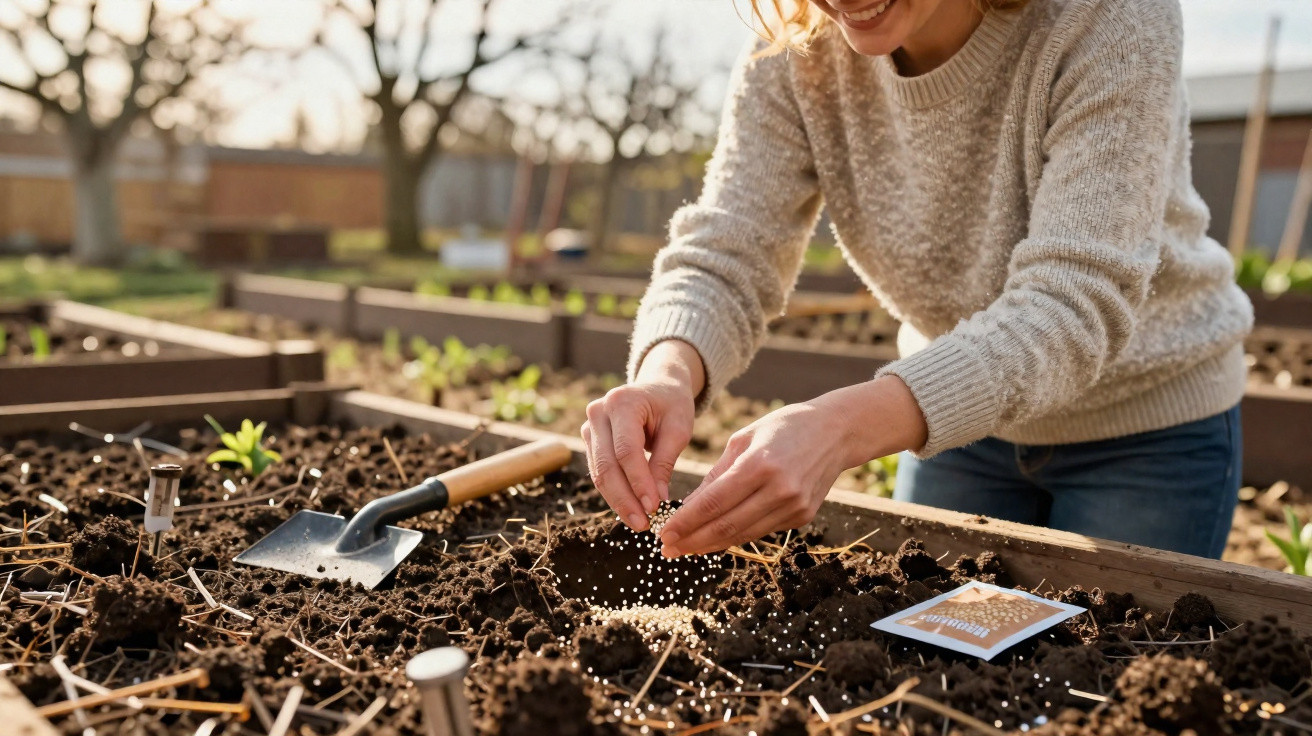
If you want to try it this year, you don’t need any high-tech setup. Nasturtium can be sown directly outdoors once the risk of hard frost has passed - often around mid-May.
| Step | Recommendation |
|---|---|
| Prepare the seed | Soak the fairly large seeds in lukewarm water overnight to speed up germination. |
| Choose a site | Full sun brings more flowers; partial shade also works well, for example under tomatoes or fruit shrubs. |
| Sowing | Place 3–4 seeds about 2 cm deep in the soil, spaced roughly 30 cm apart. |
| Care | After germination, water only moderately; a little more during dry spells. Largely avoid fertiliser. |
In balcony planters, standard compost is fine - ideally made a bit leaner by mixing in some sand. Hanging or trailing varieties spill nicely over the edge and create that familiar “cascade effect”.
How the plant changes the garden over the long term
Once you start using nasturtium deliberately in your beds, you quickly notice it rarely stays a one-season experiment. It often self-seeds, reappears the following year in unexpected places, and becomes a long-term companion in the garden.
The impact goes far beyond a few splashes of colour. Ladybirds and other beneficial insects find better conditions thanks to a more consistent food supply. That makes the whole garden tougher against aphid outbreaks and reduces the feeling that you must step in immediately whenever pests appear.
There’s also a psychological effect: when you see how well natural processes can work, you reach for the spray bottle or synthetic fertiliser less often. It eases the pressure to have “perfect” plants in every bed and makes gardening feel more relaxed.
Risks and limits - what to watch out for
Despite its many strengths, there are a few things worth keeping in mind:
- In very wet summers, the plant can be prone to fungal problems such as mildew.
- Trailing varieties can quickly smother weaker neighbours; occasional trimming keeps them in check.
- If you like very strict, tidy beds, you may find its growth habit a bit too wild.
Especially in small gardens, targeted use pays off: it’s better to plan a few strong nasturtium “hotspots” than to scatter a little bit everywhere.
Why picking up a packet of seeds is particularly worthwhile this year
Nasturtium aligns remarkably well with what many hobby gardeners want: less effort, more benefit, more flavour. It protects vegetables, fills bare patches, helps save watering, provides edible flowers and - as a bonus - gives children something to marvel at when the salad suddenly glows orange and red.
If you set aside a few rows for it while planning your vegetable garden, you’ll end up with something more colourful, more alive and noticeably more resilient. One small packet of seed can achieve more than many an expensive fertiliser - and that’s exactly what makes it one of the most interesting plants for the 2026 season.


Comments
No comments yet. Be the first to comment!
Leave a Comment