
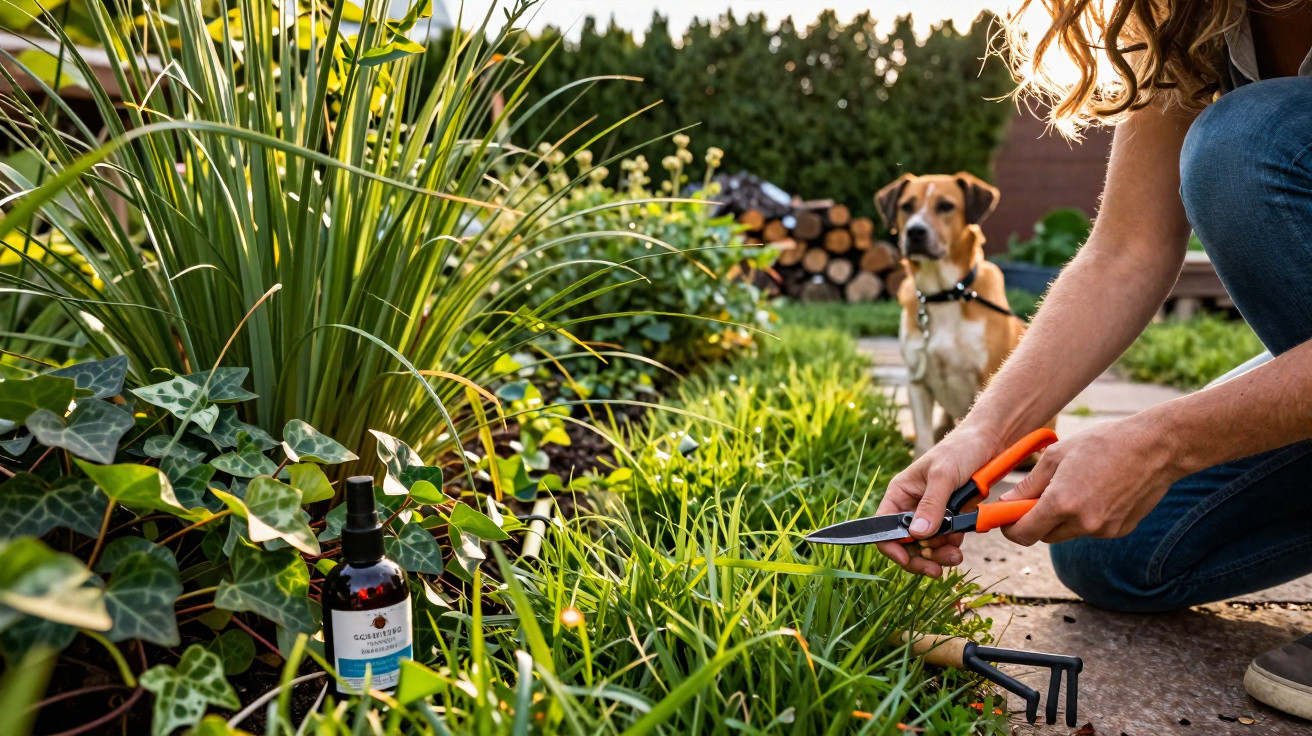
Anyone who enjoys a garden in full bloom rarely thinks about parasites. Even so, every warm day increases the chances of coming into contact with a tick while barbecuing, playing outside or weeding. It is not only woodland paths that pose a risk – specialists are increasingly finding these arachnids right behind people’s homes. And yes: certain plant combinations and parts of the garden can attract them almost like a magnet.
Why ticks find your garden so appealing
Ticks are not interested in flower colours or specific plant species. Unlike bees, they do not follow a scent; instead, they look for a habitat where they will not dry out. That is exactly where your garden can become relevant.
"Ticks don’t love particular plants – they love the microclimate created by dense, shaded planting."
Common tick hotspots in the garden include:
- dense shrubs and hedges, especially along property boundaries
- long, unmown grass
- ground cover such as ivy or thick carpets of periwinkle
- piles of leaves, compost edges, rotting wood
- shady transition areas between lawn and scrub
Researchers at US universities such as Cornell and Texas A&M reach much the same conclusion: it is not the plant type that matters, but the combination of conditions – moisture, shade and poor air circulation.
Typical plant combinations ticks like
On their own, most plants are not an issue. The risk increases when several together create exactly the kind of conditions ticks need. Common examples seen in German gardens include:
Evergreen hedging and long grass
Thuja, cherry laurel or privet hedges block the wind and cast shade. If the lawn directly in front is cut infrequently, a cool, damp fringe forms – an ideal strip for ticks to wait for passing people or animals.
Ivy and other dense ground cover
Ivy, sweet woodruff or cotoneaster can cover the soil almost completely. Beneath the foliage it stays wet for a long time, leaf litter breaks down poorly, and the surface offers perfect “perches”. Ticks climb onto the upper parts of the plants and are brushed off from there.
Wild, romantic corners of the garden
“Nature-friendly” corners are popular, for example with:
- stacks of old wood
- leaf piles for hedgehogs
- tall perennials and uncut grasses
Ecologically, that can be a good thing – but it often comes with a downside: small mammals such as mice and hedgehogs thrive there, and they frequently carry ticks in their fur. Wherever these animals travel, ticks tend to settle in higher numbers.
Gardening mistakes that make ticks possible in the first place
Many homeowners make life easier for these parasites without meaning to. The most common oversights are:
- The lawn is cut too rarely, or left too long.
- Leaves are left sitting under shrubs for weeks.
- Bushes are allowed to grow right up to the patio, paths and play areas.
- Wood piles are stored close to the house or seating areas.
- Compost areas stay damp, shaded and heavily overgrown.
"Ticks don’t roam across the garden – they wait at transition points where people, animals and vegetation meet."
Simple steps to significantly reduce ticks
Nobody needs to turn their garden into a gravel desert. A few straightforward routines can noticeably lower the risk without ruining the look of the space.
Keep lawns and border zones under control
- Keep the lawn short, particularly along hedges and fences.
- Create narrow, regularly mown strips between shrubs and play areas.
- Under hedges, remove leaves and dead plant material regularly.
So-called barrier zones are particularly effective. The idea is to create a dry strip between dense planting and areas you actively use.
| Area | Recommended barrier |
|---|---|
| Transition from lawn to hedge | 20–50 cm strip of gravel or coarse woodchips |
| Around a sandpit or swing | Sand, mulch or grit, loosened regularly |
| Paths through dense planting | A firm path with paving slabs or bark chippings; cut back the sides |
Position leaves, wood and compost sensibly
Leaf piles for hedgehogs or stacks of deadwood should be placed as far as possible from the patio, children’s areas and frequently used paths. If you have the space, set up a “wild zone” at the far end of the plot and accept a higher tick risk there – away from day-to-day family life.
Compost should be well ventilated and not completely hidden in deep shade. Turning it regularly helps it dry out and removes a potential refuge for ticks.
How to protect pets from ticks
Dogs, cats and outdoor rabbits can easily bring ticks into the house. A brief daily check can prevent a lot of hassle.
- After each time in the garden, feel through fur and check the skin – especially around the head, neck, armpits and groin.
- Speak to your vet about suitable treatments (spot-on products, collars, tablets).
- Do not place outdoor bedding right next to hedges or long grass.
"The earlier a tick is found and removed, the lower the risk of illnesses such as Lyme disease."
Personal protection: clothing, repellents, checking
If you spend a lot of time gardening, it is worth protecting yourself as you would on a woodland walk. Long, light-coloured clothing makes ticks easier to spot. Trousers can be tucked into socks or paired with wellington boots.
In heavily overgrown areas, insect repellents can be helpful. Products containing DEET, picaridin or lemon eucalyptus oil are considered effective. After gardening or playing in the grass, a quick bathroom routine is worthwhile: check legs, backs of knees, groin, abdomen, armpits and the back of the neck.
If you find a tick attached to the skin, use fine tick tweezers or a tick removal card. Grip the tick’s body as close to the skin as possible and pull it out straight. No oil, no cream, no alcohol – that stresses the tick and can increase the chance of it releasing pathogens.
When it makes sense to see a doctor
After a tick bite, it is sensible to keep an eye on the area for a few weeks. If redness expands in a ring shape or flu-like symptoms appear, seek medical advice. In higher-risk areas, vaccination against TBE (tick-borne encephalitis) is also recommended – a viral infection transmitted by ticks that can affect the nervous system.
How to combine tick protection with a wildlife-friendly garden
If you want to support insects, birds and small mammals, you do not have to give up a lively garden. The key is zoning: wilder sections with leaves, wood and dense planting belong around the edges. Between them, keep well-maintained, easily visible zones with short routes, seating and play areas.
Flowering strips with low perennials, herb beds and fruit trees can be arranged to attract insects without creating an ideal microclimate for ticks. With thoughtful planning, you can achieve both: biodiversity and a clearly reduced risk when walking barefoot across the lawn.
Over time, it pays to take a hard look at every shady, damp corner of the garden. The real question is not, “Which plant is to blame?”, but rather, “Which combination of shade, moisture and host animals makes this spot attractive?” Once you understand that, a few small changes can remove many tick magnets – and make summer in your own patch of green far more relaxed.





Comments
No comments yet. Be the first to comment!
Leave a Comment