
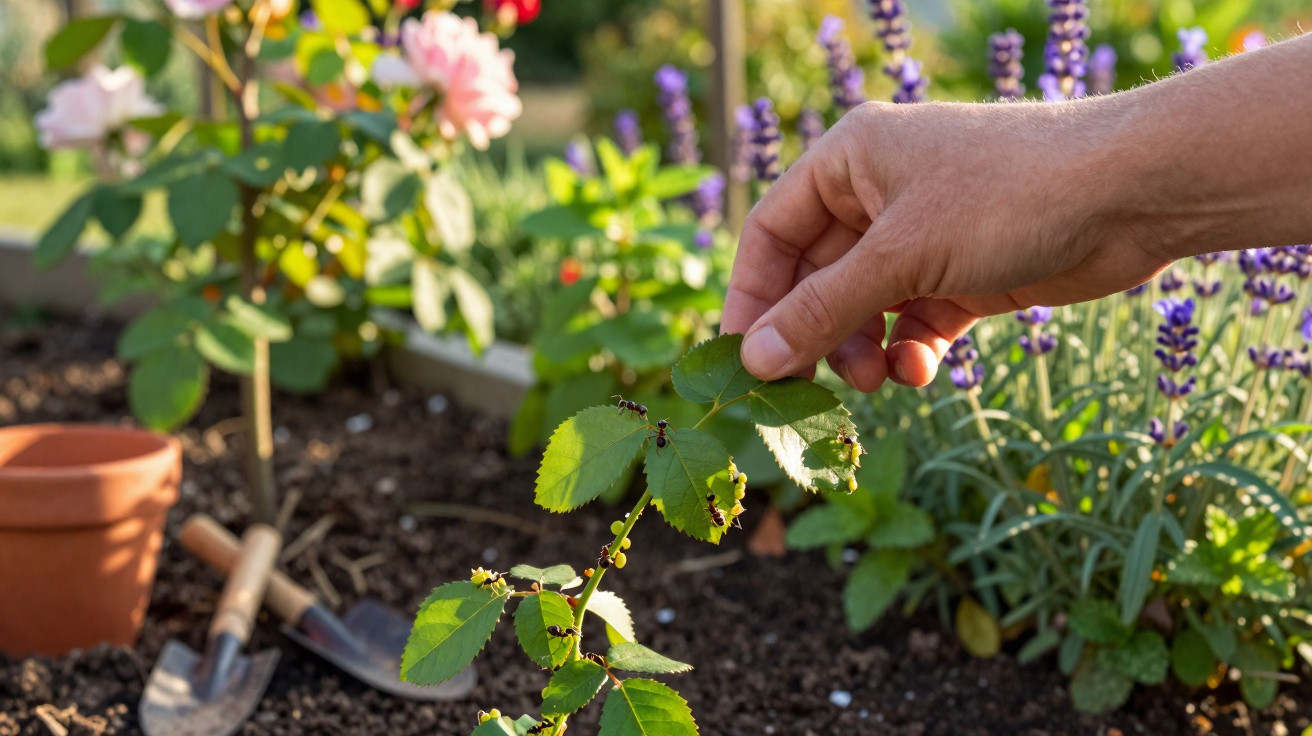
A few ants in the garden are perfectly normal - and can even be helpful. It only becomes unpleasant when whole colonies settle under the patio or right next to the house. Interestingly, the issue is often not the “wrong” control product at all, but particular plants (and pests) that seem to attract the insects like a magnet.
Why ants suddenly appear everywhere
Ants are as much a part of a garden as earthworms and birds. They aerate the soil, clear away dead insects and help disperse seeds. It turns into a nuisance when:
- large nests form right by patios, paths or house foundations,
- ants travel over the wall or balcony and make their way indoors,
- plants are weakened by whole colonies of aphids that ants “milk”.
If you respond only with baits, sprays or boiling water, you may be tackling the wrong place. The real trigger is often in the border - in the form of specific plants or pests.
“Ants rarely appear ‘out of nowhere’. Most of the time, sweet juices or aphids attract them deliberately.”
The hidden key: aphids rather than sugar
The most important reason for swarms of ants in the garden is surprisingly easy to miss: aphids. They cluster on stems and buds, feed on sap and excrete a sugary liquid known as honeydew. This sweet, sticky substance is a real treat for ants.
Ants effectively “keep” aphids like livestock. They defend them from predators, move them to fresh growth and collect honeydew in return. So if your garden has lots of aphids, you will often draw ants in - even if there is no exposed sugar or food waste anywhere.
Typical plants where aphids thrive
Aphids are especially common on:
- Roses - particularly on young shoots and buds,
- soft, newly sprouting perennials,
- young fruit trees,
- herbs with delicate stems, such as dill or fennel.
When these plants are close to the patio or right by the house, ants are more likely to build nests within easy reach. From there, it is only a short journey into the living room.
Which garden plants attract ants especially strongly
Alongside honeydew from aphids, sweet plant juices and fallen fruit are among the main reasons ant colonies build up in gardens. Some plant types are particularly prone to causing trouble.
Fruit trees as an ant magnet
Several classic fruit trees are well known for drawing ants in:
- Apple trees - damaged areas on fruit and bark can leak sweet sap that attracts ants.
- Plum and damson trees - very sugary fruit often cracks or gets pecked; fallen plums can ferment on the ground and lure whole swarms of insects.
- other pome and stone fruit varieties - wherever juice escapes, ants are quick to show up.
If windfalls and rotten fruit are left under the tree for too long, ants often create entire “road networks” around them. At the same time, aphids can do well there too - which reinforces the cycle.
Berry bushes with an unwanted side effect
Certain berries can also be involved when a few ants suddenly turn into a real problem:
- Raspberries - overripe or split fruit drips juice, and remnants left on the ground become a natural buffet.
- Redcurrants - especially on dense bushes, fallen berries collect and do not dry out well; this attracts ants as much as it attracts wasps.
In day-to-day gardening, it often goes unnoticed: you harvest, some fruit drops into the grass - and a few days later the first ant trails are running through the border.
When plants truly become a problem
None of these plants is “bad”. Roses, fruit trees and berries are valuable for pollinators and provide a harvest. What matters is where they are planted and how they are maintained.
| Situation | Risk of an ant infestation |
|---|---|
| Rose bed right by the front door | high – aphids + short route into the house |
| Fruit trees with lots of windfalls under the canopy | high – constant food supply |
| Berry bushes planted densely, poorly ventilated | medium to high – fruit remains stay damp for a long time |
| Individual fruit trees at the back of the garden | rather low – long way to the patio |
These plants help drive ants back out of the garden
Fortunately, you can also restore balance with planting choices. Some species are particularly unpleasant for ants, mainly because of their essential oils.
“Strongly scented herbs can break up ant trails and make nests less appealing in sensitive areas.”
Proven ant-deterring plants
- Wormwood - a strong, bitter scent that disrupts ants’ orientation.
- Thyme - contains compounds that can be irritating or even toxic to ants.
- Mint - a powerful aroma that masks other smells and blurs scent trails.
- Lavender - pleasant for people, but disturbing for many insects, including ants.
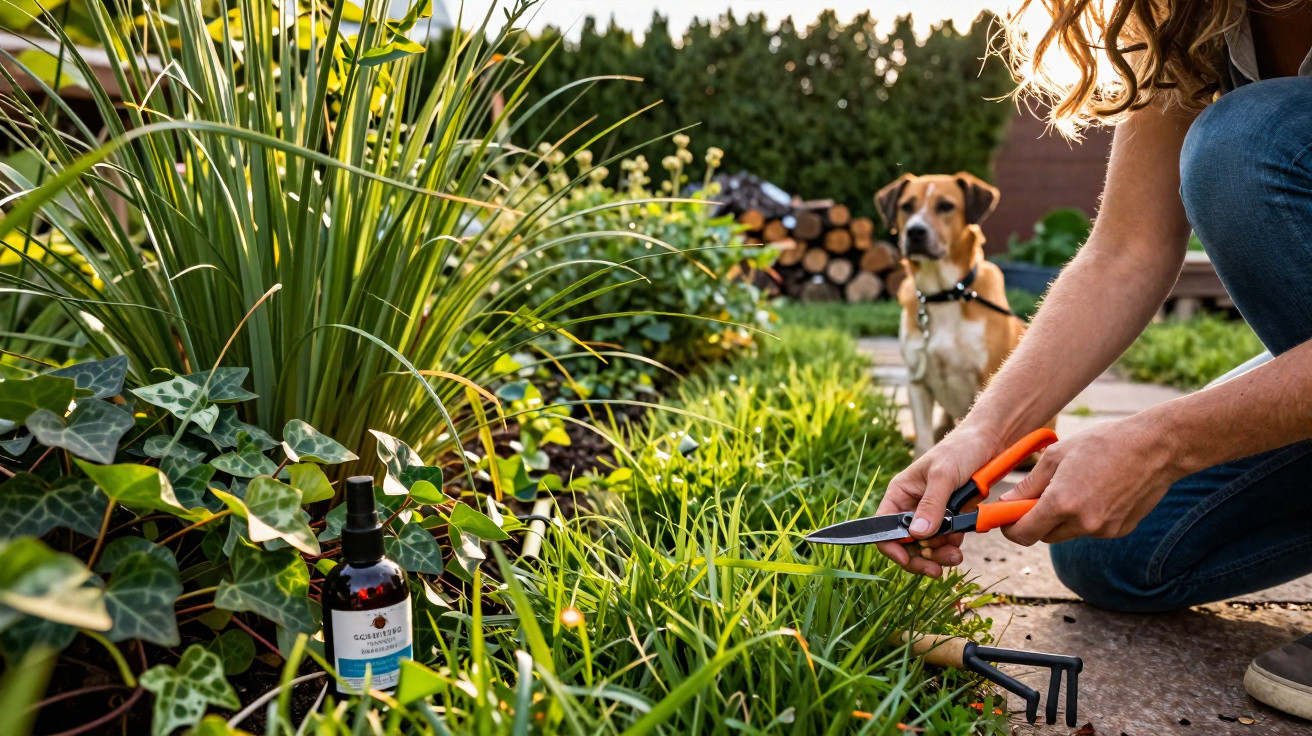
These herbs work well as edging along patios, paths and around house corners. They do not act like a “chemical fence”, but they can noticeably reduce ant activity close to where you live.
How to use the plants strategically
Good places to position these herbs include:
- as a narrow border strip along paved paths,
- in pots on a balcony or patio,
- at the base of walls and stairways,
- between rose bushes to make heavy aphid colonies less attractive.
If there is no space in the border, you can place dried sprigs or bundles of the herbs in affected areas and replace them regularly.
Practical tips to keep ants in check in the garden
Beyond plant selection, simple maintenance steps are often the most effective way to keep ants under control.
- Pick up windfalls consistently – the fewer fermented or split fruits left on the ground, the worse the buffet.
- Tackle aphids early – with a jet of water, beneficial insects or gentle shop-bought treatments.
- Watch ant trails – they reveal the real target, often a specific plant or a sugary spot.
- Encourage nests away from living areas – for example, by planting strongly scented herbs there and placing highly attractive plants further away.
Reaching straight for aggressive poisons can quickly harm other insects too. A better approach is a mix of smart planting, cleanliness in the fruit area and targeted control.
When ants start coming into the house
For many people, the surprising part is that an indoor ant issue often begins outdoors. If roses with aphids or an apple tree sit right against the house wall, ants may happily run their routes through cracks in the masonry or under door seals.
In that situation, setting out bait stations indoors alone is usually not enough. It is more effective to look for the cause outside:
- prune back or treat plants with heavy aphid infestations,
- move strongly attracting plants a little further away from the house,
- use scented herbs around the building.
When an ant nest can stay - and when it cannot
A nest at the far end of the garden, well away from the house, can usually be left alone. Ants do useful work there: they break down organic matter, eat dead insects and provide food for birds.
It becomes critical when nests:
- sit directly under slab paths or patios and start lifting them,
- appear in sandpits or children’s play areas,
- are located by foundations or inside masonry.
In these cases, it is often enough to make the nesting site less attractive - for example with strong scents, a changed surface, or by relocating particularly tempting plants.
Why taking a close look at plants is worth it
If you only associate ants with sugar in the kitchen, you will usually miss the key factor outdoors: the combination of aphids, sweet plant juices and neglected windfalls. A rose bed without aphid control or a fruit tree with constantly rotting fruit on the ground can feed ants throughout the year.
At the same time, well-placed herbs such as thyme, mint or lavender can help shift ant routes - away from the patio and living room and towards areas where they cause little disruption. Especially in built-up residential areas, this planting mix can make peaceful co-existence between people and insects much easier, without giving up harvests from fruit and berries.
Comments
No comments yet. Be the first to comment!
Leave a Comment