
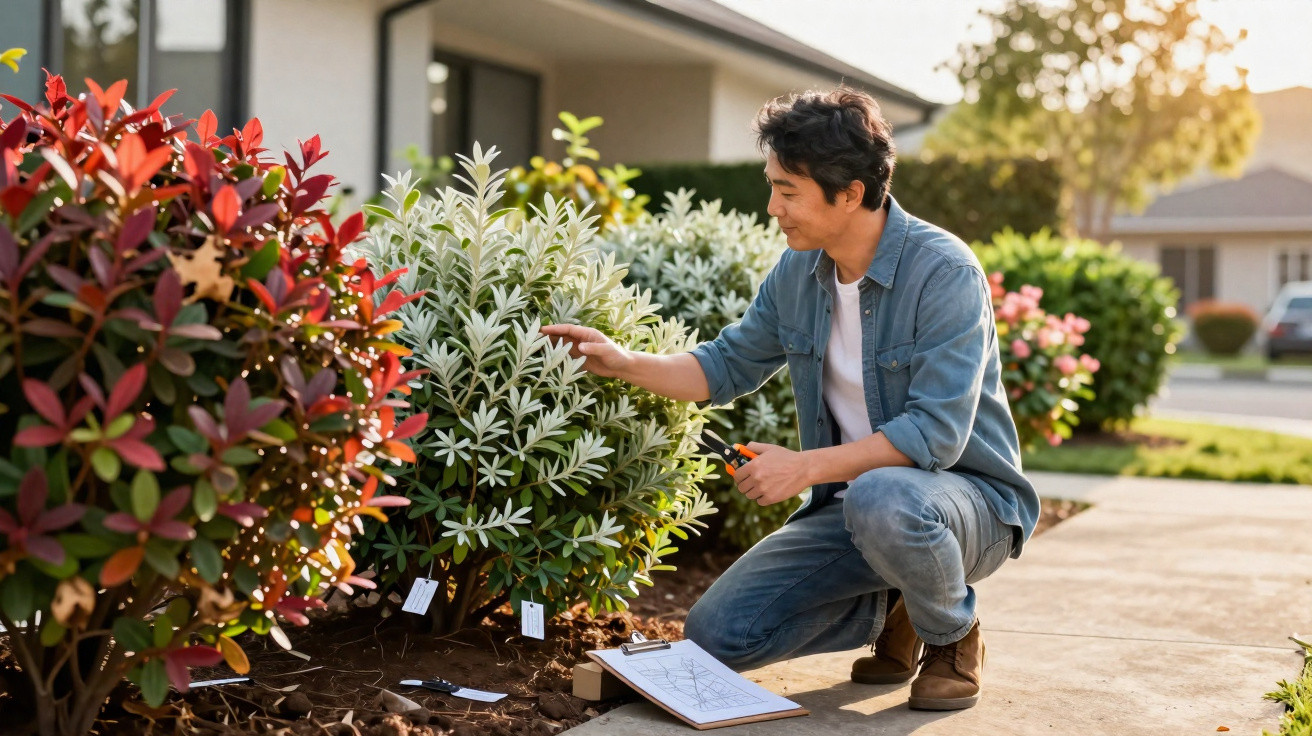
Homeowners usually spot it first at the fence line: instead of a dense, red-green screen, there’s suddenly a patchy framework of bare twigs. A fungal disease is hitting the much-loved Photinia shrubs hard - and landscape gardeners expect that, by 2026, whole estates will be swapping out their hedges. Another shrub is already waiting in the wings: noticeably tougher, and far less demanding day to day.
Why the standard red front-garden hedge is collapsing
For years, Photinia - often sold as the ‘Red Robin’ variety - was seen as the ideal hedge favourite: evergreen, fast-growing, with brilliant red new growth in spring. DIY stores and garden centres shifted it in huge quantities, and in many new-build neighbourhoods it became the default “living fence”.
Just as happened with the widely planted arborvitae before it, these shrubs are now paying the price for one big mistake: monoculture. When a hedge runs for tens of metres with only one plant species, any disease can travel through it almost unchecked.
With Photinia, the main culprit is a fungus. It often starts quietly, with tiny reddish spots appearing on the leaves. Within weeks, those marks turn into brown, sunken lesions. Leaves then yellow, droop, and eventually drop off.
“Specialists estimate that, in a single mild season, an affected hedge can lose up to a third of its leaf mass.”
The outcome is disappointing: instead of a thick privacy barrier, you’re left with uneven, hole-riddled growth that looks poor and no longer reliably blocks views.
How the climate is accelerating the Photinia crisis
The leaf-infecting fungus is benefitting directly from recent weather patterns. Milder winters, wet springs, and long spells of high humidity create perfect conditions for spores to spread from leaf to leaf.
- Extended damp periods encourage spore production.
- After rainfall, shrubs dry out more slowly.
- Tight planting distances make matters worse.
- Heavy nitrogen feeding leaves foliage even more vulnerable.
Many amateur gardeners respond with sprays, hard pruning, and constant tidying. To do it properly, you’d need to remove all infected leaves consistently, clean up the soil surface, and treat several times a year. That takes time and money - and often still tests your patience.
The quiet winner: why Pittosporum is moving to the front
While Photinia is struggling in hedge after hedge, another shrub is gaining ground: Pittosporum. It’s still something of an “exotic” choice in many UK ranges, but in milder areas it has long proved itself. It’s evergreen too, forms dense, fresh-looking cushions of growth, and - depending on the variety - offers attractive, often variegated foliage.
“Pittosporum typically grows only 20 to 30 centimetres per year, stays compact, and needs surprisingly little care.”
Its key advantages over Photinia:
- Lower susceptibility to leaf fungi and defoliation.
- More moderate growth, meaning less frequent cutting.
- Dense, glossy foliage that provides year-round screening.
- Reduced water demand compared with many classic hedge favourites.
For many homeowners, everyday hassle is a deciding factor as well. A Photinia hedge in a vulnerable state needs regular checking, clearing, and treatment. Pittosporum, by contrast, is usually fine with a light shaping cut once a year - and often a corrective trim every two years is enough.
A real-world case that’s playing out everywhere
A common scenario looks like this: a terraced house with roughly 20 metres of boundary, planted entirely with Photinia a few years back. For the first seasons it’s perfect - vivid red flushes and a solid screen. Then come several mild winters in succession, followed by damp springs, and the hedge starts thinning from the inside out.
Where there used to be a thick green-and-red wall, there’s now little more than a lattice of skinny branches. Neighbours can see straight onto the patio and into the living room. To turn it around, you’d be looking at severe pruning, fungicide use, meticulous leaf collection, and years of consistent follow-up.
Garden designers are increasingly recommending the same approach in cases like this: start again with tougher species - with Pittosporum at the top of the list - rather than continuing to spend money on a shrub that is clearly no longer coping in that spot.
Full replacement or a mixed hedge - which approach makes sense
If your garden already has a badly damaged Photinia hedge, the choice becomes fairly stark: try to rescue it or replace it. An individual plant that’s only slightly weakened can sometimes be stabilised with pruning, improved airflow, and adjusted watering. With long hedges containing lots of sick plants, however, the figures usually don’t add up.
Professionals also warn against one common mistake: simply planting new Photinia shrubs back into the same line. Fungal spores linger on fallen leaves, in the soil, and on older twigs. Newly planted specimens then begin life in an active infection hotspot.
“If you’re planting again, you shouldn’t just change the shrubs - you should rethink the whole hedge concept.”
Mixed hedges are more resilient - and more interesting to look at
Rather than relying on a single species along an entire boundary, contemporary garden plans favour mixed hedges. Typical combinations include:
- Pittosporum as the backbone shrub for dense privacy
- Elaeagnus ebbingei with silvery foliage for contrast
- Native species such as hazel or cornelian cherry
- Colourful shrubs such as red dogwood with striking winter stems
Planting this way spreads the risk. If a particular pest or fungus targets one species, the whole hedge doesn’t fail at once. You also gain flowers for insects, berries for birds, and a more varied look throughout the year.
What garden owners should do in practical terms when switching
Moving from a weakened Photinia hedge to Pittosporum or a mixed hedge works best when approached in clear steps:
- Remove heavily affected shrubs completely, including the root crown.
- Do not compost prunings; dispose of them via general waste or your local authority collection.
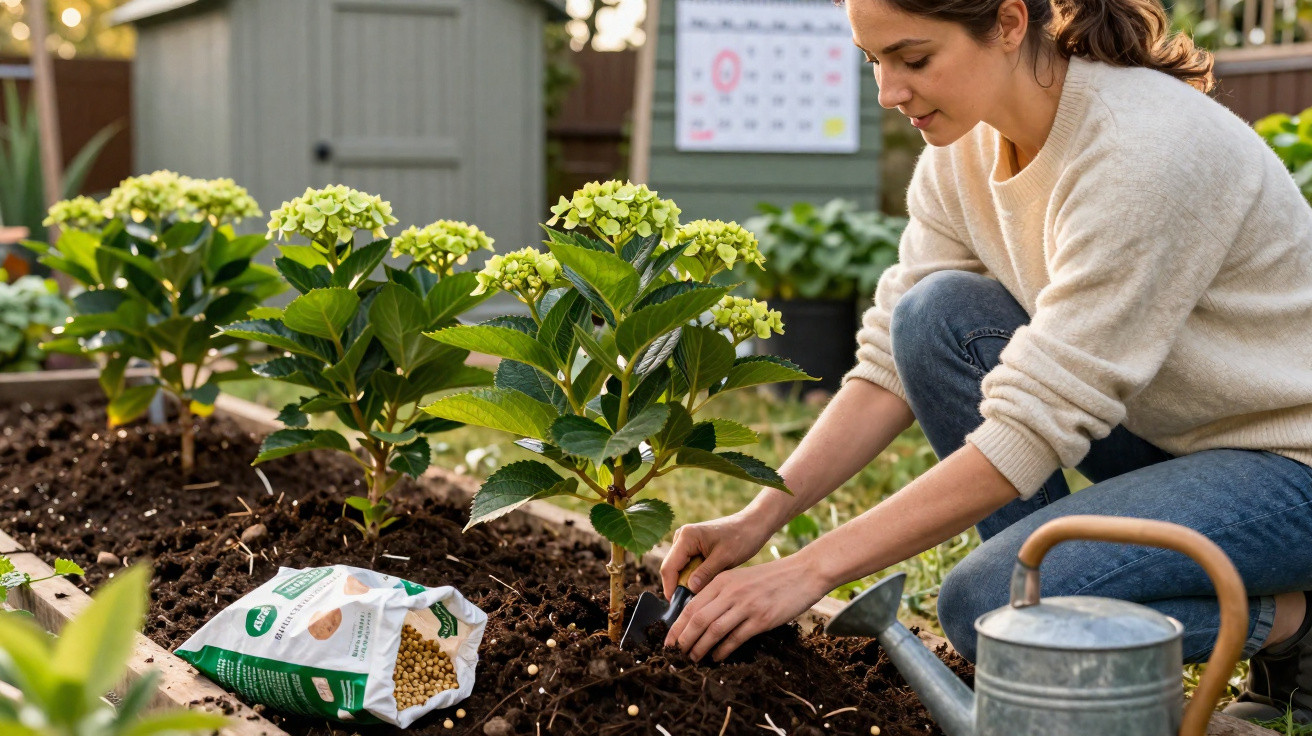
- Loosen the soil and, if needed, improve it with compost - but avoid high-nitrogen fertilisers.
- When replanting, mix species and allow generous spacing so air can circulate.
- Water regularly for the first two growing seasons, then irrigate more sparingly.
With Pittosporum in particular, it pays to choose the right cultivar. There are compact forms that stay around 1.5 metres tall, as well as stronger growers suitable for a 2-metre privacy hedge. Variegated leaves can brighten narrow gardens, while deep green types look calmer and create a strong backdrop for perennial beds.
How the trend affects climate, insects and maintenance effort
Rethinking a hedge changes more than the visuals. A diverse hedge, with differing root structures, tends to hold more water in the soil, supports birds and insects year-round, and usually requires fewer chemical interventions.
At the same time, a more resilient shrub such as Pittosporum eases the schedule: fewer cutting dates, no constant collection of infected leaves, and less worry about whether the hedge will survive the next wet spring. Many private gardeners underestimate how many hours they pour into propping up failing “standard” hedges - time that can often be reclaimed with a well-planned change.
One point is frequently overlooked: even a low-maintenance hedge is still a living organism. Pittosporum can also react badly to waterlogging, extreme heat, or unsuitable feeding. Avoiding soil compaction, watering in the morning rather than at midday during summer, and not reaching for the shears at every burst of growth all help a new hedge establish successfully.
For that reason, many garden professionals expect a visible shift by 2026 in densely built-up residential areas: away from red Photinia monocultures, towards mixed, more resilient hedge plantings - with Pittosporum as the calm, evergreen backbone.

Comments
No comments yet. Be the first to comment!
Leave a Comment