
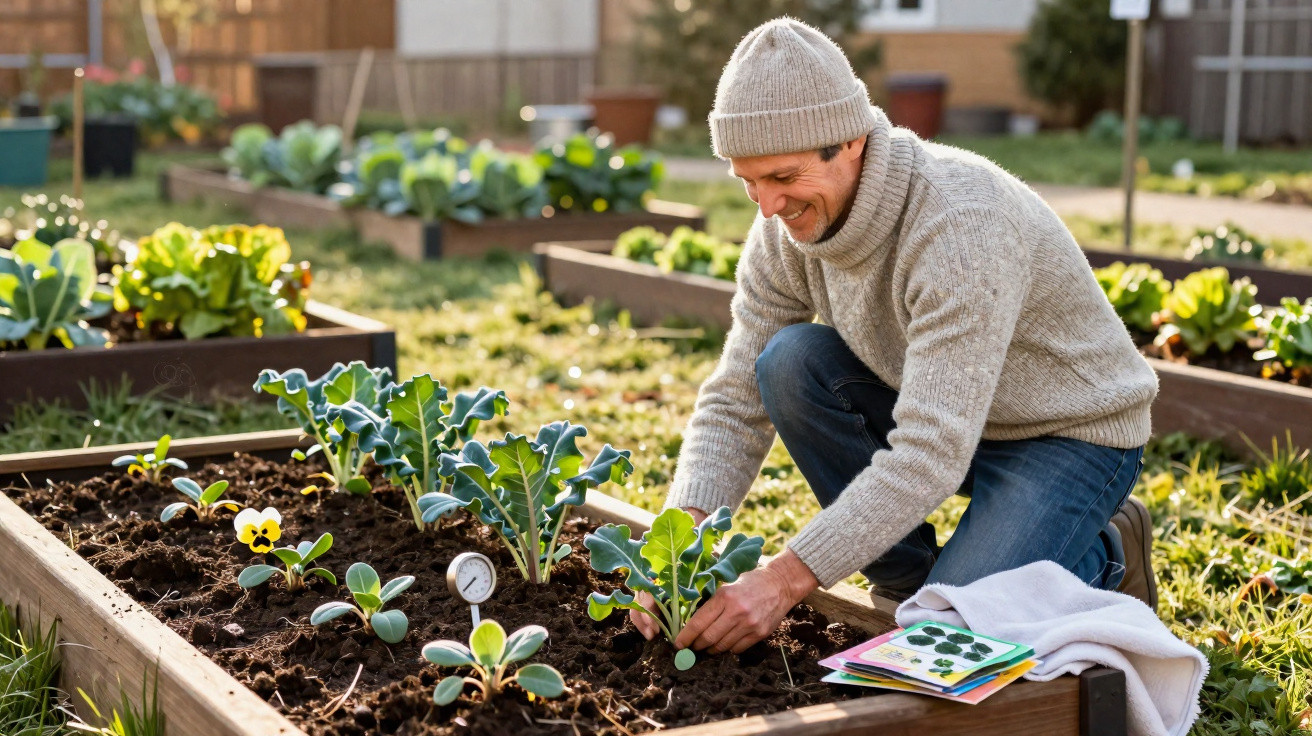
Plenty of amateur gardeners spend spring anxiously watching the calendar. The so‑called Ice Saints in mid‑May are often treated as a hard cut‑off: plant earlier and you’ll supposedly invite frost damage. Yet that caution can cost you valuable weeks in which tougher plants could already be settling in and putting on strong growth.
The Ice Saints: a weather guide, not a ban on planting
From 11 to 13 May, Central Europe statistically still sees noticeable cold snaps. After a run of mild days, clear nights can quickly bring ground frost back. That’s exactly what the traditional saying about the Ice Saints is warning you about.
Even so, there’s no need for the garden to stay bare until the middle of the month. What matters is which plants you’re putting in, and where they’ve come from. The most vulnerable are young plants that were raised indoors in a warm living room or kept in a greenhouse and have never experienced real cold.
"Hardy species suited to our climate usually cope with cool nights without trouble - heat‑loving delicate plants do not."
If you separate frost‑hardy from frost‑sensitive types, you can get started properly early in the year - and enjoy sturdier, more resilient plants once summer arrives.
Hardy flowering favourites: ornamental plants that can go outside early
A surprising number of ornamentals handle spring chills very well. Garden guides often name them specifically as reliable choices for the period before mid‑May.
Early bloomers for beds, balconies and graves
Particularly robust are:
- Pansies and violas (usually sold as “spring flowers”)
- Primroses
- Ranunculus
- Sweet alyssum, candytuft and other classic spring companions
They shrug off light night frosts. Brief sub‑zero temperatures may make them look droopy for a short while, but as soon as the sun returns they perk back up.
Perennial ornamentals with cold tolerance
Many perennials and shrubs don’t want to wait until after the Ice Saints at all. Planting them earlier gives them time to establish roots before summer heat and dry spells arrive.
Suitable options include:
- Aster species
- Autumn anemones
- Christmas rose and Lenten rose (Helleborus)
- Box
- Ornamental cherries
- Hardy geraniums (not to be confused with balcony pelargoniums)
With these plants, cold is rarely the main issue - waterlogging is. Chilly, wet soil can cause roots to rot. A free‑draining base improved with sand or grit helps excess water run off so plants stay stable through spring.
Fruit garden: the ideal time for many woody plants
Fruit trees and berry bushes often benefit from being planted early. While the soil is still cool and moist, they can focus on root growth. That gives them a head start going into summer.
Fruit trees and bushes you can plant before mid‑May
| Suitable types before mid‑May | Notable point |
|---|---|
| Apple tree | Very tough; well suited to cooler areas |
| Pear tree | Usually copes well with spring frosts |
| Cherry | Benefits from early planting; needs sun |
| Raspberries | Quickly produces new shoots; likes loose soil |
| Redcurrants / gooseberries | Very cold‑tolerant; ideal for beginners |
| Blackberries | Need space and a climbing support |
Peach and apricot trees are more sensitive. Their blossoms open early and tolerate frost poorly. If you want to plant them, choose a sheltered spot (for example, near a house wall) and still be prepared for possible losses in cold springs.
Vegetable garden: what can go out now - and what must wait
Vegetables follow slightly different rules. Many kitchen staples actually prefer fresh, cool soil. Others originate from warmer regions and react to cold with sulking at best - and death at worst.
Vegetables that genuinely thrive in the cold
There’s plenty you can do outdoors as early as March and April. Specialists even see advantages when certain crops go into the ground early:
- Peas and broad beans - germinate reliably in cool weather
- Carrots - happy in cool soil; slower to germinate, but dependable
- Radishes - perfect for the first sowing of the year
- Spinach and lamb’s lettuce - prefer mild temperatures over summer heat
- Potatoes - can be planted from around mid‑March; the soil acts like a protective blanket
- Garlic, onions and shallots planted early - produce fresh green growth within a few weeks
"Many hardy vegetables make use of the lingering chill of spring, while sensitive pests are not yet properly active."
Take care with Mediterranean favourites
It’s very different with heat‑loving veg. If you want them in open ground, patience is essential. This mainly includes:
- Tomatoes
- Courgettes and other squash family plants
- Melons
- Peppers
- Chilli
- Aubergines
Before mid‑May, these should only go outside with serious protection - for example in a heated greenhouse, a tightly closed cold frame, or under several layers of horticultural fleece. A single thin cover usually isn’t enough on clear nights with frost.
Herbs: which can go in the bed now - and which should stay warm
Not all herbs respond to cold in the same way. Some come from harsher regions and cope well with brisk nights; others are extremely frost‑tender.
Hardy culinary herbs for an early start
Safe choices outdoors include:
- Parsley
- Chives
- Mint
- Rosemary (depending on the variety and your area)
- Thyme
- Summer savoury
They can go into the ground or balcony planters early. If you’ve raised them indoors in late winter, place the pots outside in a sheltered spot during the day for a few days, then bring them back in at night - that gradual approach helps them adapt to wind and shifting temperatures.
Protect frost‑tender herbs a little longer
Basil is the clear exception. Even light frost can wipe it out completely, and temperatures only just above 0°C can still stress it badly. Keep basil somewhere warm until the nights are consistently mild - typically well after the Ice Saints. Only then does it truly thrive outdoors or on a balcony.
How to help young plants through cold nights
If you still want to begin a bit earlier, a few simple measures can make a big difference. Professionals call this “hardening off”: young plants are gradually trained to handle wind, sunshine and temperature swings.
- Put young plants outside only during the day at first, in a shady, wind‑sheltered spot
- Avoid direct midday sun in the first few days to prevent leaf scorch
- Extend the time outside a little more each day
- If night frost is forecast, bring pots indoors again or wrap them up well
In beds, plastic tunnels, cold frames, or a simple horticultural fleece draped over hoops can add a few degrees. That’s often enough to get young plants through a frosty night without damage.
Why planting early is still worth it
If you always play it safe and wait until after the Ice Saints, you can easily lose three to four weeks of growing time. Hardy plants set out earlier typically:
- root more deeply and cope better during dry periods
- crop earlier and for longer
- are more resilient against heat and pests
It also spreads the workload in the garden. If you plant fruit bushes, perennials and frost‑hardy vegetables in March and April, you’ll have more time in May for sensitive crops such as tomatoes or courgettes.
It helps to understand your own garden’s conditions. Low spots cool down more strongly on clear nights, while areas close to the house, next to walls, or under tall trees stay a little warmer. If you use these microclimates, you can plant some things earlier and protect others more deliberately.
So the real skill isn’t fixating on a date. It’s assessing each plant type realistically: plant the tough candidates early and protect the tender ones properly - and you’ll get the most out of the gardening year without panicking about the Ice Saints.


Comments
No comments yet. Be the first to comment!
Leave a Comment