
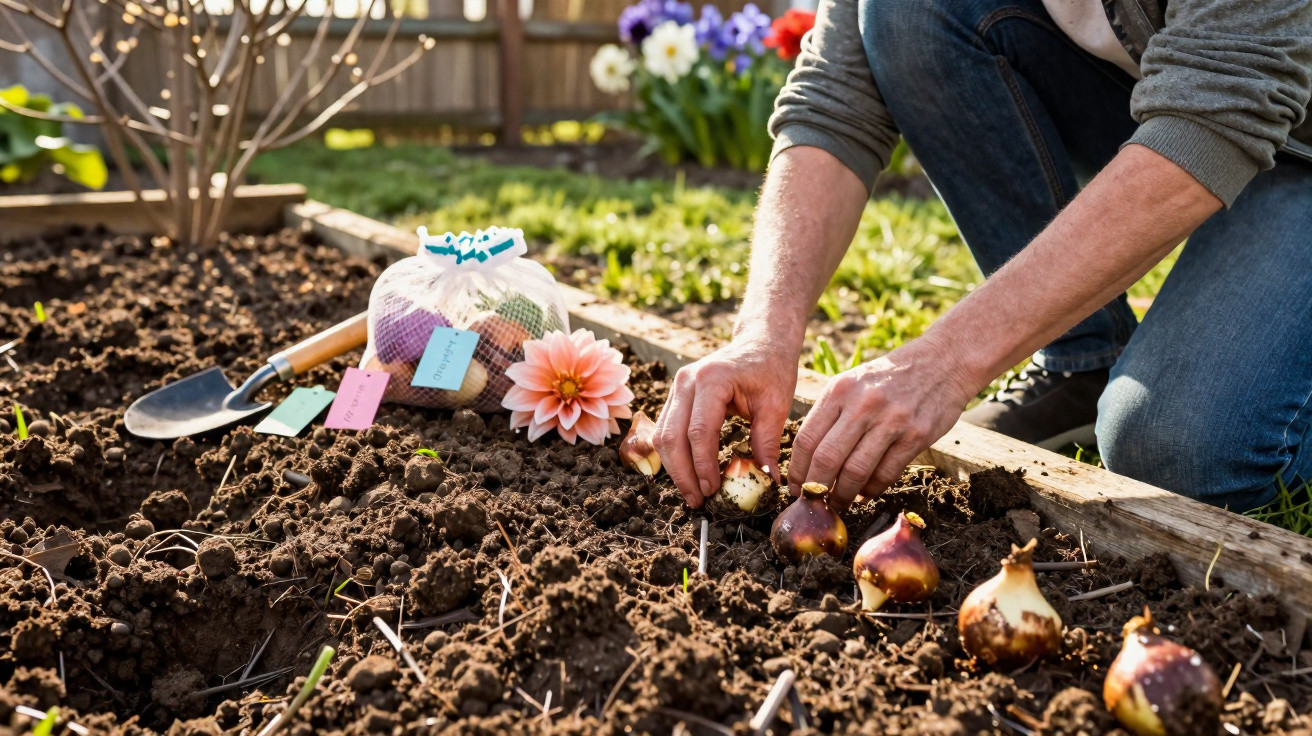
If you reach for a spade and trowel in March, you are setting the stage for a long run of flowers from June right through to autumn. Summer-flowering bulbs and tubers take advantage of soil that is still moist and days that are getting longer to build strong roots - and they repay you with sturdier stems, richer colour and noticeably more blooms.
Why March is a little-known sweet spot for summer bulbs
In March the garden can still look half-asleep. Under the surface, though, the warm-season programme has already begun. After winter, the ground is well watered, and at the same time temperatures start to creep up. That combination is exactly what many summer-flowering bulbs and tubers prefer.
"If you plant your summer bloomers in March, you give them a head start - and that pays off during hot spells with tougher plants and more flowers."
In areas with a mild climate, or in towns and cities, keen gardeners can start planting from the beginning of the month. In colder regions, higher uplands or typical frost pockets, it is wiser to wait until late March or April. In those places you can start more sensitive types in pots under cover first, then move them into the border later.
How to get bulb plants that really perform in summer
The most important step happens before you even go outside: choosing good planting stock. Bulbs and tubers should feel firm, show no bruising, and be free from mould or any rotten patches. Anything split, soft or badly shrivelled should go straight into the food-waste/green-waste bin.
The right soil makes all the difference
Summer-flowering bulbs do not like sitting wet. Waterlogging can rot them before you see any shoots at all. The best option is a loose, free-draining soil that does not stay saturated for days after rain.
- Lighten heavy clay with sand and compost
- In damp spots, create slightly raised beds or mounded ridges
- Work in compost, but avoid fresh manure
- For pots, plan a thick drainage layer of expanded clay or gravel
For planting depth, a simple rule of thumb applies: set the bulb about 2.5 to 3 times as deep as it is tall. A tuber that is 5 cm high should therefore sit at roughly 12–15 cm deep. Pointed tips go upwards; flatter tubers are laid in with the smooth side up.
Water in well after planting so the soil settles snugly around the bulb. After that, aim for evenly moderate moisture - it is better to water thoroughly now and then than to keep the ground constantly “wet”.
Protection from late frosts and wind
March weather is changeable. Night frosts are common, and a cold easterly can dry out young shoots quickly. If you want to play it safe, keep horticultural fleece or an old bedsheet to hand so you can cover fresh growth overnight when a cold snap is forecast.
Taller varieties - including many dahlias and gladioli - benefit from a support cane placed in the ground at planting time. That avoids having to add stakes later and helps prevent root damage.
Seven bulb classics that put on a real summer show
With the right choices, you can stretch flowering over a long period - from early summer to the first night frosts. The seven types below are considered especially dependable and are manageable even for hobby gardeners without professional experience.
| Type | Flowering period (approx.) | Position |
|---|---|---|
| Dahlia | July to October | Sun, nutrient-rich soil |
| Lily | June to August | Part shade to sun, humus-rich |
| Begonia (tuberous begonia) | July to autumn | Part shade, loose and humus-rich |
| Gladiolus | Summer | Sun, free-draining |
| Canna | July to autumn | Warm sun, very nutrient-rich |
| Crocosmia | July to September | Sun to part shade |
| Agapanthus (African lily) | July to August | Sun, pot or sheltered border |
Dahlias: an explosion of colour into autumn
Dahlias are among the most rewarding summer bloomers. Planted in March or April, they get off to a strong start and, if you deadhead regularly, can keep flowering into October. They prefer full sun and deep, fertile soil. Setting the tubers on a slight angle helps stop water collecting around the plant’s “neck”.
In colder areas, many gardeners begin dahlias in buckets or pots in a frost-free shed, then plant them out only after the Ice Saints (mid-May). That can bring flowering on even earlier.
Lilies: fragrance and height in the perennial border
Lilies add elegant flower spikes and often a strong scent. Key point: the soil needs to be loose and humus-rich, and the bulbs must not sit too wet. Many varieties cope well in part shade. The idea of a “cool foot, warm head” works well here: shade the base with ground cover plants while allowing sunlight to reach the flowers.
Tuberous begonias: bright colour for shady corners
A shady balcony or north-facing bed does not mean you have to go without summer flowers. Tuberous begonias bring bold highlights with large, often double blooms in hanging baskets, window boxes or low beds. Plant the tubers shallowly, only lightly covered with compost, and keep the soil consistently just slightly moist.
Gladioli: ideal for home-grown bouquets
Gladioli stand out with tall flower spikes in almost every colour. To stop stems bending in the wind, it pays to add a support cane early. A sunny, rather dry spot and a fairly deep planting depth help the plants stay upright. If you plant a small batch of corms every two weeks, you can noticeably extend the flowering season.
Cannas, crocosmias and African lilies: a touch of the exotic
Cannas bring a holiday feel to patios and front gardens. Their bold foliage - often red or patterned - and vivid blooms need plenty of feeding: compost, horn meal and regular liquid feed in pots. They thrive in sun and sheltered, low-wind positions.
Crocosmias form graceful, slightly arching sprays of flowers in orange and red tones. They suit wildlife-friendly gardens and prefer sunny, free-draining sites. In harsher areas, a winter mulch of leaves and brushwood is worthwhile.
The African lily, often grown in a container, looks almost Mediterranean with its large blue flower heads. It likes a snug pot, free-draining compost and lots of sun. In winter it should be kept frost-free; in summer a spot by a house wall or on the terrace is usually enough.
Practical tips for a long, flower-filled season
If you do not want to be replanting all summer, a few straightforward routines make a big difference. Naturalising types, such as some crocosmias, can stay in the bed for longer, while frost-tender tubers such as dahlias, cannas or many gladioli should be lifted in autumn and overwintered frost-free in a cellar.
Regular deadheading - removing spent flower heads - stops plants wasting energy on seed. Instead, they are encouraged to form new buds. A potassium-rich feed supports sturdy stems and strong flowering, whereas too much nitrogen simply produces lots of leafy growth.
Risks, common mistakes and how to avoid them
Most problems come down to two things: too much wet and too much cold. Rot caused by waterlogged soil and late frost damage to fresh shoots can be greatly reduced with free-draining compost, slightly raised beds and a simple layer of fleece. Slugs love young growth, especially on dahlias. Putting out slug collars early, or using barriers such as copper tape, helps protect more sensitive varieties.
Placement in the border matters too. Tall plants belong towards the back, with shorter ones at the front, so nothing is hidden. If you factor in mature heights at planting time, you avoid later moving and patchwork rearranging.
How to combine summer bulbs cleverly
Things get really interesting when the seven types above are not used alone, but planned alongside perennials or annuals. Dahlias pair well with ornamental sage or cosmos, lilies with lady’s mantle and catmint. Cannas look excellent with grasses, which amplify their exotic feel.
For a succession of colour, combine earlier lilies with dahlias and gladioli that flower later. That way the border stays appealing from June into autumn. And it all starts with a comparatively unremarkable job: a handful of plain-looking tubers and bulbs going into the ground in March - then taking centre stage at the height of summer.

Comments
No comments yet. Be the first to comment!
Leave a Comment