
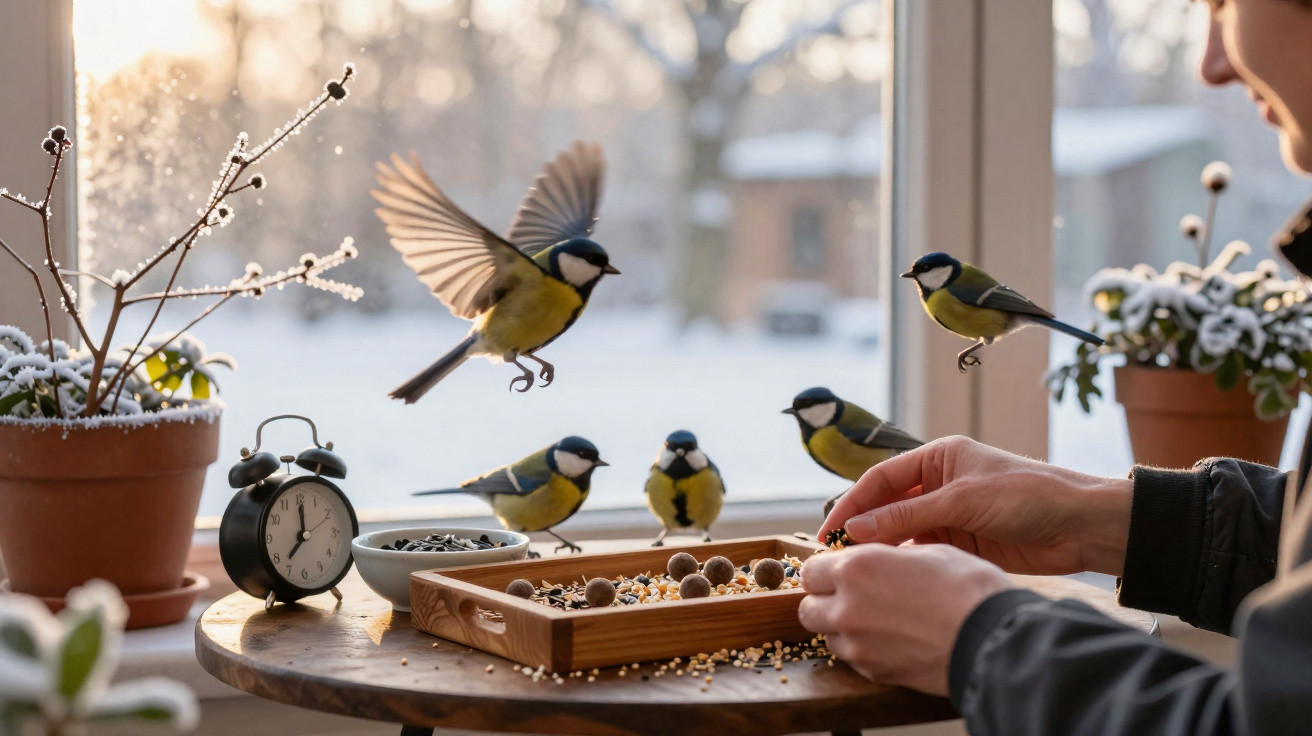
Many garden owners wonder why the tits are in full swing next door, while there is yawning emptiness just outside their own patio doors. The good news is that it’s rarely down to having the “wrong” garden - almost always it comes down to timing, food and routine. If you understand how these birds organise their day, you can deliberately turn your garden into a popular winter meeting spot.
Why tits need your garden right now
Tits are among the most noticeable winter visitors around the home. Their blue-and-yellow or green-and-yellow plumage, quick movements and bright calls add life to grey days. At the same time, these small birds fight for every calorie during the cold season.
Out in the wild, winter offers them far fewer insects, larvae or seeds. Every foraging trip costs energy - and, above all, time. If you provide a dependable supply, you help them through the toughest part of the year - and you’re rewarded with daily visits right outside the window.
"In winter, tits prefer to use a small number of reliable feeding stations rather than constantly searching for new sources."
This is exactly where it’s decided whether your garden makes it into the birds’ morning flight plan - or doesn’t.
The best time: when tits show up reliably
For regular visits, the key factor isn’t the feeder itself, but the time of day. Tits have an impressively accurate sense of timing. They remember when a feeding spot pays off - and shape their daily routine around it.
Feeding before or at sunrise
If you want to draw the birds in consistently, offer food at the same time every day - ideally early in the morning:
- Put food out no later than just before sunrise
- Stick to the same time as closely as possible each day
- Top up at weekends and on bank holidays too
Right at the start of the day, birds need fuel to make up for the cold night. If they can count on food in your garden at that moment, they will routinely visit your spot first. If the feeding station is empty in the morning, they will move on to other, more dependable options.
"If you stock your feeding station at the same time each morning, tits will often be waiting for you almost to the minute after just a few days."
Why late mornings don’t help much
Plenty of people refill the feeder only when they leave for work - or later in the morning when they have a moment. For the birds, that is often already too late: by then they’ve usually completed their first major forage and will only call at familiar, consistently productive places.
So, if you’re wondering why your neighbour’s garden is buzzing with activity even though both spaces look similar, check the clock. A difference of just one to two hours can determine which feeding station is built into the birds’ daily schedule.
Consistency beats chance: routines for your winter garden
Tits are sensitive to irregular feeding. If there’s plenty of food one day and none the next, the feeding station quickly becomes less appealing. The birds then waste unnecessary energy searching elsewhere.
A practical approach: treat feeding like a fixed appointment.
- Feed at the same time every day
- Don’t keep moving the feeding station around
- If you’re away briefly, ask neighbours or friends to step in
- Choose feeders that won’t run empty too quickly
"Consistency pays off: a simple, fixed morning routine is enough to keep tits coming back to your garden in the long term."
What belongs on the menu - and what doesn’t
Even perfect timing won’t achieve much if the food is wrong. In winter, tits mainly need energy in the form of fat. That’s the only way they can maintain body temperature through frosty nights.
Energy boosters for cold nights
The following foods have proven especially effective:
- Black sunflower seeds: very high in energy, easy to open, ideal for tits
- Fat balls without nets: best placed in dedicated holders so birds can’t get tangled
- Peanuts (unsalted, without shells): only in feeders, so they don’t go mouldy
- Fat-and-seed rings or blocks: a useful extra when there’s heavy demand
Avoid table scraps such as bread, seasoned leftovers or salted nuts. They can harm birds and also attract rats.
Keeping food hygienic
Dirty or wet food can spread disease. A quick check when you top up in the morning is usually enough. Remove clumped leftovers, occasionally clean the feeder with hot water, and replace old feed if it has become damp.
More than food: making your garden a safe refuge
Food is only part of the equation. Tits are far more likely to visit gardens that also offer cover and structure. You can achieve this without much effort:
- Shrubs and hedges: provide hiding places from cats and birds of prey
- Unmown corners: supply insects and seeds, especially outside feeding times
- Nest boxes: already useful in winter as sleeping places on frosty nights
- Water source: a shallow dish that, in winter, ideally doesn’t freeze over completely
"A structured garden with shrubs, nest boxes and water is visited far more often than a perfectly tidy but bare lawn."
Legal and ethical aspects of winter feeding
Wild birds are protected in many areas. The purpose of a feeding station is not to tame birds or to “feed them up”, but to provide additional energy in a critical period. They should remain independent at all times and always have free choice.
Anyone who feeds birds takes on responsibility: keep the feeding area clean, ensure nothing becomes a trap, and never put out toxic or harmful leftovers. A well-run feeding station supports biodiversity and also offers fascinating wildlife watching right at the window.
Common mistakes - and how to avoid them
| Mistake | Consequence | Better approach |
|---|---|---|
| Irregular feeding | Birds avoid the spot and look for other sources | Fixed time and a daily routine |
| Putting food out late in the morning | Birds have already scheduled other locations | Put food out shortly before or at sunrise |
| Bread and kitchen scraps | Health risk and pests in the garden | High-quality seed and fat mixes |
| Fat balls in nets | Risk of birds becoming tangled | Use net-free products in holders |
Extra tips for more bird visits
Once you’ve seen how punctually tits can be waiting at the feeder in the morning, many people take it a step further. It can be sensible to run two smaller feeding stations rather than one large one. This reduces crowding, and more timid species are often more willing to approach.
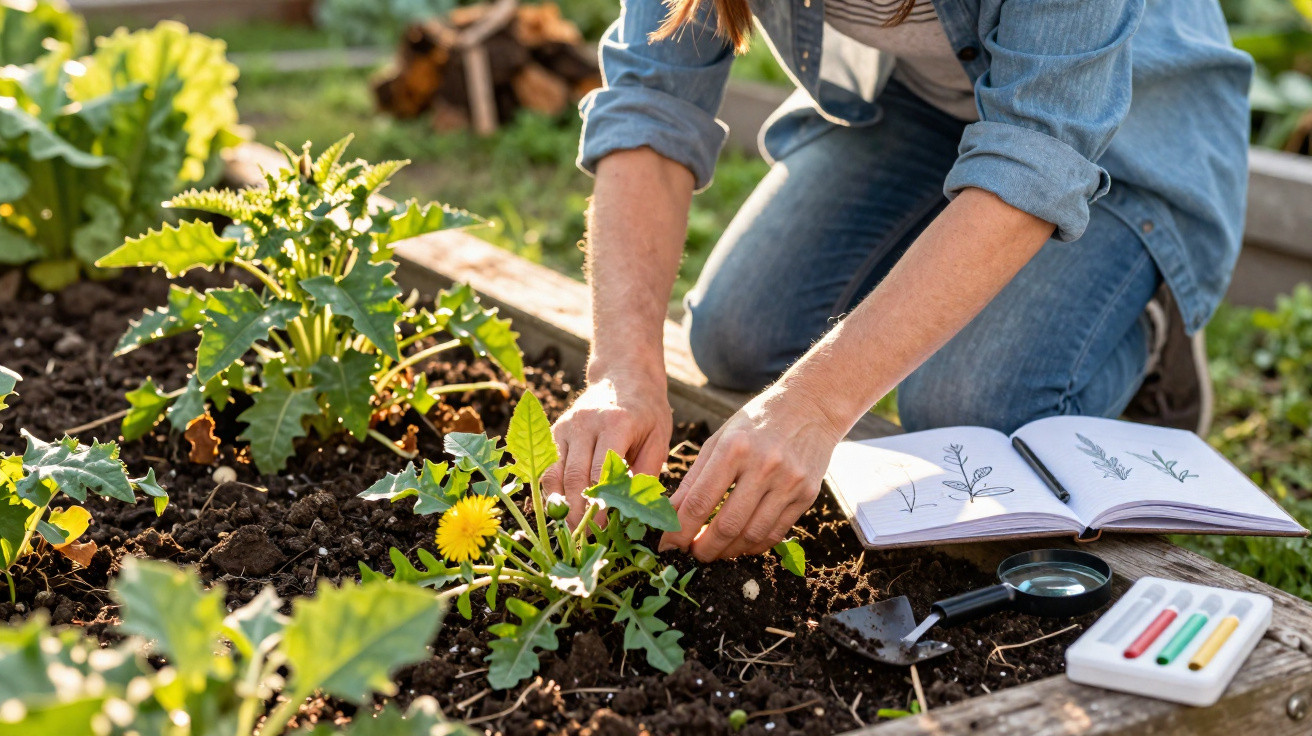
It can also become a great activity for children: if feeding time and observation turn into a shared morning ritual, they learn a lot about species, behaviour and seasonal patterns along the way. A simple notebook is enough to record which birds appear and when - and how that changes with weather and temperature.
The term “winter feeding” is also frequently misunderstood: in many areas, it makes sense not to stop the food supply abruptly in March, but to phase it out gradually. That way, birds can shift back towards natural sources more smoothly. Even so, the period when a fixed early-morning time window matters most is clearly during the coldest months.
If you take all of this on board - a reliable early-morning time, energy-rich food, a clean feeding station and a structured garden - you can turn a quiet corner into a lively meeting place for tits and other winter birds in no time. And in most cases, it only takes a few days before your new morning regular appears almost to the minute.
Comments
No comments yet. Be the first to comment!
Leave a Comment