

Skunks are far less common in Central Europe than in North America, but dealing with “smelly intruders” has become a global issue - whether it’s in your own garden, on a campsite, or while travelling in Canada and the USA. Anyone who has had that sharp odour cling to their clothes usually wants the same thing: to get the animals to move on quickly, safely, and as humanely as possible.
Why skunks move into gardens in the first place
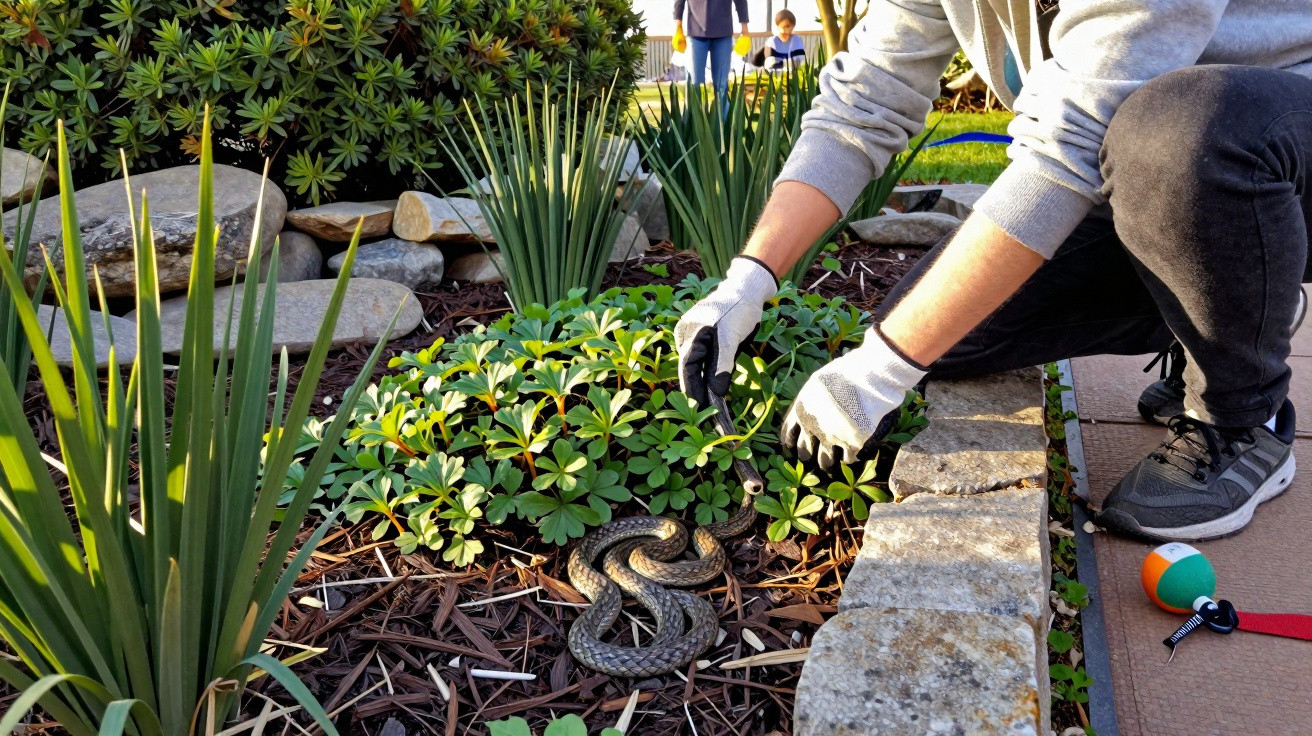
Before you try to drive skunks away, it helps to understand how they live. These striped nocturnal visitors operate on a simple checklist: food, shelter, and peace. A property becomes attractive the moment it provides those basics.
“If you understand what attracts skunks, you can make your garden deliberately unappealing - and prevent repeat visits.”
Common attractants around the home
- Unsecured bins: leftovers, cat food, barbecue scraps - an all-you-can-eat spread for omnivores.
- Untidy gardens: wood piles, dense shrubs, clutter - perfect hiding places.
- Insects and grubs in the lawn: skunks relish chafer grubs, beetle larvae, and other soil-dwellers.
- Open voids and cavities: gaps under decks, summerhouses, or sheds make ideal dens.
Skunks are most active at dusk and at night. After sunset, they leave cover, often follow regular routes, and move back and forth between their den and feeding spots. If you can identify these paths, you’re already one step ahead.
How to tell whether a skunk has moved in
That distinctive smell is only one clue - there are other tell-tale signs:
- Small, funnel-shaped holes in the lawn, usually only a few centimetres deep, made while hunting for larvae.
- Footprints with five toes and visible claws in damp soil.
- Droppings containing insect fragments or small seeds on paths, borders, or along walls.
- Noises under timber decking or inside/under sheds, particularly soon after nightfall.
If several of these signs appear repeatedly, it’s wise to act promptly - before the animals settle in long-term or even raise young.
Sealing buildings: how to block skunks’ access
The most dependable approach tackles the root cause: skunks must not be able to get under your deck, house, or shed in the first place. That means putting in tough barriers made from wire mesh or metal.
“Once you seal things properly, the property usually stays skunk-free for the long term - far less stressful than constantly chasing them off.”
Spotting weak points around your home
Do a thorough walk-around of your property and check systematically:
- Areas beneath timber decks, porches, steps, and sheds
- Gaps between foundations and the ground
- Openings around pipes, vents, and old cracks in masonry
- Holes in fencing or spaces beneath garden walls
Skunks can squeeze through openings of around 10 cm. Even gaps that seem minor can be enough.
How to build effective barriers
- Install wire mesh: bury galvanised wire mesh or sturdy aviary mesh at least 60–90 cm deep.
- Create an L-shape: bend the bottom section outwards at a right angle so animals can’t simply dig straight underneath.
- Secure the top edge: bring the mesh slightly above ground level and finish it neatly with timber, sheet metal, or concrete edging.
- Close small gaps: cover openings around pipework, light wells, and vents with fine mesh or sheet metal.
Timing matters. During the period when mothers are raising young (in North America, typically May to August), you must not seal an animal inside a den. In that window, so-called one-way doors are useful: the animals can leave, but they can’t get back in.
Smells, water, light: natural methods to deter skunks
If you don’t want to set traps, you can rely on deterrents that make the area unpleasant enough for skunks to leave on their own.
Disturbance using movement, light, and water
Technical aids can react to movement in the dark and scare animals off without harming them:
- Motion-activated bright lighting disrupts their nighttime routine.
- Sensor sprinklers deliver a brief jet of water when something approaches.
- Ultrasonic devices emit sounds that are barely audible to people but can bother some animals.
These tools work best along known travel routes and at entrances to potential hiding spots.
Using scent deterrents strategically
Skunks have a very sensitive sense of smell - and you can use that to your advantage. Many products are available commercially, and some options can be improvised.
| Deterrent | How to use it | Duration | Best location |
|---|---|---|---|
| Predator urine (granules or spray) | Apply around property boundaries | 2–4 weeks | Fence lines, transitions to fields or woodland |
| Hot chilli/capsaicin spray | Apply to soil only, not to edible plants | 1–2 weeks | Entrances under decks, near bin areas |
| Cloths with ammonia solution | Place in open containers | 3–7 days | Directly under sheds or porches |
| Motion-activated sprinkler | Install once and adjust as needed | One full season | Lawn, borders, vegetable garden |
After rainfall, many products need reapplying or their effect fades quickly. Children and pets should not come into direct contact with strongly irritating substances such as capsaicin or concentrated ammonia solution.
Plants skunks tend to avoid
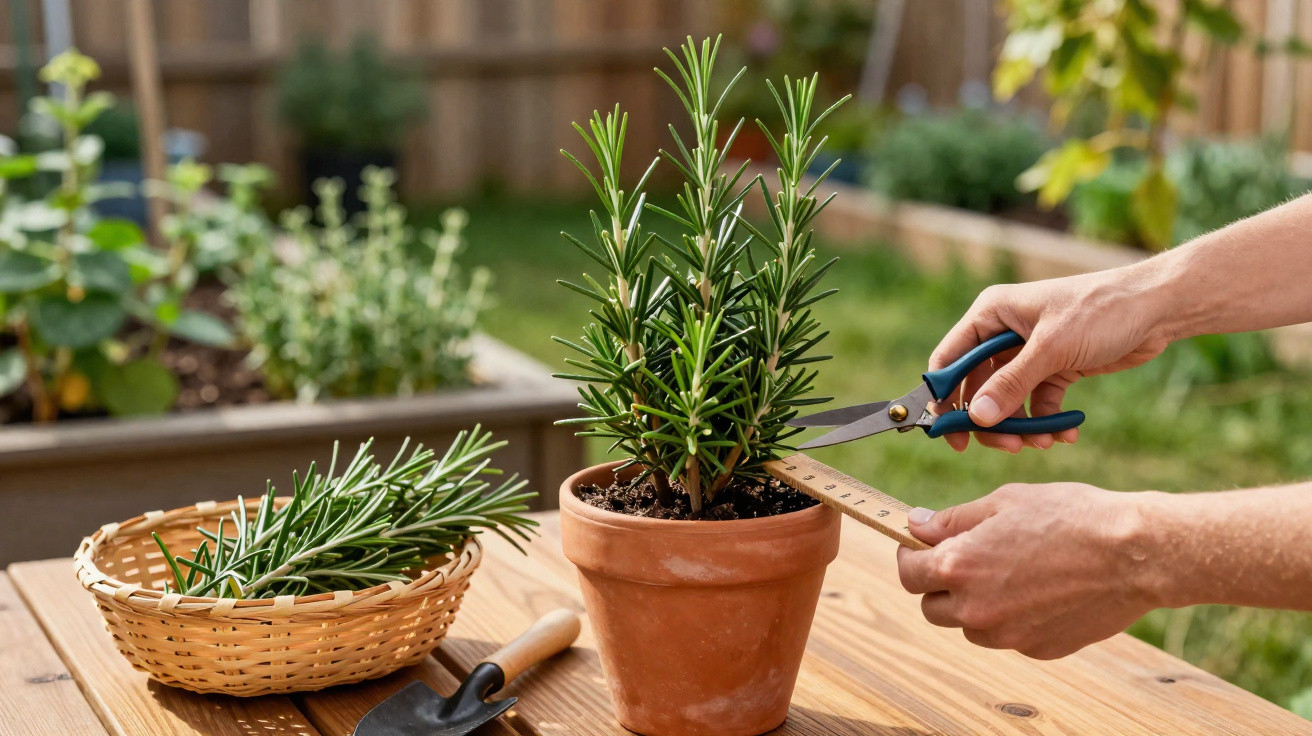
Planting choices also affect whether wildlife feels comfortable. Border planting with strongly scented herbs can look attractive while also serving a purpose. Good options include:
- Lavender
- Rosemary
- Thyme
- Peppermint (best kept in a pot, as it spreads aggressively)
These herbs tend to discourage many animals, while still attracting bees and other beneficial insects. The result is a garden that supports helpful wildlife but is far less appealing to skunks.
When to call in professionals - and what they do
If the smell persists despite your efforts, the animals keep returning, or you suspect there are young in the den, it’s time to hand things over to a specialist.
“Licensed wildlife teams know the legal requirements, remove skunks properly, and help avoid dangerous mistakes involving traps or poison.”
What wildlife professionals typically provide
- A thorough inspection of the house, garden, and surrounding area
- Setting and monitoring live traps, where permitted
- Transporting animals in line with current regulations
- Permanent proofing and sealing of affected areas
- Advice on long-term garden layout and bin storage
In many areas, strict rules apply to trapping and killing wild animals. Taking matters into your own hands can lead to fines or animal-welfare issues. Before doing anything yourself, it’s worth a quick check with your local authority or the relevant landowner/gamekeeper.
Long-term strategy: plan your garden so skunks don’t come back
Once you’ve moved the current visitors on, the real work begins: prevention. A well-kept - but not sterile - garden can steer wildlife behaviour rather than trying to eliminate it entirely.
Controlling food sources without stripping nature
Leaves, spent flowers, and old seed heads can be left in place - they matter to many insects and birds. The key is to tidy selectively:
- Collect fallen fruit regularly, especially in high summer.
- Use bins with tight-fitting lids and don’t leave food waste beside them.
- Secure compost with a sturdy lid or mesh to keep larger animals out.
- Deal with heavy pest infestations in the lawn early, so it doesn’t become a “grub bar”.
If you organise your space so there’s still food for birds and insects - but no open buffet for larger wildlife - living alongside nature becomes far less stressful.
Putting the risks of a skunk visit into perspective
Skunks can seem more threatening than they usually are because of their smell. They rarely attack proactively, typically warn with defensive postures, and spray only when they feel cornered. Even so, their presence does come with some risks:
- Strong, long-lasting odour on clothing, furniture, and pets
- Damage to lawns and borders from digging
- Possible disease risks within the wider range of wildlife illnesses (varies by region)
- Stress for dogs and cats that decide to confront them
If you want to protect children and pets, it helps to avoid encounters altogether - for example, keeping dogs and cats indoors at night during problem periods. Motion-activated lights along common routes also greatly reduce surprise run-ins.
Practical tips for an emergency - when it already smells
Sometimes you only realise there’s a problem after things have already escalated. If a skunk has sprayed, these steps can help:
- Take off affected clothing outdoors immediately and store it separately.
- Wash affected outdoor surfaces with plenty of water and a little washing-up liquid.
- Use specialist pet deodorisers from a reputable supplier rather than ordinary shampoo.
- Ventilate rooms thoroughly; where possible, dry textiles in sunlight.
Many home remedies (such as tomato juice alone) often do very little. Specialist enzyme-based odour removers break down the characteristic sulphur compounds far more effectively.
Keeping a long-term eye on your property - from bins and lawn care to plant choice - significantly reduces the chances of skunks turning up. And if a striped visitor does appear again, you’ll be ready to act quickly before the smell lingers.




Comments
No comments yet. Be the first to comment!
Leave a Comment