
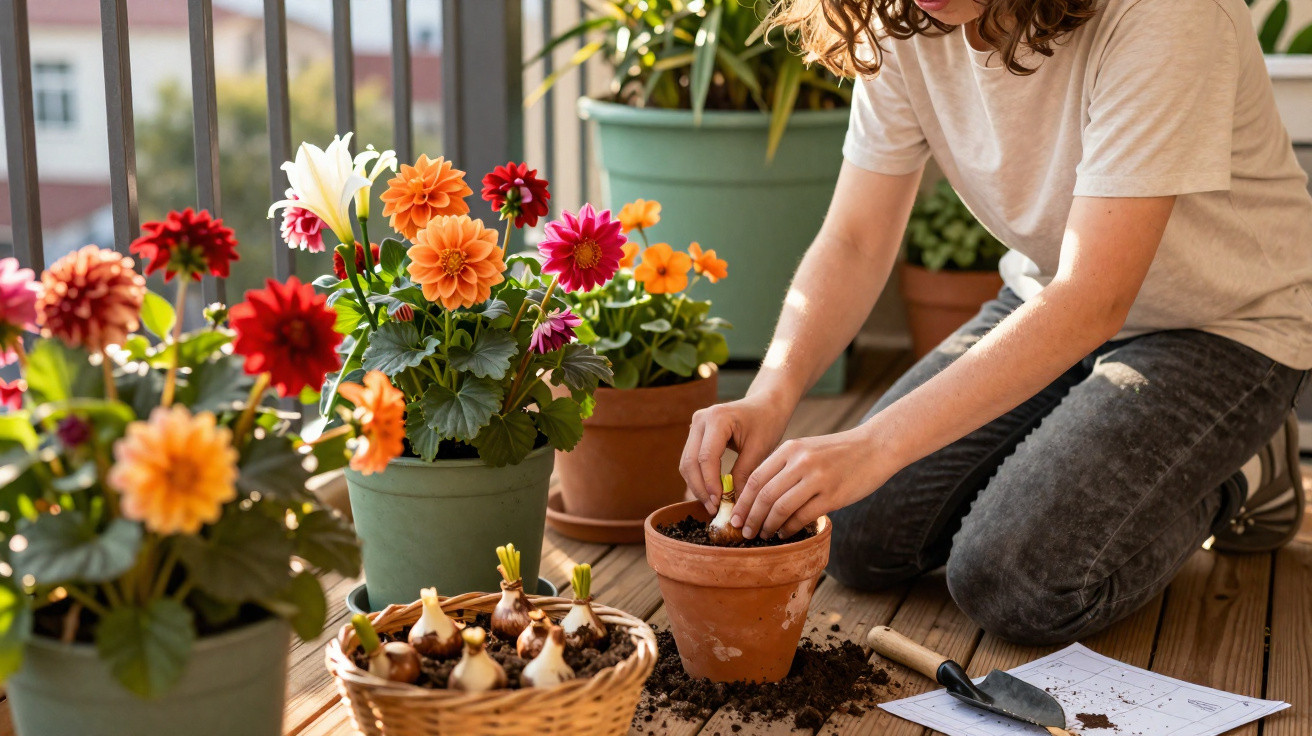
After winter, everything can look grey and bare – but one straightforward spring planting trick can turn dreary corners into a summer firework display.
Anyone who chooses the right flower bulbs between February and the end of May can expect a surprise just a few months later: lush beds, fragrant containers on the balcony and colours that look almost holiday-like. Better still, many of these bulbs return year after year when cared for properly.
Why spring-planted flower bulbs save the summer
When people think of bulb plants, tulips and daffodils planted in autumn usually come to mind first. Yet they alone are not enough for a spectacular high-summer display. Summer-flowering bulbs and tubers – from dahlias to monkey flowers – take over when the spring blooms have long faded.
Summer bulbs planted in spring flower in the same year and can last for several seasons.
The reason is simple: by the time these plants reach the shops, they have generally already completed their cold period. Plant them in free-draining soil once frost is no longer expected, and they will get going within a few weeks.
Soil that remains waterlogged in winter is a key concern, as standing water causes tubers to rot. In containers, create a drainage layer with expanded clay pellets or gravel; in beds, improve heavy soil with sand or fine grit.
How to plant bulbs correctly
Whether you are dealing with traditional bulbs, tubers, rhizomes or corms, the same basic principles apply.
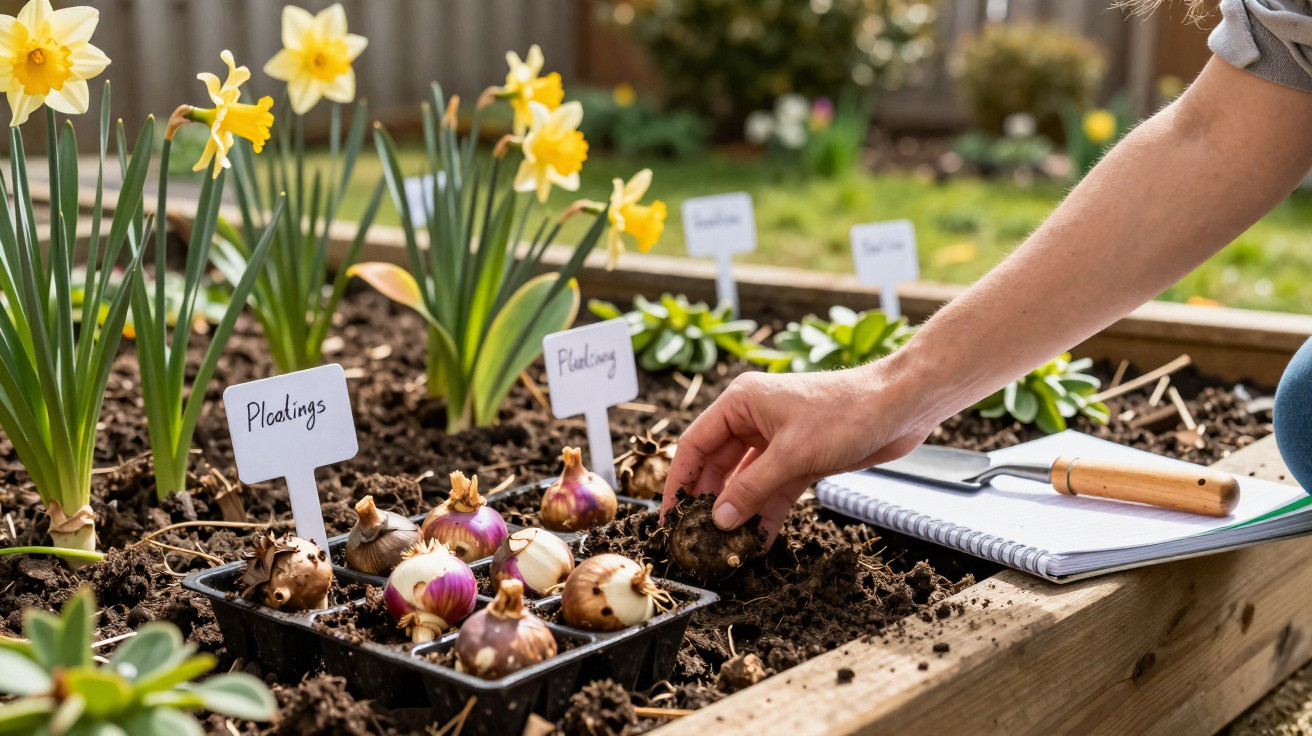
- Place the bulb or tuber with its point facing upwards.
- Dig a hole only deep enough to leave around twice the bulb’s height covered with soil.
- Firm the soil gently so that no air pockets remain.
- Water after planting to encourage quick root development.
- For containers: add a drainage layer at least two finger-widths deep at the base.
In borders, these plants are best arranged in groups. Individual plants can easily disappear visually. Planting three, five or seven together creates a much stronger effect and gives the garden an almost professional look.
The 10 most important summer bulbs for balconies and gardens
The following ten types cover almost every setting, from a shaded city balcony to a terrace baking in full sunshine.
1. Amaryllis for exotic summer flowers
Most people know amaryllis as a Christmas windowsill plant. However, outdoor varieties are also available: they need a warm, sunny position and well-drained soil. Their huge, exotic flowers stand on sturdy stems and immediately draw attention.
In mild areas, the bulbs can remain in the ground, although lifting them before the first frost is usually worthwhile. Stored somewhere dry and cool, they will perform again the following year.
2. Anemones as delicate clouds of flowers
Anemones produce fine, almost floating blooms on short stems. They are ideal along the front of a border, among perennials or as a loose carpet beneath shrubs. Planted in groups, they create a true blanket of flowers.
They prefer humus-rich, relatively loose soil and partial shade. A covering of leaves protects them in severe winters, while in mild areas they can remain in the ground without difficulty.
3. Tuberous begonias for difficult shady corners
Tuberous begonias are a lifeline for north-facing balconies and dark courtyard corners. They flower tirelessly even without direct sunlight, and their densely double blooms can look almost like miniature roses.
After the first cold spell, it is best to store the frost-sensitive tubers dry in a box, lightly covered with soil or sawdust. Replant them in containers or borders in spring.
4. Caladiums for colourful jungle appeal
Caladiums have rather inconspicuous flowers, but their huge leaves in white, pink, red and green are their real strength. This makes them look like living design pieces for partially shaded terraces or courtyards.
Their tubers need warmth, so do not plant until nights are genuinely mild. For winter storage, keep them dry at around 21 to 24 degrees, for example indoors or in a warm cellar.
5. Cannas as tropical giants
With their large leaves and vivid flower spikes, cannas bring a Caribbean touch to containers and borders. They enjoy full sun, cope well with heat and appreciate plenty of water and nutrients.
The rhizomes are easily damaged by frost, so lift them in autumn, remove most of the soil and store them frost-free. They can even be divided in spring, making it easy to increase your own stock.
6. Crocosmias for fiery colour accents
Crocosmias, also known as montbretias, produce bright orange or red flowers on elegant, gently arching stems. They suit naturalistic borders and attract butterflies and bees.
In mild locations, they can survive winter in the ground beneath a thick layer of leaves or mulch. In colder areas, it is better to lift the tubers and protect them in the same way as dahlias.
7. Dahlias as the stars of summer borders
Dahlias come in countless forms: tiny and simple, enormous and double, in pastel shades or brilliantly bold colours. They are among the most reliable long-flowering plants from July into autumn.
Dahlias provide flowers for vases for weeks – regular cutting encourages new blooms.
Do not plant the tubers in the ground or in containers until after the last frosts in late May. Lift them in autumn, dry them and store them at 1 to 7 degrees, such as in a cool cellar. Crucially, do not forget labels, so you still know which variety is which in spring.
8. Gladioli for dramatic cut flowers
Gladioli are classic choices for tall flower arrangements. By planting fresh corms every two weeks, you can extend the flowering period well into late summer.
They prefer a sunny, sheltered site because their long stems can bend easily in the wind. Tall varieties benefit from a support cane. Lift the corms after the first frost and store them in dry conditions.
9. Lilies for fragrance and elegance
Lilies add an elegant touch to a border. Many varieties are strongly scented, and some are almost intoxicating. They grow just as well in containers as in beds, provided the soil stays loose and free-draining.
The neck of the bulb should never sit in water. Plant them slightly deeper where possible, then add a loose mulch layer on the surface. Most lilies overwinter without being lifted, as long as the site does not become too wet.
10. Tuberoses for an evening terrace
Tuberoses may not look especially striking at first – until their fragrance becomes noticeable in the evening. Their white flowers release an intense scent that is particularly effective beside seating areas or paths.
They need warm positions and light soil. Lift the tubers in autumn, dry them thoroughly and store them frost-free.
Which position suits which bulb?
The right combinations can create a varied display even in the smallest space.
| Position | Suitable types | Particular benefit |
|---|---|---|
| Full-sun border | Cannas, dahlias, crocosmias, gladioli, lilies, tuberoses | Tall, colourful backdrop, ideal for screening |
| Bright balcony | Dahlias, gladioli, amaryllis, cannas | Strong container flowers that are easy to support |
| Partial shade | Anemones, tuberous begonias, caladiums, some lilies | Colour and structure where little else flowers |
| Shady corner | Tuberous begonias, caladiums | Foliage and flowers brighten dark areas |
How bulbs survive for many years
Anyone who does not want to buy new plants every year should handle their treasures correctly in autumn. Types from warmer regions, including dahlias, cannas, tuberous begonias, caladiums and tuberoses, cannot withstand hard frost.
- Lift them before the first severe frost.
- Shake off loose soil without washing it away.
- Leave them to dry for several days in an airy, dry place.
- Then store them in crates or cardboard boxes with a little dry growing medium.
- Keep them dark, frost-free and on the cool side.
In mild wine-growing regions, many amateur gardeners take the risk of leaving dahlias and similar plants in the ground, simply covering them with a thick mulch layer. In harsher climates, lifting is worthwhile; otherwise, losses can be substantial by spring.
Practical tips for small spaces and balconies
Even without a garden, the whole display can be created in containers. Large pots measuring 30 to 40 centimetres in diameter offer enough room for a combination of three to five bulbs plus companion planting, such as low grasses or mat-forming perennials.
A simple but effective arrangement for a city balcony is:
- At the back: one canna or tall dahlia as a focal point.
- In the middle: two gladioli or lilies for vertical lines.
- At the front: tuberous begonias or anemones as a colourful edging.
Regular watering and a little liquid feed every two weeks will reward you with flowers for months. Pots dry out particularly quickly on covered balconies, so it is worth setting a watering-can reminder in your calendar.
What many people underestimate about summer bulbs
Several terms repeatedly cause confusion. Tubers, bulbs and rhizomes often get blurred in everyday use. For practical care, one rule is enough: anything that needs lifting in autumn should be stored dry and frost-free. When planting, avoid setting them too deeply, prevent waterlogging and water thoroughly after planting.
If you choose fragrant varieties such as lilies and tuberoses, bear your neighbours in mind: the intense scent will not appeal to everyone. In that case, place a container so the fragrance spreads more towards your own seating area than onto the neighbouring balcony.
The real interest begins when you cleverly combine different flowering periods. Early anemones, mid-season dahlias and late-flowering gladioli can keep a border lively from June to October. With a little planning, just a few square metres can become a summer garden that is barely recognisable.
Comments
No comments yet. Be the first to comment!
Leave a Comment