
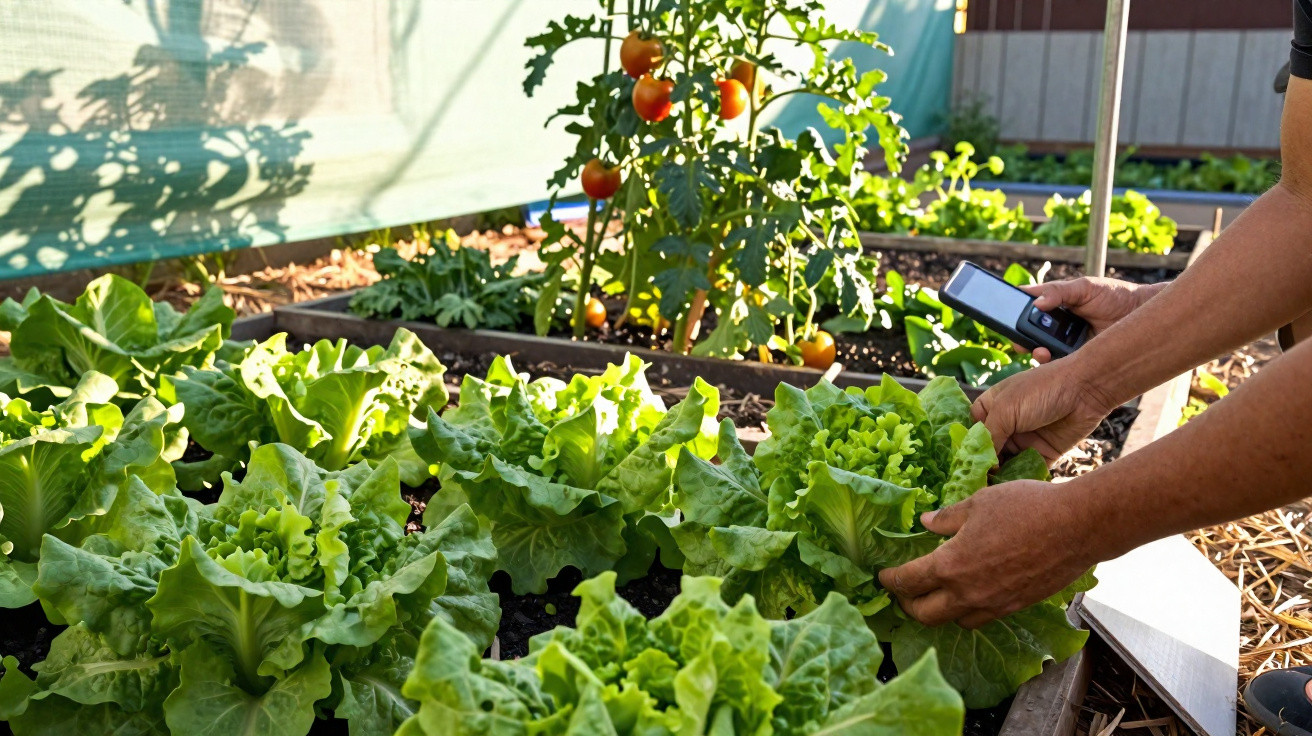
Warm weather, chilled salads and a neat line of delicate green rosettes make buttercrunch lettuce seem undemanding. Its requirements for sunlight, however, are far more particular.
It is easy to assume lettuce can be planted in any spare corner of the garden. For buttercrunch, that relaxed approach can result in bitter foliage, plants that bolt and lacklustre harvests. This tender, buttery favourite has clear demands for light, warmth and timing - but meeting them can transform the contents of your salad bowl.
How much sunlight buttercrunch lettuce really needs
Buttercrunch is not a vegetable that wants uninterrupted full sun. It belongs in the “partial sun” category.
For most gardens, buttercrunch thrives on around four to six hours of direct sun each day, with protection from harsh afternoon heat.
The ideal amount varies with the season and temperature:
| Season | Direct sunlight per day | Best exposure pattern | Typical temperature range |
|---|---|---|---|
| Early spring | 6–8 hours | Full sun works well | 7–18°C |
| Late spring | 5–6 hours | Preferably morning sun | 13–24°C |
| Summer | 4–5 hours | Morning sun only | Above 24°C |
| Autumn | 6–7 hours | Full sun works well | 10–21°C |
During cool spells, buttercrunch will happily take sunshine all day. When temperatures rise beyond about 24°C, though, that same exposure becomes harmful. The plants begin rushing towards flowering, the leaves become tougher, and their signature buttery texture is lost.
Why light intensity matters as much as sunlight hours
Two gardens may each provide “five hours of sun” yet grow markedly different lettuce. Light intensity is the reason: a mild spring morning in Maine bears little resemblance to a scorching afternoon in Arizona during July.
Buttercrunch prefers bright but gentle light, especially in the second half of the day.
In warmer regions, gardeners commonly rely on:
- Lightweight shade cloth with 30–50% coverage, supported on hoops
- Taller crops, including tomatoes, beans or cucumbers, to provide partial shade
- Fences and walls that screen out the strongest afternoon sun
Filtered sunshine - whether it passes through shade cloth or falls through the dappled canopy of taller crops - still supports photosynthesis. At the same time, it keeps leaf temperatures lower and reduces stress-related issues.
Signs your buttercrunch lettuce has the wrong light
Warning signs of insufficient sun
Buttercrunch grown in heavy shade seldom resembles the smart, compact heads pictured on seed packets. When light levels are too low, watch for:
- Elongated, leggy plants reaching towards the closest source of brightness
- Pale or yellowing foliage rather than deep green leaves
- Slow development and small, loose heads
- Less resilient plants that are more prone to fungal disease
When buttercrunch gets fewer than four hours of direct sun, it usually sacrifices both flavour and yield.
Warning signs of excessive sun
At the opposite extreme, harsh and constant sunlight causes a different set of problems:
- Brown, crisp leaf margins, often known as tip burn
- A tall flowering stem appearing much sooner than expected, known as bolting
- Noticeably bitter leaves, including young ones
- Wilting at midday even when the compost or soil is moist
Bolting is commonly triggered when intense sunshine combines with temperatures above 27°C. As soon as this begins, the plant directs its energy away from leaf growth and into seed production, effectively ending the useful salad harvest.
Best places to plant buttercrunch lettuce for ideal light
Light is not simply a matter of total hours. You also need to consider exactly where sunshine falls in your garden as the day progresses, particularly around trees, fences and buildings.
For many home gardens, an east-facing bed is the safest bet for buttercrunch: bright mornings, gentle afternoons.
These placement approaches are consistently useful:
- East-facing beds: These receive morning sunshine and shade from early afternoon, making them a good option in most climates.
- South-facing beds in cool areas: They are helpful in spring and autumn, when extra sunshine is beneficial rather than damaging.
- The northern side of structures: In summer, placing lettuce north of a fence, wall or established perennial border can reduce the most severe afternoon heat.
- Containers: Pots and troughs can move with the seasons - into brighter conditions in March and shadier spots in July.
This degree of planning may seem overly precise, but it can determine whether you harvest a sweet, tender head or lettuce that tastes like a punishment.
How to adjust sunlight with straightforward growing methods
Using shade cloth and structures
For committed salad growers, shade cloth is often essential equipment. Fabric rated at 30–50%, secured over basic PVC or bamboo hoops, can make an otherwise hostile bed suitable for lettuce during the hottest part of the year.
Think of shade cloth as sunglasses for your salad bed: you still get light, just not the harsh glare.
Relying on plant partnerships
Companion planting can provide shade while also increasing the harvest from the same area. Buttercrunch grows well between rows of:
- Climbing beans or peas trained on trellises
- Sweetcorn or sunflowers acting as a living screen
- Tomatoes or cucumbers supported on stakes
Sow the lettuce a little earlier, then allow the taller crops to assume the shading role as temperatures rise. Below them, the ground remains cooler and the lettuce receives shifting, broken shade rather than fierce overhead sun.
Using ground covers and reflective surfaces
Low clovers and other living mulches can help regulate soil temperature and maintain more consistent moisture. In the cooler months, reflective mulches - including pale-coloured fabric - can direct additional light back towards the leaves. This supports spring and autumn crops without increasing their actual hours of sunshine.
Light management and harvest quality
All this attention to sunlight is reflected in what reaches your plate. Under suitable light, buttercrunch develops leaves that are substantial but tender, with its familiar silky texture and mild, almost sweet taste.
Stable, moderate light throughout the growing period produces dense, uniform heads and fewer tough, bitter outer leaves.
The timing of the harvest matters too. Cutting leaves early in the morning, once the plants have cooled and replenished moisture overnight, generally produces the crispiest and juiciest results. By a hot late afternoon, those same plants may appear weary and feel limp.
Consistency is especially important for growers supplying restaurants or markets. Lettuce raised in hot, unshaded conditions may look much the same at first glance, but chefs will notice the stress through increased bitterness, quicker wilting and a shorter shelf life.
Practical scenarios for different gardens
On a compact urban balcony exposed to strong afternoon sunshine, a useful arrangement could be a narrow buttercrunch trough beside the railing, with lightweight shade cloth attached to the rail above. The plants receive bright conditions from breakfast until lunchtime before moving into filtered shade. Watering once in the early morning helps to minimise stress.
In a larger suburban garden, a grower could plant two rows of lettuce along the north side of a tomato bed. At first, the small tomato plants leave the lettuce in full sunshine during cool April weather. By June, the vines have climbed their supports and create a patchy canopy above the developing lettuce just as temperatures begin to increase.
Although these arrangements appear very different, both use the same approach: provide a dependable period of sunshine early in the day, then protect the crop from searing afternoon intensity.
Extra tips and common mistakes to avoid
Two technical terms often arise when growing lettuce: “bolting” and “tip burn”. Bolting describes the plant’s rapid move into flowering, prompted by warmth and long days. Once a central stem starts to develop, flavour normally deteriorates. Tip burn, meanwhile, is the browning around leaf edges. It is often linked to a mismatch between fast growth, powerful sunlight and the plant’s ability to transport calcium and moisture to the tips of its leaves.
New growers often think both issues result solely from insufficient water or nutrients. Yet light and temperature are also major factors. Frequently, the quickest remedy is not extra fertiliser, but 30 minutes less intense sunshine and cooler soil.
Careful control of light, combined with regular watering and restrained feeding, gives buttercrunch a “low-stress environment”. In those calmer conditions, it does what it does best: builds layers of soft leaves into a compact rosette that looks modest in the bed, then transforms your salad bowl when it reaches the kitchen.



Comments
No comments yet. Be the first to comment!
Leave a Comment