
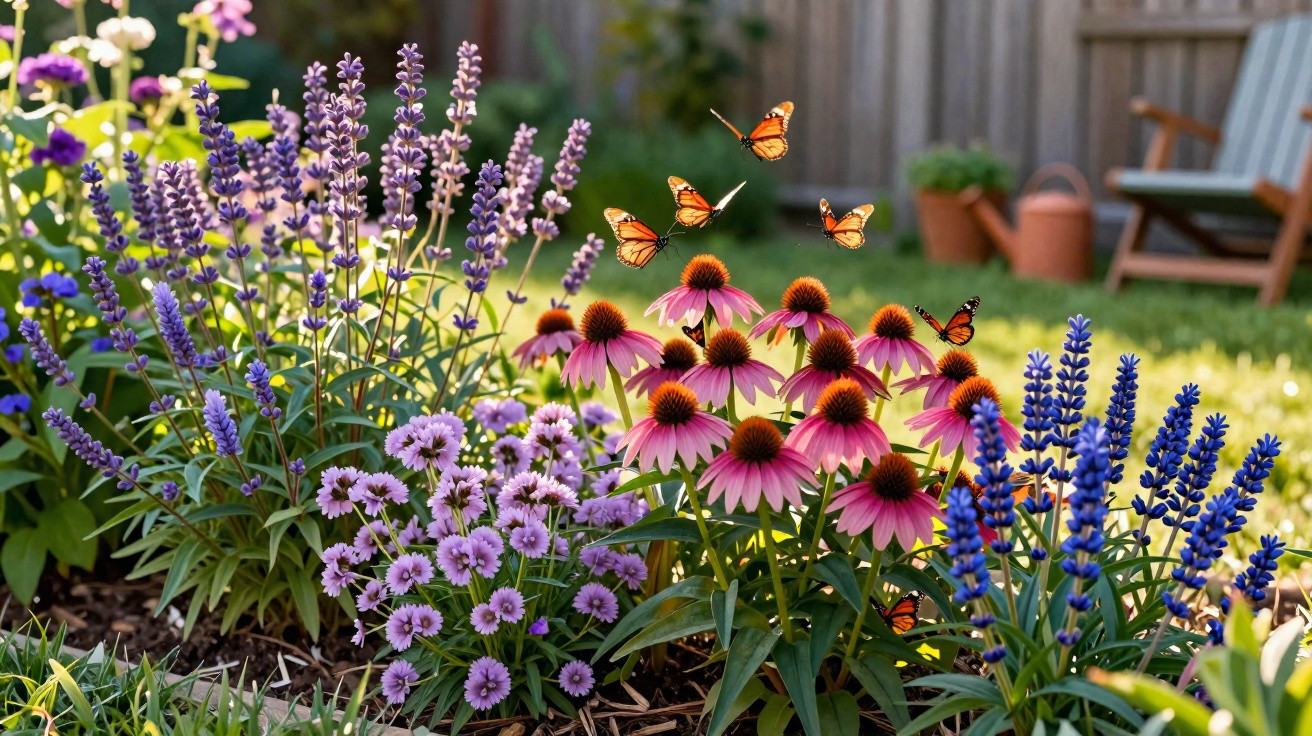
Many keen gardeners would love a lively flower border filled with fluttering butterflies and buzzing bees, but they shy away from the effort. Constant watering, feeding, weeding - who really fancies that? A smart planting combination shows there’s another way: just five carefully chosen species are enough to turn a sunny corner into a little insect paradise that largely looks after itself.
A low-maintenance butterfly garden instead of living with a watering can
The classic image of gardening is all bent backs, dirty hands and a watering can in constant use. With hotter, drier summers, that picture fits less and less with everyday life. What people want are borders that look great, draw in insects, and still demand very little work.
That’s exactly where this approach comes in: choose tough plants that cope well with heat and drought. If you plan properly at planting time, you save yourself a lot of hassle later. The trick is that, once they’ve rooted in, the plants do most of the work on their own.
With the right choice of plants, you create a small, stable ecosystem that needs hardly any care but flowers for months.
Getting started well is key. If you plant now - in late winter or very early spring - the roots have time to grow deep into the soil. That makes the plants far more resilient when the heat bears down in July and August.
The five winning plants that attract butterflies like magic
At the heart of the idea is a precisely balanced combination of five. These species complement one another in flowering time, growth habit and the kind of food they offer insects. Together, they create a long-lasting “all-you-can-eat buffet” for butterflies and other pollinators.
1. Butterfly bush (Buddleja)
The name says it all: this shrub is a true butterfly magnet. In summer, its long flower panicles are covered with insects sipping the sweet nectar. Buddleja grows quickly, manages well in relatively poor soil, and adds plenty of bulk to a border in a short time.
2. Lavender
Few plants say sun and summer quite like lavender. Its scent is a favourite with us - and with a whole host of beneficial insects. Butterflies, solitary bees, bumblebees: they all head straight for the purple flower spikes. As a bonus, lavender helps keep some pests at bay, such as aphids.
3. Coneflower (Echinacea)
Echinacea, often known as coneflower, produces bold blooms with a distinctive, domed centre. That’s exactly where butterflies and bees gather in large numbers. As a perennial, it returns reliably each year and gives the border structure because it stays upright and doesn’t flop easily.
4. Purpletop vervain (Verbena bonariensis)
This plant brings an airy, weightless look. Long, slender stems hold small lilac flower clusters that seem to float above the rest of the planting. Verbena bonariensis flowers for a very long time, loves sun and tolerates drought surprisingly well. In milder areas, it often self-seeds too.
5. Sage
Whether you choose traditional garden sage or ornamental varieties, sage is considered exceptionally robust. Its spire-like flowers are popular with insects, and the foliage stays relatively fresh even in dry summers. That makes sage a dependable “framework” within the planting scheme.
Together, these five species form a permanent feast for butterflies, bees and other pollinators - without artificial fertiliser or sprays.
The ideal spot: why sun and drainage decide success
Even the best plant choices won’t help much if the site is wrong. All five species are true sun-lovers. Aim for at least six hours of direct sun per day - the more, the better.
- Position: as sunny as possible; a south or south-west aspect is ideal
- Soil: free-draining and on the lean side; no waterlogging
- Surroundings: walls or house fronts store heat and can extend flowering
If your soil is heavy and clay-based, a little preparation is worthwhile. Mixing coarse sand or fine gravel into the planting hole improves drainage. This protects lavender and sage in particular from root rot during wet winters.
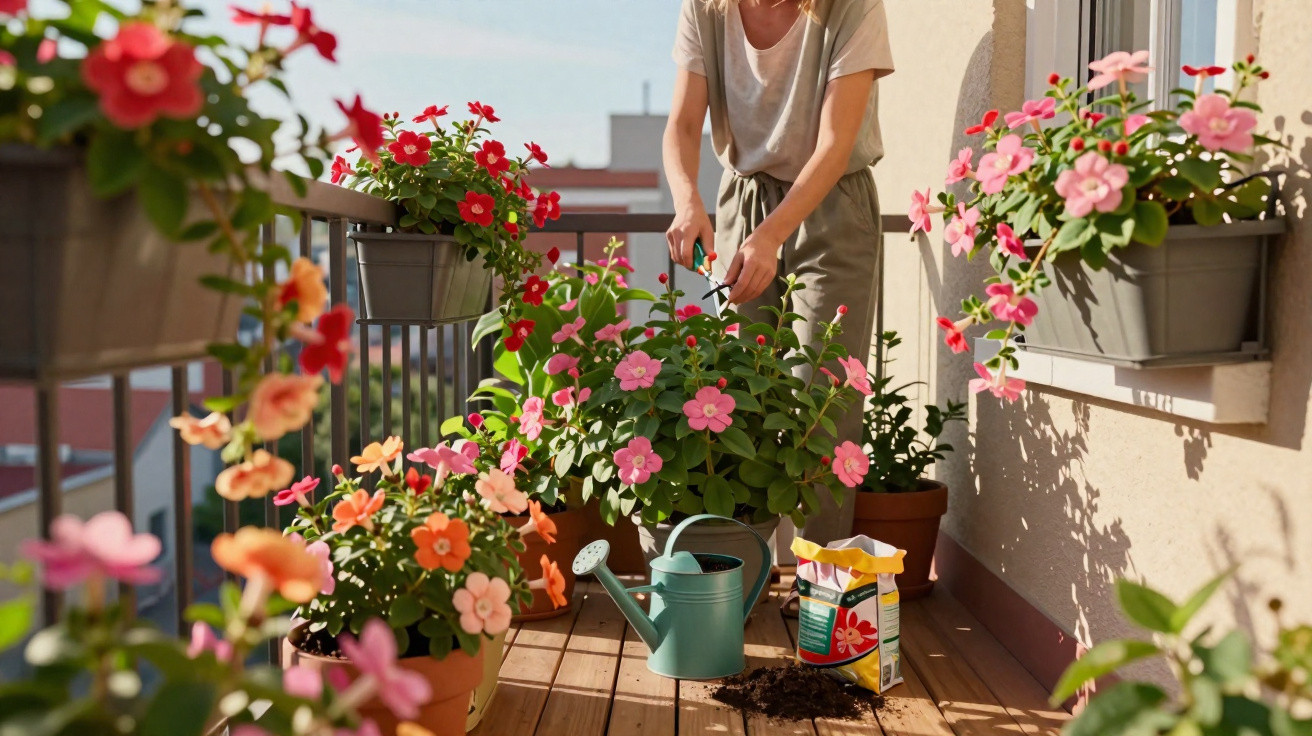
If you don’t have a garden, you can recreate the same combination in large pots on a balcony or patio. The essentials are generously sized containers, a base layer of expanded clay pellets or gravel, and good-quality compost that isn’t overly rich.
A blaze of flowers from spring to autumn - with almost no watering
Another strength of the five-plant mix is that the flowering periods overlap neatly. The result is months of continuous colour, giving butterflies a reliable food supply throughout the season.
A rough guide to the year looks like this:
- Some sage varieties get going in late spring.
- Lavender takes over from early summer into midsummer.
- Echinacea adds bold colour in July and August.
- Butterfly bush and Verbena bonariensis carry the display through into autumn.
Once established, the plants need remarkably little water. Only in the first year after planting - and during extreme drought - should you water additionally. In many areas, rainfall is then entirely sufficient.
Plant your butterfly hotspot in a free afternoon
If you don’t want to wait, you can simply start. With container-grown plants, there’s no need to hold off until the last late frosts - these species are hardy enough.
One workable layout for a small bed:
- Back: 1 butterfly bush as the focal point
- Middle: 2–3 Verbena bonariensis for height and an airy feel
- Front: depending on space, 3–5 lavender, 3–5 sage, 3–5 Echinacea
Leave a bit of space between plants so they can expand. Planting too closely may look impressive in year one, but later it leads to crowding and competition.
Mulch: the secret weapon against weeds and endless watering
One simple step cuts maintenance again: mulch straight after planting. Woodchips, hemp shiv, or shredded mixed leaves all work well.
Mulch keeps the soil moist for longer, suppresses weeds, and improves soil structure over time.
In drier areas, this layer can save a lot of watering. One important detail: don’t pile mulch right up against the stems, so nothing starts to rot.
Why butterfly borders are more than just decoration
A sunny corner like this isn’t only attractive - it also supports biodiversity. Butterflies are particularly sensitive to pesticides, sealed surfaces and monocultures. Every extra refuge helps to stabilise populations.
Many butterfly species need both nectar sources for adults and suitable plants for caterpillars. The combination presented here mainly feeds adult butterflies, but it also helps bring them back into residential areas in the first place - an important step.
If you want to go further, you can tolerate nearby wild plants such as stinging nettles or wild carrot. Some species lay their eggs there. Together with the sunny flower buffet, that creates a small but effective habitat.
Practical tips, common mistakes and useful additions
A few typical pitfalls are easy to avoid with minimal effort:
- Too much fertiliser: these five plants cope well in lean soil. Heavy feeding encourages leafy growth instead of flowers.
- Constantly damp soil: waterlogging does more harm than short dry spells. Prioritise drainage over watering.
- Full shade: in shade, both flowering and vigour suffer. If you can, choose a different spot.
Ornamental grasses also pair well in the bed. They add movement, look good in winter, and give insects extra structure for shelter. Herbs such as thyme or oregano are another great option: edible, strongly scented, and similarly popular with pollinators.
If you have children, the butterfly hotspot can also make nature easy to explore: counting butterflies, looking for caterpillars, comparing flower shapes - the garden becomes a small open-air lab. In this way, the five-plant combination brings together enjoyment of gardening, nature conservation and everyday practicality in a surprisingly straightforward way.
Comments
No comments yet. Be the first to comment!
Leave a Comment