
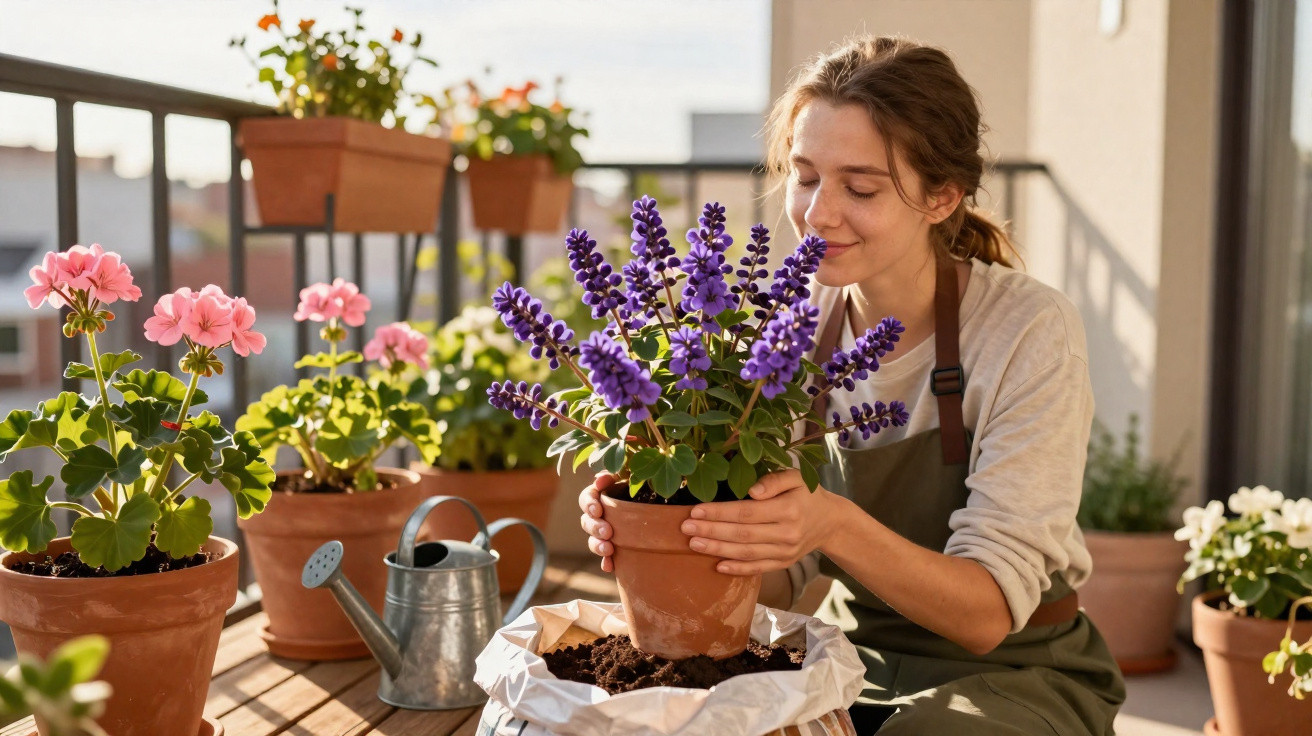
A modest cluster of flowers is currently becoming a go-to tip among amateur gardeners - thanks to its heady vanilla fragrance and months of flowering.
Many garden owners know the dilemma: you want a special atmosphere, but you have neither the time nor the appetite for high-maintenance plants. That is exactly where Heliotrop (heliotrope) comes into its own - visually striking with deep violet blooms, while scenting the air with notes of vanilla, almond and tonka bean. This long-overlooked fragrant perennial is enjoying a major comeback.
Why Heliotrop is being talked about everywhere right now
The move towards a "feel-good garden" - complete with a lounge corner, fairy lights and scented plants - suits heliotrope perfectly. It delivers three benefits at once: powerful fragrance that carries, standout flower colour, and a noticeable lift in garden life because it attracts insects.
"Heliotrop combines vanilla fragrance, a feast of violet flowers and an insect magnet in one plant - without complicated care."
Heliotropium arborescens originally comes from South America. Even so, it settles happily into Central European borders and containers, as long as it gets a warm, sunny spot. Once temperatures rise, the plant releases its full perfume - often described as a blend of vanilla custard and marzipan.
This isn’t a subtle background aroma; it is clearly noticeable. Place a pot beside the patio, near a balcony dining table or along a garden path and you will effectively walk through a cloud of scent. That makes it particularly appealing for compact city balconies, where every plant needs to work twice as hard.
The key features of Heliotrop
Anyone who has seen the plant in full bloom quickly understands why it is winning so many fans. A few headline figures show what makes it so appealing:
- Flowering period: roughly May to October
- Height: about 30 to 50 centimetres
- Flower colour: usually deep violet, sometimes white or soft mauve
- Scent: intense vanilla, with hints of almond and tonka bean
- Growth habit: compact, bushy plant with dense flower clusters
Another advantage: heliotrope brings movement to the garden, because its nectar draws in bees, bumblebees and butterflies. In summer, there is often constant buzzing and fluttering around it, which makes beds feel more alive.
"One single perennial can be enough to turn a balcony or patio into a fragrant corner brought to life by insects."
The flowers sit in tight, domed clusters framed by dark, slightly crinkled foliage. That contrast of violet bloom against deep green leaves looks especially elegant in white pots or beside pale gravel paths.
Location and soil: where Heliotrop really thrives
To get the best out of the plant, the essentials are warmth and light. Meet those basics and you are already most of the way there.
The best position
- as sunny as possible, ideally sheltered from wind
- no waterlogging - excess water must be able to drain away
- temperatures consistently above freezing
Plant out after the last frosts in spring. If you start too early, you risk root damage and a poor start to the season.
Soil requirements
In the ground, heliotrope copes well with any loose, nutrient-rich garden soil that does not stay wet. In pots, choose a high-quality compost and mix in a little sand or expanded clay to improve drainage.
| Factor | What Heliotrop needs |
|---|---|
| Light | Plenty of sun; partial shade reduces both scent and flowering |
| Soil moisture | Evenly, lightly moist, but never waterlogged |
| Nutrients | Moderate to good; feed little and often rather than heavily |
| Temperature | Heat-loving and not frost-tolerant |
Planting, watering, care: how Heliotrop works for almost everyone
Planting in a bed or in a container
- mark out the spot and loosen the soil
- work in compost or planting compost so roots establish quickly
- plant with 30 to 40 centimetres between each plant
- firm the soil gently and water thoroughly
In a pot, the drainage hole must remain clear so surplus water can escape. A base layer of expanded clay or gravel helps prevent waterlogging.
Watering and day-to-day care
Heliotrope likes consistent moisture, but it is sensitive to "wet feet". A simple rule: water when the top layer of compost has dried out. During very hot weather, that may be necessary morning and evening, particularly for container plants.
"If you regularly cut off faded flower heads, you’ll be rewarded with new flower clusters right into autumn."
Removing spent blooms is the most important care trick. It redirects the plant’s energy into fresh buds instead of seed production. A light trim, if the plant starts to look leggy, helps it stay dense and bushy.
Overwintering Heliotrop in a pot or leaving it in the ground?
In many areas, heliotrope is not fully hardy. Once temperatures start edging towards 0°C, it becomes risky. If you want to play it safe, grow it in a pot and bring it indoors before the first frost.
Overwintering in a container
- move it before frost to a bright, cool place indoors or a conservatory
- water far less, but do not let it dry out completely
- in spring, reintroduce it to sun gradually
In milder areas with a sheltered position, heliotrope can survive in the ground, but it is noticeably more uncertain. For that reason, many gardeners treat it more like a premium summer plant and replace it with fresh specimens every one to two years.
Attractive companion plants and creative ideas
With its strong colour and pronounced fragrance, heliotrope is ideal as the star of a scented corner. It looks especially balanced alongside plants that enjoy similar conditions.
Suitable planting partners
- pelargoniums in vivid colours for balcony planters
- verbenas in pastel shades for romantic pots
- lavender for a Mediterranean feel
- sage and gaura in perennial beds for looser, natural-style planting
If you want to layer fragrances, place heliotrope next to lavender or scented pelargoniums. The result is a true "perfume bed" you can notice from several metres away.
Common mistakes - and how to avoid them
Because the plant has become so popular, certain care errors keep cropping up. Three in particular are repeated again and again:
- Too much water: waterlogging quickly leads to root rot and fungal problems.
- The wrong position: in shade, the scent weakens and flowering is sparse.
- No deadheading: leaving faded blooms on the plant shortens the flowering season noticeably.
With a sunny spot, free-draining soil and a bit of attention to watering, the risk of disease stays low. Slugs are rarely interested in the slightly tough foliage, which makes it even easier to grow.
What gardeners should know before buying
Heliotrope is best suited to adults and older children. Parts of the plant are considered poisonous, so small children and pets should not nibble the leaves or flowers. If you have a dog or cat roaming freely, it is safest to place this fragrant favourite in tall containers.
Its impact in small outdoor spaces is especially impressive: on tiny balconies, a single pot of heliotrope can define the entire area. Between a deckchair and a bistro table, the vanilla scent often feels stronger than it does in large gardens. If you have limited space but high expectations for atmosphere, this perennial can be a surprisingly good choice.
Many hobby gardeners now use it as a gift, too: a fragrant container for a housewarming or summer party tends to be remembered far longer than a bouquet of cut flowers. Add a brief care explanation and you also give the story that comes with it - including the promise that the terrace will smell like a fine vanilla bakery as soon as the sun comes out.

Comments
No comments yet. Be the first to comment!
Leave a Comment